By Sakina Maharjan | Development and MEAL Senior Trainee
At Women LEAD, our relationship with participants continues long after they graduate. Through our two flagship programs- the LEAD Course and the Young Women Political Leadership Course (YWPLC), we foster an alumni community where young women can continue to learn, contribute, and grow. Our alumni give back by sharing their time, expertise, experiences, and networks with the next generation of young women leaders. In return, these opportunities enable them to strengthen their skills, expand their networks, and continue growing both personally and professionally. This ongoing cycle of giving and growth is at the heart of our alumni community.
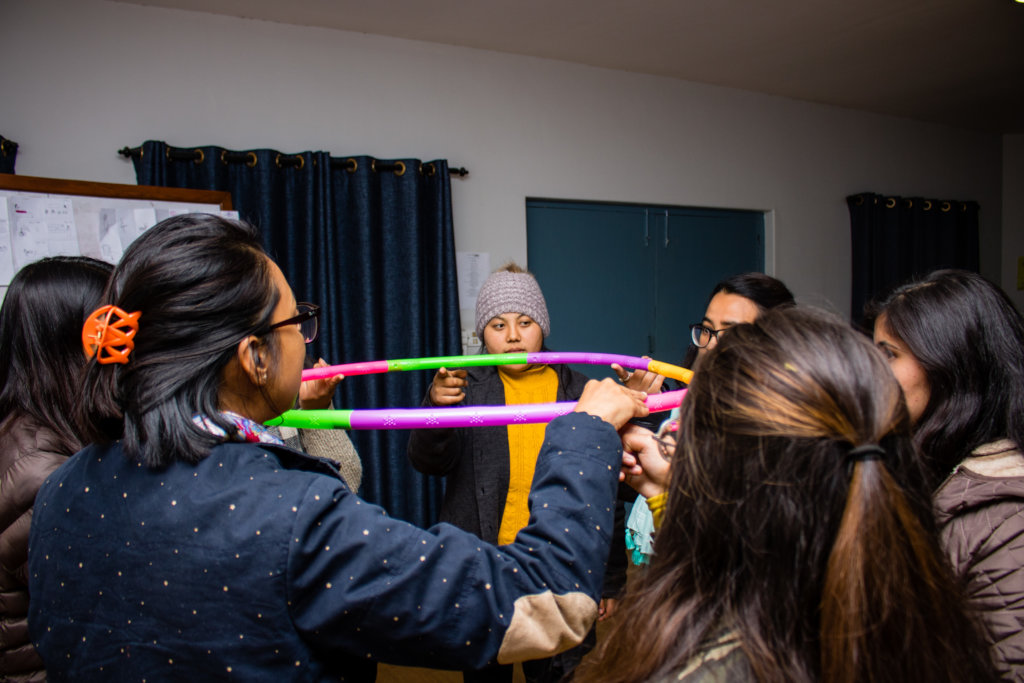
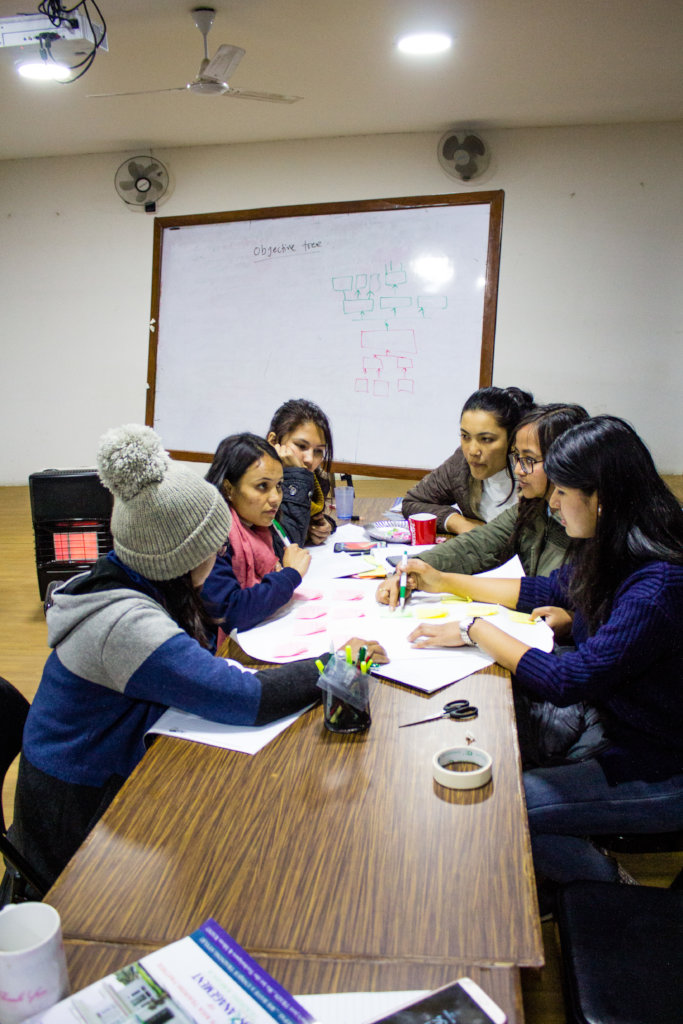
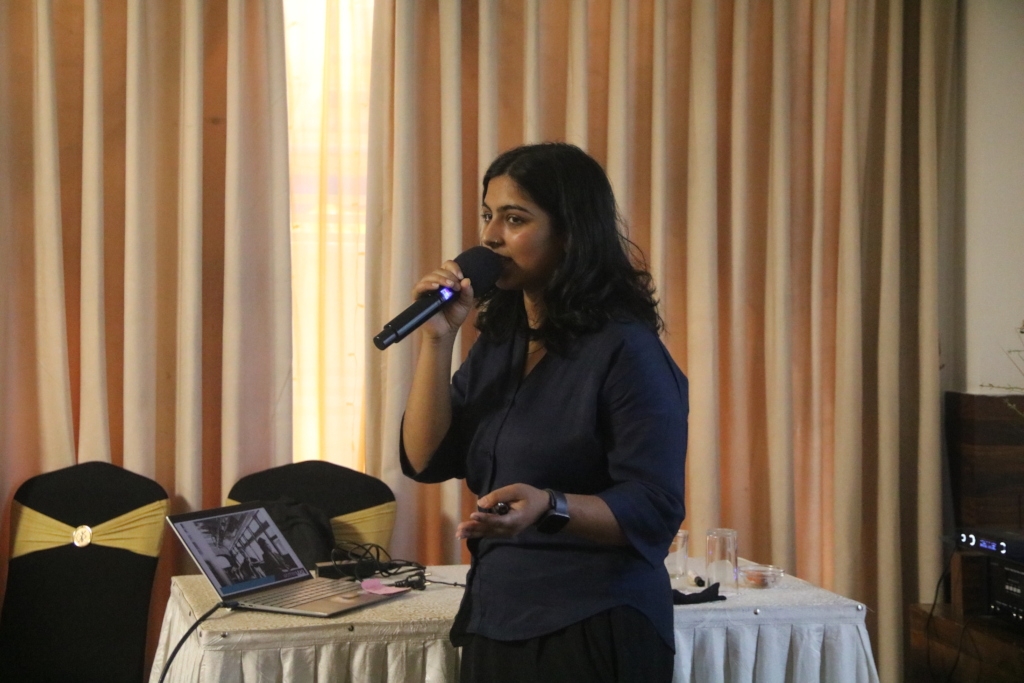
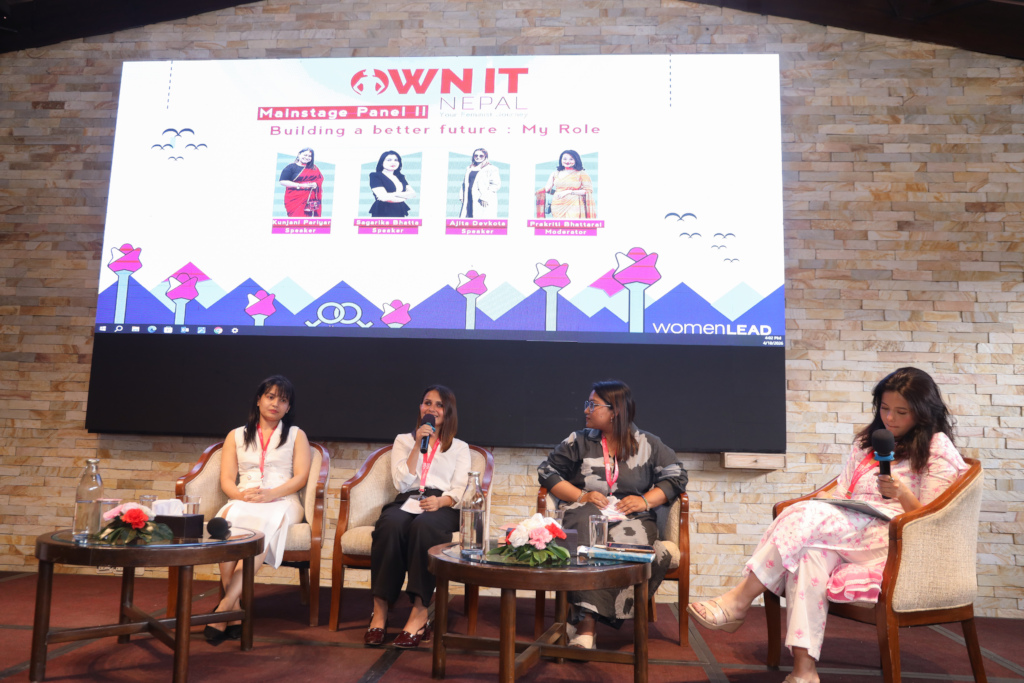
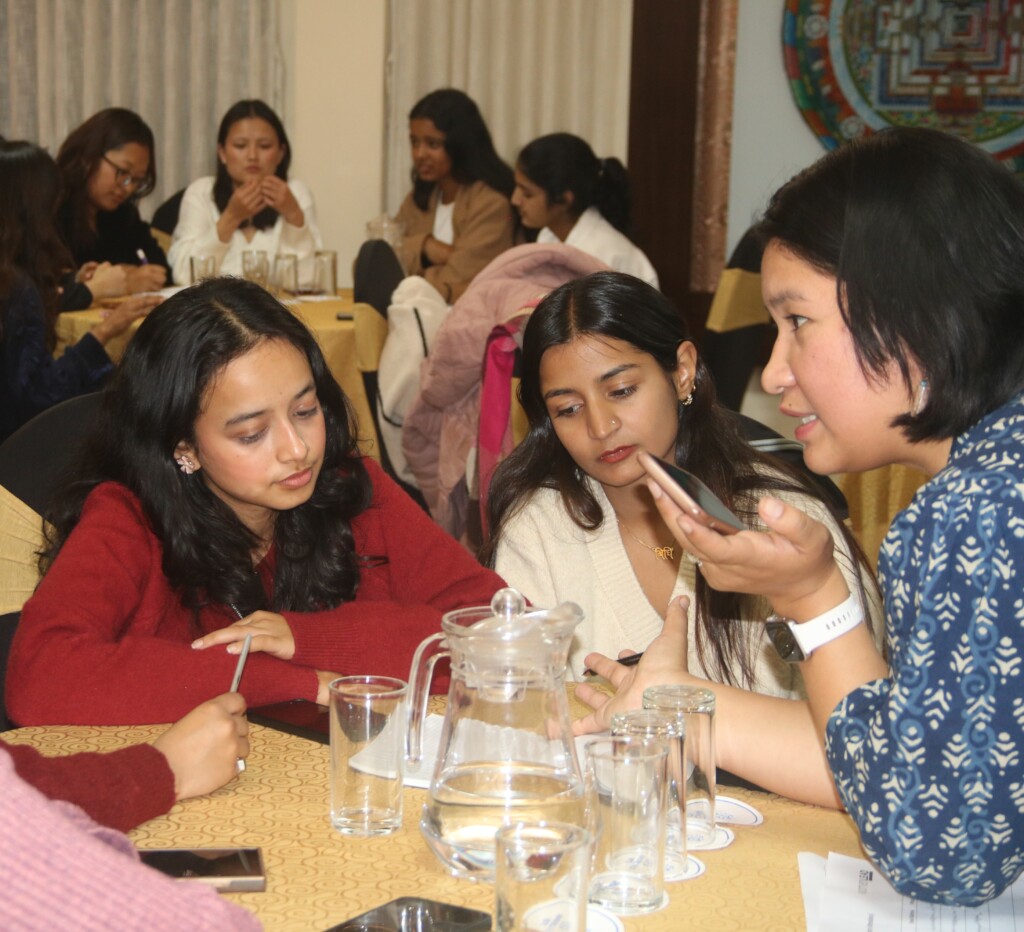
Throughout the first half of 2026, alumni contributed to our programs as facilitators, mentors, speakers, panelists, moderators, and volunteers. Across Advocacy week, Professional Development Week (PDW), and Follow-Up components, they facilitated sessions on Asking Critical Questions, Creating Powerful Messages, Budgeting, Introduction to Design, Ethics, Bias and the Use of AI, Financial Literacy, and More Than a Vote: Young Women Shaping Politics. Alumni also shared their experiences through panel discussions and conversations on Women, Power, and Electoral Politics. These opportunities enabled alumni to give back while strengthening their own facilitation, communication, mentoring, and leadership skills.
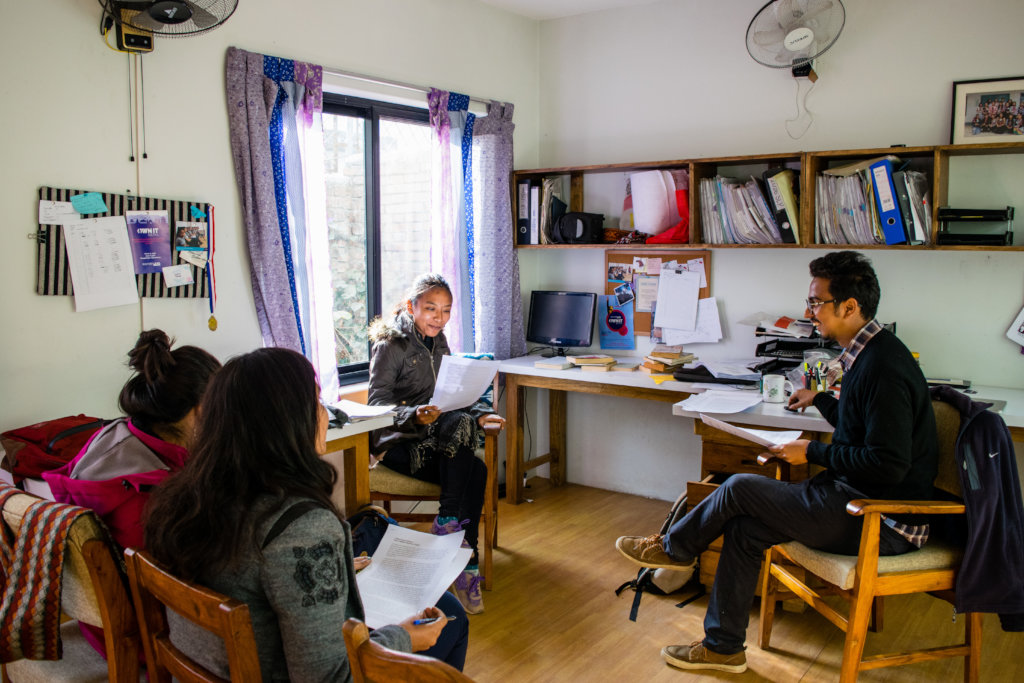
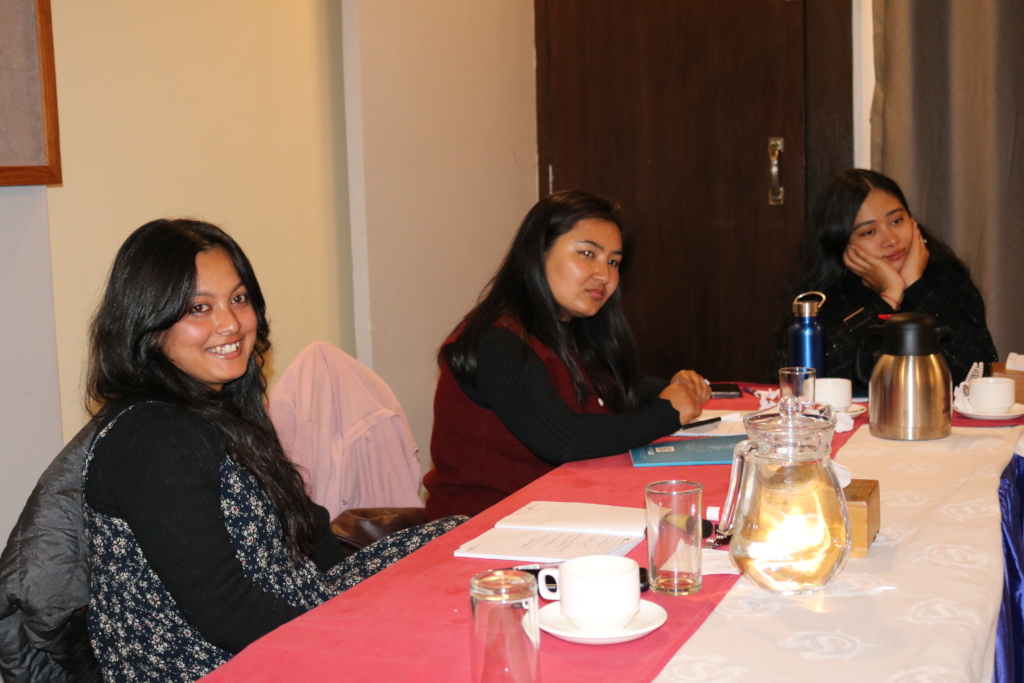
Our commitment to alumni growth also extends to creating pathways for professional development within the organization. Alumni have the opportunity to return as interns and trainees, gaining practical experience while contributing to the organization that was once part of their own leadership journey. During this period, alumni supported different areas of our work, including LEAD, YWPLC, Alumni Engagement, Development, MEAL, and Finance. These opportunities allow alumni to explore professional interests, strengthen their skills, and gain meaningful workplace experience, while bringing their lived experience and understanding back into the organization.
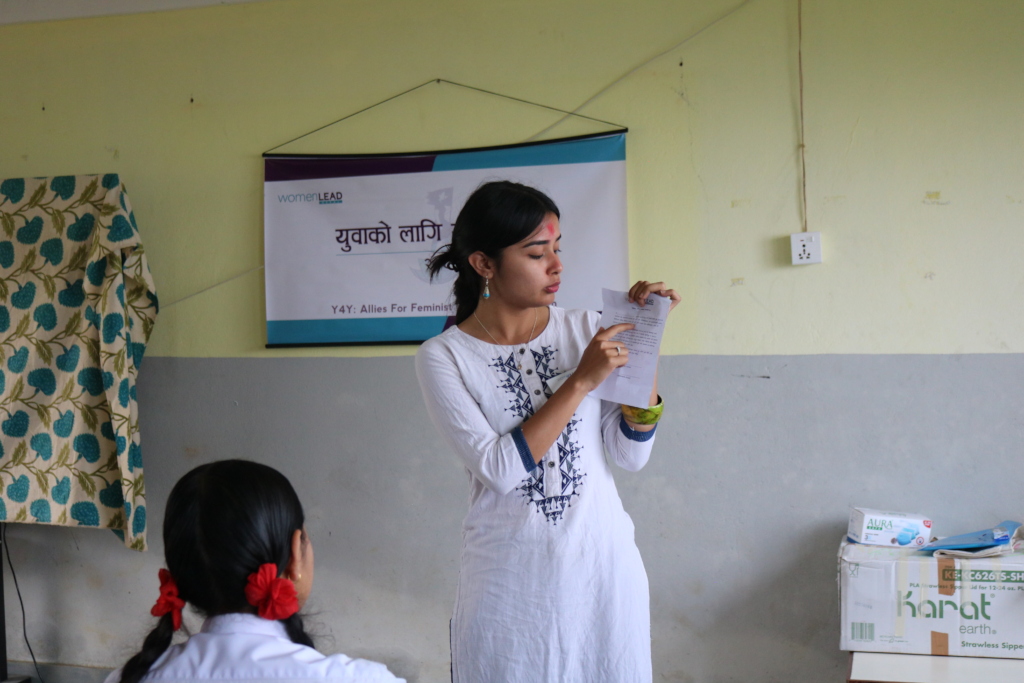
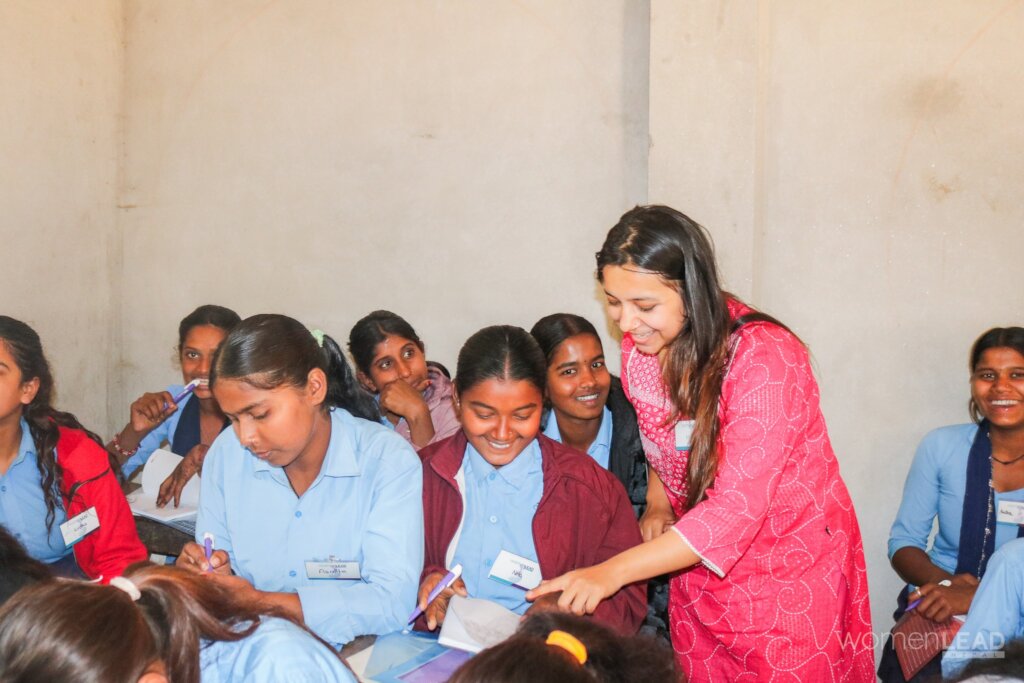
This spirit of giving and learning extended beyond Kathmandu through our Outreach program- Youth for Youth: Allies for Feminist Leadership (Y4Y) in Lamjung, Gandaki Province. Alumni facilitators led sessions on Gender Equity, Leadership and Followership, Human and Child Rights and more across two schools, reaching 55 adolescents and young beneficiaries. For the facilitators, the experience was also an opportunity to apply their skills in a new setting, engage with young people outside Kathmandu, and deepen their understanding of community-based leadership.
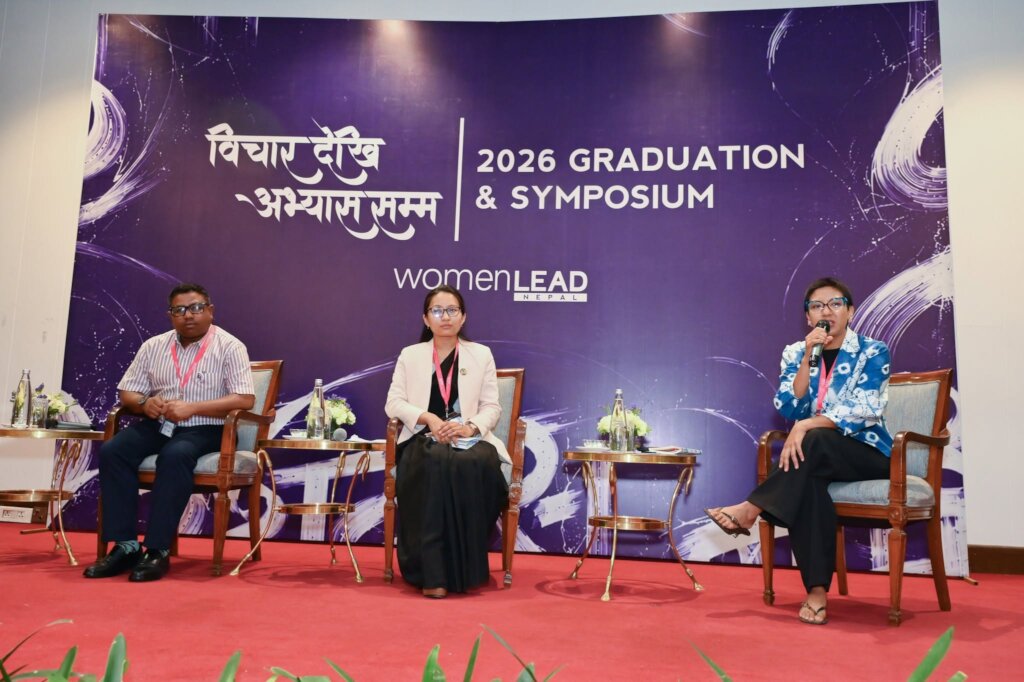
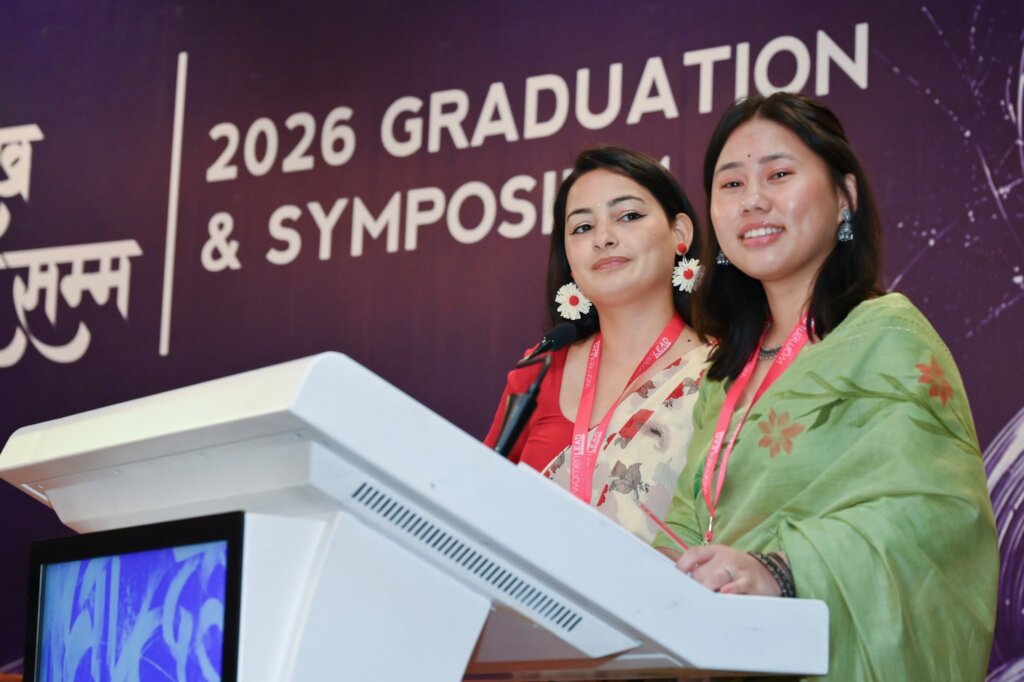
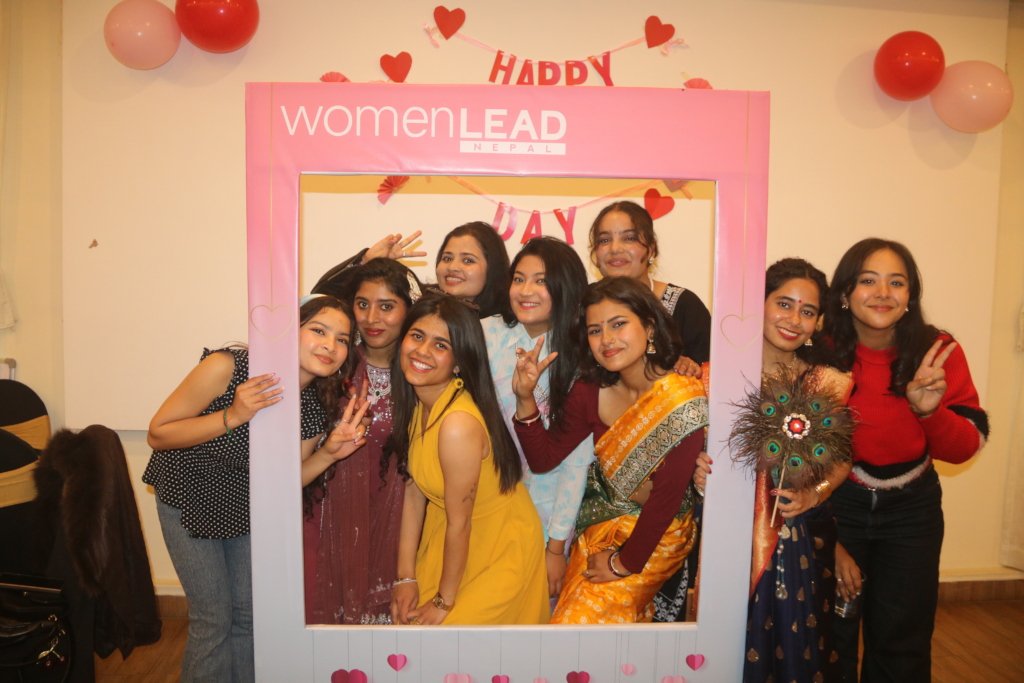
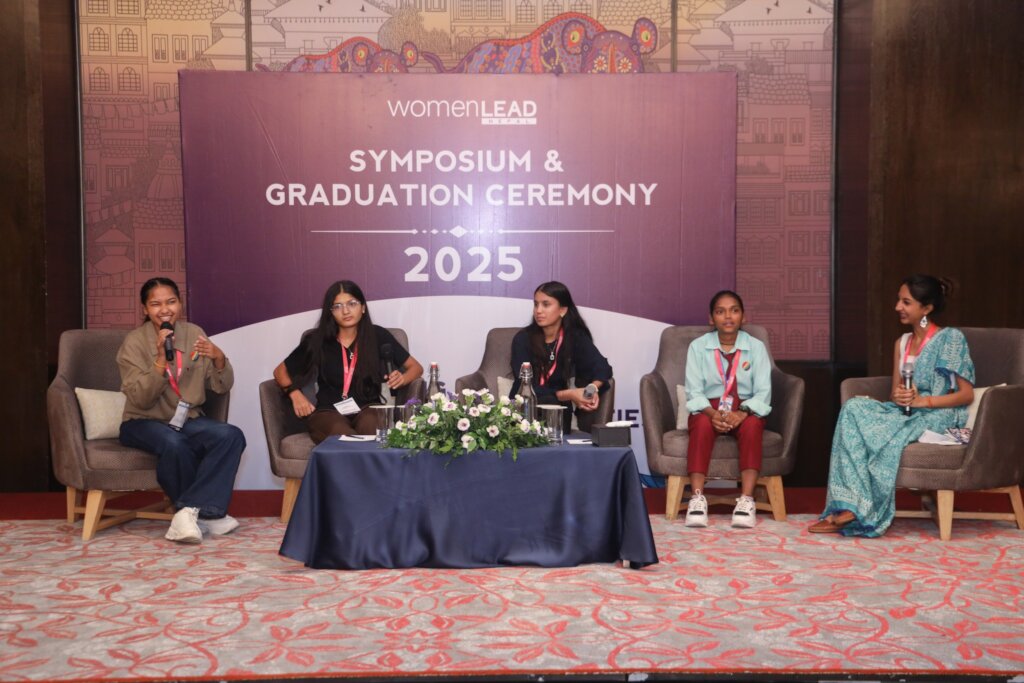
The cycle of giving back continued in June, when 26 LEAD Course participants and 19 YWPLC fellows graduated, welcoming 45 new members into our alumni community and bringing the total to 592 from 547. At the graduation ceremony on 20 June 2026 in Kathmandu, alumni contributed as volunteers, panel moderators, emcees, and mentors. Following the ceremony, alumni mentors also organized a welcome gathering for the new graduates, creating a space for connection and continued mentorship. These relationships often extend beyond graduation, with alumni continuing to celebrate milestones, share opportunities, and support one another's personal and professional journeys.
Our alumni community is also growing through opportunities beyond our own programs. We actively create spaces for alumni to participate in national and international platforms where they can build networks, exchange knowledge, and represent perspectives from Nepal. During this period, alumni participated in global platforms including the Women Deliver 2026 Conference session, From Movements to Power: A Dialogue with Gen Z and Millennial Women in Politics, held in Australia, and the Women's Political Future: Asia convening in Thailand. These experiences enabled alumni to engage with diverse leaders and movements, broaden their perspectives, strengthen their professional networks, and carry our values into wider spaces.
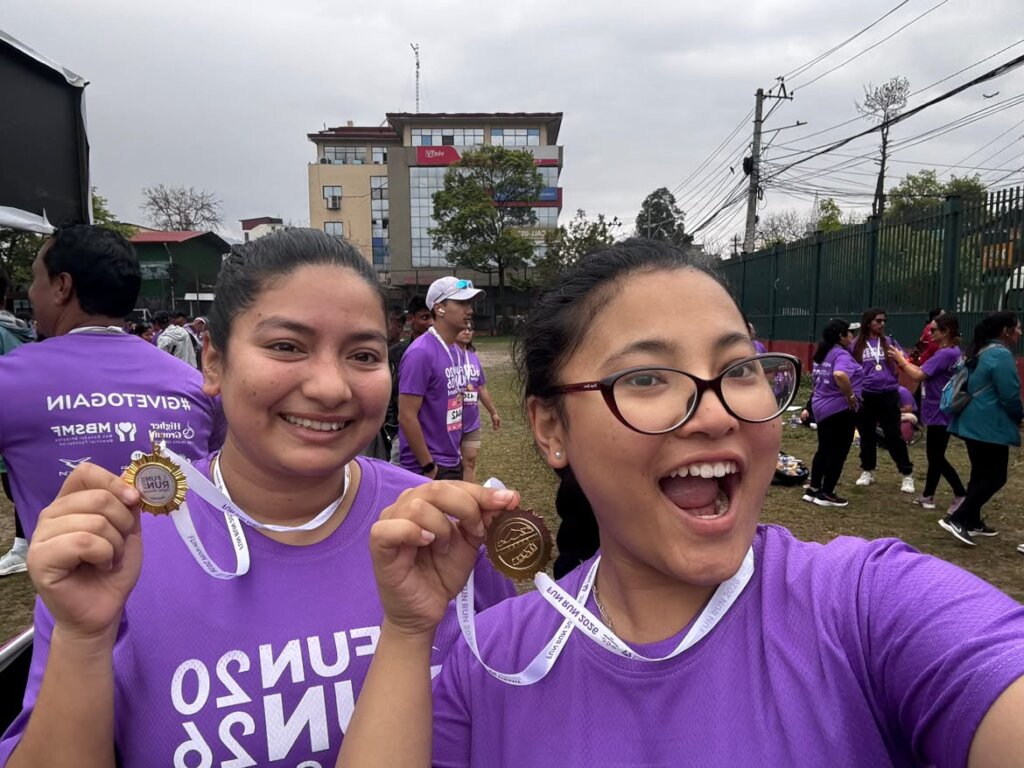
Nationally, four alumni participated in the Fun Run 2026 on 21 March to celebrate International Women's Day. Beyond the run itself, the event provided an opportunity to reconnect, celebrate feminist solidarity, and affirm women's right to take up space.
From classrooms in Lamjung to global platforms in Australia and Thailand, the first half of 2026 demonstrated that our alumni community is both giving back and growing together. Every session facilitated, young person mentored, connection made, and opportunity shared strengthens a community that continues to learn, lead, and support one another. With 592 alumni now connected by a shared vision of a better world where women leaders co-create the future, graduation is not a finish line, it is the beginning of a lifelong journey of leadership, learning, and solidarity.
By Urusha Maharjan | Development and Fundraising Coordinator
By Stuti Reuben Rai | MEAL & Development Associate
Project reports on GlobalGiving are posted directly to globalgiving.org by Project Leaders as they are completed, generally every 3-4 months. To protect the integrity of these documents, GlobalGiving does not alter them; therefore you may find some language or formatting issues.
If you donate to this project or have donated to this project, you can receive an email when this project posts a report. You can also subscribe for reports without donating.



Support this important cause by creating a personalized fundraising page.
Start a Fundraiser