Project Report
| Jul 7, 2025
Save Indigenous seeds through women led seed banks
By Miriam Nakiyaga | Project leader
Project Overview
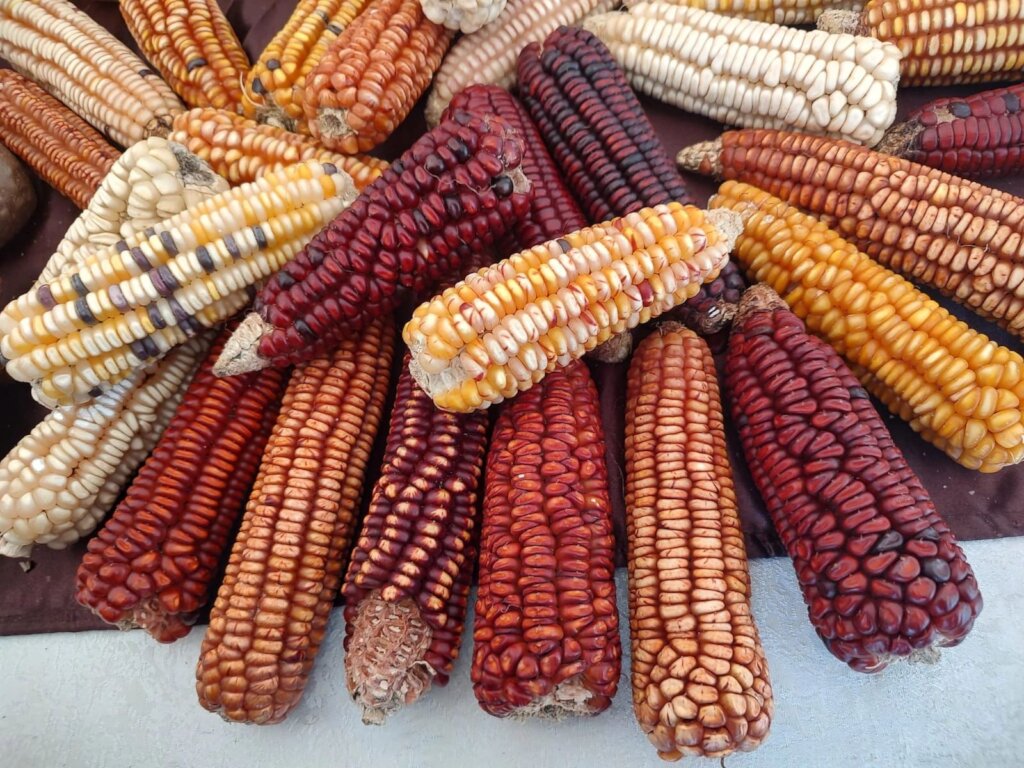
This project supports rural women in conserving and multiplying indigenous seeds through community-managed seed banks. By preserving traditional seed varieties, we promote biodiversity, food sovereignty, and climate resilience while empowering women farmers.
Key Achievements
-
2 Women-Led Seed Banks Established across 2 districts
-
52 Indigenous Seed Varieties Conserved, including millet, sorghum, beans, and leafy greens
-
213 Women Trained in seed saving, agroecology, and organic pest control
-
2 Seed Exchange Fairs held, reaching over 500 community members
-
7,000 Seed Starter Kits distributed to households
Impact
-
Increased crop diversity and resilience to climate shocks
-
Revival of nearly extinct indigenous seeds
-
Strengthened women’s leadership in local food systems
-
Boost in household food security and traditional knowledge sharing
Challenges
-
Limited storage capacity in some seed banks
-
Sourcing rare varieties required extra outreach
-
Initial resistance from some local stakeholders, later resolved through dialogue
Next Steps
-
Expand to 5 more districts
-
Launch mobile seed libraries and digital tracking tools
-
Partner with schools and youth groups for knowledge transfer
![Share on Twitter]()
![Share on Facebook]()
Feb 16, 2025
Save Indigenous seeds through women led seed banks
By Miriam Nakiyaga | Project leader
Women-Led Indigenous Seed Bank Project Report Executive Summary: This report presents the outcomes and impact of the Women-Led Indigenous Seed Bank Project, which aimed to empower indigenous women to conserve and promote traditional seed varieties, enhance food security, and preserve cultural heritage. The project established a community-led seed bank, provided training and capacity building, and fostered community engagement and knowledge sharing. Introduction: Smallholder farmer communities face threats to their food sovereignty and cultural heritage due to the loss of traditional seed varieties. Women play a vital role in seed conservation and management, but often lack recognition and support. Objectives: - Establish a women-led indigenous seed bank in Mukono - Conserve and promote traditional seed varieties - Enhance food security and sovereignty - Preserve cultural heritage and traditional knowledge - Empower indigenous women as seed custodians and leaders Methods: - Community engagement and participation - Seed collection, conservation, and storage - Training and capacity building for women seed custodians - Knowledge sharing and documentation - Networking and partnership building Results: - Trained 30 women seed custodians and leaders - Enhanced food security for 500 families through access to traditional seeds - Preserved cultural heritage and traditional knowledge - Empowered indigenous women as seed custodians and leaders Conclusion: By empowering indigenous women, we support the revitalization of traditional knowledge and practices, contributing to a more equitable and sustainable food system. Recommendations: - Scale up the seed bank and training programs - Strengthen partnerships with local organizations and governments - Develop policy briefs and advocacy materials to support indigenous seed rights - Create a network of women-led seed banks and exchange programs
![Share on Twitter]()
![Share on Facebook]()
Oct 18, 2024
Save Indigenous Seeds through Women Led Seed Banks
By Miriam Nakiyaga | Project Co-Lead
Women-Led Indigenous Seed Bank Project Report Executive Summary: This report presents the outcomes and impact of the Women-Led Indigenous Seed Bank Project, which aimed to empower indigenous women to conserve and promote traditional seed varieties, enhance food security, and preserve cultural heritage. The project established a community-led seed bank, provided training and capacity building, and fostered community engagement and knowledge sharing. Introduction: Smallholder farmer communities face threats to their food sovereignty and cultural heritage due to the loss of traditional seed varieties. Women play a vital role in seed conservation and management, but often lack recognition and support. Objectives: - Establish a women-led indigenous seed bank in Mukono - Conserve and promote traditional seed varieties - Enhance food security and sovereignty - Preserve cultural heritage and traditional knowledge - Empower indigenous women as seed custodians and leaders Methods: - Community engagement and participation - Seed collection, conservation, and storage - Training and capacity building for women seed custodians - Knowledge sharing and documentation - Networking and partnership building Results: - Trained 30 women seed custodians and leaders - Enhanced food security for 500 families through access to traditional seeds - Preserved cultural heritage and traditional knowledge - Empowered indigenous women as seed custodians and leaders Conclusion: By empowering indigenous women, we support the revitalization of traditional knowledge and practices, contributing to a more equitable and sustainable food system. Recommendations: - Scale up the seed bank and training programs - Strengthen partnerships with local organizations and governments - Develop policy briefs and advocacy materials to support indigenous seed rights - Create a network of women-led seed banks and exchange programs
![Share on Twitter]()
![Share on Facebook]()