Project Report
| Sep 15, 2026
Programme Update: June-September 2026
![]()
Between 15 June and 15 September 2026, CF “Chance to Change” continued its coordinated, multi-site programme supporting adolescents’ psychosocial recovery, life skills and social integration after the upheavals of war. The period combined the completion of several psychological groups, summer master classes and creative/experiential activities, ongoing one-to-one mentorship, career-orientation events, and individual support for graduates of Stara Basan boarding school. The curriculum remained consistent with previous seasons and was adapted to summer and early-autumn delivery.
Programme delivery and logistics
- Core beneficiaries: adolescents aged 10–17, including orphans, internally displaced children and children from disadvantaged backgrounds.
- Locations: Kyiv (Left and Right Banks), Lutsk, Kivertsi, Mukachevo; recruitment and launch activities continued in Lviv and Zaporizhzhia.
- Group structure: five core groups. By July, groups #1–#5 had completed the main programme cycle in Kyiv; Groups in Kivertsi and Mukachevo continued.
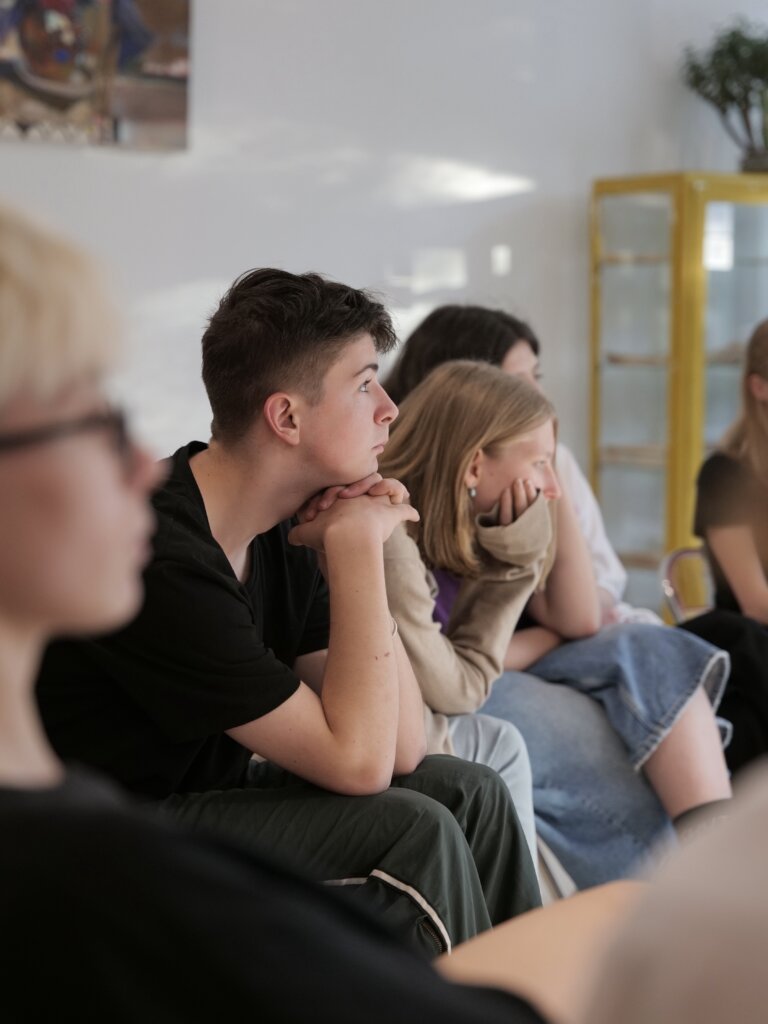
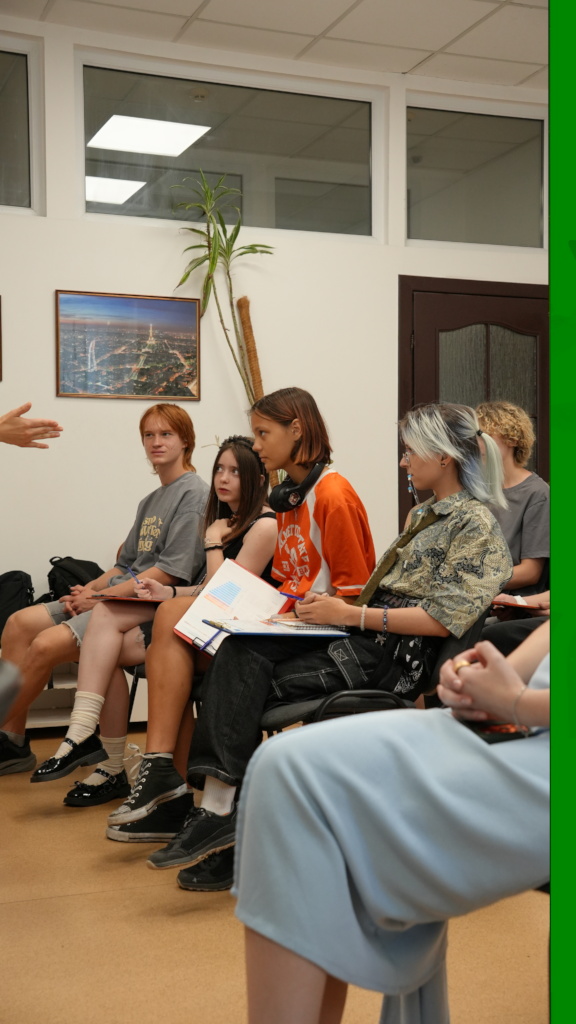
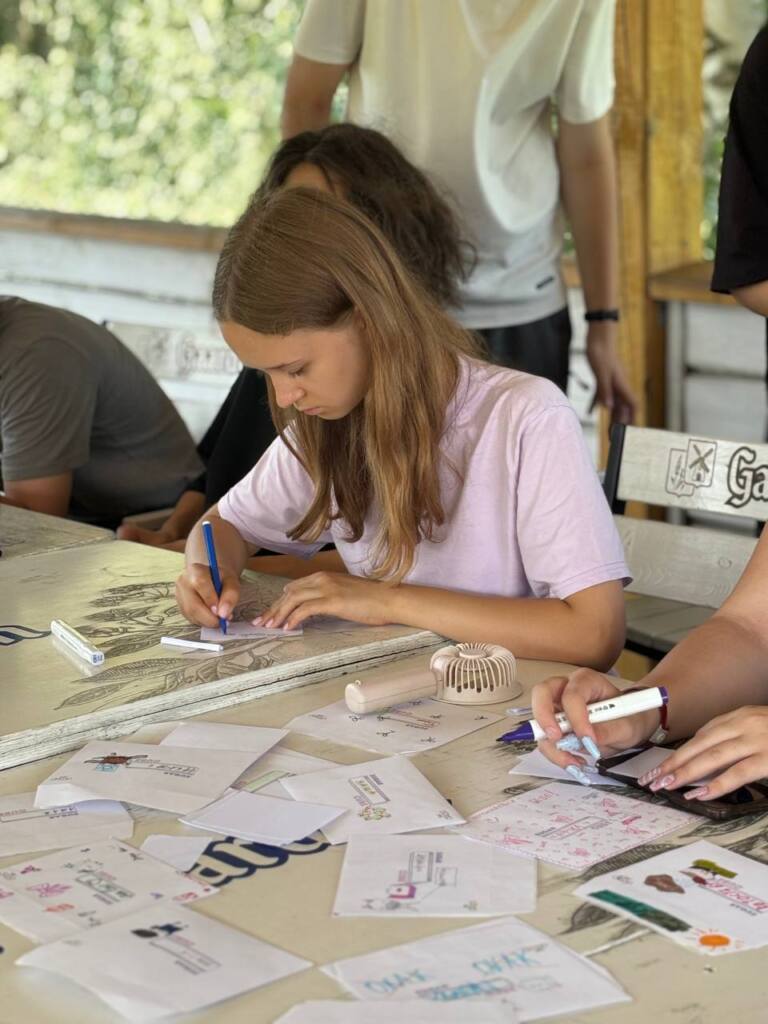
- Sessions and modalities: group workshops, master classes, lectures, experiential labs, cinema/creative sessions, individual consultations, mentorship meetings, career-orientation excursions and guest sessions.
- Reported delivery figures: in July, 61 adolescents successfully completed the psychological programme; 2 days of master classes and a cinema session were held for the Right Bank; 3 trainings were conducted to select curators; a camp for graduates was prepared. In August, 5 workshops reached 58 unique children (7 in Lutsk, 51 in Kyiv). In September, group work continued as above.
- Practical support: where required, the programme continued to remove participation barriers through practical support (materials, transport, meals/snacks and targeted small grants).
Curriculum and methods
The curriculum followed the same complementary block structure used previously:
- Self-knowledge & psychological literacy: modules such as “Who am I?”, values and goal-setting, basic career orientation.
- Emotional work: recognition and regulation of feelings (shame, guilt, fear, vulnerability, gratitude).
- Body & self-worth practices: routines to strengthen positive self-image and somatic grounding.
- Communication & social ties: boundaries, conflict resolution, peer support skills and resistance to manipulation.
- Leadership & financial literacy: practical leadership habits, budgeting basics and small enterprise thinking.
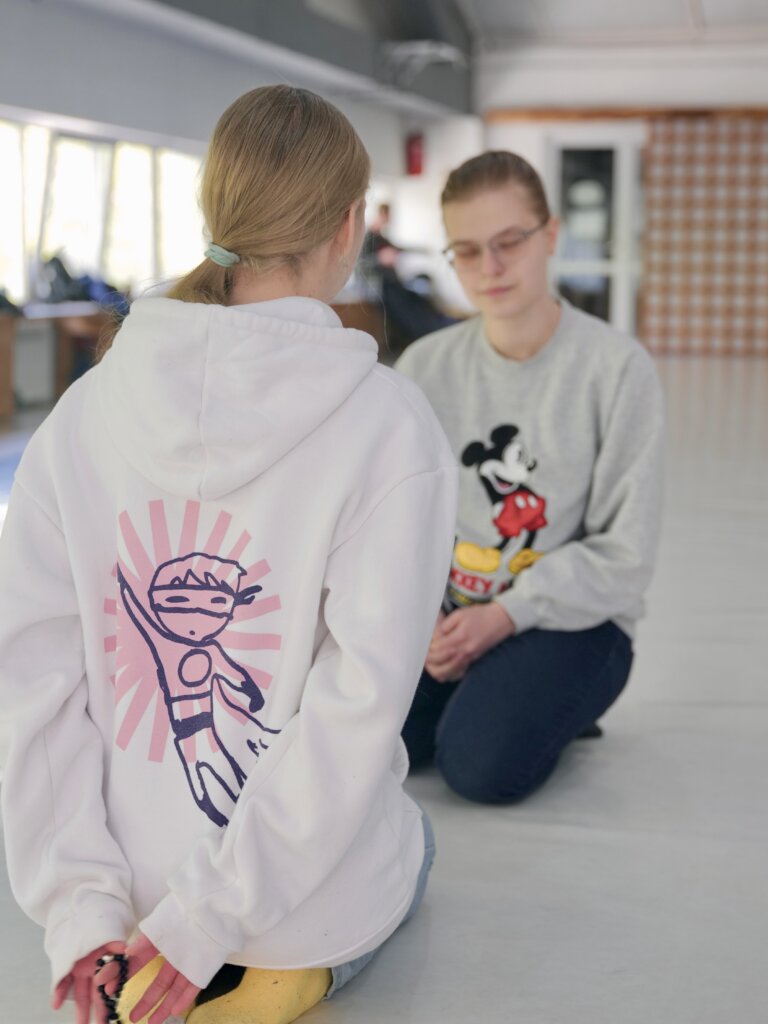
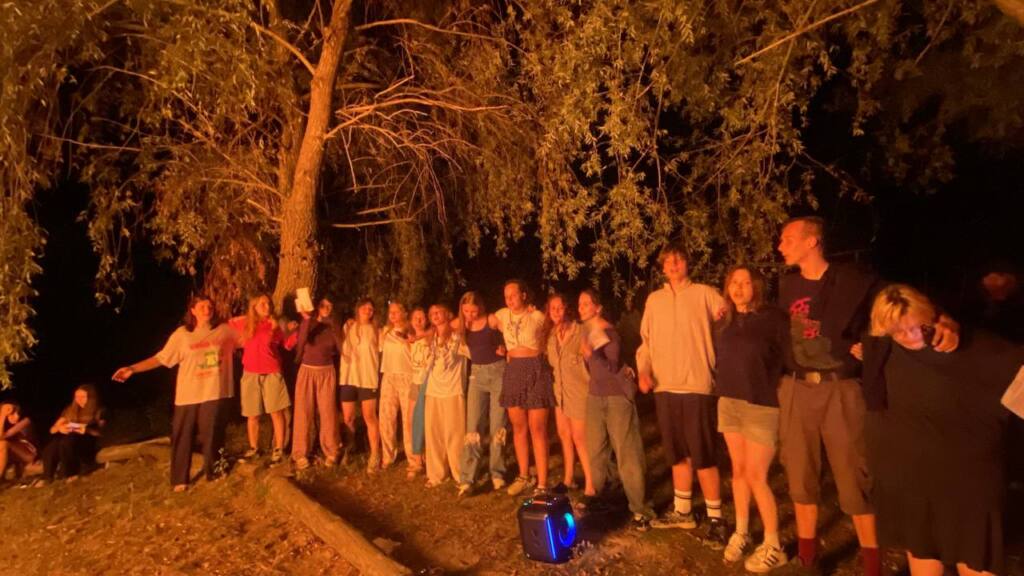
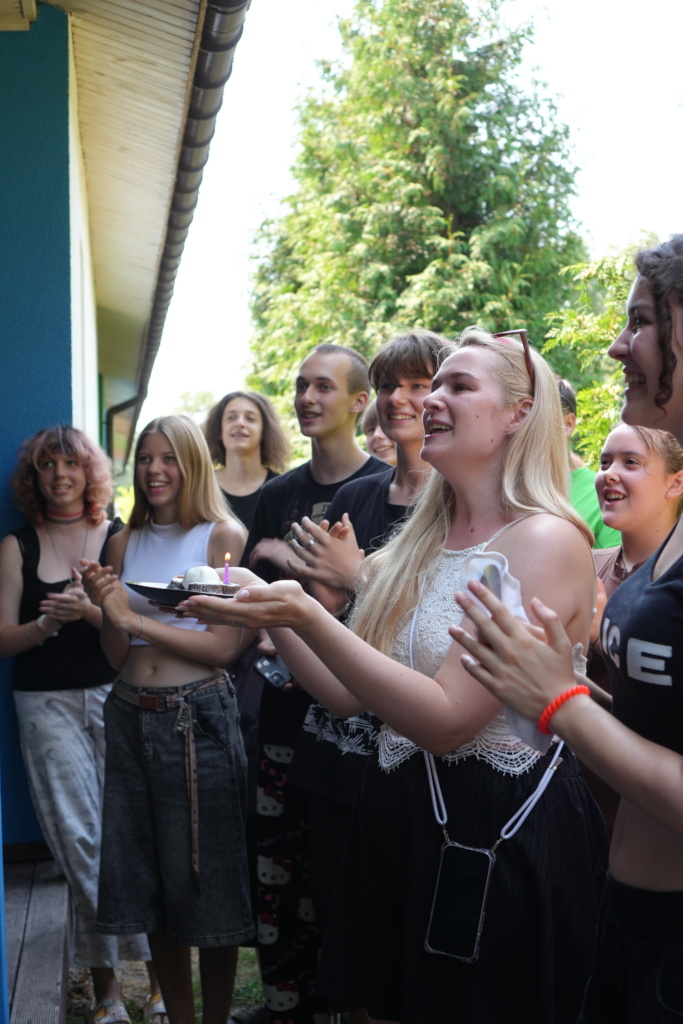
- Experiential activities: creative labs, role-plays, community outings and ritualised group practices to consolidate learning.
- Mentorship and career orientation: one-to-one mentoring and practical exposure to professions and employers.
Monitoring & evaluation
We continued to use the same mixed-methods assessment approach as in previous reporting periods: a matched pre/post design augmented by projective and behavioural tools. Instruments included an anxiety questionnaire with subscales, a standardised self-esteem scale, an emotional-intelligence inventory (awareness, regulation, empathy, motivation), the House-Tree-Person drawing for qualitative insight, communicative/organisational skills tests, and psychogeometric profiling. These quantitative measures were complemented by session observations, mentor reports and case studies to capture processual and contextual change.
Outcomes — headline figures & qualitative highlights
- Psychological programme: 61 adolescents successfully completed the programme in July. Summer master classes and cinema sessions maintained engagement; three curator trainings supported preparation for autumn groups. In September, three groups continued across Kivertsi, Lutsk and Mukachevo.
- Workshops and outreach: August delivered 5 workshops reaching 58 unique children (7 in Lutsk; 51 in Kyiv).
- Mentorship: across July–August, 27–28 active mentor–child pairs were supported; 10 new pairs were created (6 in July, 4 in August); approximately 105 meetings took place. Two pairs completed mentorship with final reviews and surveys. In August, 10 interviews were conducted with adolescents, and 9 joined the programme. 15 adolescents were waiting for a mentor and 5 mentors were waiting for an adolescent; 3 pairs were paused or closed. Mentorship provided consistent adult support and helped adolescents address communication, motivation and planning goals.
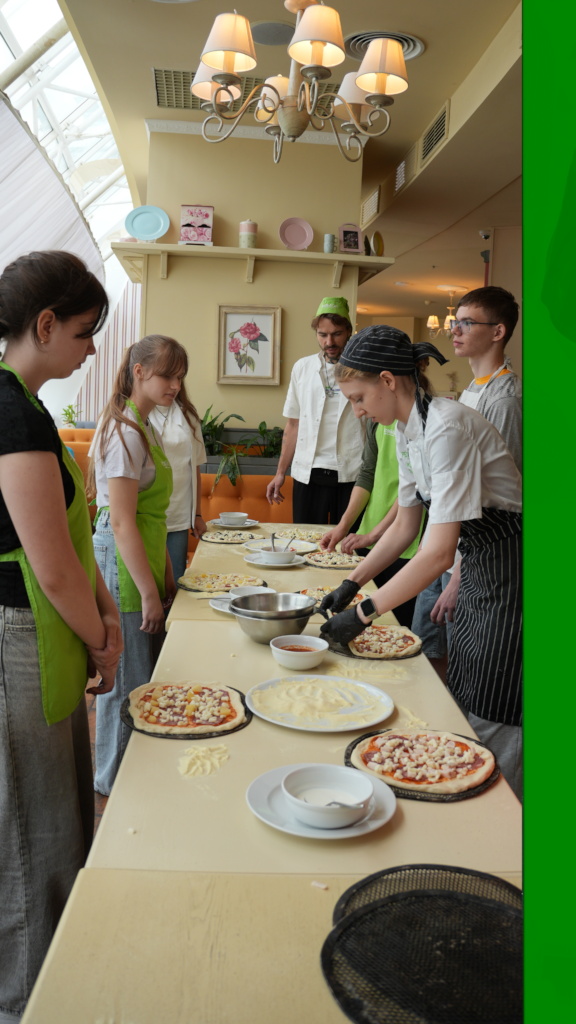
- Career orientation: July–August included 3 career-orientation events reaching approximately 52–53 adolescents. These included an excursion and career orientation at Ecosoft (19–20 participants), a business and blogging session with Rovesnyk (20+ participants), and an English Prime training (13–14 participants). Participants gained direct exposure to employers, professional roles and practical skills.
- Stara Basan boarding school: in July, 1 group session and 5 online individual consultations were delivered. Graduates received support with applications and transition: 2 young people entered Kyiv Professional Construction College, 2 entered Sokyryntsi Agrarian Lyceum, and one considered Kyiv Lyceum of the Ministry of Internal Affairs. Support included psychological counselling, mediation, help with documents, material assistance and travel tickets.
- Recruitment and enrolment: by the end of July, 182 children were in the enrolment funnel across locations (Kyiv 160, Mukachevo 17, Lutsk 5; Lviv and Zaporizhzhia at earlier stages). By September, Kyiv recruitment was 95% complete, Mukachevo had exceeded its plan, recruitment continued in Lviv and Lutsk, and Zaporizhzhia continued to face security-related difficulties.
- Qualitative impact: facilitators reported continued group cohesion and openness; participants showed greater willingness to take responsibility in group tasks, creativity in collaborative assignments, and improved peer support. Mentors and staff noted that consistent individual support helped adolescents feel heard and better able to plan next steps. Career-orientation events broadened participants’ understanding of available educational and vocational pathways.
![]()
![]()
![]()
![]()
![Share on Twitter]()
![Share on Facebook]()