By Alexander Kholmakov | Project Manager
Program Overview:
From October 1, 2025, to January 15, 2025, our organization implemented a comprehensive program aimed at supporting vulnerable children affected by war and lacking parental care. The program focused on psychological education, career guidance, and social integration, with the goal of helping children overcome trauma, develop resilience, and build a brighter future.
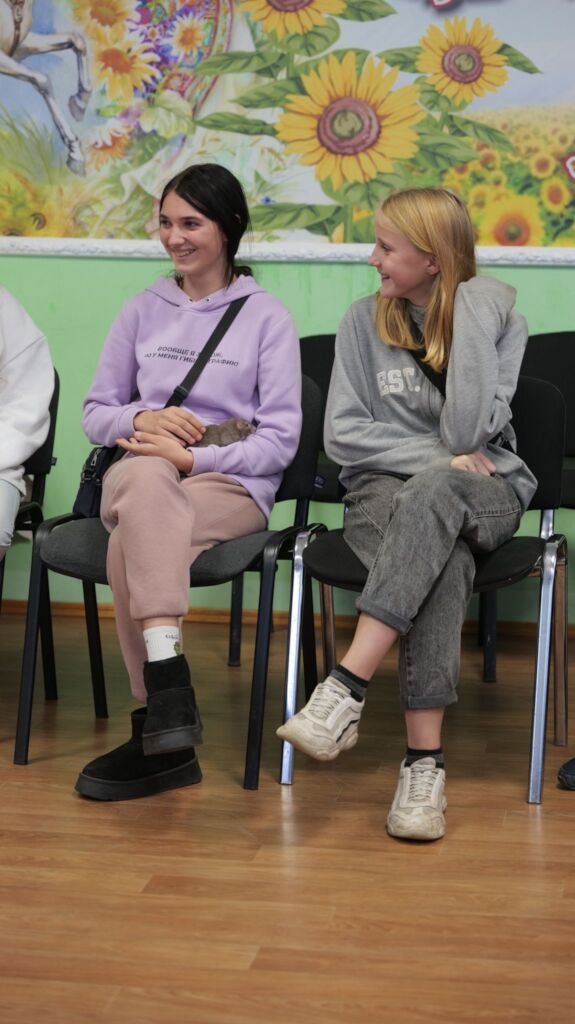
We worked with two main groups of beneficiaries: children at a boarding school in Stara Basan, Chernihiv Oblast, and our regular groups in Kyiv. In Stara Basan, we engaged approximately 30 children, many of whom face educational challenges and belong to vulnerable groups. In Kyiv, we supported children from diverse backgrounds, including internally displaced persons (IDPs), orphans, and those from disadvantaged families.
Our program included psychological support, career orientation, and material assistance, all designed to empower children with the skills and knowledge needed for personal and professional growth. We also provided nutritional support to ensure that participants could fully engage in the program without facing additional hardships.
Participant Breakdown and Group Structure:
A total of 60 children participated in the program, divided into three groups based on their residential areas. The social status of the participants is distributed as follows:
- 28% - Internally Displaced Persons (IDPs)
- 21% - Families in Difficult Circumstances (FDC)
- 16% - Children from large families
- 16% - Children from families of deceased soldiers
- 18% - Children under guardianship
Approximately 10% of participants include children who have experienced domestic violence, children with disabilities, and children raised by single parents.
Demographics:
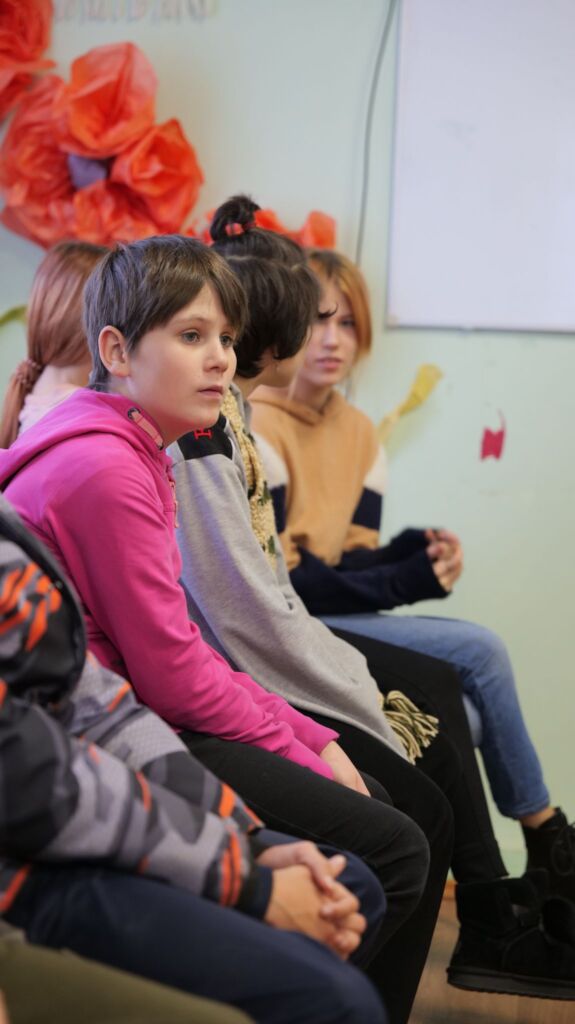
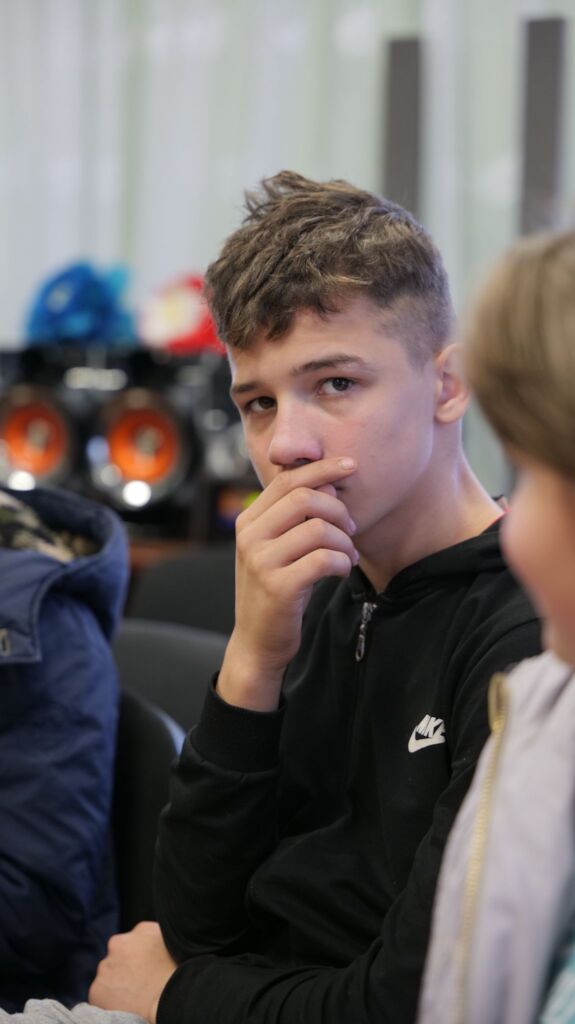
The program actively engaged children aged 12 to 19 years. Of these, 18 participants were older than 16, while the remainder were between 12 and 15 years old.
Activities Conducted:
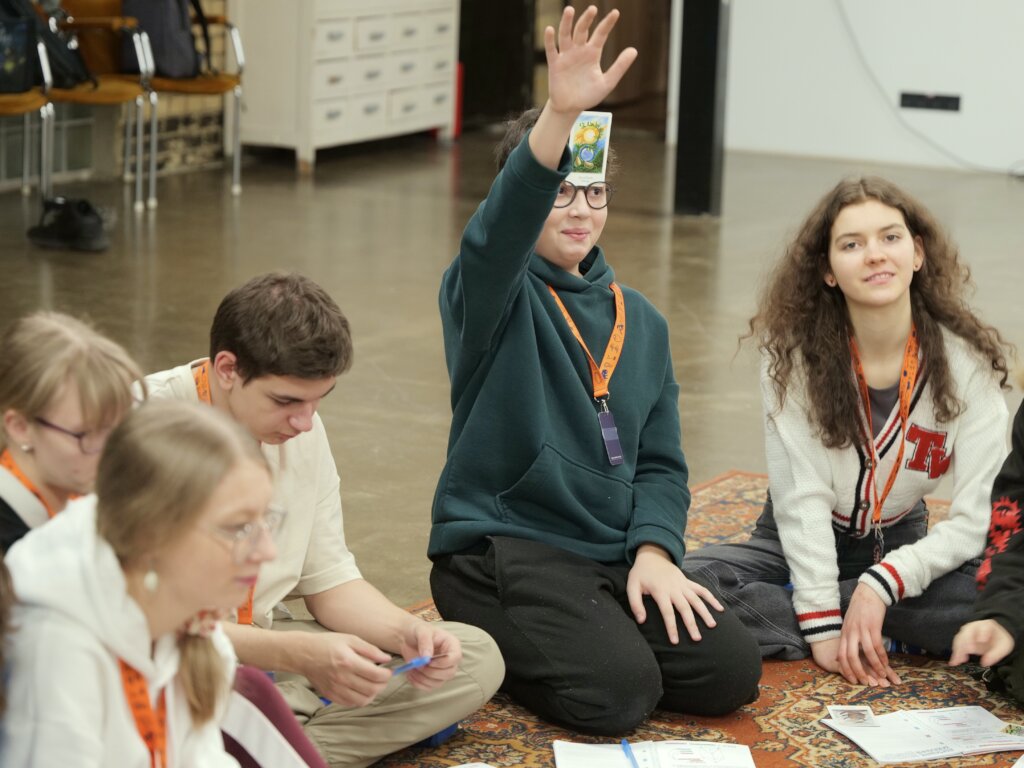
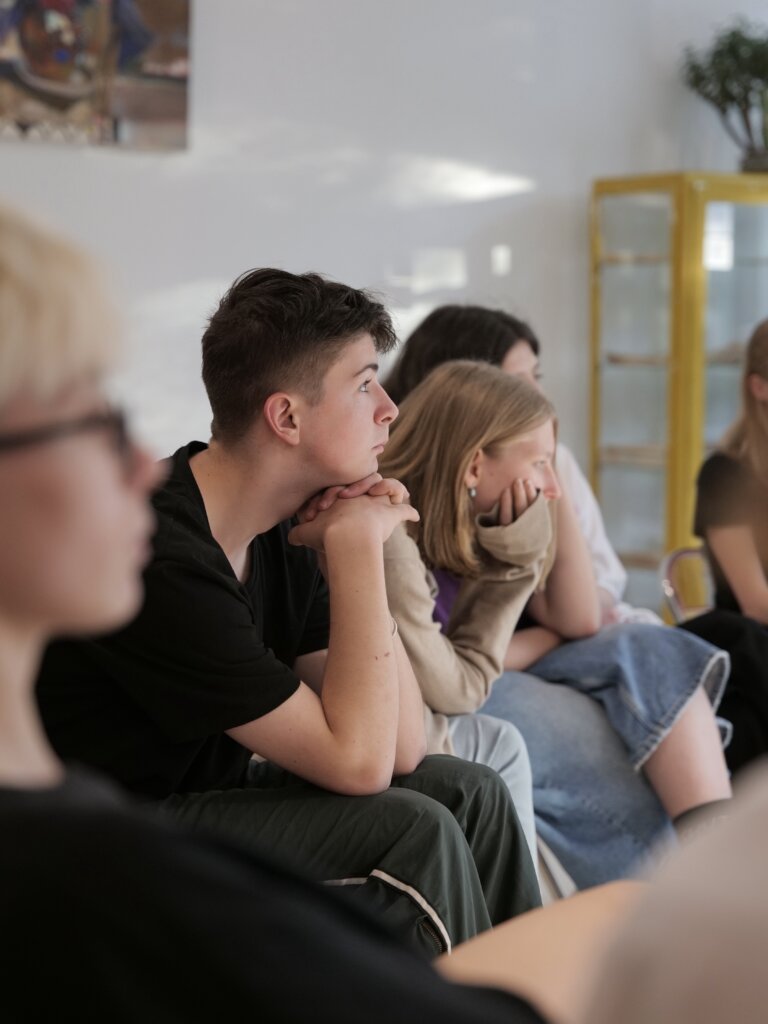
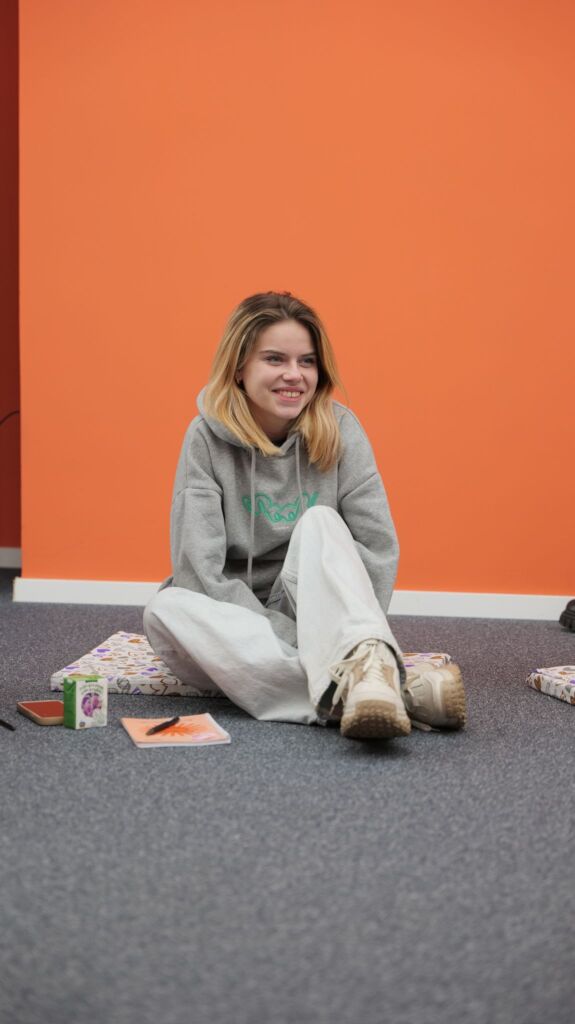
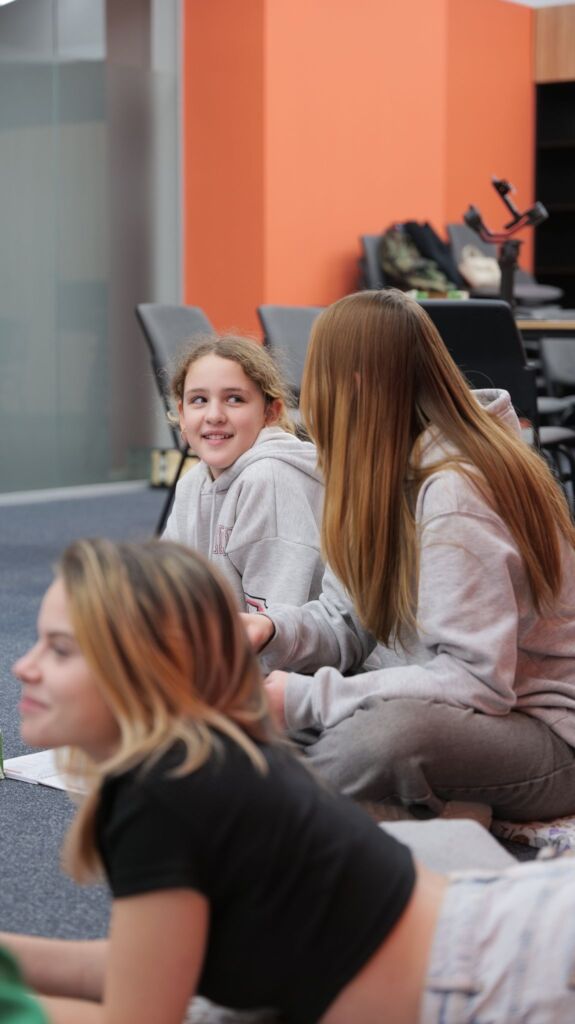
During the reporting period, we held 60 sessions, 20 per group. The sessions were designed to develop emotional resilience, stress management, self-regulation, and conflict-free communication skills. A key component of our sessions was a motivational system in which children earned special points (“chances”) for active participation and completing homework assignments. These points could be redeemed for additional bonuses, such as recreational activities, gifts, and other rewards.
To reinforce learning outcomes, we incorporated homework assignments designed to help children better understand the material and apply the acquired knowledge in their daily lives. The program also included:
Psychological Education:
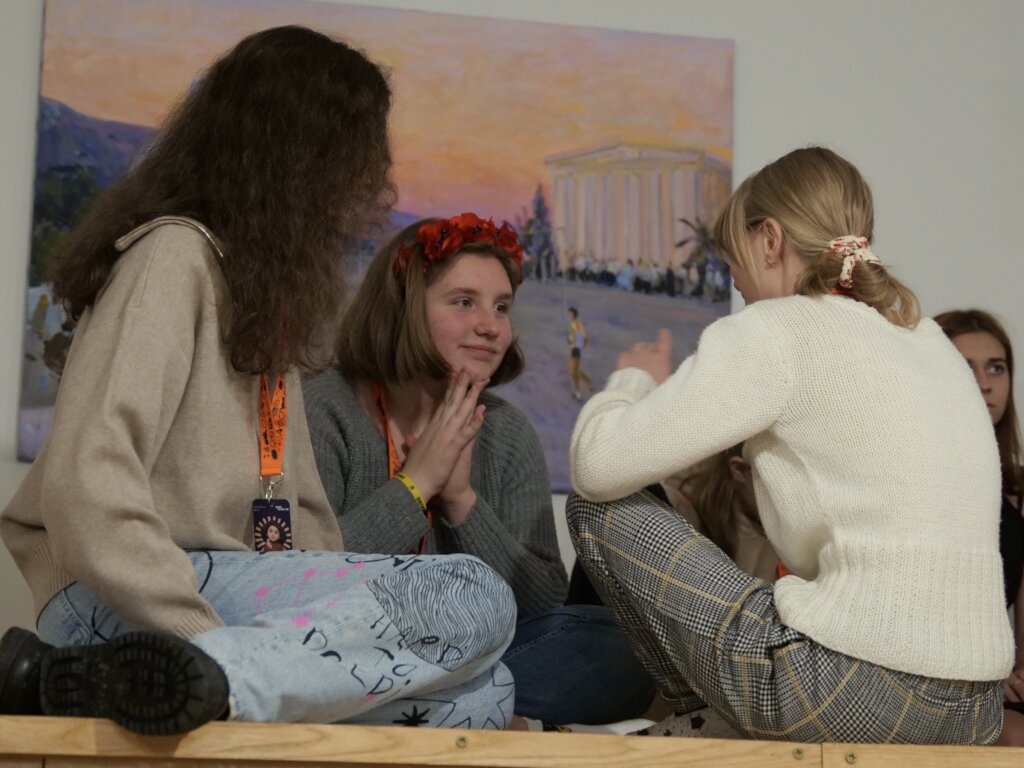
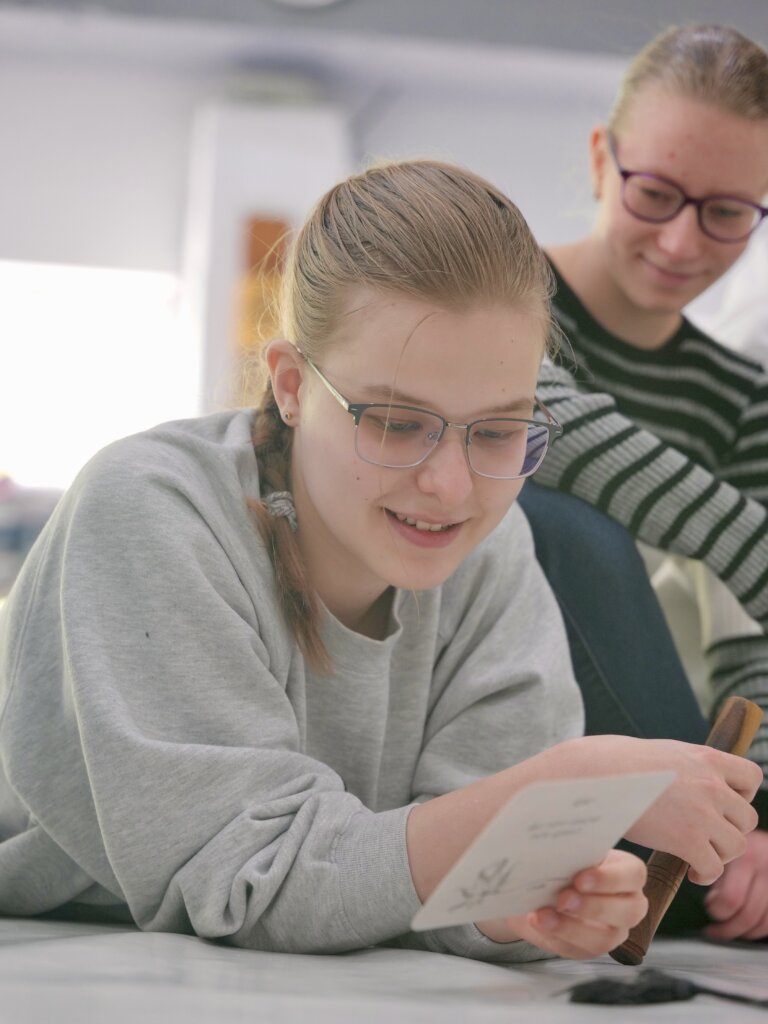
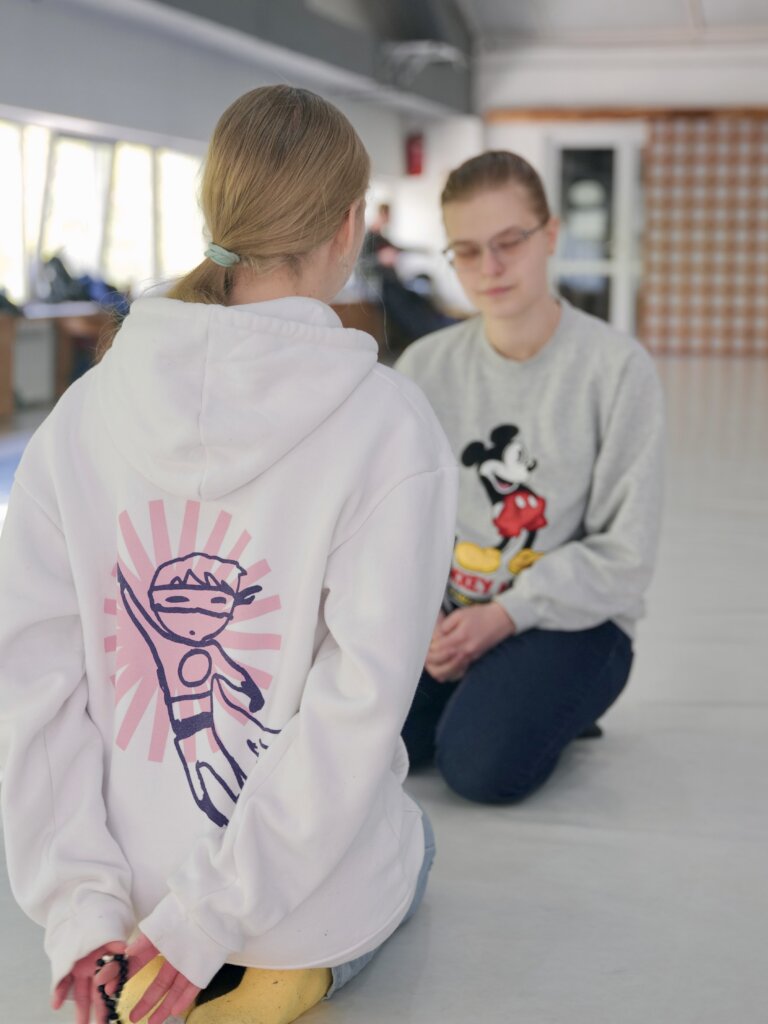
We conducted both lecture-based and practical sessions using our proprietary methodology of non-formal psychological education. Our approach is based on a specially designed workbook that helps children better understand their emotions, manage stress, and resolve conflicts peacefully. These sessions were led by professional psychologists and aimed to improve emotional well-being, self-esteem, and social skills.
Career Guidance:
In collaboration with various companies from sectors such as IT, retail, small business, and more, we organized three career orientation events. These events allowed children to explore different professions, gain insights into various career paths, and make informed decisions about their future. By partnering with businesses, we provided participants with real-world exposure to diverse industries, helping them identify their interests and strengths.
Cultural and Recreational Activities:
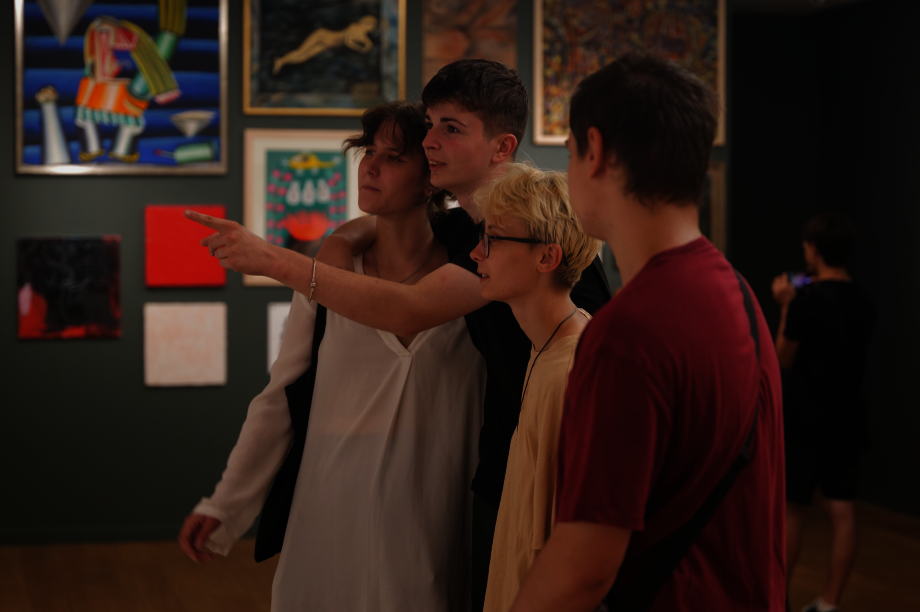
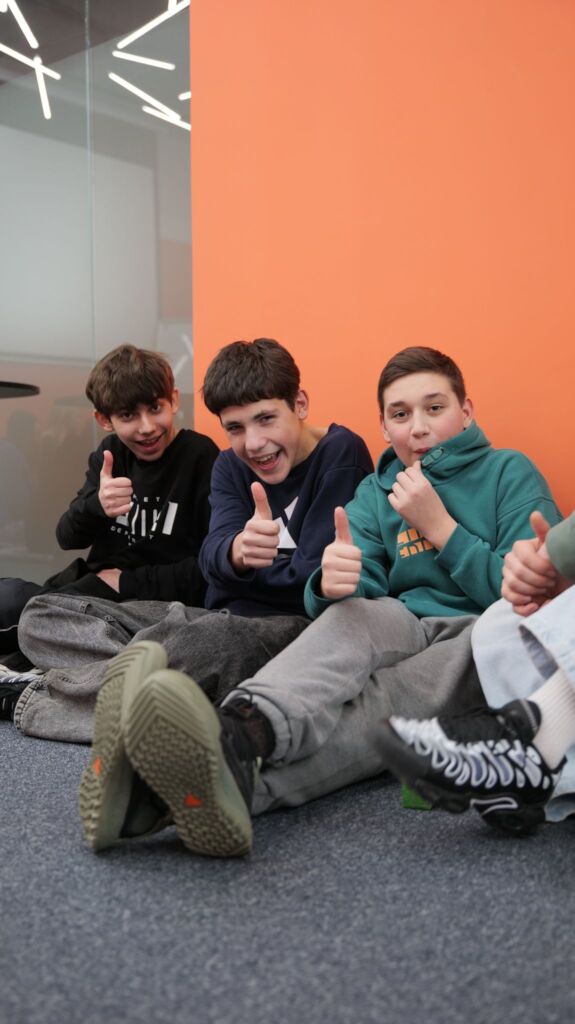
To promote social integration and provide a break from daily challenges, we organized cultural and recreational activities, including trips to the cinema, roller skating rinks, climbing gyms, and local cafes. These activities not only offered fun and relaxation but also helped children build social connections and develop teamwork skills.
Nutritional and Material Support:
To ensure the well-being of participants, we provided nutritious snacks during each session, allowing children to recharge and continue their activities with energy. Over the reporting period, we served a total of 1,200 snacks. Additionally, during longer weekend sessions (one per week for each group), we organized hot lunches, serving 120 meals. We also distributed essential school supplies, including backpacks, stationery, and clothing, to support the children’s educational needs.
Gender Equality and Inclusion:
The program ensured equal participation for girls and boys, focusing on breaking gender stereotypes. Career guidance sessions encouraged girls to explore non-traditional career paths, promoting gender equality. We also prioritized the inclusion of marginalized groups, such as IDPs, children with disabilities, and ethnic minorities, ensuring they had equal access to all program components.
Expected Outcomes:
The program achieved the following results:
- Quantitative Results:
- 60 children received psychological education, career guidance, and psychological support.
- 3 career orientation events were conducted in collaboration with companies from various industries.
- 60 sessions (20 per group) were held, combining psychological education and practical activities.
- Cultural and recreational activities were organized to promote social integration.
- 1,200 snacks and 120 hot lunches were provided to ensure proper nutrition.
- Qualitative Results:
- Improved emotional resilience and stress management skills among participants.
- Enhanced psychological well-being and self-esteem.
- Increased awareness of career opportunities and better-informed career choices.
- Strengthened social integration and reduced isolation among vulnerable children.
- Short-Term Results:
- Children gained a better understanding of basic psychology and learned to manage their emotions effectively.
- Participants received career guidance, helping them make informed decisions about their future education and career paths.
- Basic material needs (school supplies, clothing) and balanced nutrition were provided to children from low-income families.
- Long-Term Results:
- Improved life prospects for children through better psychological preparation, stress resilience, and career orientation.
- Reduced social tension and conflicts among youth by fostering tolerance and non-violent conflict resolution skills.
- Increased rates of children continuing their education after school and improved employment prospects.
- Development of socially active and conscious citizens who understand the principles of tolerance, civic responsibility, and social justice.
Acknowledgment:
We are deeply grateful for your invaluable support, which enabled us to launch and successfully implement this critical phase of our program. Thanks to your contributions, we significantly improved the lives of children from vulnerable groups, fostering their social, psychological, and emotional development. We remain committed to responsibly utilizing funds and providing detailed updates on program progress.
Thank you for your continued support!
Areas of Implementation:
The program was implemented in Kyiv and Kyiv Oblast, with specific activities conducted in Stara Basan, Chernihiv Oblast, and several colleges in Kyiv.
Partners and Stakeholders:
The program collaborated with social centers, social services, educational institutions, government bodies, non-governmental organizations, psychological centers, and recreational centers to ensure comprehensive support for the participants.
.
Project reports on GlobalGiving are posted directly to globalgiving.org by Project Leaders as they are completed, generally every 3-4 months. To protect the integrity of these documents, GlobalGiving does not alter them; therefore you may find some language or formatting issues.
If you donate to this project or have donated to this project, you can receive an email when this project posts a report. You can also subscribe for reports without donating.



Support this important cause by creating a personalized fundraising page.
Start a Fundraiser