By Anastasiia Krasovska | Fundraiser
Semester Highlights: Education, Research, and Community
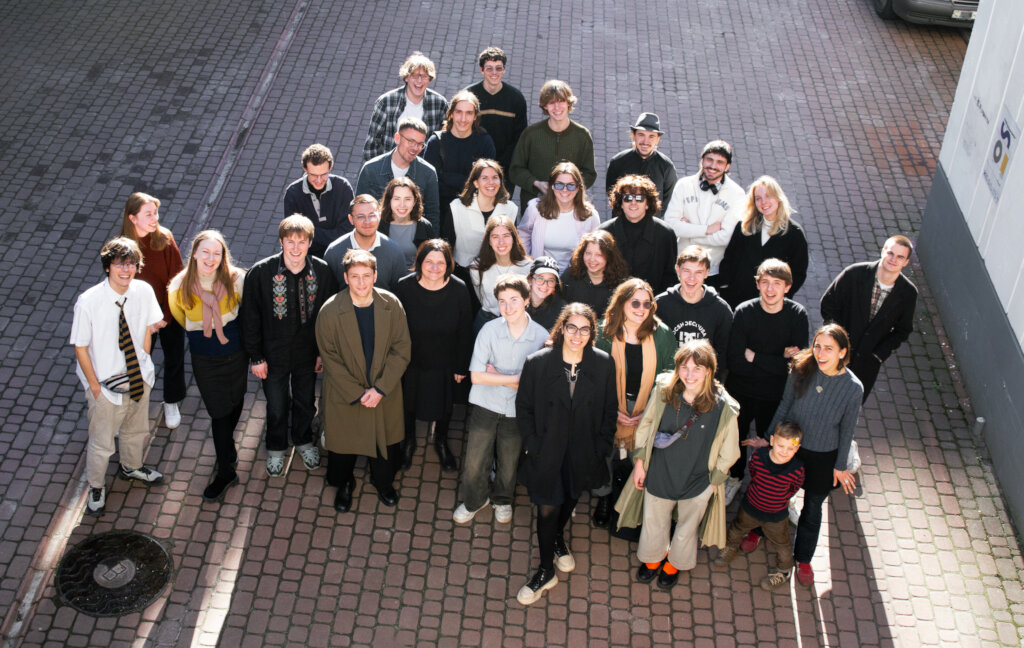
This semester marked a period of intensive work, international collaboration, and stronger engagement with the professional community for the Kharkiv School of Architecture. Despite the challenges of wartime, we continue to create a space where students shape the future of Ukraine, explore new approaches to recovery, and contribute to an international professional dialogue.
Education and Student Projects
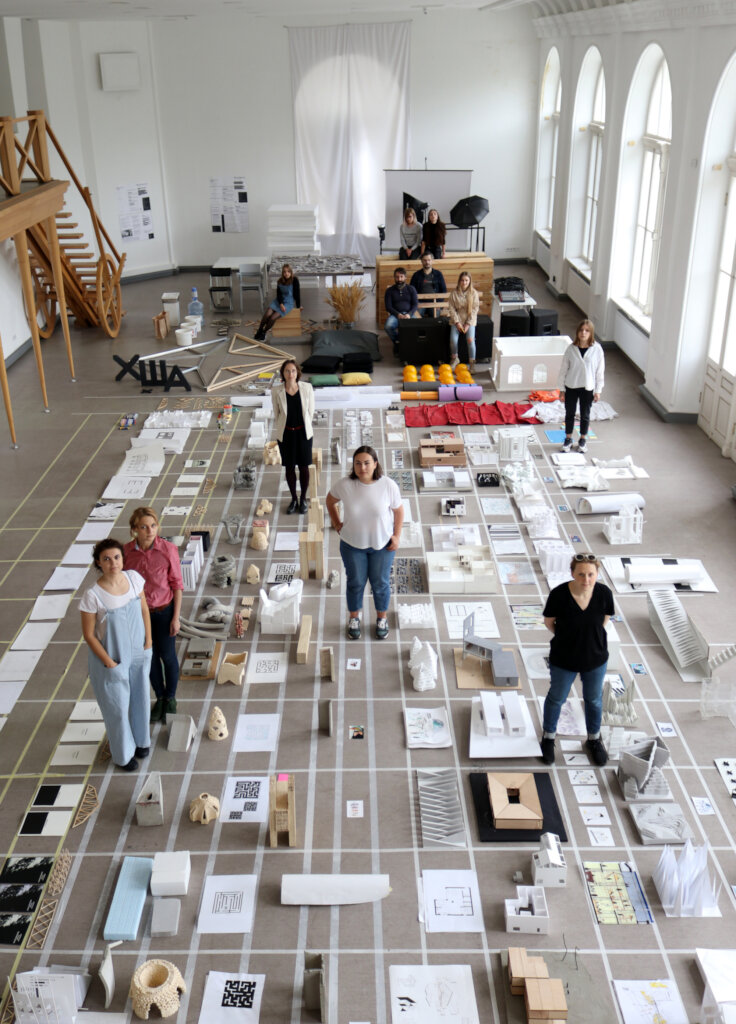
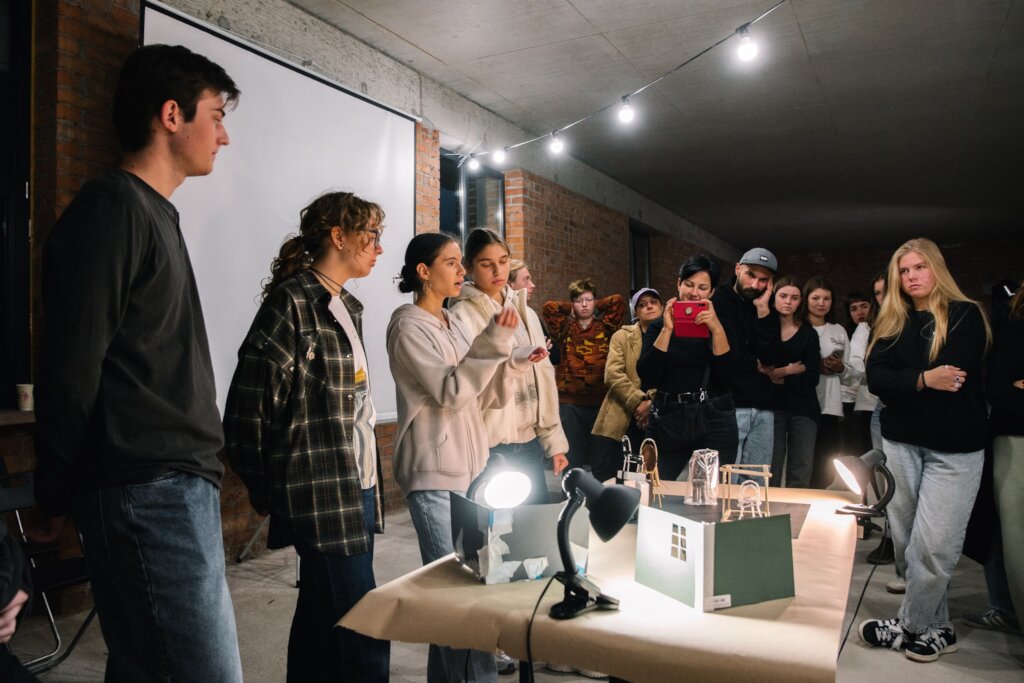
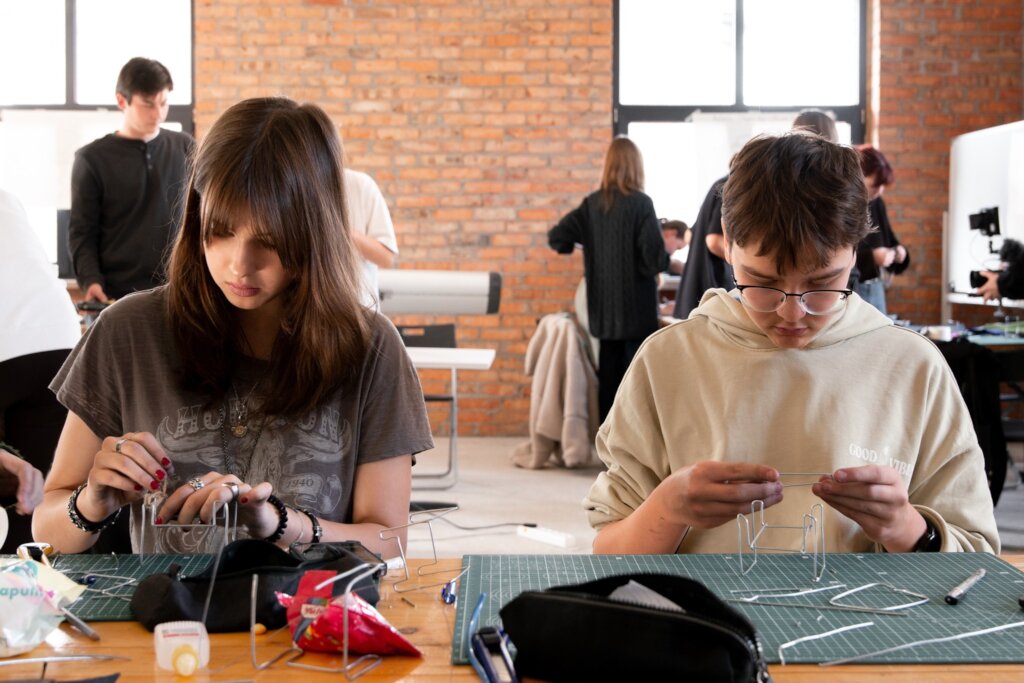
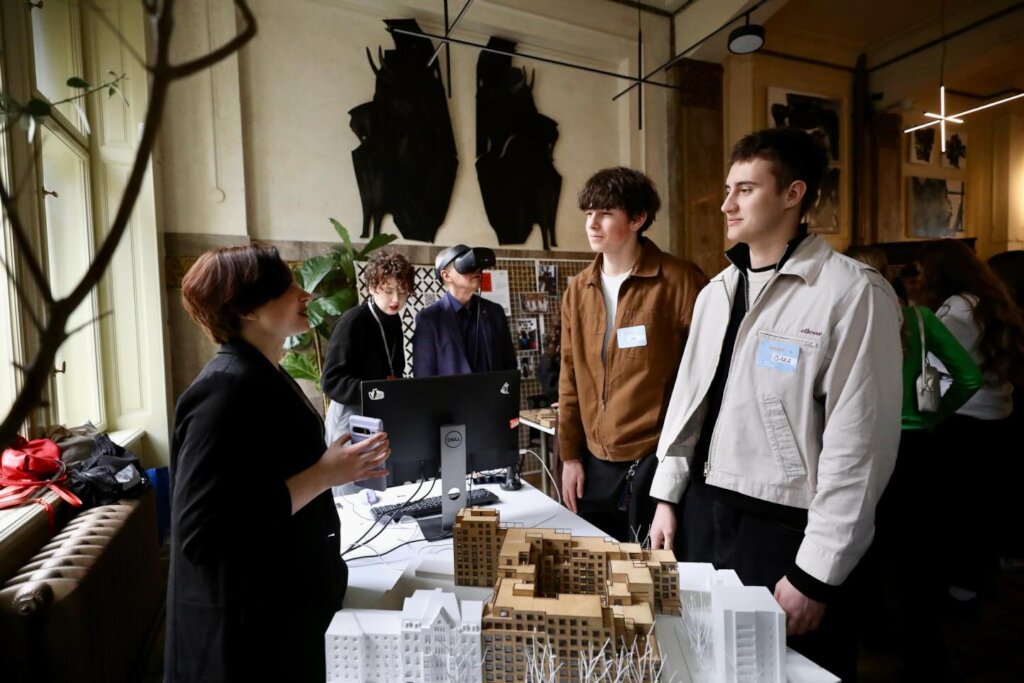
Throughout the semester, students from all years presented the outcomes of their work during final studio reviews. First-year students completed their first journey from observation to architectural design through the sequence “photograph → space → pavilion.” Second-year students developed a visitor center project for Lychakiv Cemetery, balancing historical context with contemporary visitor needs. Third-year students worked at the urban scale for the first time, exploring the future of Stebnyk through engagement with the local community. The Master’s program focused on Kharkiv, examining questions of recovery and urban development across four scales — from the bioregion to the individual dwelling.
International Collaboration and Recovery
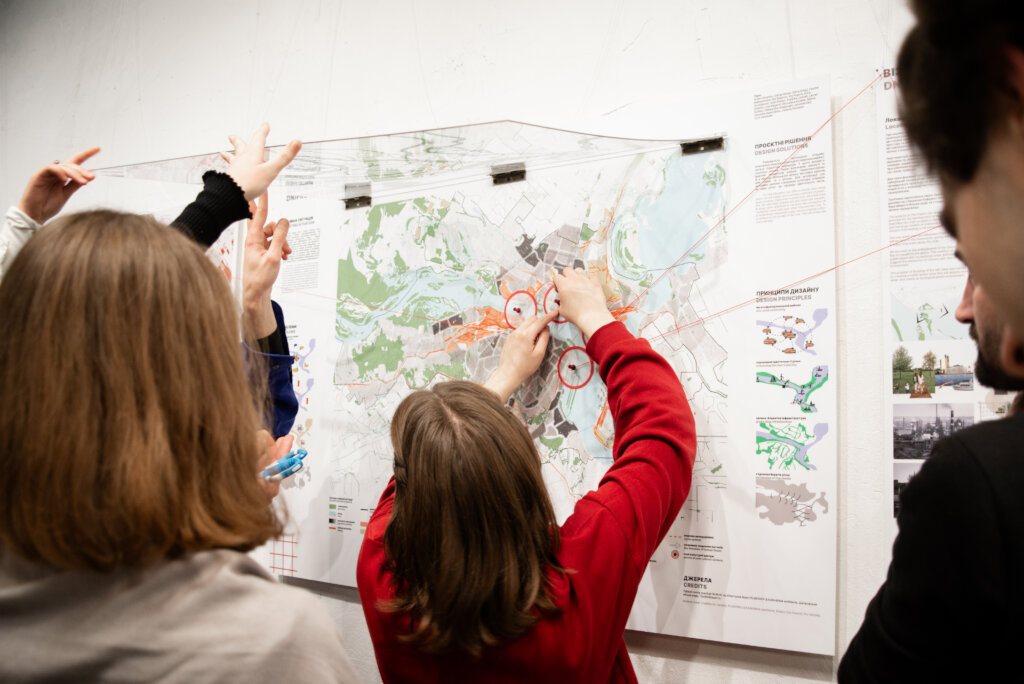
A major highlight of the semester was Building Back Better, an international workshop that serves as a pilot version of KSA’s new Master’s program. For the third consecutive year, this initiative has brought together students and faculty from Ukraine and abroad around the topic of rebuilding Ukrainian cities. This year, teams worked simultaneously in Lviv and Warsaw, exploring challenges and opportunities for the future development of Kharkiv in the context of war and post-war recovery.
Ukrainian Architecture in the International Context
This semester, the work of the Kharkiv School of Architecture was presented on the international stage. The School participated in the exhibition Heritage in Resistance: From Timbuktu to Odesa at the Cité de l’architecture et du patrimoine in Paris. As part of the exhibition, KSA presented Odesa: Topographies of Risk, a project developed through Building Back Better that explores the transformation of the concept of home during wartime.
The semester also marked the conclusion of UREHERIT, a three-year European-Ukrainian initiative dedicated to the role of cultural heritage in the sustainable recovery of Ukraine. The final conference provided a platform for discussing practical approaches to integrating heritage into reconstruction processes.
Youth Engagement and Community Development
Engaging young people and fostering a culture of responsibility toward the built environment remains a core part of KSA’s mission. This semester, we organized the annual competition Become an Architect, inviting high school students to explore the theme Spaces of Solitude. Participants competed for scholarships and gained their first experience in architectural thinking and design.
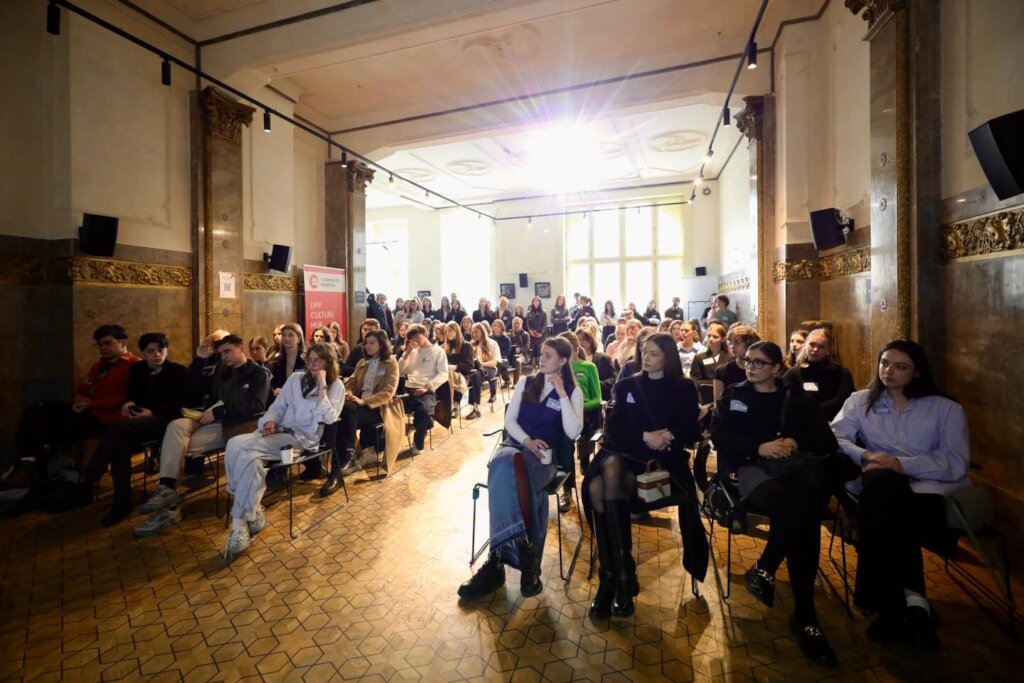
We also hosted ProSvit, an event for teenagers focused on career exploration and educational pathways. Public lectures by the international architecture practice CENTRALA and housing inclusion expert Natalia Yankovska brought together a broad audience interested in architecture, housing, and urban development.
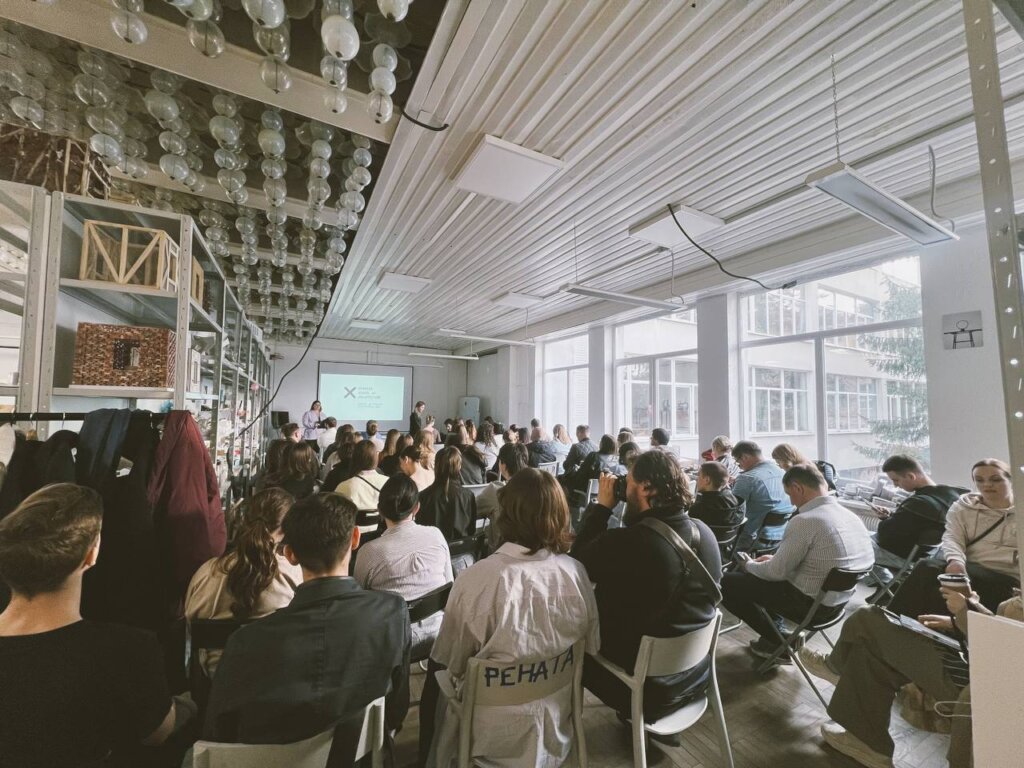
The semester concluded with the Career Fair, which connected students, architecture practices, and development companies through workshops, panel discussions, and networking opportunities. The event created a valuable platform for professional exchange and helped students better understand the realities of the contemporary job market.
Building the Future Together
All of these initiatives — from student projects and international exhibitions to educational programs for teenagers—have been made possible thanks to the community of people who support the Kharkiv School of Architecture. Together, we are not only educating a new generation of architects but also building an environment capable of responding to today’s challenges and contributing to Ukraine’s future.
Project reports on GlobalGiving are posted directly to globalgiving.org by Project Leaders as they are completed, generally every 3-4 months. To protect the integrity of these documents, GlobalGiving does not alter them; therefore you may find some language or formatting issues.
If you donate to this project or have donated to this project, you can receive an email when this project posts a report. You can also subscribe for reports without donating.



Support this important cause by creating a personalized fundraising page.
Start a Fundraiser