Overview of the Initiative
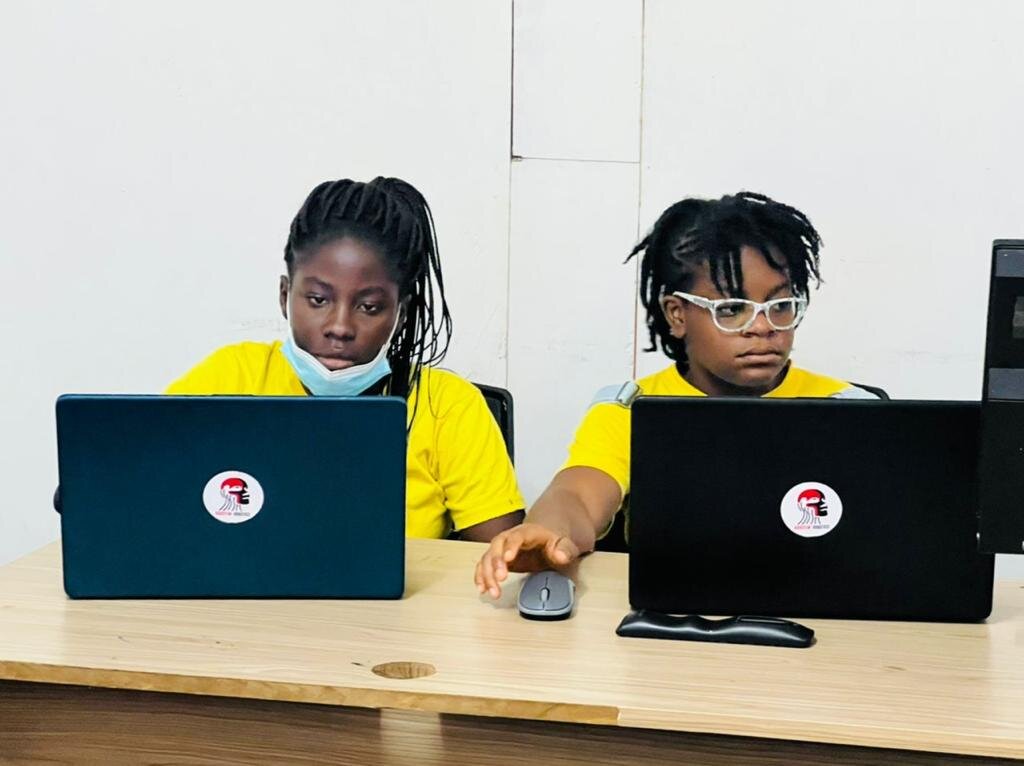
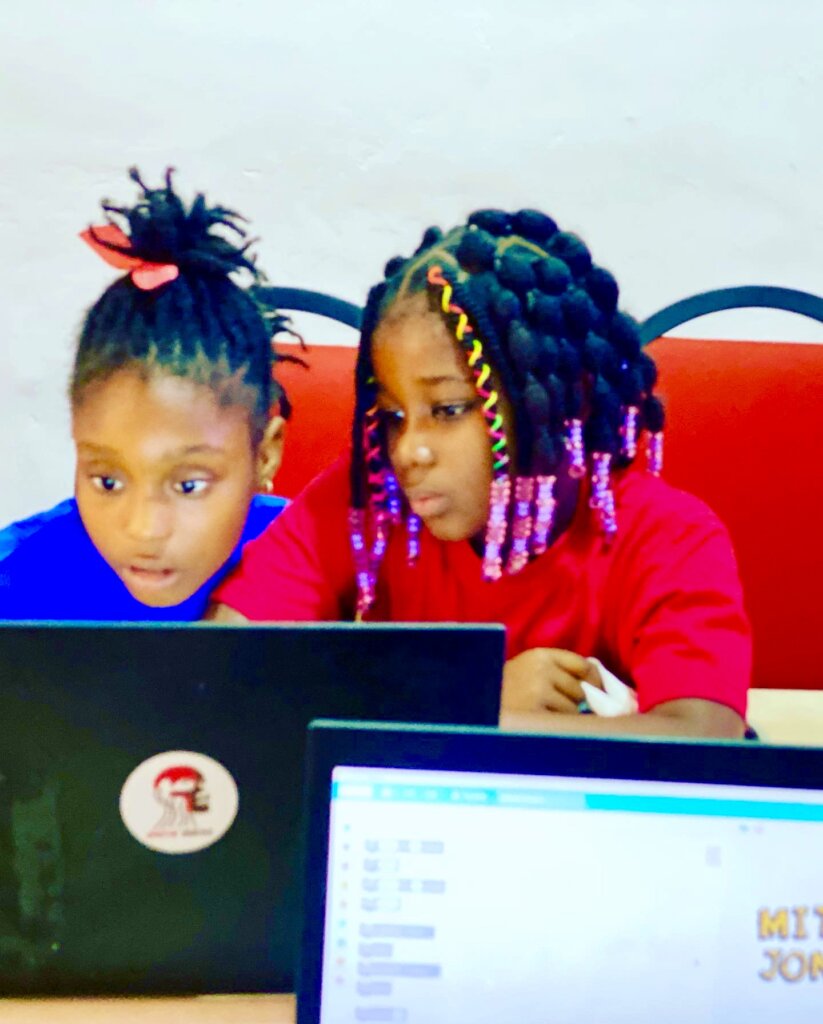
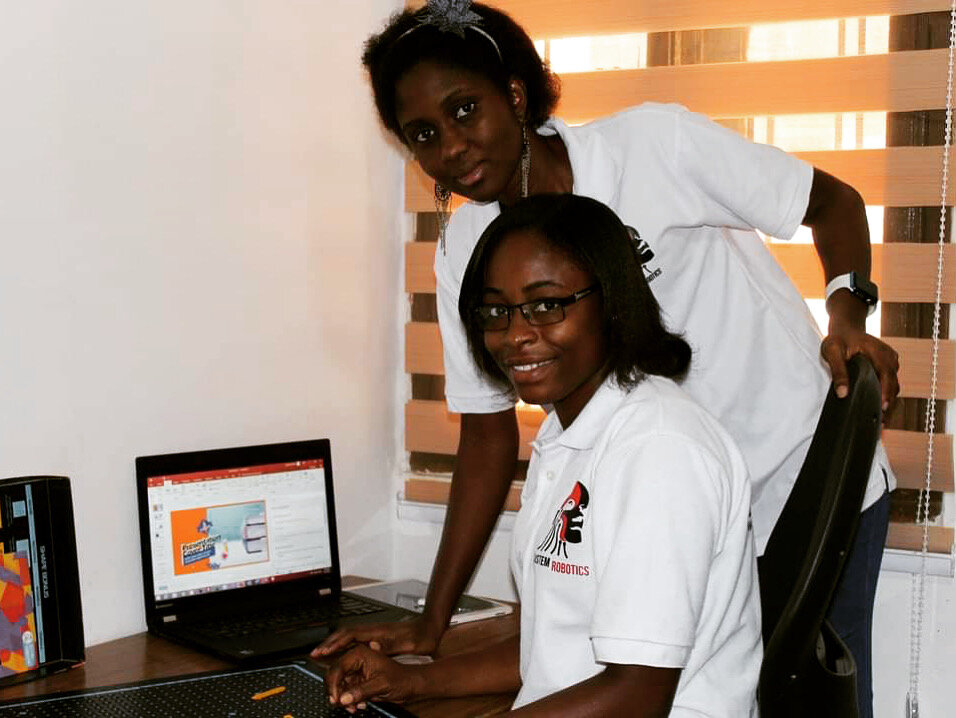
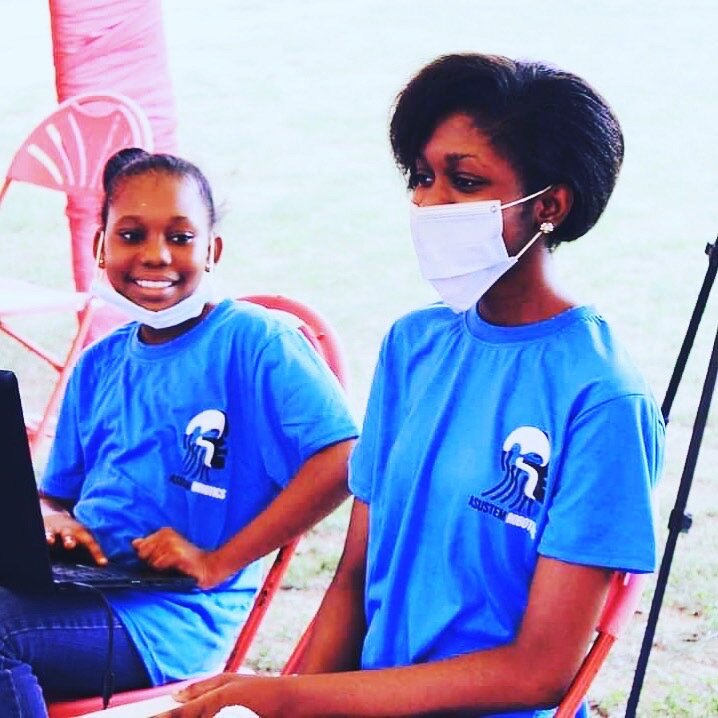
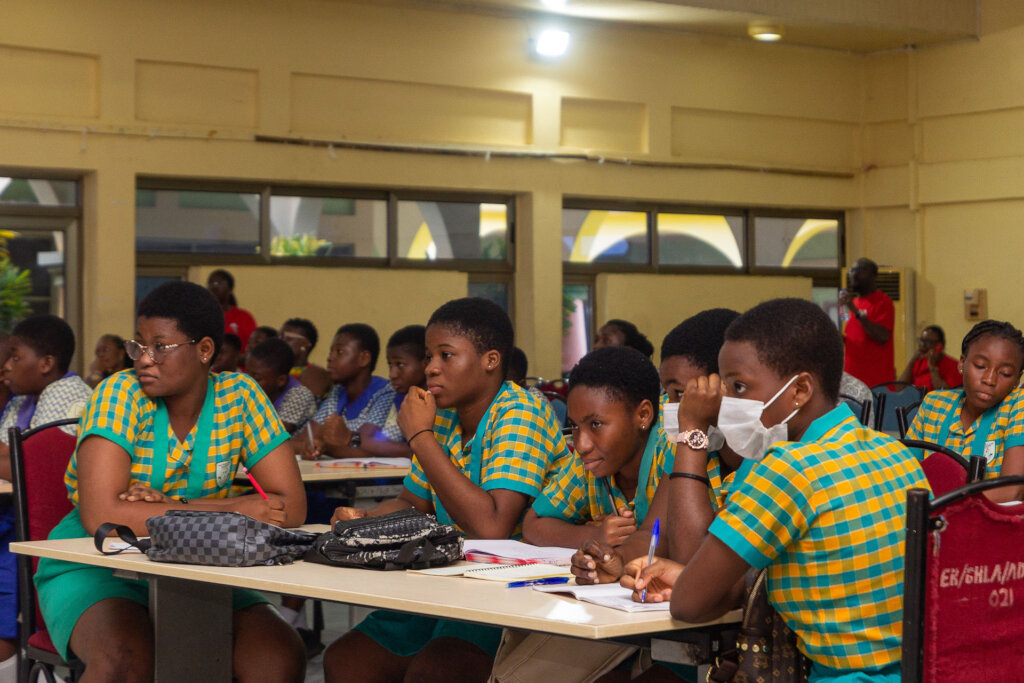
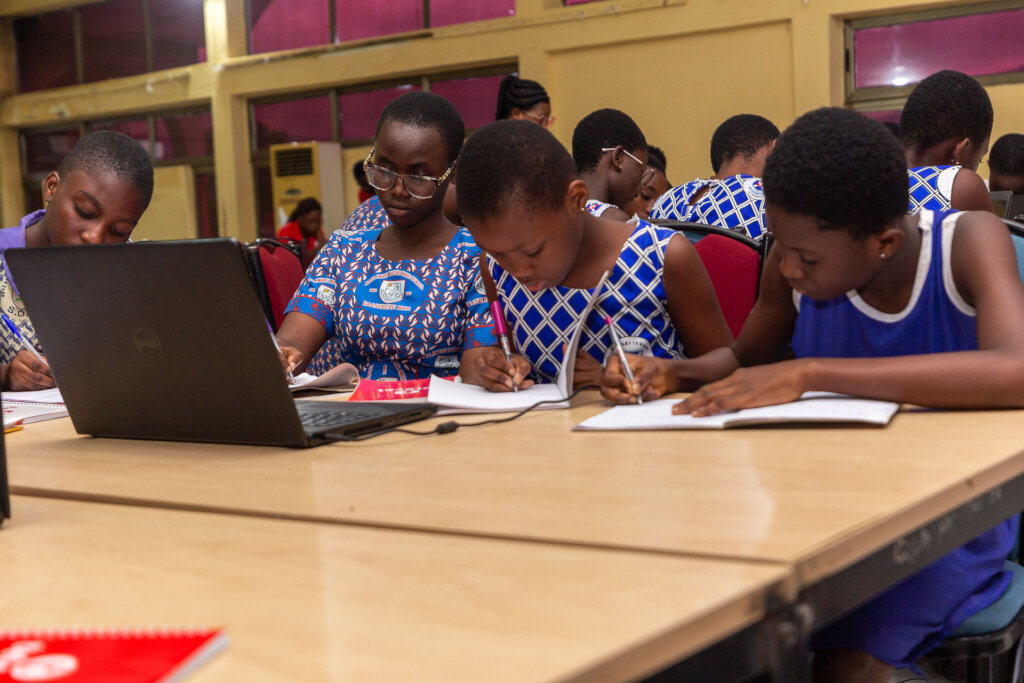
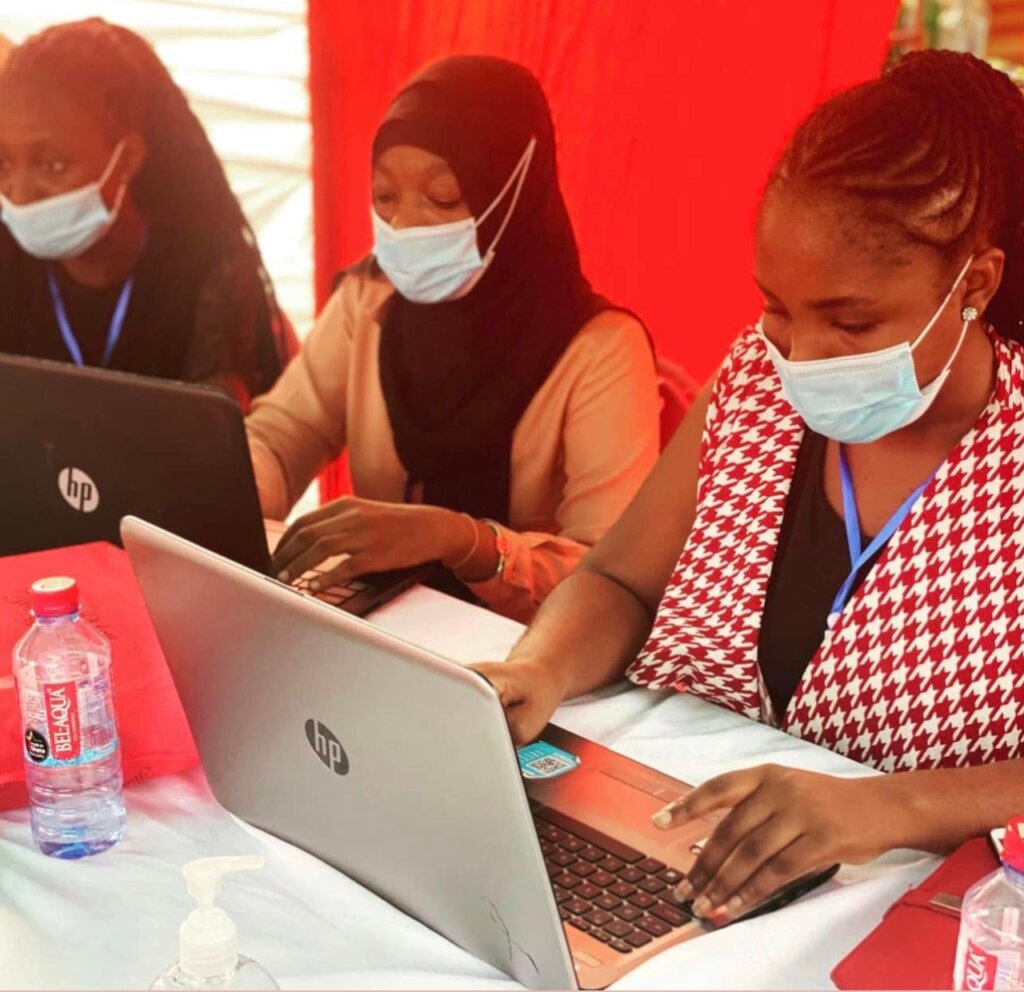
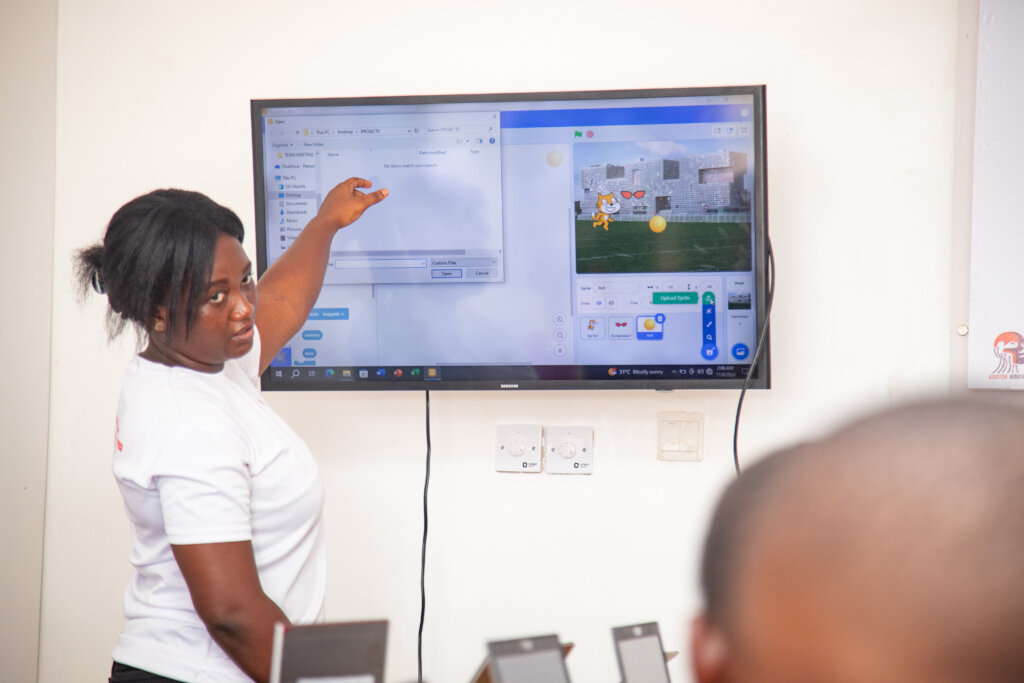
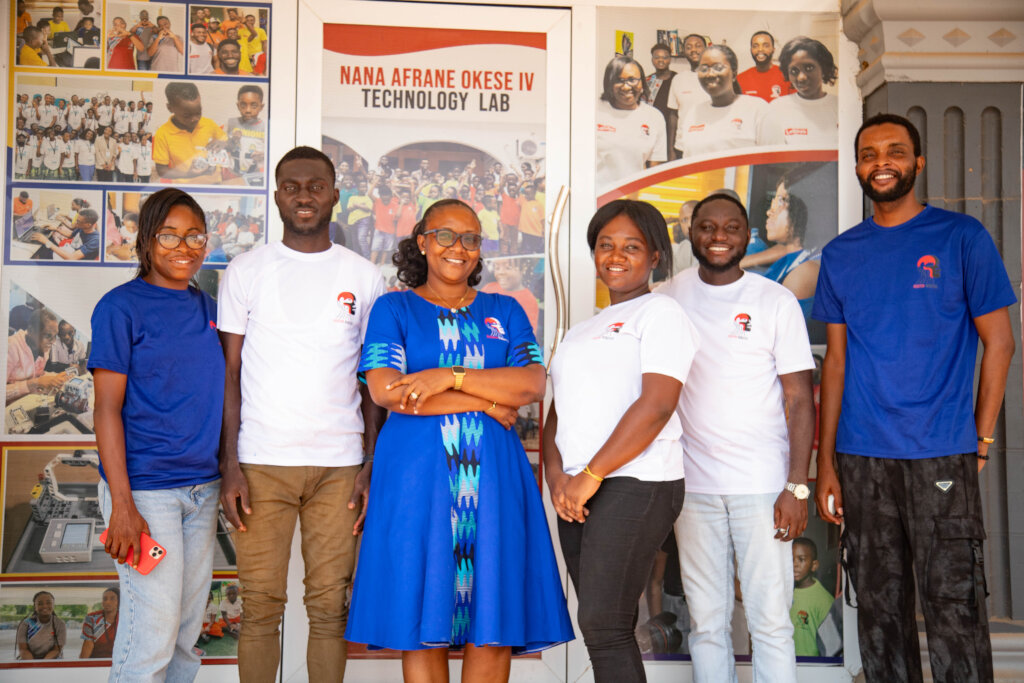
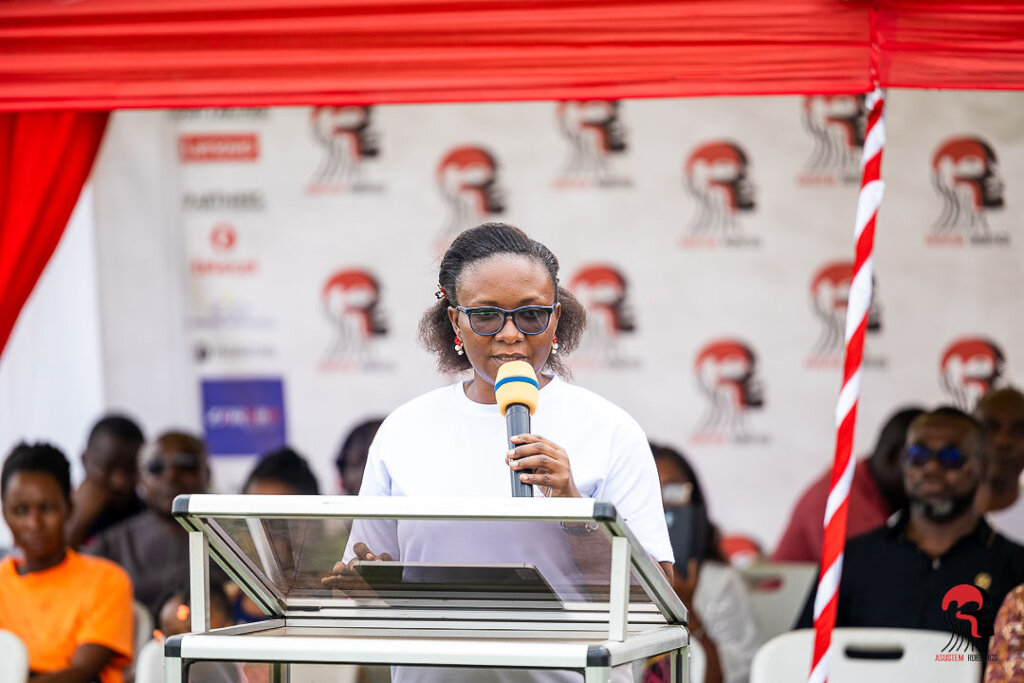
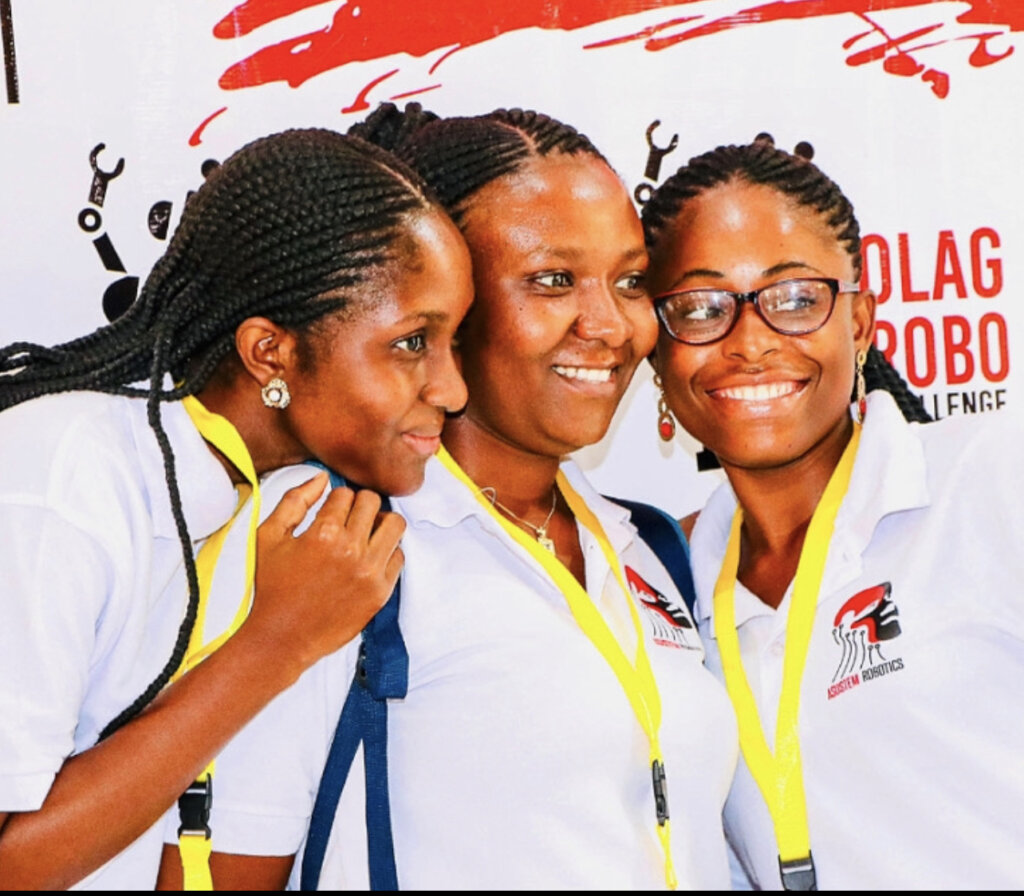
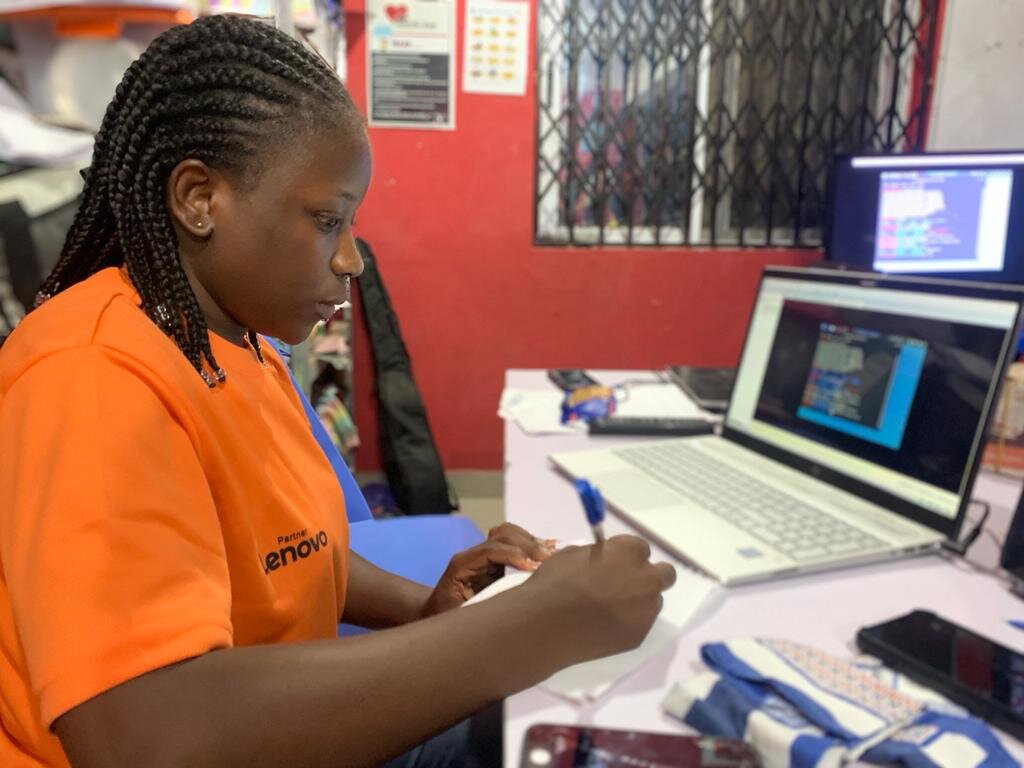
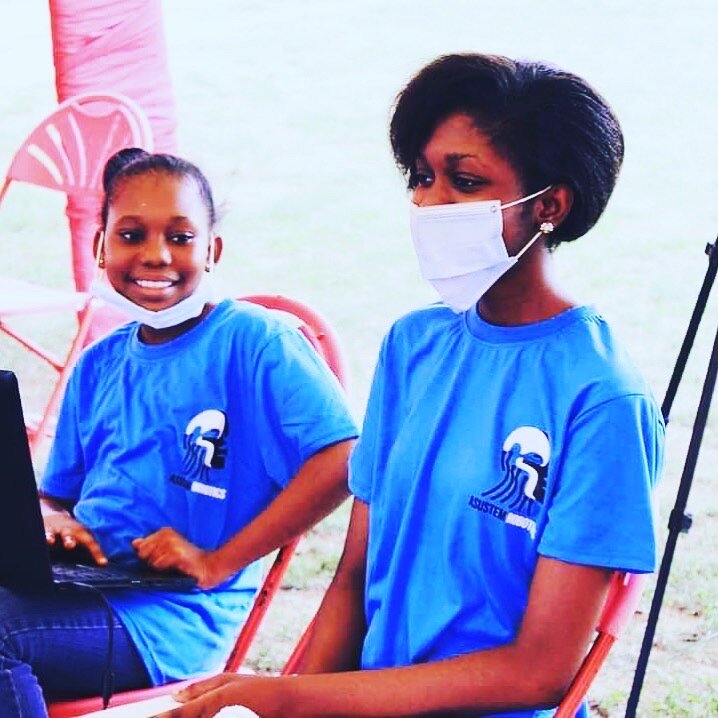
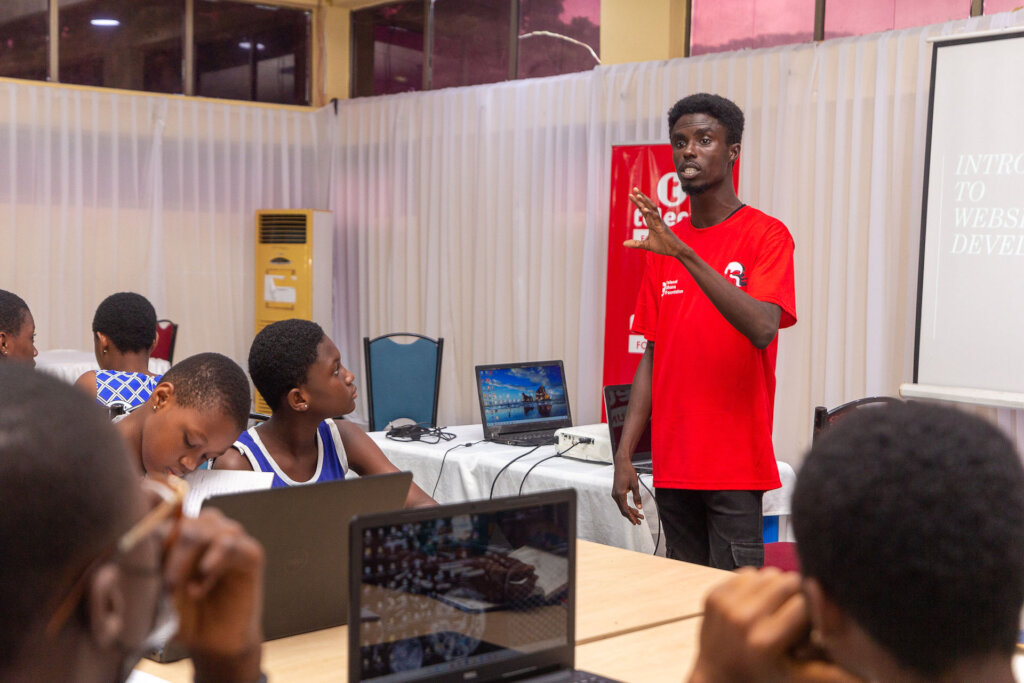
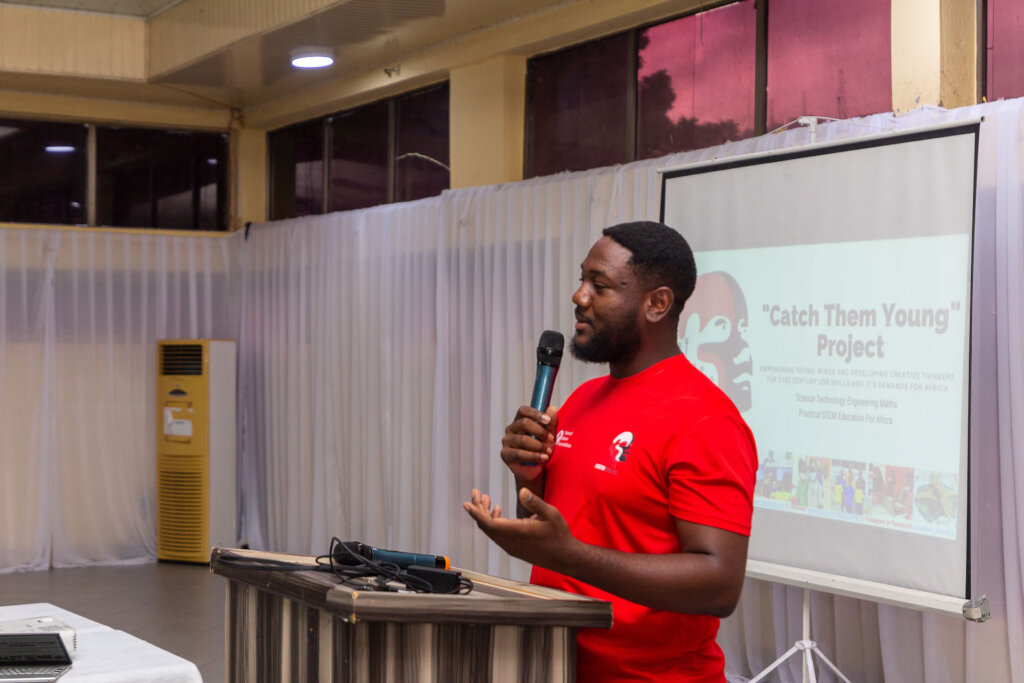
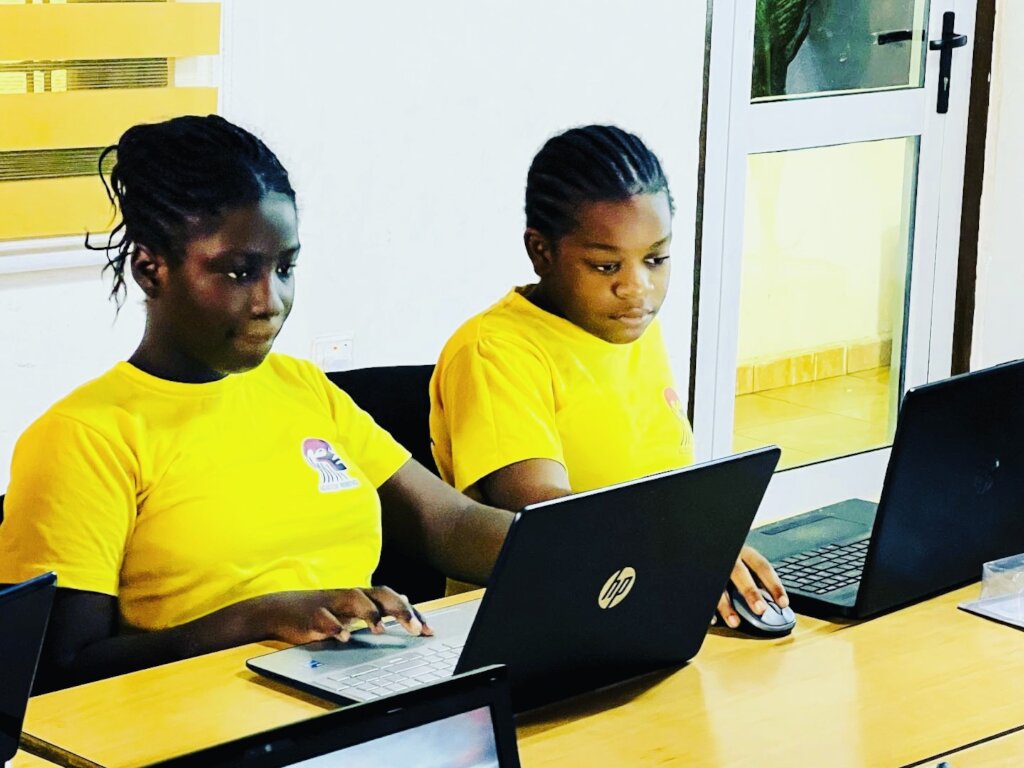
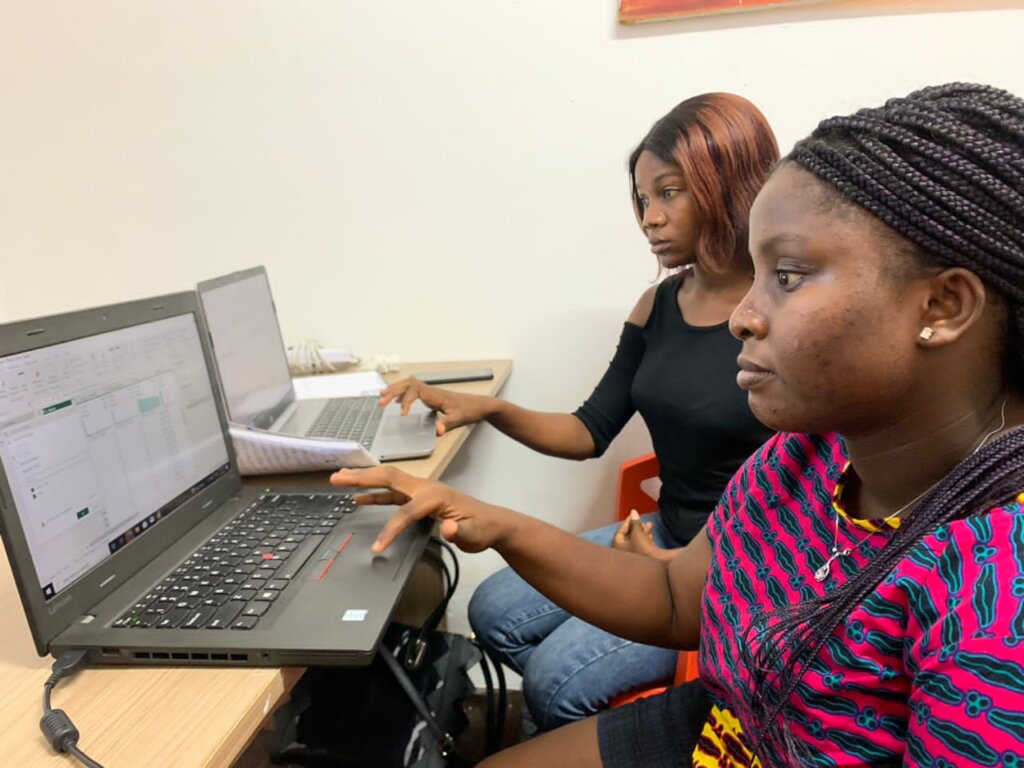
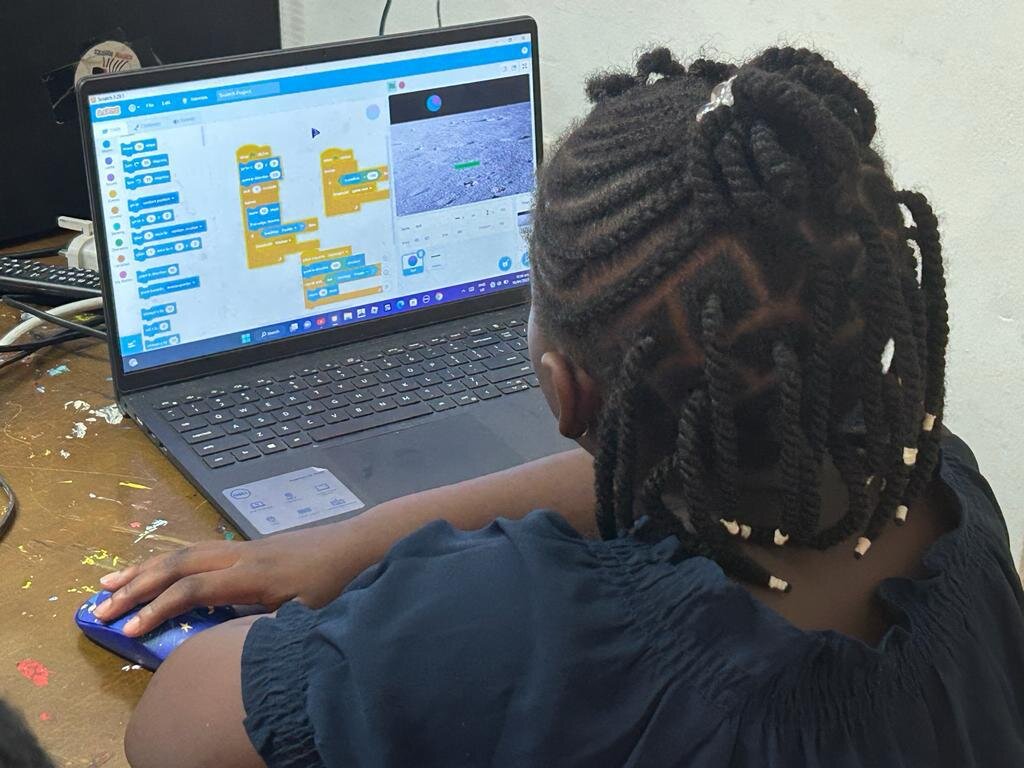
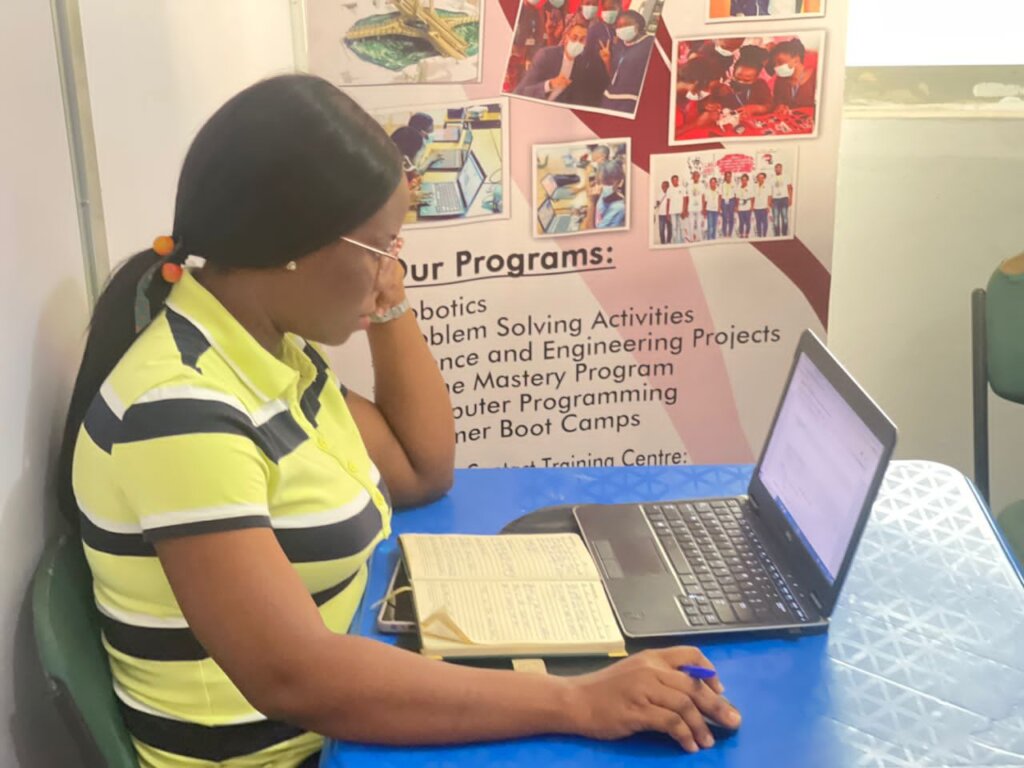
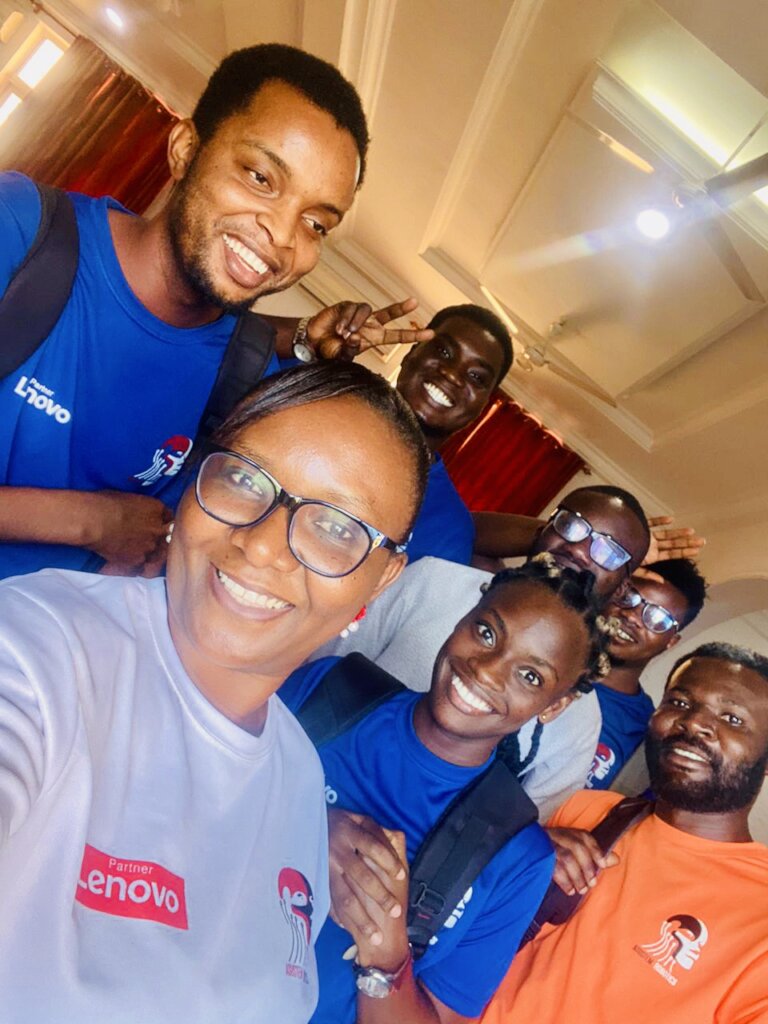
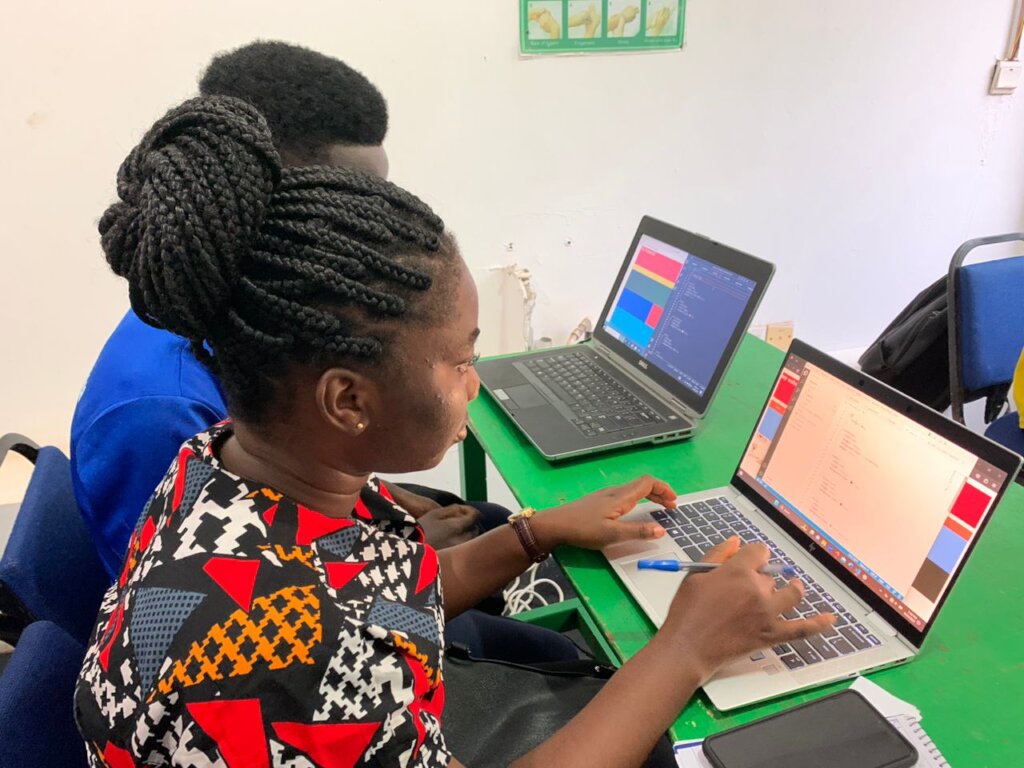
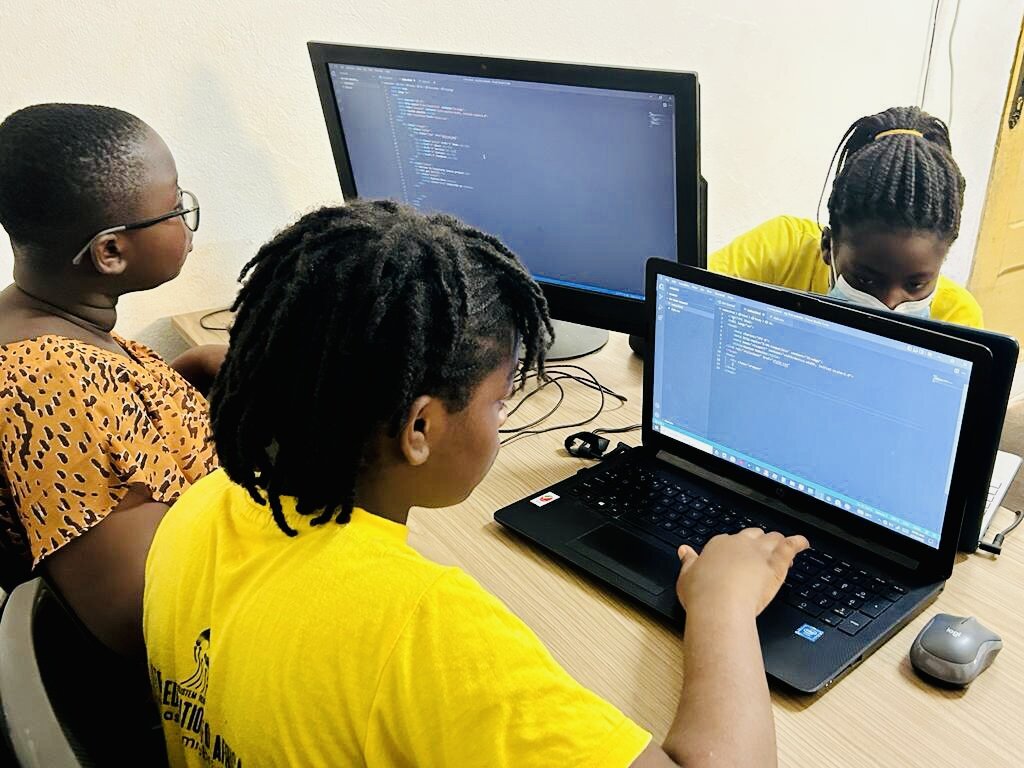
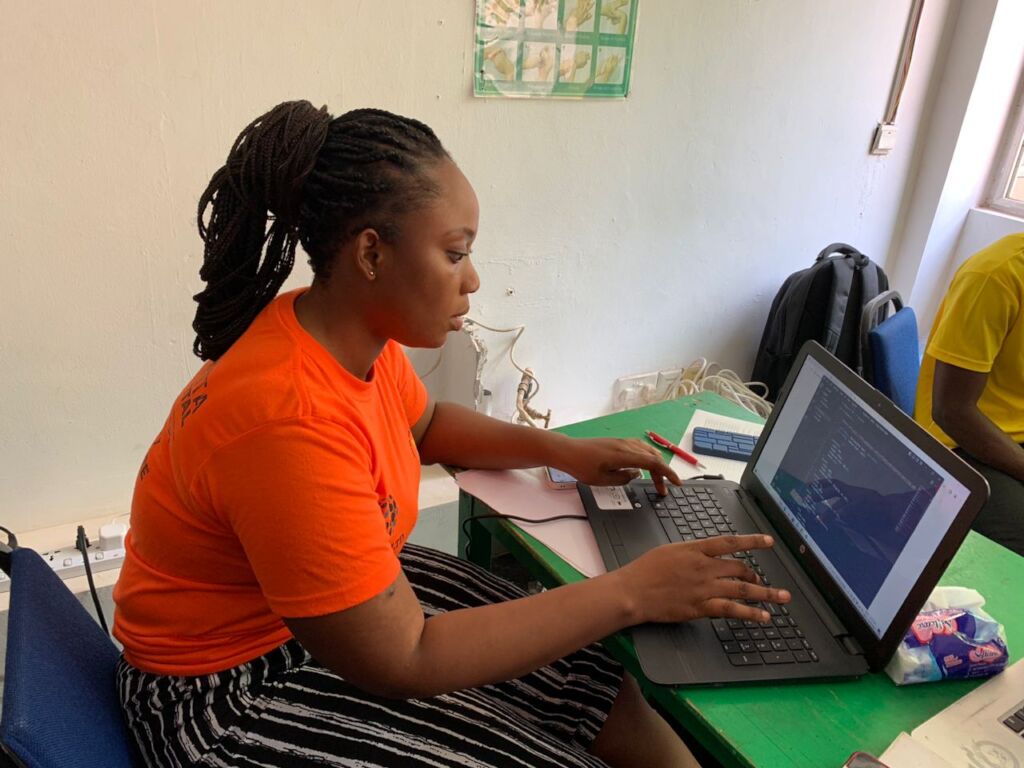
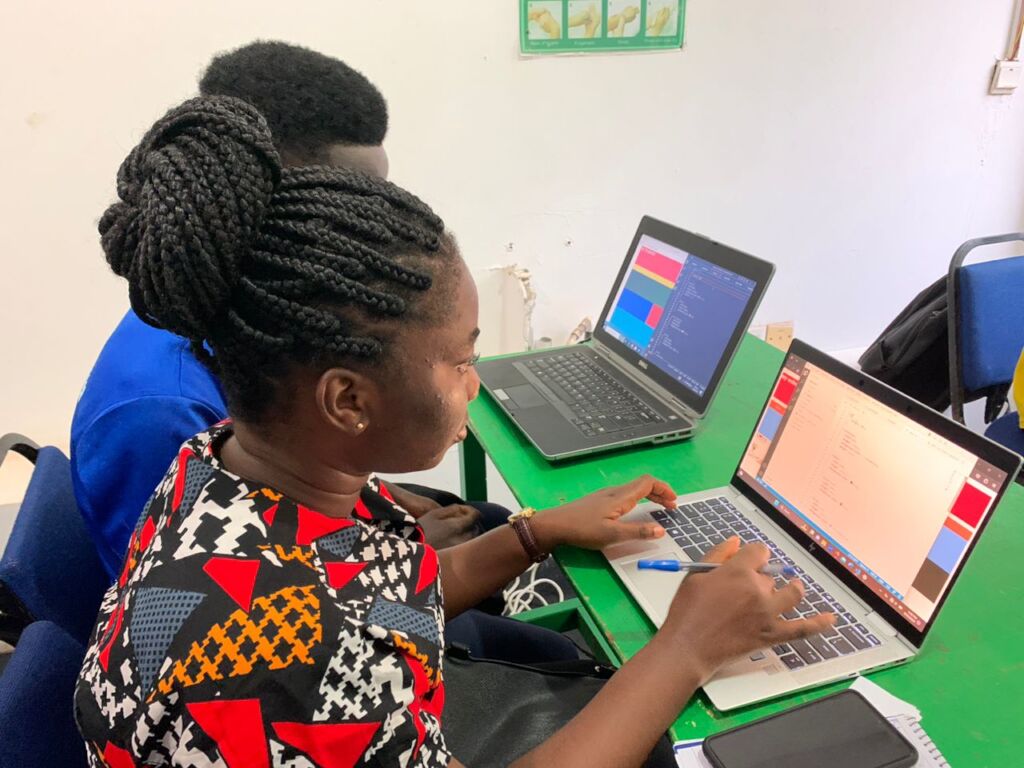
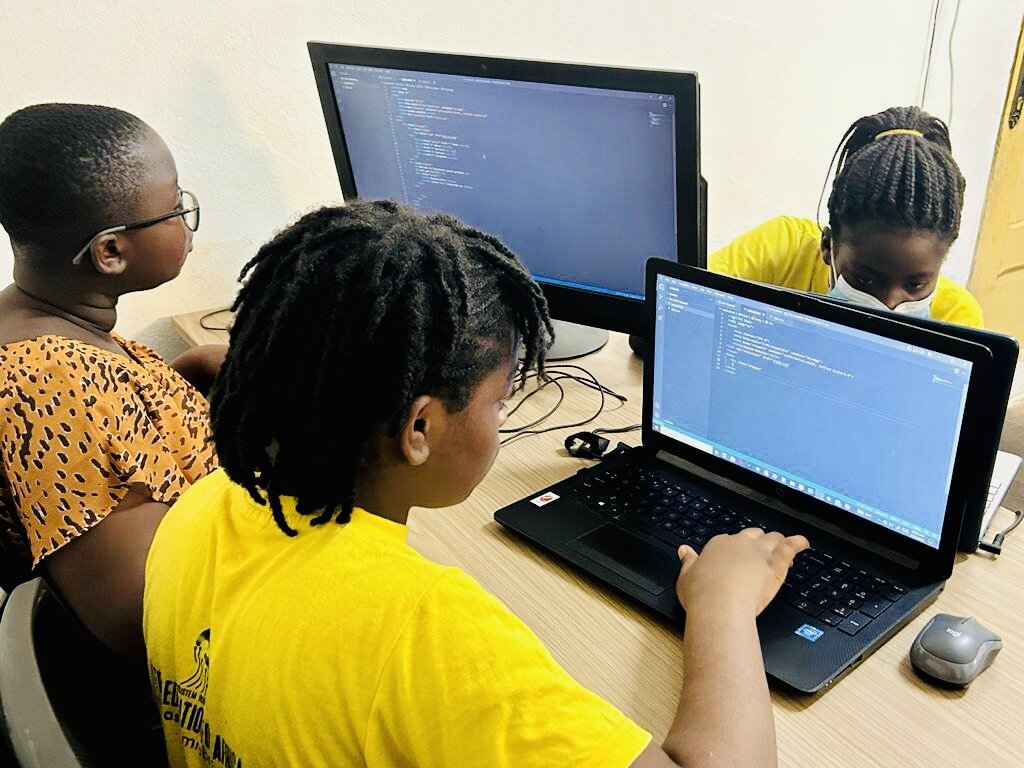
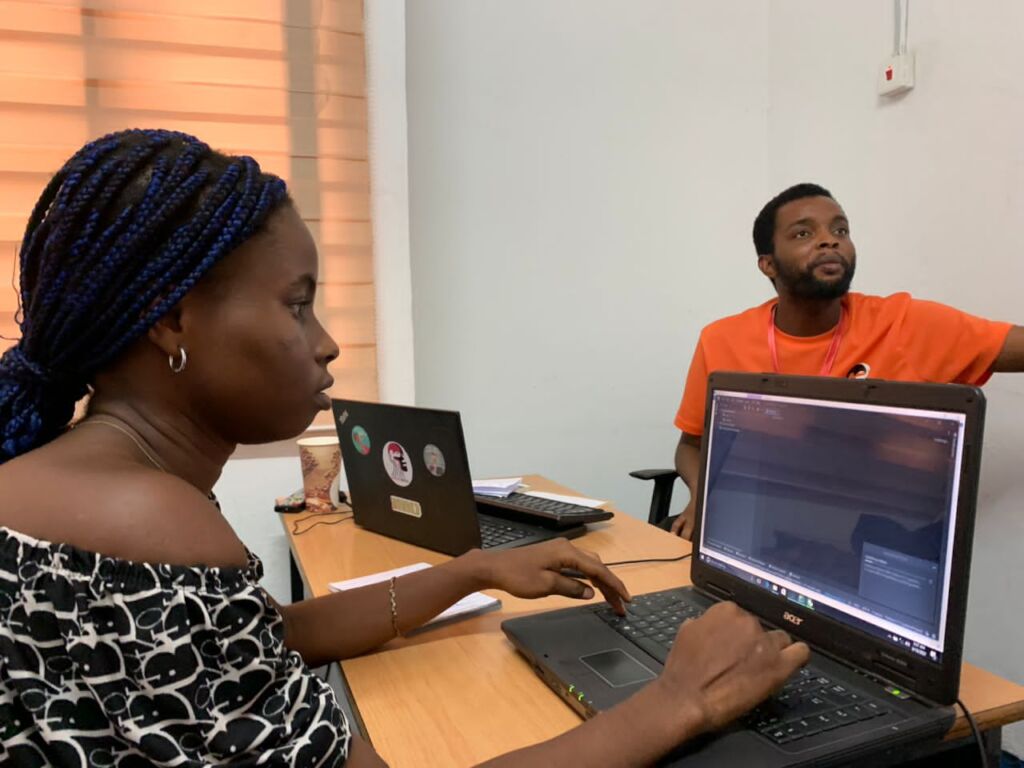
The GPower - Girl Power Initiative, spearheaded by Asustem Robotics Academy(non-profit), has emerged as a transformative program dedicated to empowering girls and women across Ghana through technological education and digital skills training. With a focus on bridging the gender gap in STEM fields, the initiative has delivered impactful training in critical areas such as coding, website development, Python programming, Scratch coding, MIT App Inventor, cybersecurity, and artificial intelligence.
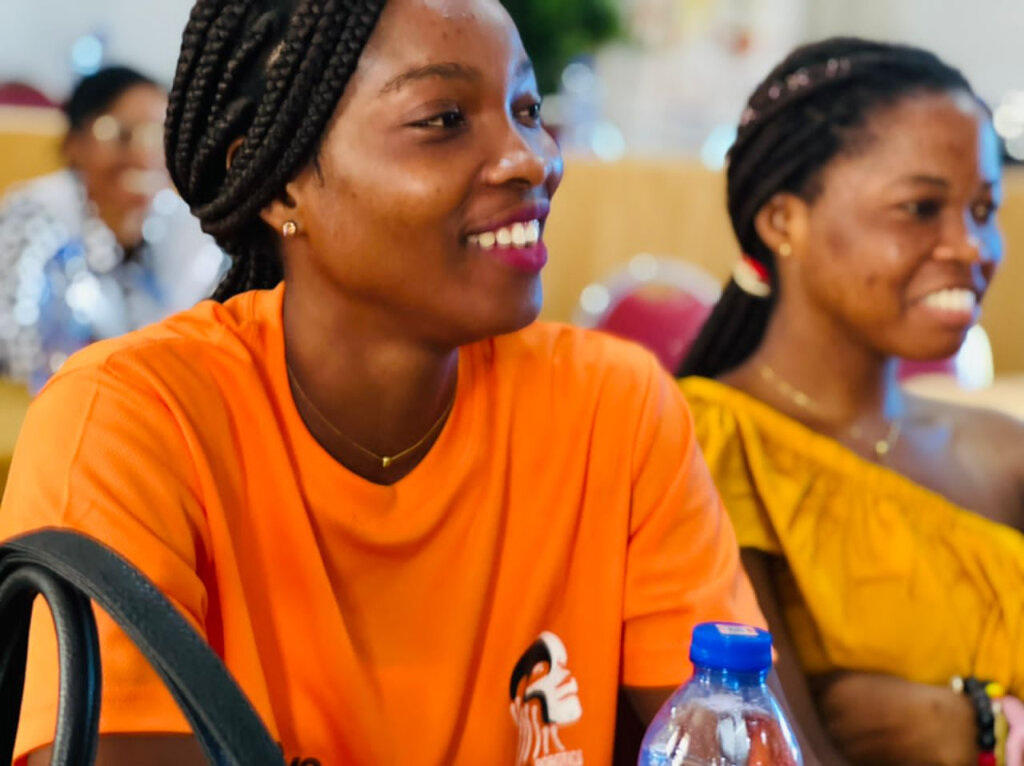
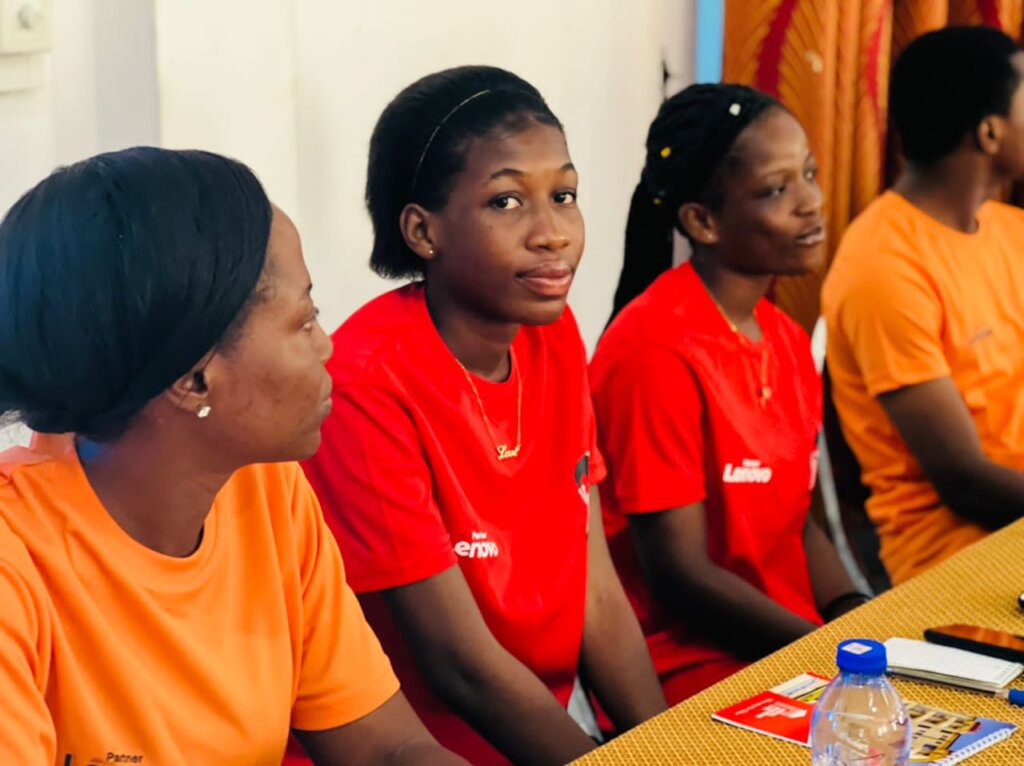
From January to September 2024, over 1,500 females spanning various regions in Ghana have benefitted from this life-changing initiative. The goal for 2025 is even more ambitious: to equip 2,500 females across all 16 regions with the skills and confidence to thrive in the digital economy.
Strategies Implemented in 2024
1.
Decentralized Training Model
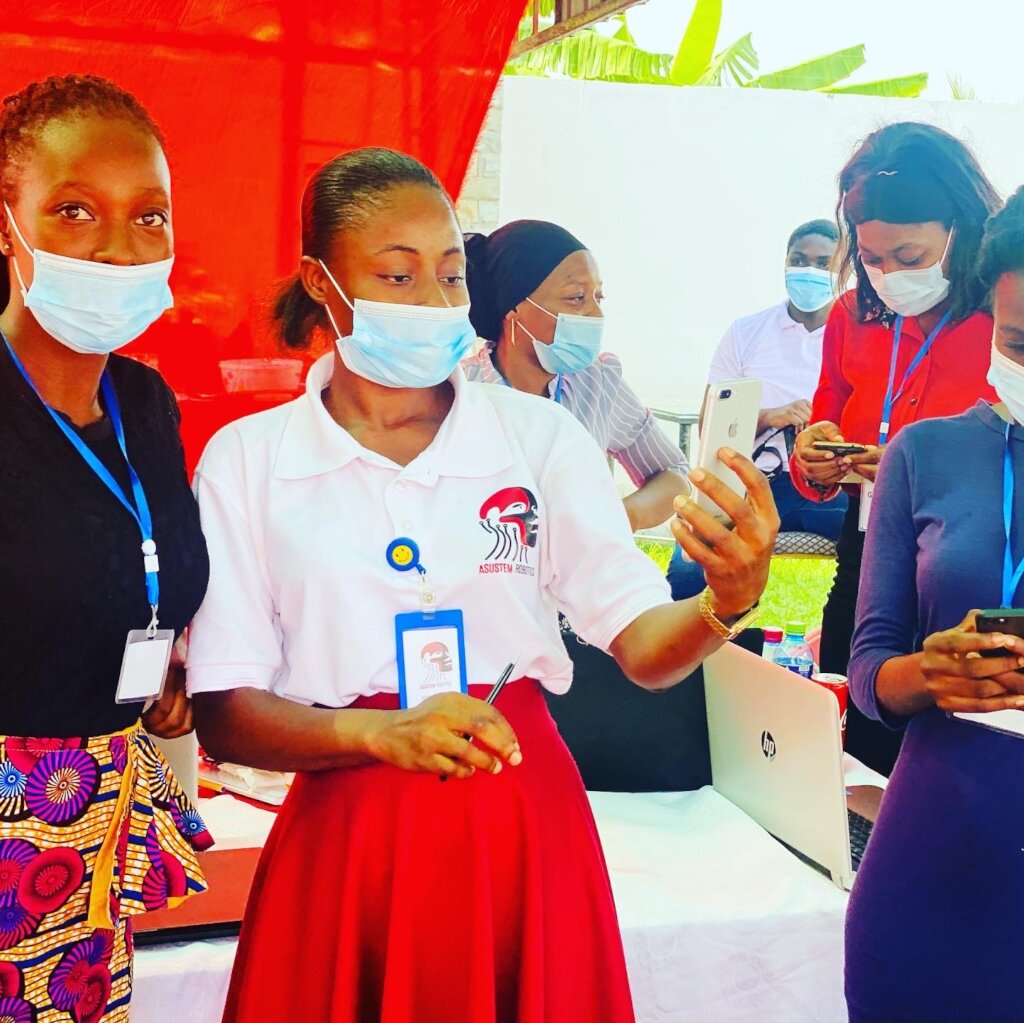
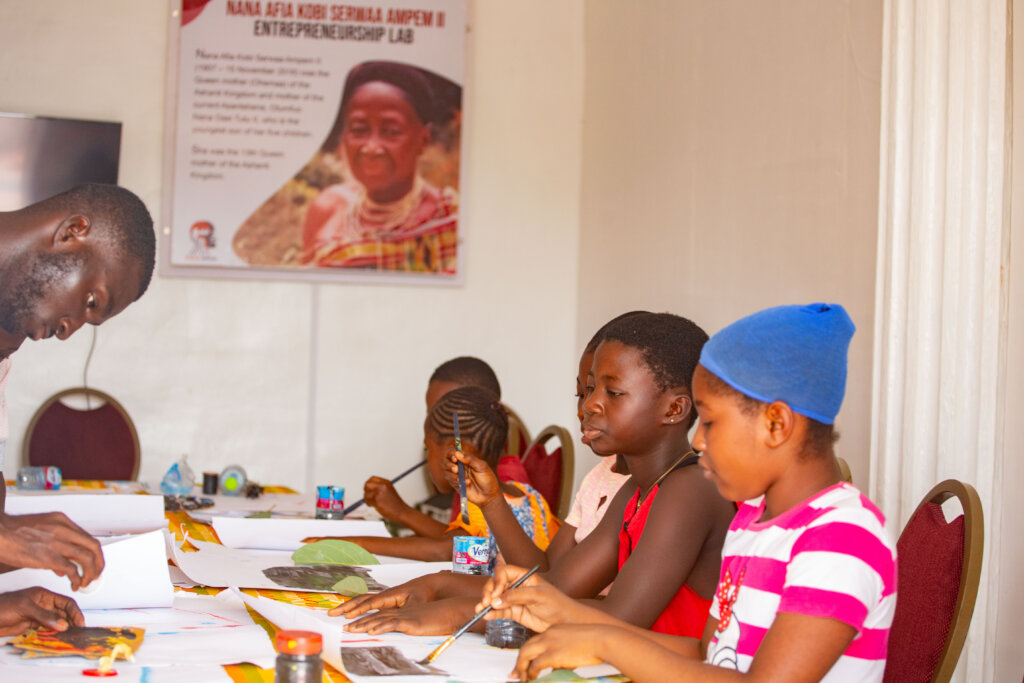
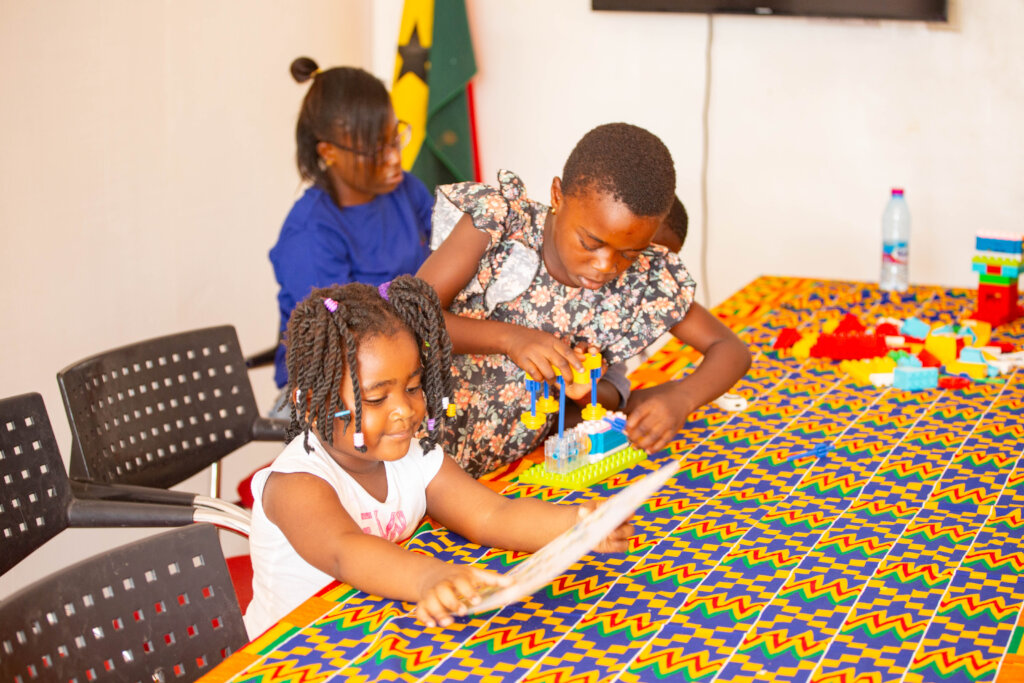
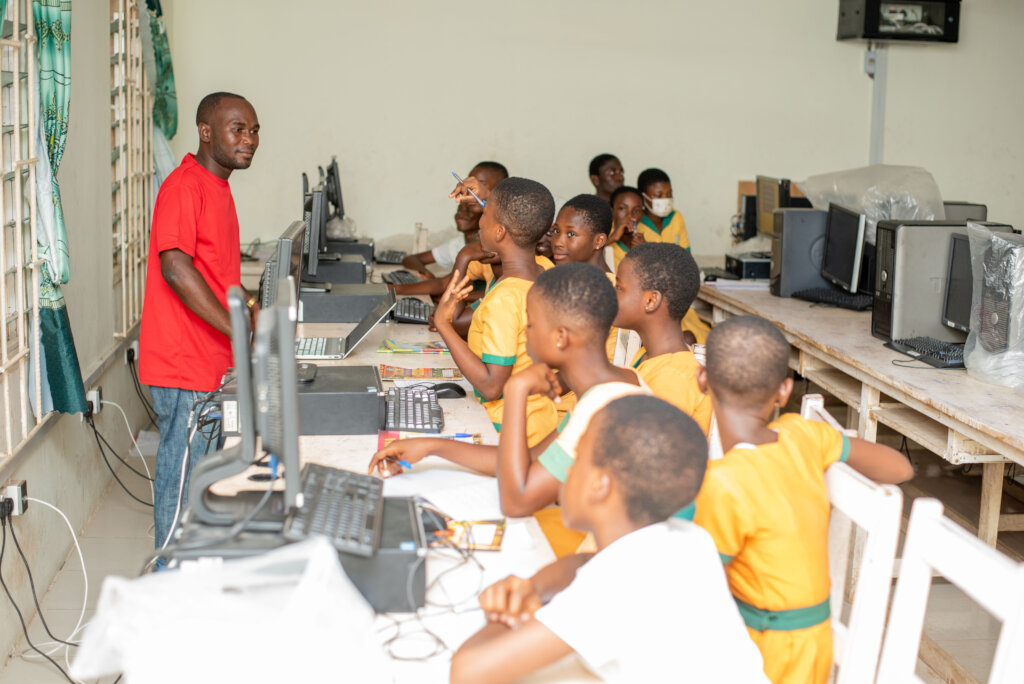
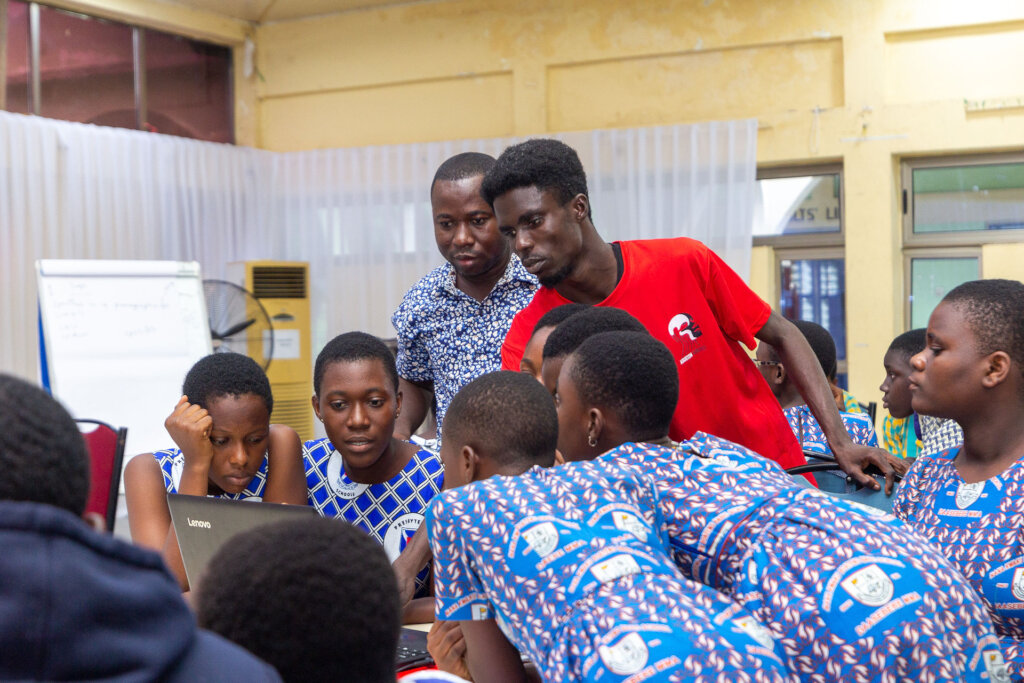
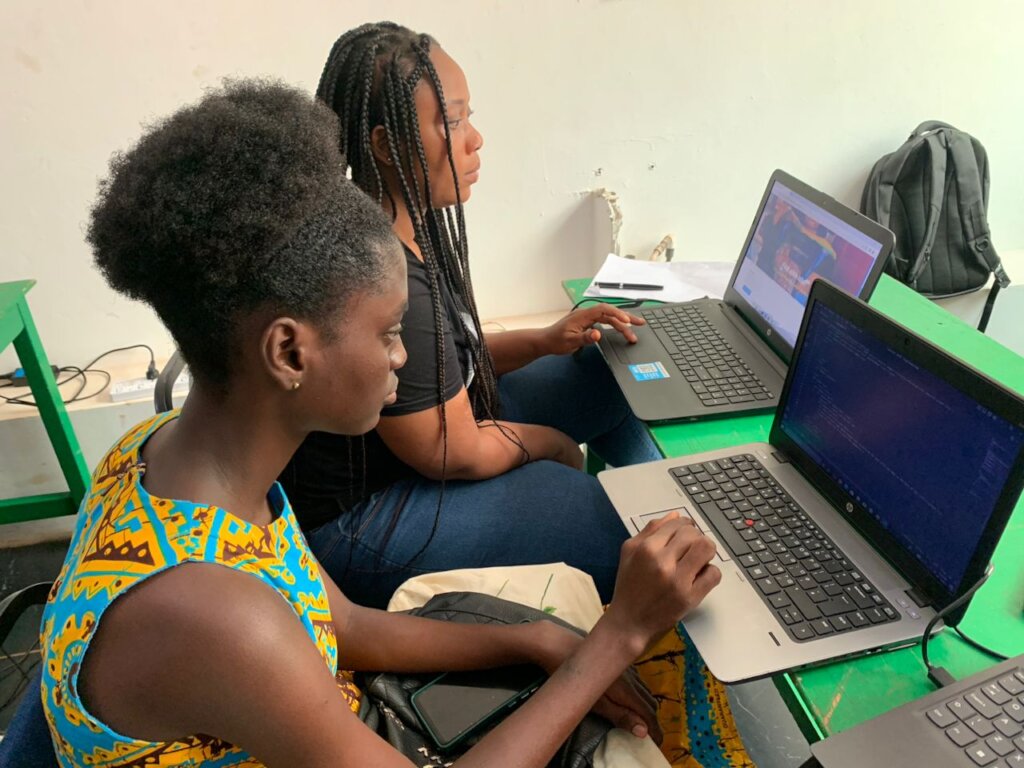
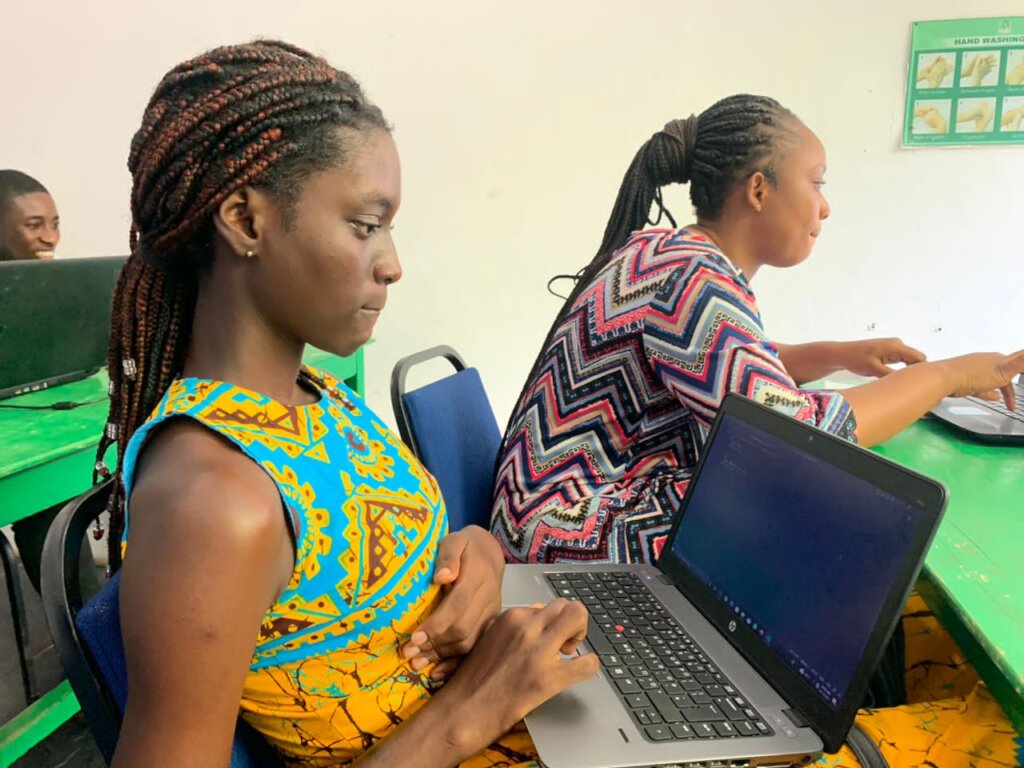
Asustem adopted a decentralized approach to reach girls and women in both urban and rural communities. Training hubs were set up in partnership with local schools, community centers, and libraries, ensuring accessibility for participants in underserved areas.
2.
Leveraging Partnerships
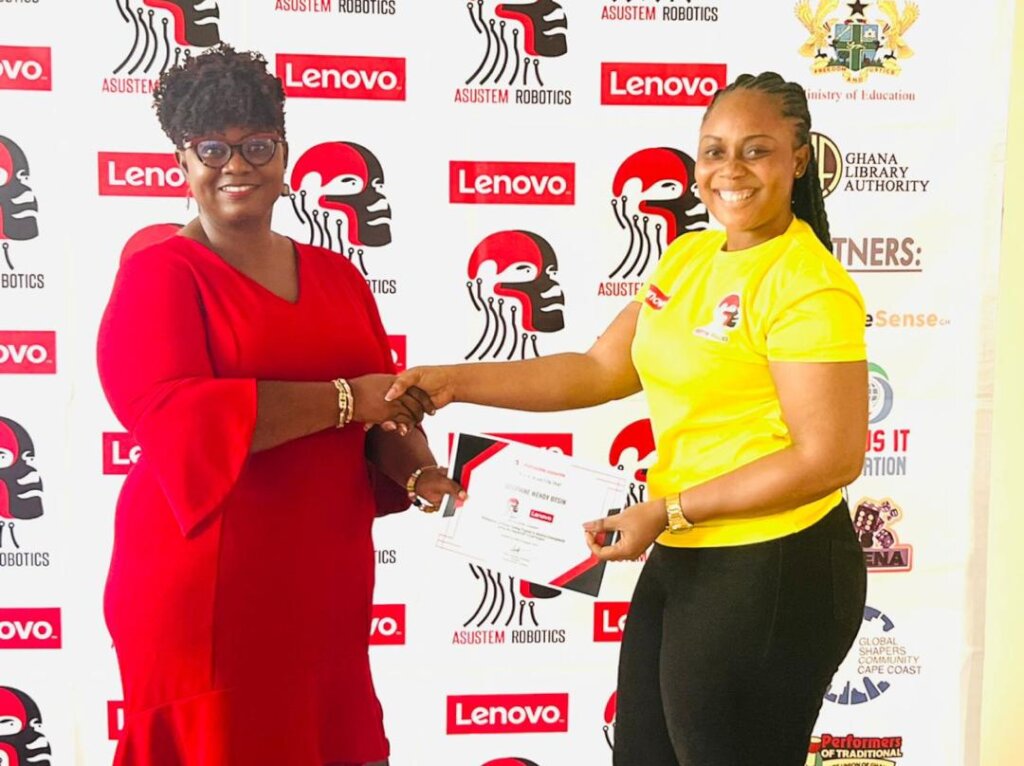
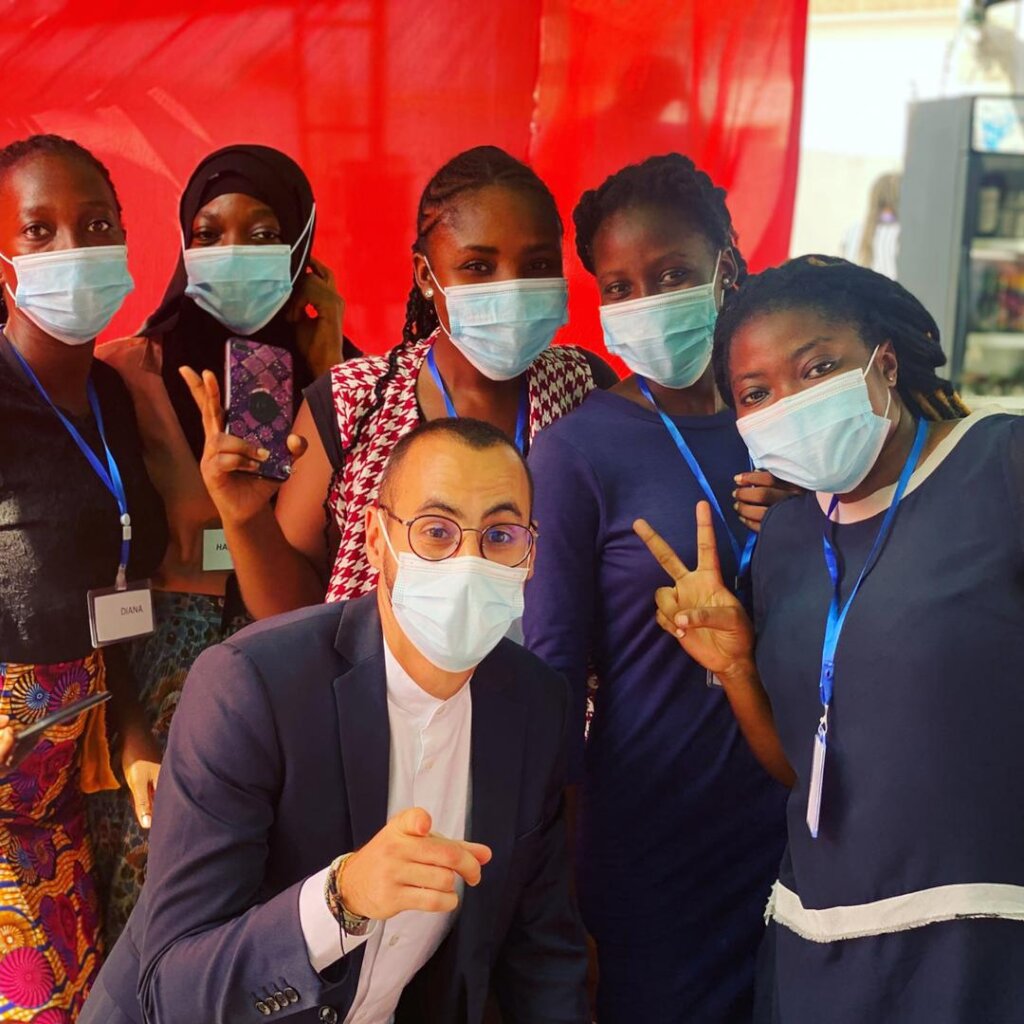
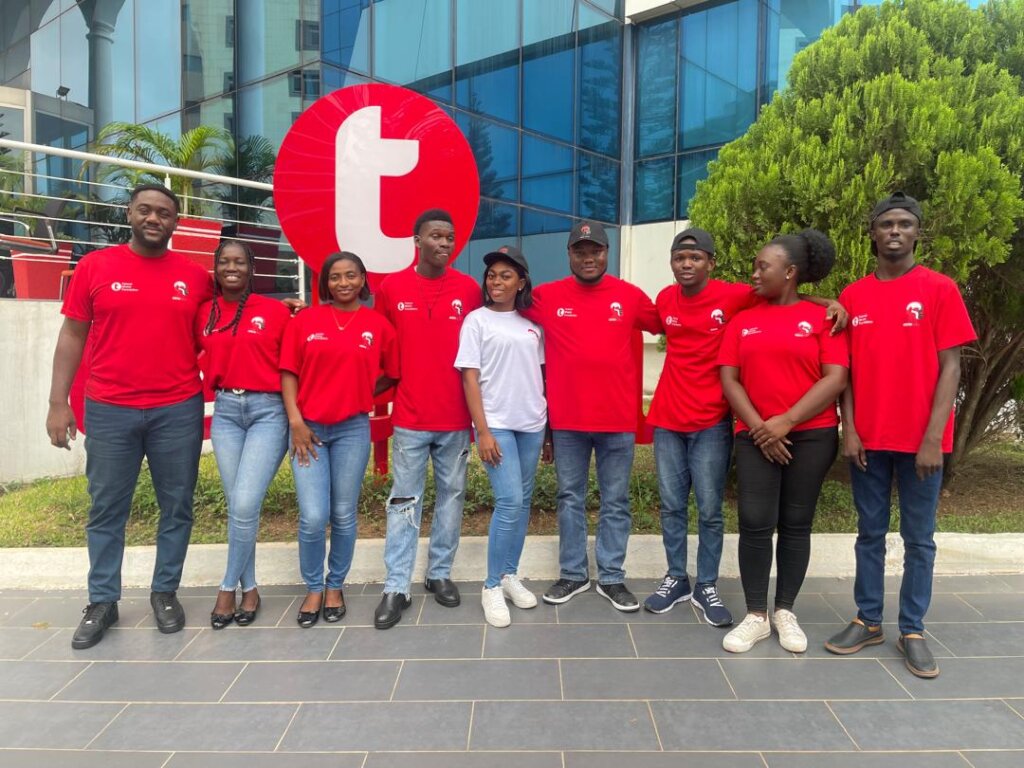
Collaborations with government agencies, NGOs, and private sector players amplified the initiative's reach. Key partners provided technical expertise, facilitators, and logistical support. This network approach reduced operational costs and allowed the program to access diverse audiences.
3.
Train-the-Trainer Programs
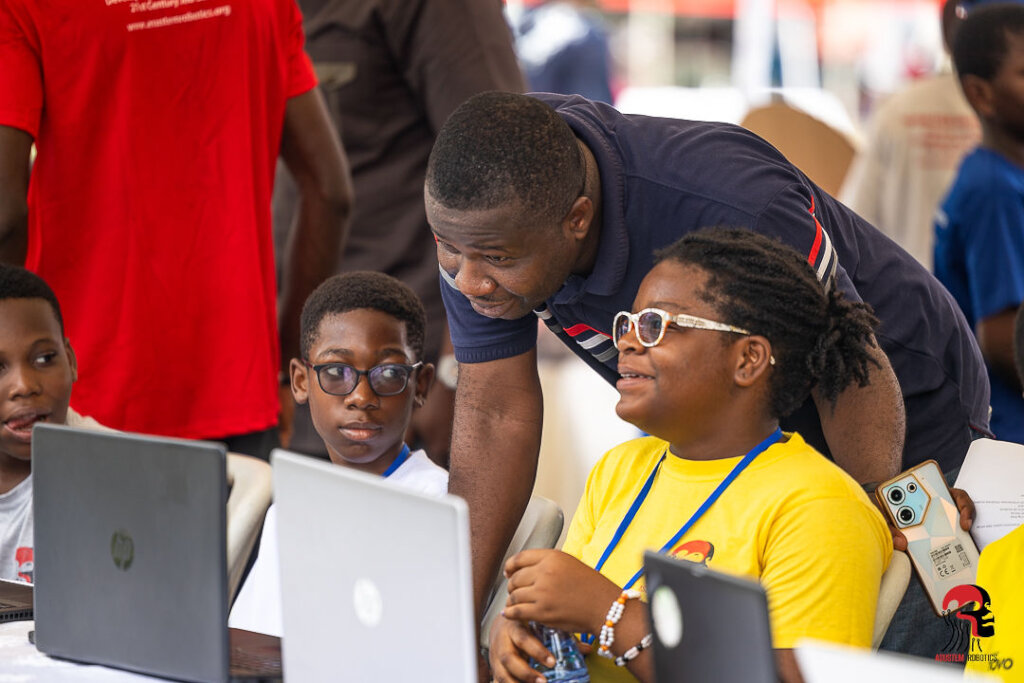
To ensure sustainability and scalability, Asustem trained local teachers and volunteers who could continue to mentor students in their respective communities. These trainers served as role models, inspiring more girls to pursue STEM fields.
4.
Blended Learning Approach
The program combined in-person workshops with online sessions to maximize participation. Interactive platforms and virtual resources made it possible for students to learn at their own pace, especially in areas with internet connectivity.
5.
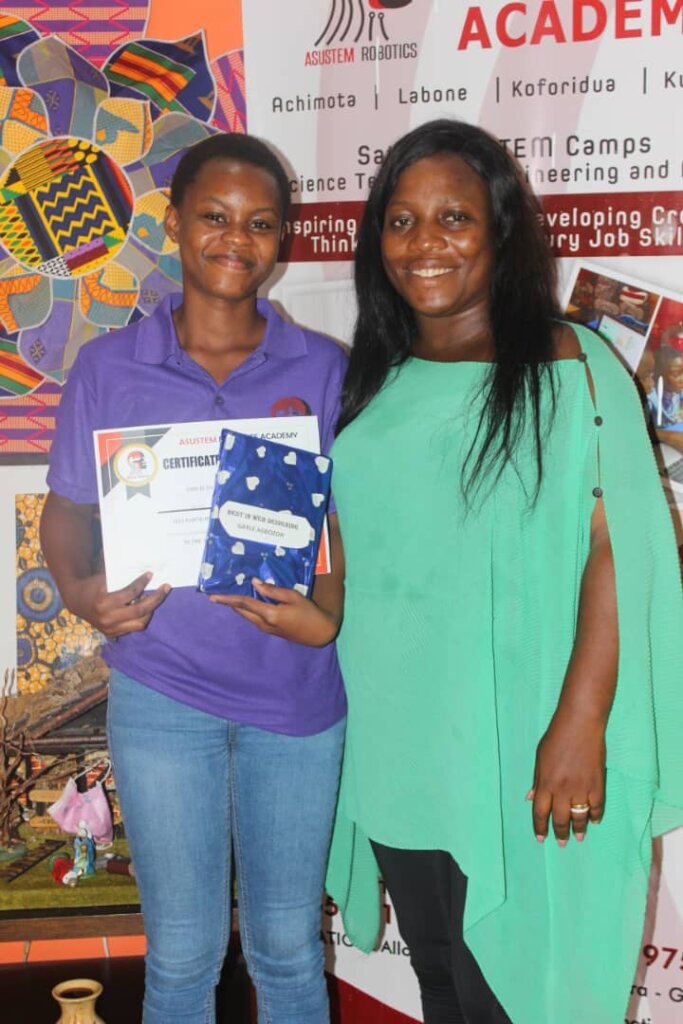
Showcasing Success Stories
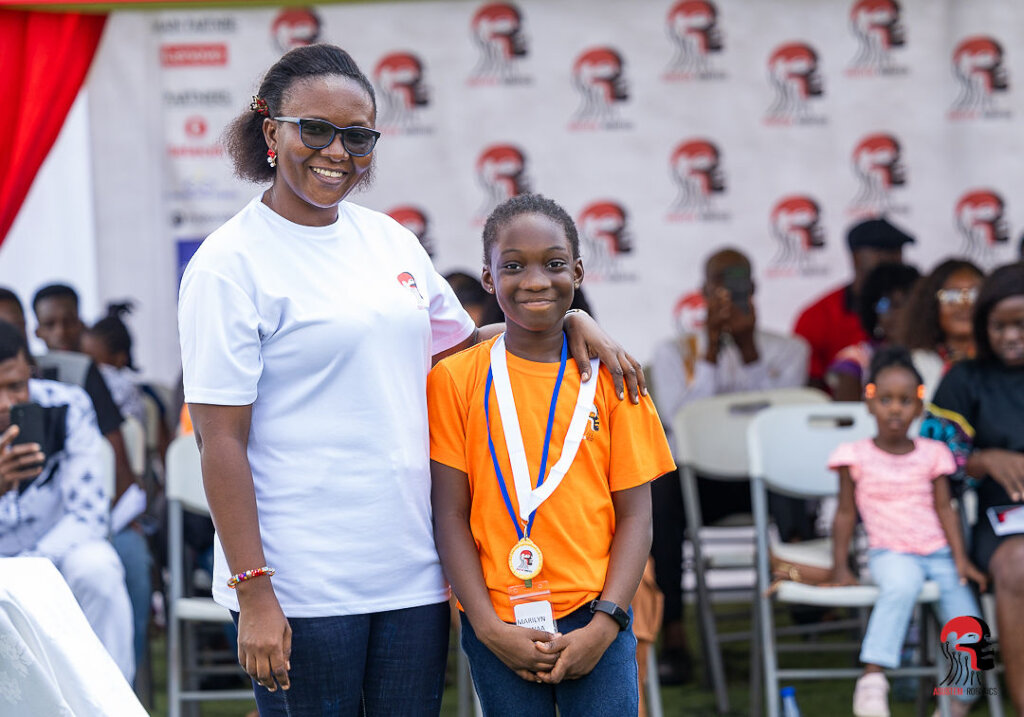
Highlighting success stories through social media campaigns, community events, and workshops motivated other young girls to join. Real-life examples of girls who created apps, built websites, or used Python to solve local problems resonated strongly with stakeholders and participants alike.
Success Stories1. Empowering the Underserved in Takoradi
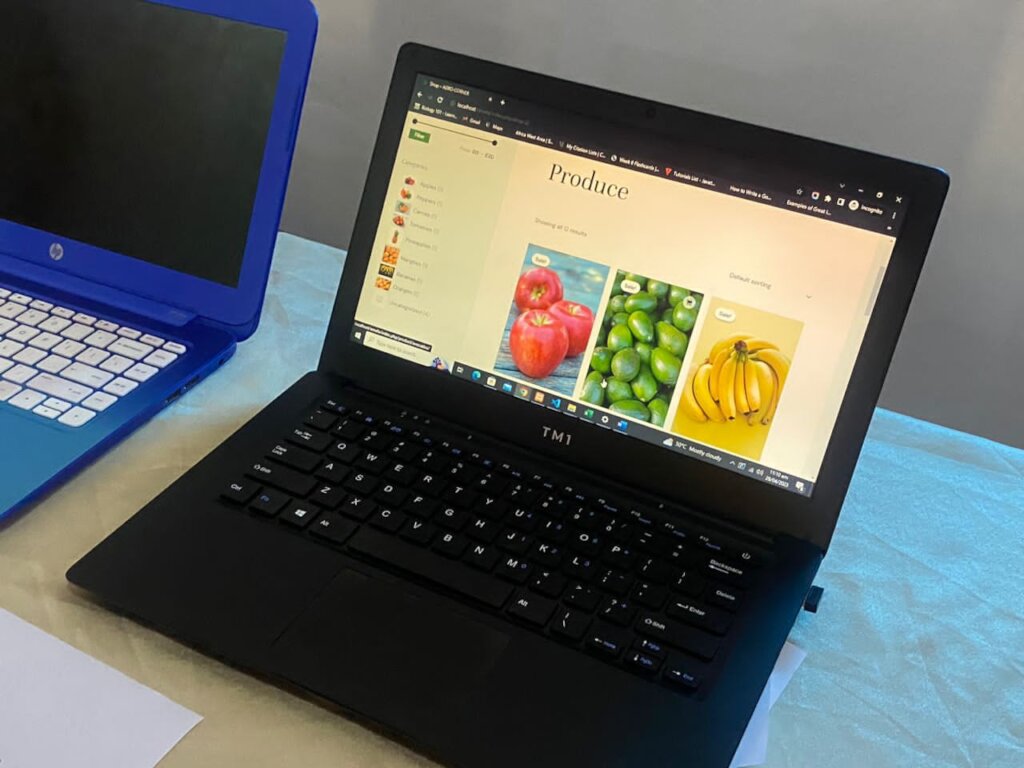
Mariam, a 17-year-old from Accra, created a mobile app using MIT App Inventor to help farmers access market prices for their produce. Her app has been recognized as an innovative solution to agricultural challenges in her community, and she is now mentoring five other girls.
2. Inspiring Change in Accra
Evelyn, a 22-year-old participant in Accra, designed a cybersecurity awareness website tailored for young women. She now leads cybersecurity workshops in her neighborhood, making digital safety a priority among her peers.
3. Breaking Barriers in Kumasi
Akosua, a 15-year-old Scratch coding student, developed an interactive game teaching children about sanitation. The game was showcased at a regional science fair, earning her accolades and sparking interest among her classmates to learn coding.
Challenges and Opportunities
While the program has achieved remarkable success, challenges such as limited access to laptops and training materials have hindered progress in some regions. Vulnerable communities, in particular, struggle with inadequate resources to support sustained learning.
To overcome these challenges, Asustem Robotics Academy is actively seeking donations in cash and kind. Laptops, projectors, books, and funding for internet access are critical to scaling the initiative in 2025. Partnerships with corporate entities and international organizations will also be vital to achieving the goal of reaching 2,500 females.
Conclusion and Call to Action
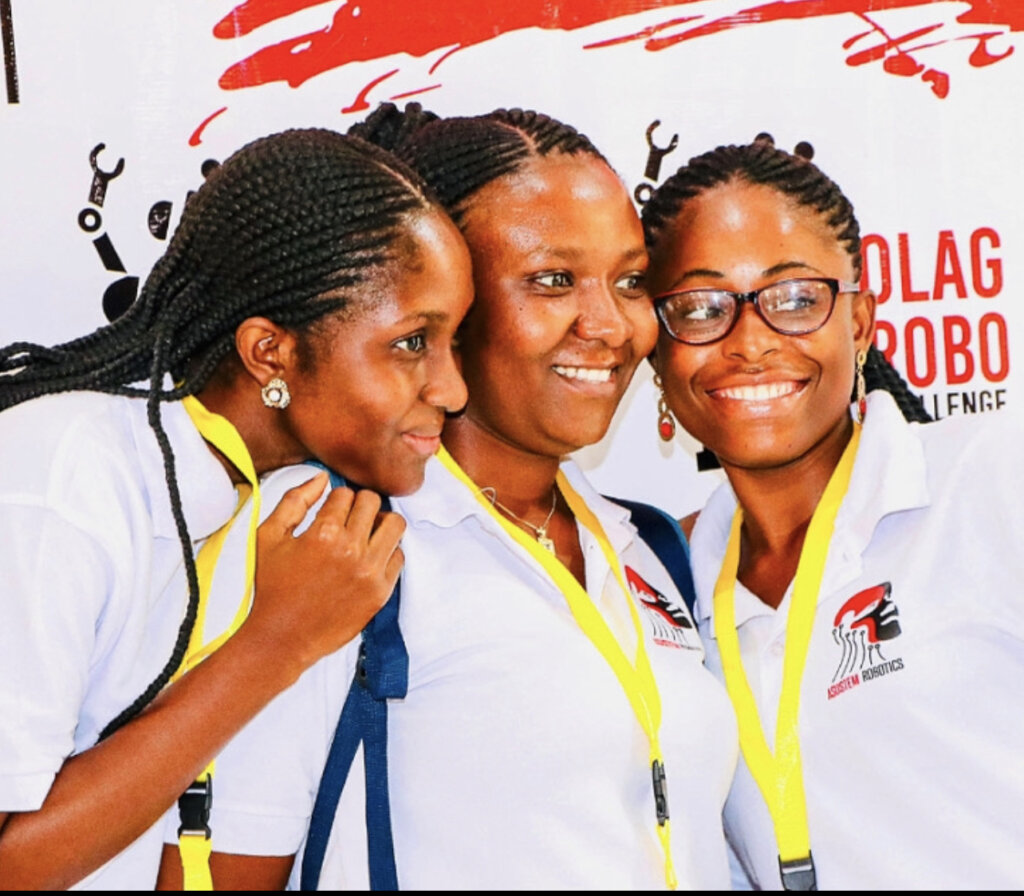
The GPower - Girl Power Initiative has proven to be a catalyst for change, equipping girls and women with the tools to succeed in a digital world. By scaling up efforts in 2025, Asustem aims to inspire a new generation of female leaders in STEM, bridging the gender gap and fostering innovation across Ghana.
We call on all stakeholders—government, corporate entities, and individuals—to support this initiative. Together, we can empower 2,500 females to realize their full potential and contribute meaningfully to the nation’s development.