By Md Enzamul Haque | Project Leader
In Bangladesh, the third gender community, often referred to as Hijra, faces significant social and economic challenges. Negative societal attitudes persist, pushing this marginalized group to the fringes of society. Despite being legally recognized as a distinct gender since 2013, the Hijra community continues to suffer from exclusion, especially in the job market, where stigma and discrimination often leave them without stable employment opportunities.
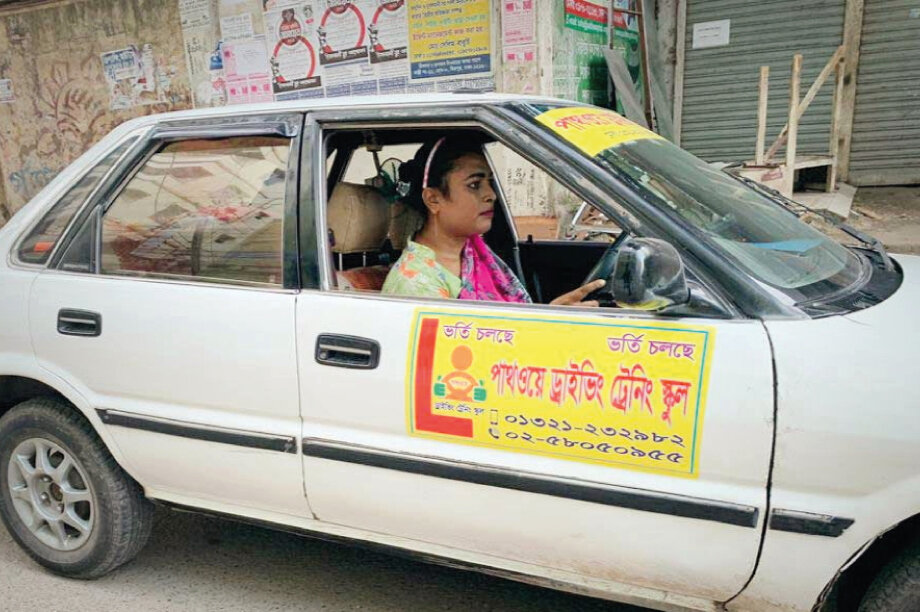
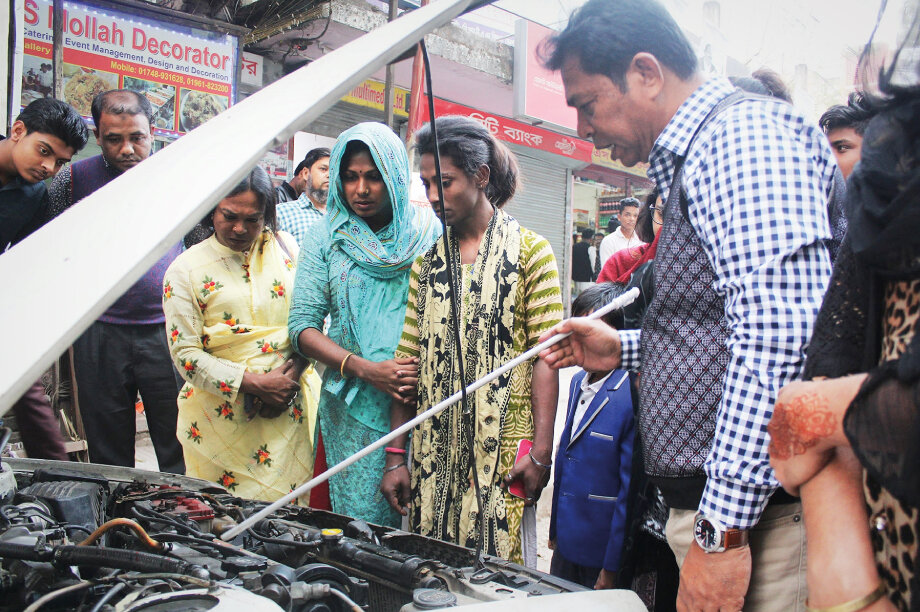
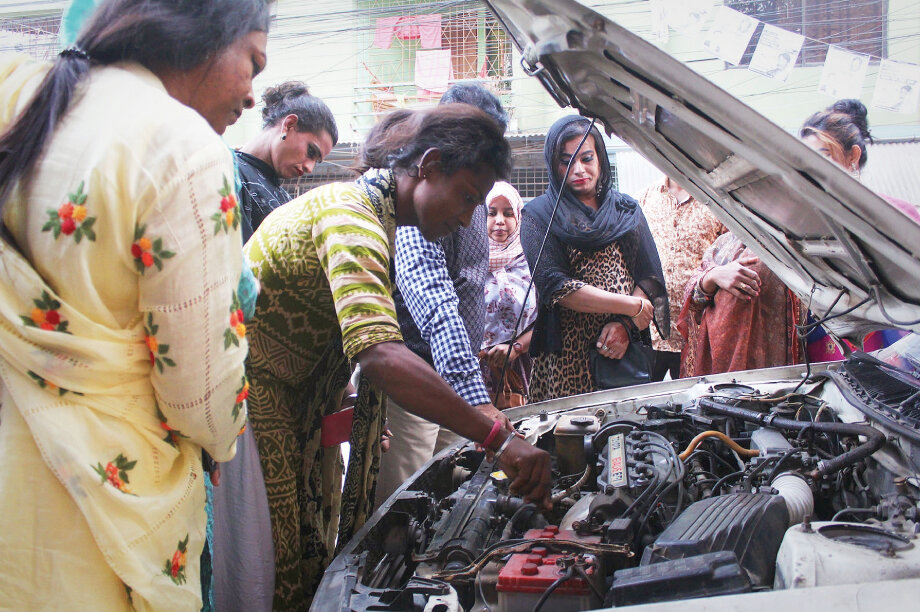
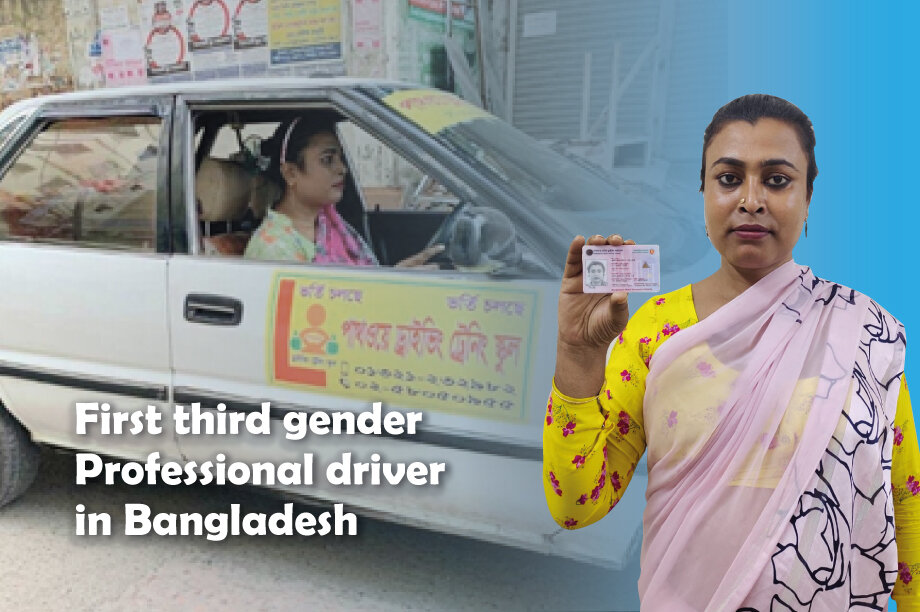
As a result, many transgender individuals resort to begging or are drawn into illegal activities to survive. Separated from their families at an early age, they find themselves isolated from mainstream society and are often forced into specific roles within the third-gender community. This leads to a cycle of poverty and vulnerability. However, there are inspiring stories of individuals who, through vocational training and community programs like Pathway, have managed to break free from these limitations and find dignified employment.
To foster socio-economic development for the third-gender population, society must actively participate. Employment opportunities must be widened through inclusive policies, and social programs should focus on integrating the Hijra community into mainstream education and vocational training. With collective effort, their marginalization can be reduced, ensuring a better future for this historically neglected group.
Links:
By Md Enzamul Haque | Project Leader
By Md. Enzamul Haque | Project Leader
Project reports on GlobalGiving are posted directly to globalgiving.org by Project Leaders as they are completed, generally every 3-4 months. To protect the integrity of these documents, GlobalGiving does not alter them; therefore you may find some language or formatting issues.
If you donate to this project or have donated to this project, you can receive an email when this project posts a report. You can also subscribe for reports without donating.