By Christa Countryman | Grants Manager
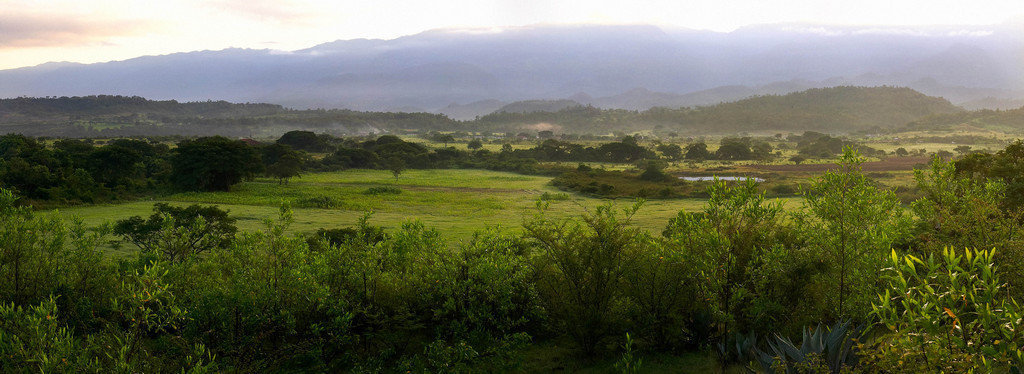
This year in Nicaragua we have launched our Regional Project, an expansion of our 30-year mission to reach more Central American families with the resources they need to work their way out of chronic poverty. In preparation for this launch, we have performed extensive land assessments to identify properties in Nicaragua that are capable of supporting agriculture, housing, water, and other critical human needs. When we found La Bendicon, we knew that we had found the right place for the next families to live. We have broken ground, and have begun to build houses and design a water system to provide potable water for the community. In the months ahead, families will move into their homes, plant crops, and begin a journey to land ownership and economic growth.
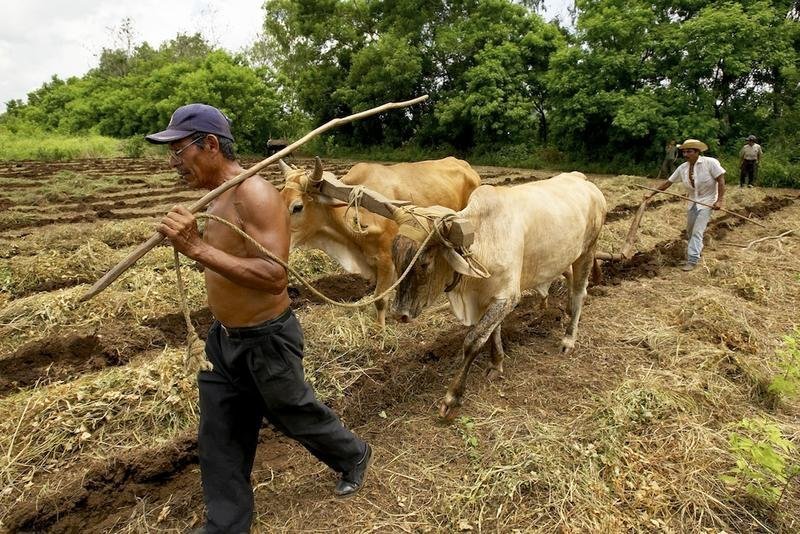
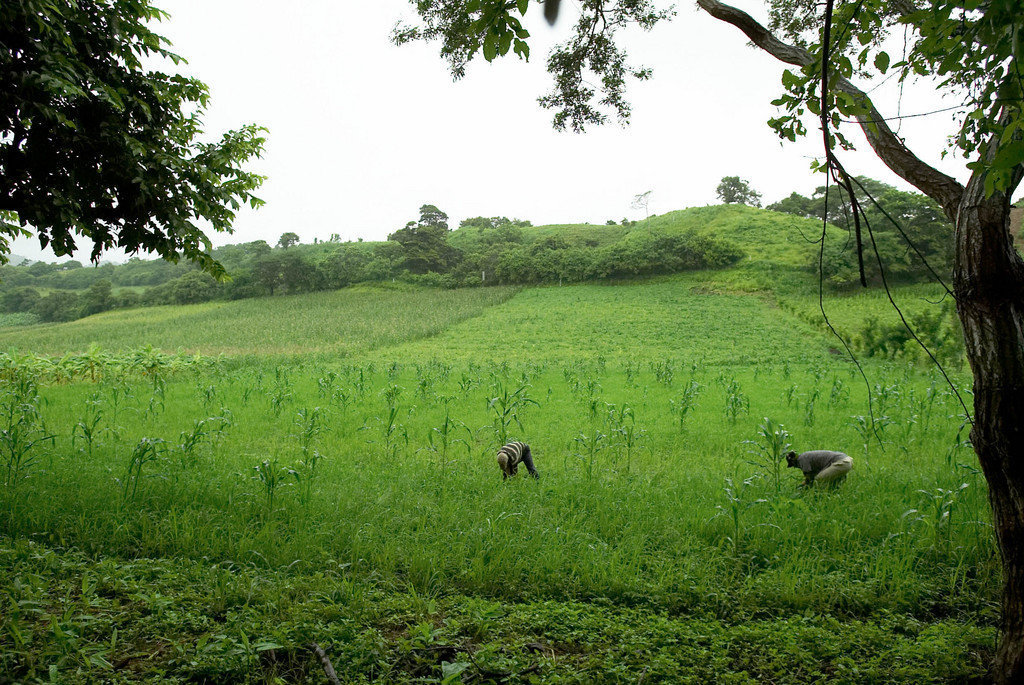
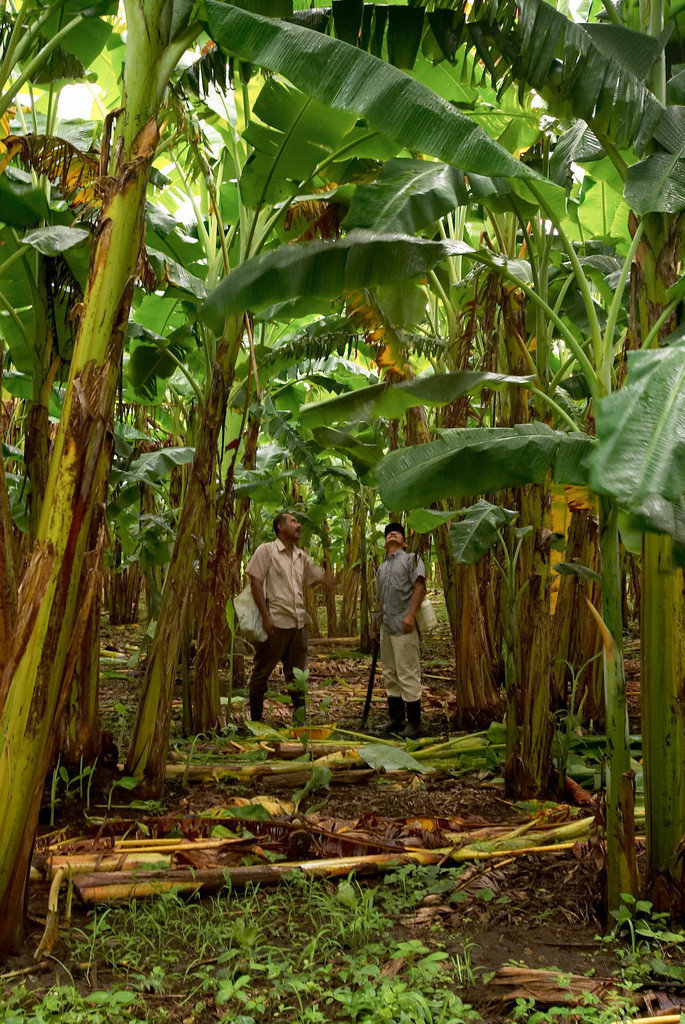
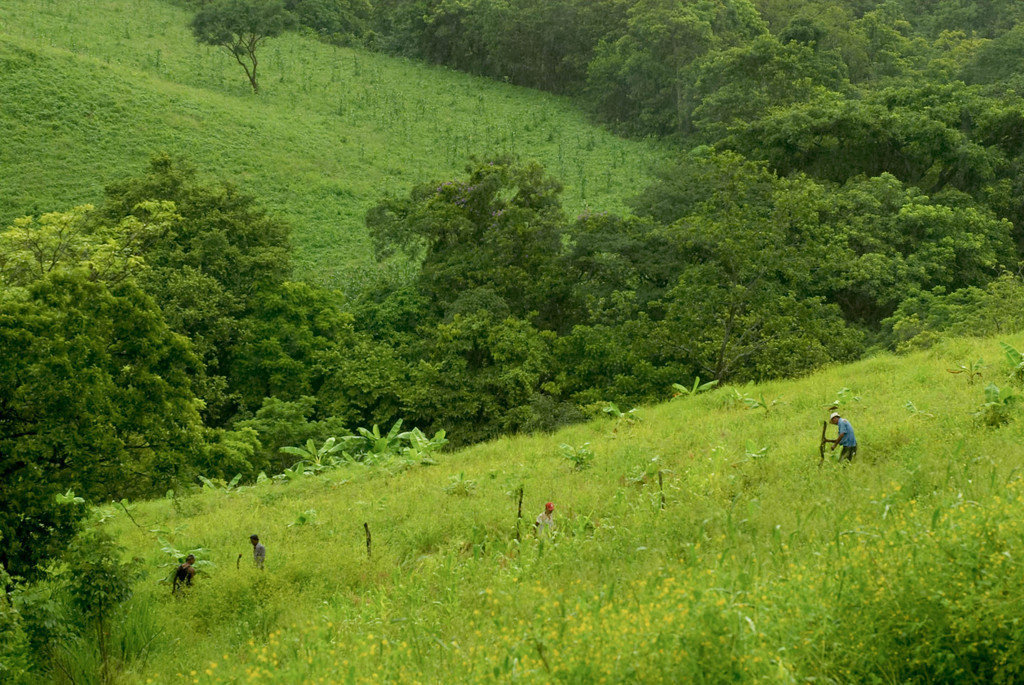
Also part of our expansion is the work we have started with families in the areas surrounding the communities where we work. These families live in small, separate communities, often squatting on land, some with just a little access to land that they may own. But they do not have access to agricultural training that can help them improve their income. We work with these families and area agencies to ensure they have resources to improve agricultural production, health, access to clean water and sanitation, among other things.
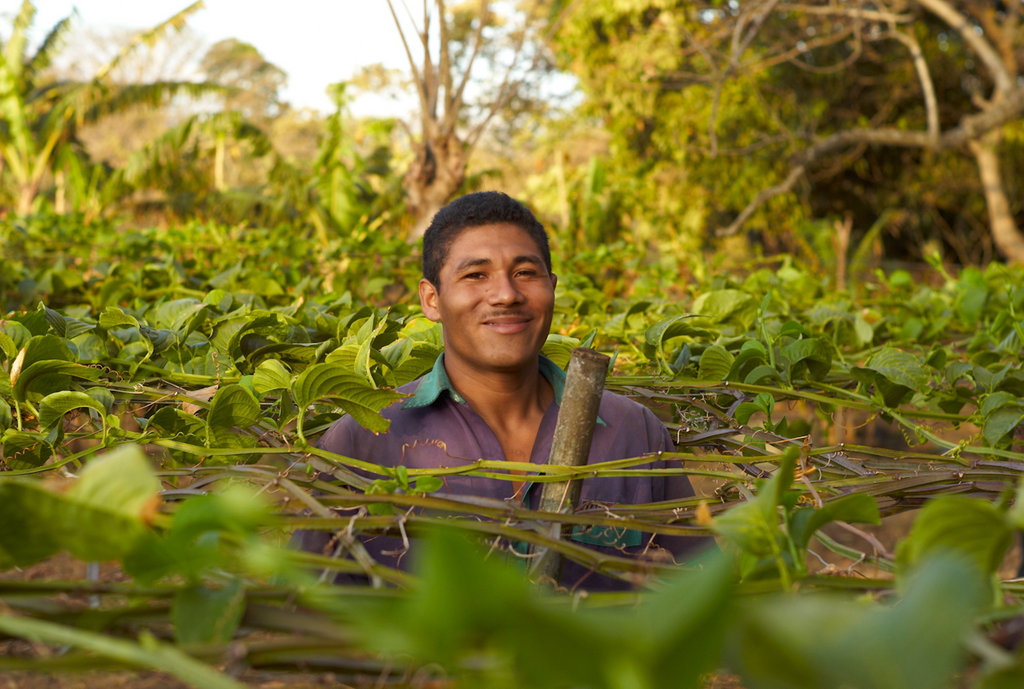
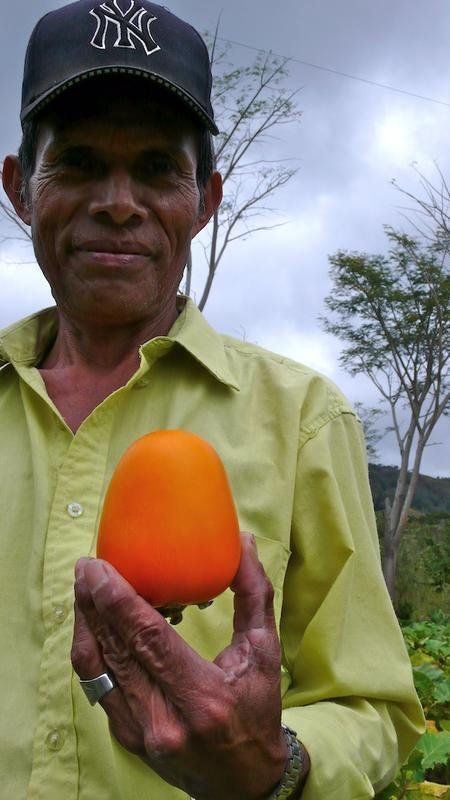
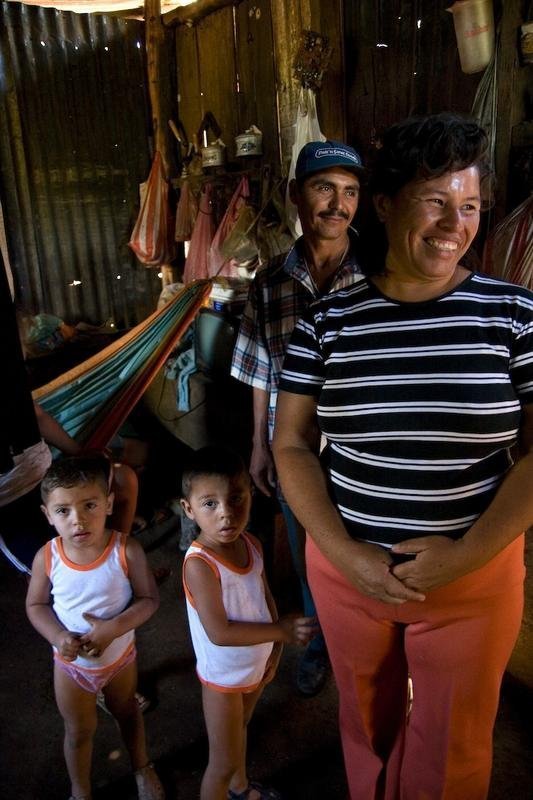
The family of Jose and Isaida is one of the families who started working with Agros as part of the extended regional project. After working with Agros, they decided to apply for a place in the new La Bendicion community, and will soon move onto that property. We're excited to welcome them to their new home!
Meet Jose and Isaida:
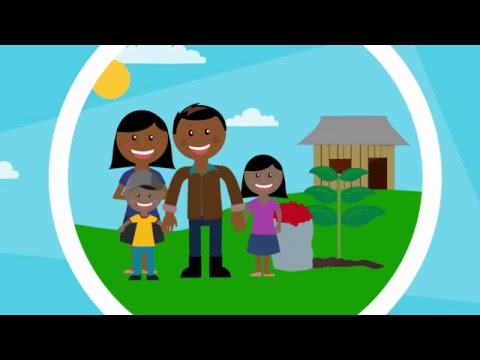
It’s just after noon when we meet Jose and his wife, Isaida. They sit outside their wooden small shelter no more than 100 square feet that serves as a home for them and their four children between the ages of 2 and 13. They rest on a makeshift bench and recline against a piece of scavenged and slightly rusty metal roofing.
Their eldest daughter, Cindy, 13, is at school. The other children: Marcus, 10; Maria, 8 and Abriana, nearly 2, play in and around the home.
Although it is nearly lunchtime, no smoke filters out from the walls as it does in nearby homes. The coals in this kitchen are cold, evidence that they probably haven’t been lit today. The only food on their shelf is a few bananas, a small bottle with a couple tablespoons of oil and a bit of salt.
Isaida explains that it costs about 300 cordobas (roughly $11) to feed her family of six with basic food (rice, beans, tortillas) a day. Right now, they don’t have that money. When Jose Alejandro is able to find work as a day laborer he earns about 100 Cordobas (about $3.75) a day. But, he doesn’t find work every day. Isaida also works, selling snacks outside the school nearby. Last year she got paid 50 Cordobas (less than $2) a day. But, as the school year is just getting started, she is coming off a long season of not working and has yet to receive her first payment for this year’s efforts.
Despite their difficult circumstances and their hunger, they don’t complain. “As poor people, we are used to ‘making it work’,” explains Jose Alejandro, noting they are used to skipping meals or small portions when there is nothing else. “Right now, we are eating soup because we don’t have enough money for anything else,” he adds.
Neither Jose and Isaida have ever experienced abundance. They have rarely even had enough. Poverty runs in the family. “Everyone (my father, grandfather) have been day laborers, working on farms,” explains Jose.
Although Josewas able to get a basic education, Isaida never had the chance to set foot in a classroom. “I was very young when I started to work in the coffee fields,” she says, noting that she was just 13. “This has been what I have done my whole life.”
Neither their past nor their present circumstances keep them from dreaming that one day things will be better: better for them and better, especially, for their children. “We always think [about the future],” says Jose Alejandro. “But, as someone in poverty you can’t do anything [to change your situation],” he explains.
Their situation and circumstances are very real. Today, their eldest daughter, Cindy, 13, is the same age they were when they started working. But, they want something different for her. “I don’t want my daughter to work like I worked,” says Isaida. “I want her to be able to study. I don’t want her to suffer like I suffered when I was young. I want her to be able to study, to get ahead in life,” she adds, noting that Cindy dreams of becoming and engineer.
Although they have lived in poverty their entire lives, Jose Alejandro and Isaida are optimistic about the future. They hope to leave their small home, where the wind and rain come in through the holes in the walls and the roof behind and be able to move to the new village that Agros is creating. There, in addition to access to land, they aspire to have better living conditions. “I imagine the house [we will have in the future] in my head,” says Isaida. “In my house, I’m going to have water and electricity,” she says with a smile.
They know that the dream of buying their own land one day is like chasing the stars without the support of an organization like Agros. But, they also know that land ownership is the key to breaking the cycle of poverty that has trapped both of their families for so many generations. “Maybe, with help from Agros and from God, we will be able to get ahead and at least provide food for our family,” says Jose Alejandro, hopeful.
Learn more about Agros International: www.agros.org
Visit us on Facebook: https://www.facebook.com/AgrosIntl
Project reports on GlobalGiving are posted directly to globalgiving.org by Project Leaders as they are completed, generally every 3-4 months. To protect the integrity of these documents, GlobalGiving does not alter them; therefore you may find some language or formatting issues.
If you donate to this project or have donated to this project, you can receive an email when this project posts a report. You can also subscribe for reports without donating.