Support Sustainability for Nicaraguan Farmers

by Agros International
Play Video
Support Sustainability for Nicaraguan Farmers

Project Report | Apr 13, 2015
Update from San Jose, Nicaragua

By Christa Countryman | Grants Manager

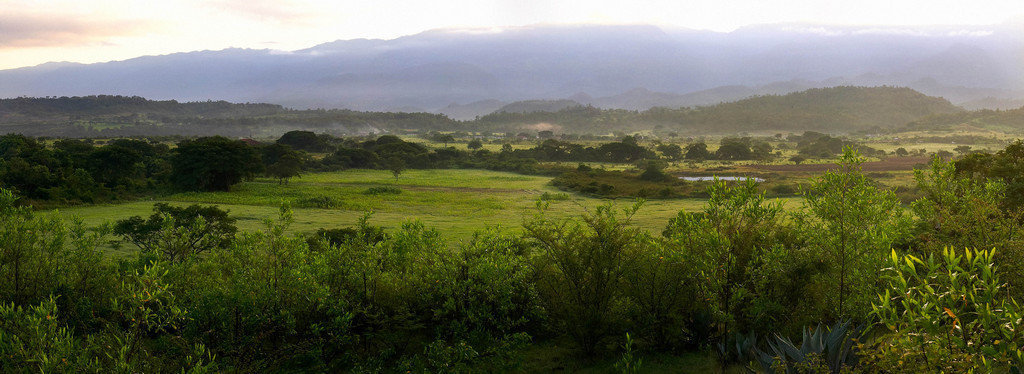
Nicaragua continues to be a priority country for Agros, and we are excited about the regional project work that is under way in the Matagalpa region. Communities where we are already active have paved the way for this new regional work, including the community of San Jose. Here are some highlights of the activities for this remarkable community.

Community Organization:

Training continues with the leadership team to advance their skills and knowledge around community development.

Land Tenure:

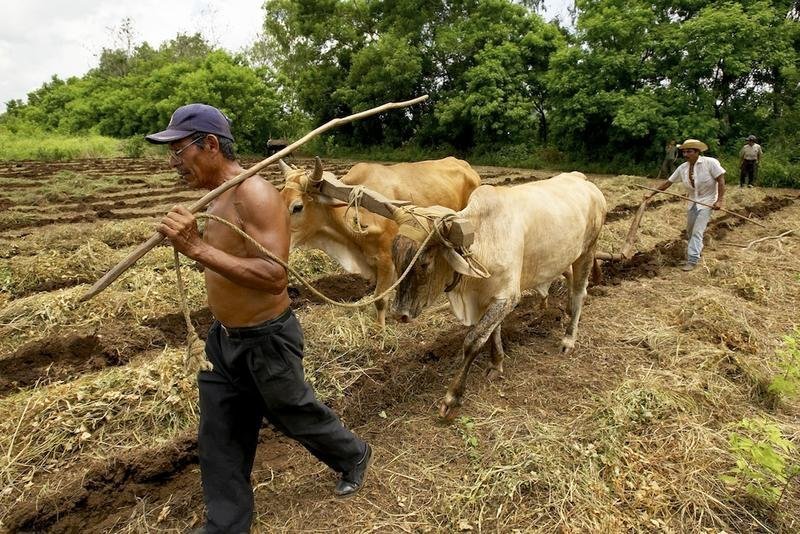
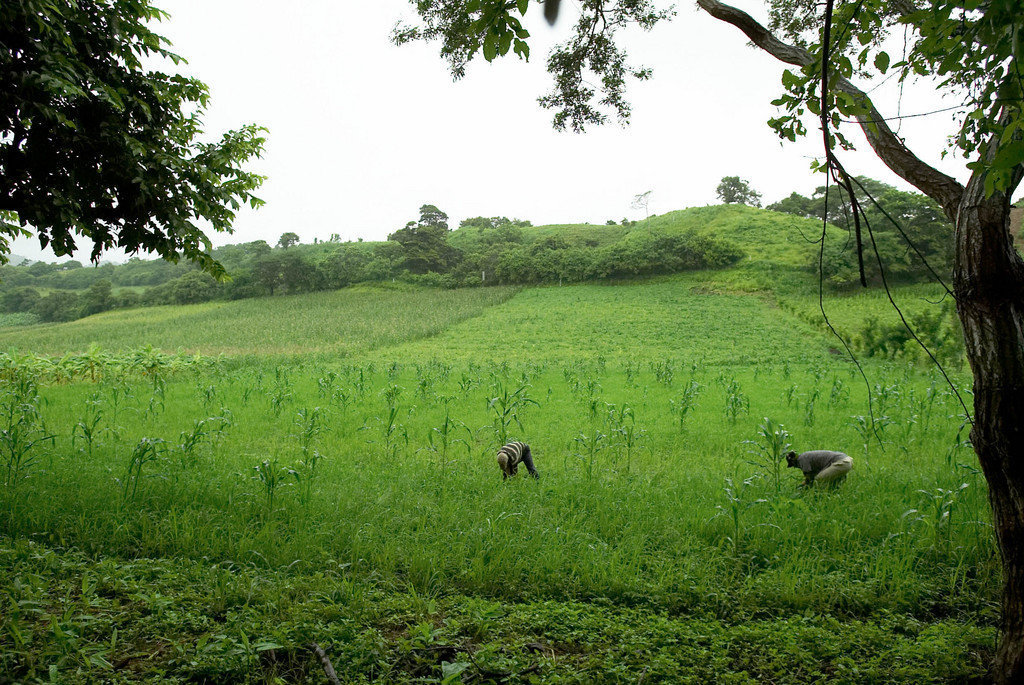
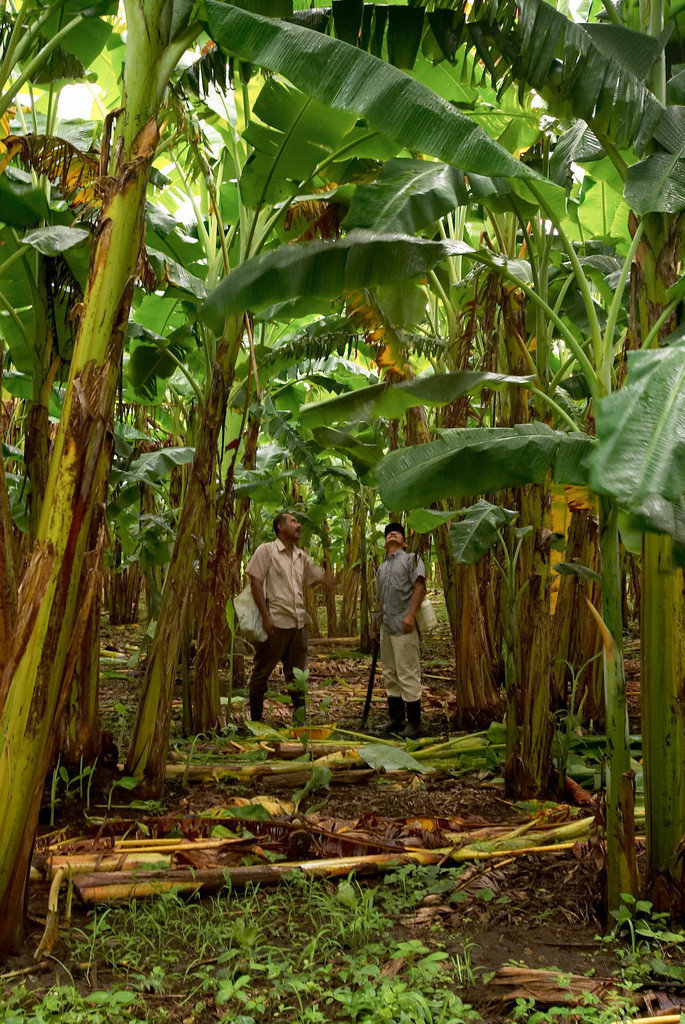
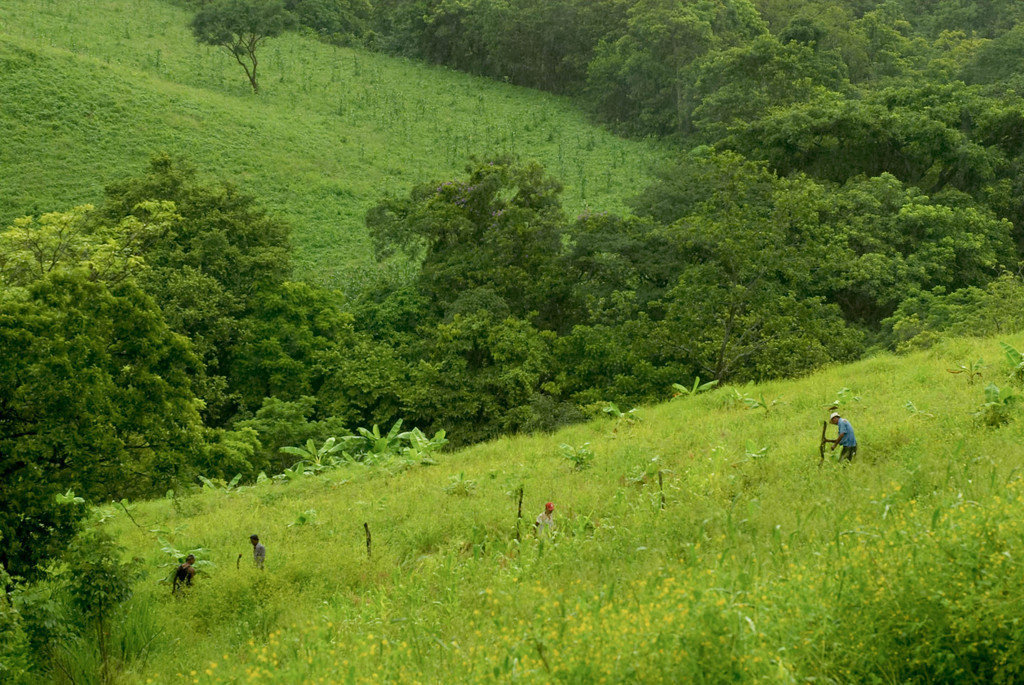
New crops have been established. The irrigation district has been reactivated for vegetables, passion fruit, and achiote. New planting techniques are being used, including: contour plowing, construction of dikes, and hedge rows.

Economic Development:

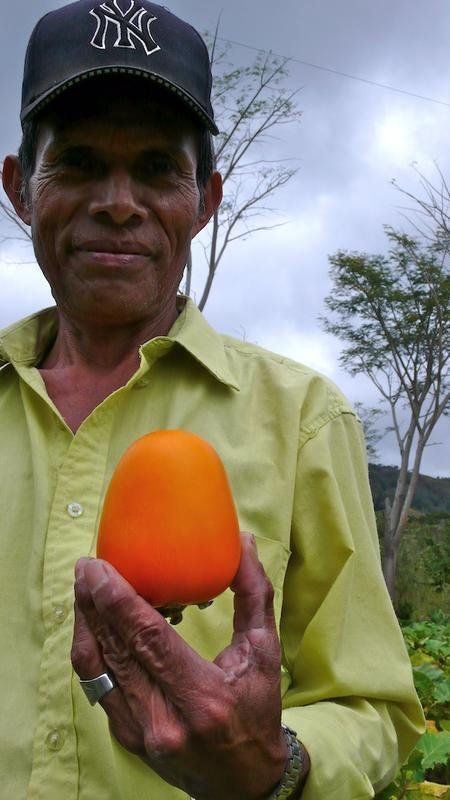
  • New crops were established, including: peppers, vegetables, yellow passion fruit, and achiote
  • Crop yields were negatively impacted by a virus transmitted by the white fly. Agronomists are working with the partners on how to deal with this pest.
  • Crops were sold in both the formal (Hortifruti) and informal market, including: 5,275 sweet Nathalie peppers, 3,724 pounds of jalapeño peppers, and 1,963 dozen Chiltoma peppers.
  • Training in modern agricultural techniques was held, with 24 men and 4 women participating.
  • A training exchange was held with the Matagalpa regional families to improve knowledge of modern agricultural techniques
  • Technical training was provided to 28 families in the general management of their coffee crop and in the cultivation of rice
  • Families are currently working with Hortifruti to be able to sell their passion fruit


Community Health and Well-Being:

  • 93% of the families participated in a parent school. Topics included family relationships, joint decision making, and respect.
  • Revolving credit funds were used for boots, machetes, school supplies, and medications
  • 25 families participated in growth groups
  • 41 children are involved in preschool or primary school
  • Community leadership training was held with six members of the board. Work focused on community planning, roles and responsibilities, and leadership activities
  • Staff worked with families on safe water and hygiene in the home. Containers with lids were purchased for community members. They were taught how to use bleach and how to boil water to make it safe for human consumption. The goal is to reduce the cases of diarrhea and parasites in community members.
  • Counseling was provided for one pregnant woman to ensure she is getting proper prenatal care and understands the benefits of an institutional delivery
  • One woman who recently gave birth was counseled on exclusive breastfeeding
  • Six children under the age of two are having their weight monitored. At this point, only one child appears to be underweight (a sign of potential malnutrition).
  • Children in the community received vaccines
  • The assembly chose new health leaders. The medical cabinet was transferred to a new volunteer in the community.


Lessons Learned: 

  • Health volunteers need better training and assignment of activities to ensure that the work is being done
  • Relationships with formal markets need to have contingency plans for when there is excess production
  • Each production process must have timelines that include sufficient time for land preparation, irrigation fittings, and supply purchases in order to avoid delays, losses, and increased production costs


Meet Francisca and Petronillo:

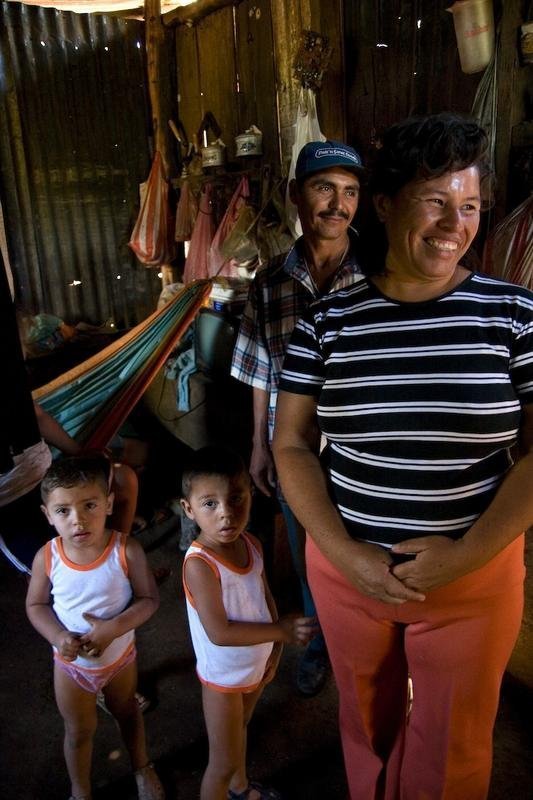
Dona Francisca and Petronillo live in San José with their six children. Before coming to San José, Francisca worked as a domestic employee and Petronillo worked on neighboring farms. With a meager diet of rice and beans, they struggled to find the strength to work and care for their children.

“Before we moved to San José, I had to leave my children and go outside the house for work,” shared Francisca. “Sometimes I would be gone for a month or two and others had to care for my children. But now, my energy is focused on my own children.”

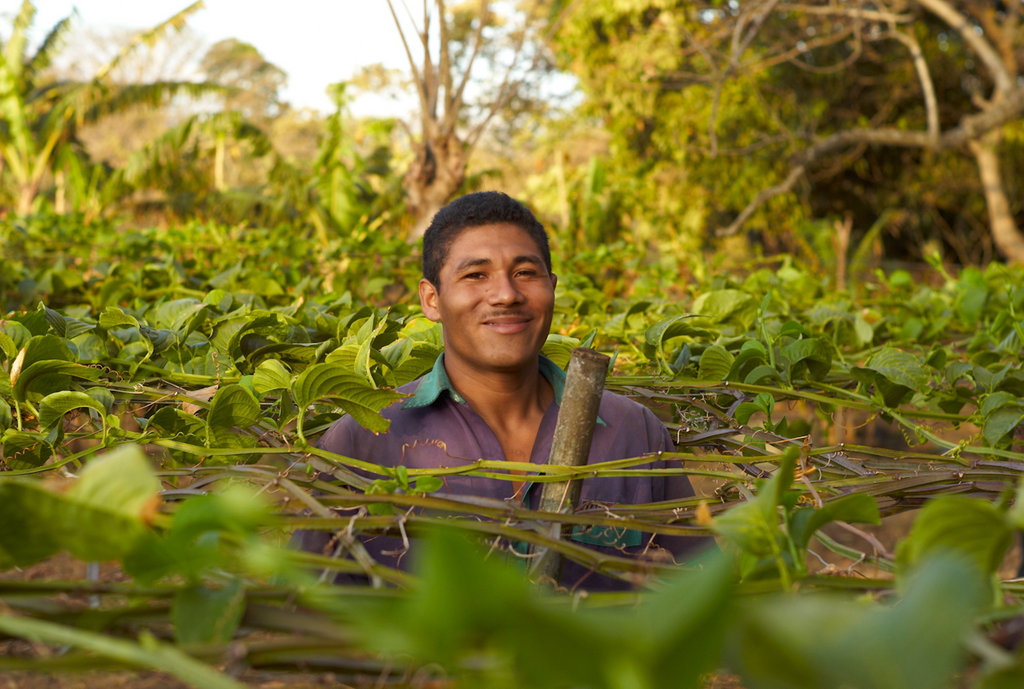
Petronillo continues to work their land. He has planted passion fruit and coffee. He shares, “I feel good in San José because God has given us the strength to work the land. I feel so much better than before. We have food to eat. I don’t work for anyone. I know that what I produce is my own and the land gives us what we need.”

Petronillo continues to dream of the day that they pay off their land loan and own their land. “My dreams are to pay the land and keep working for the well-being of my family. I look forward to passing on to my children a place where they can work.”

Share on Twitter Share on Facebook

About Project Reports

Project reports on GlobalGiving are posted directly to globalgiving.org by Project Leaders as they are completed, generally every 3-4 months. To protect the integrity of these documents, GlobalGiving does not alter them; therefore you may find some language or formatting issues.

If you donate to this project or have donated to this project, you can receive an email when this project posts a report. You can also subscribe for reports without donating.

Sign up for updates

Organization Information

Agros International

Location: Seattle, Washington - USA
Website:
Facebook: Facebook Page
X / Twitter: Profile
Agros International
Anna Lehn
Project Leader:
Anna Lehn
Seattle , WA United States

Retired Project!

This project is no longer accepting donations.
 

Still want to help?

Find another project in Nicaragua or in Economic Growth that needs your help.
Find a Project

Learn more about GlobalGiving

Teenage Science Students
Vetting +
Due Diligence

Snorkeler
Our
Impact

Woman Holding a Gift Card
Give
Gift Cards

Young Girl with a Bicycle
GlobalGiving
Guarantee

Get incredible stories, promotions, and matching offers in your inbox

WARNING: Javascript is currently disabled or is not available in your browser. GlobalGiving makes extensive use of Javascript and will not function properly with Javascript disabled. Please enable Javascript and refresh this page.