By Tina Kapoor | Head of Communications
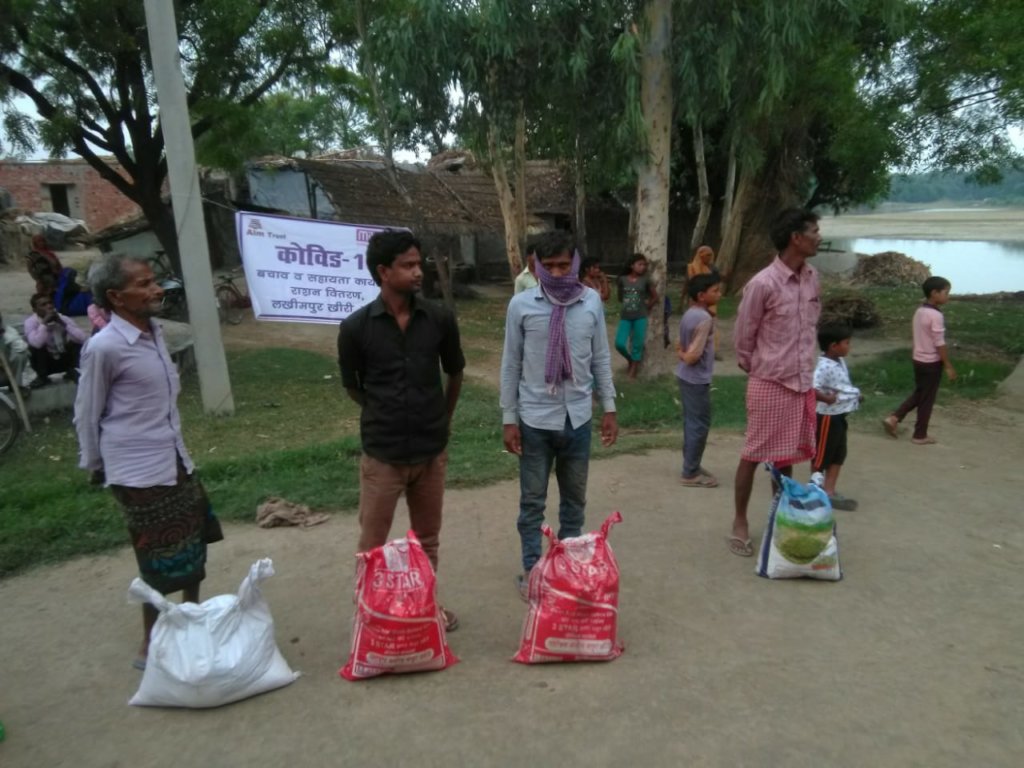
In rural Sitapur, Uttar Pradesh concerns about COVID-19 vaccines are now increasingly commonplace. A large majority of community vaccination camps were reporting very low or no vaccination uptake by the community.
Lack of health education, widespread myths and misinformation has been leading to vaccine hesitancy. Grassroots health workers have been struggling to respond to the rumors--that vaccines can cause impotence, for instance--and suspicions that the COVID-19 vaccine is a ploy by the government to kill people. Some people, also believe that they simply do not need vaccination. All of this is making it harder for them to convince people.
With each passing day, it is becoming increasingly clear that vaccinating the population against COVID-19 is key in preventing deaths and pausing the mutation of the virus into a stronger and more infectious variant. Out of the total population in India eligible for vaccination, a whopping 564 million of them reside in rural areas. The challenges of vaccinating the majority of India where poverty, lack of information, limited access to healthcare services, and illiteracy are widespread, vaccination efforts become a formidable task.
Milaan began investing in this urgent and critical movement by conducting primary research and assessing needs on the ground.
There is a dire need to address the vaccine hesitancy and mobilize communities to vaccination camps. Taj Banu, an ASHA worker with 15 years of experience in Aladatpur village where not a single person got vaccinated during the two-day free vaccination camp said, “There are many rumors going around about death and severe reactions after vaccination that makes people fear for their life. Even when I tell them that I am vaccinated and I am well and alive, they are still not willing to believe in the safety of vaccines”.
The team members of Milaan set out with the primary objective to understand the challenges of healthcare workers in influencing the people towards vaccination and what could be effective strategies to increase the rates of vaccination in the district. The team spoke to Health superintendents, ASHA, andANM workers to get a holistic and diverse perspective on the issue. The research entailed personal interviews with the above stakeholders and focus group discussions with ASHA and ANMs in 5 blocks of Sitapur.
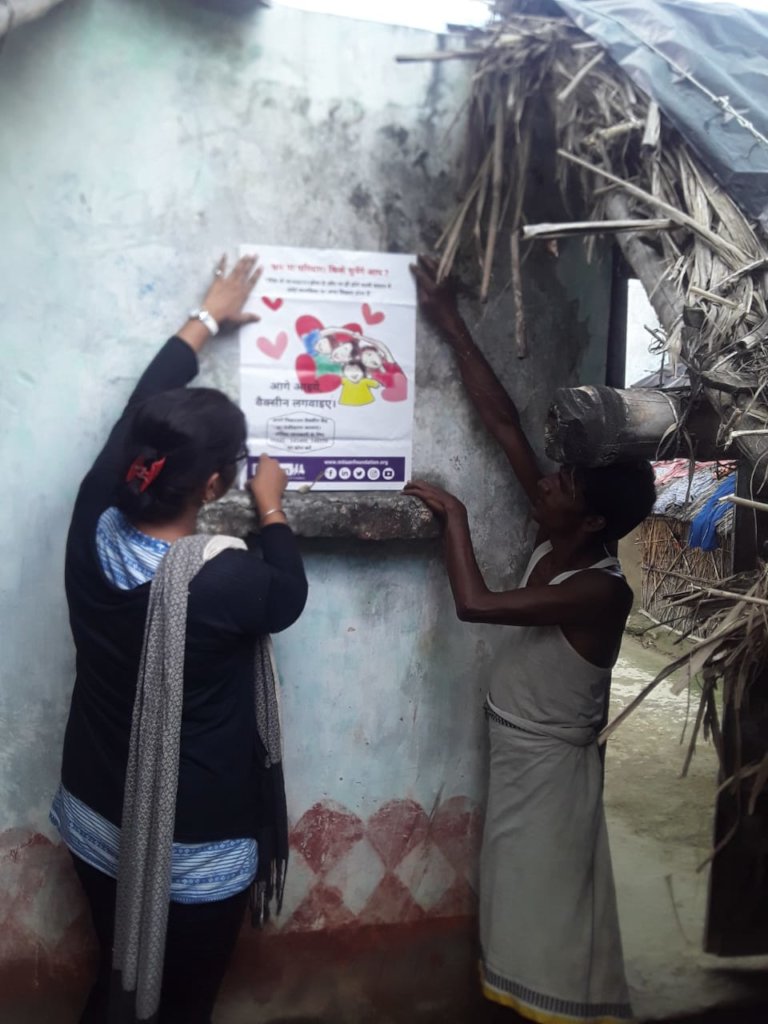
Saroj Kumari, an ANM in the Tambour block said, “Currently, we have no written or illustrative material to support our mobilization, it would be very helpful if we can distribute brochures or place posters around the villages to make people more aware of the precautions to take and persuade vaccination.”
Dr. Ali, the Health Superintendent at CHC Mohali that serves a population of 145,000 identifies the difficulties in mobilization as the trauma from falling sick and fever is deep and scary for the patients. From his interactions with community members, he shares, “People think, I am getting a vaccine to prevent fever and illness from COVID-19 but it is exactly what is happening to me in any case. So why should I - a healthy person at this moment - voluntarily go get jabbed and fall sick?” Added with this is the loss of livelihood and workday that puts financial strain on their income coupled with increased cost and expenses on treating the illness in case of complications. Therefore highlighting the preventive and precautionary purpose of the vaccine is highly challenging in communities that are poor and under-resourced who cannot afford to risk the loss of income or added expenditure today for a future mishap that may or may not occur.
Compiling our learnings and insights, it became increasingly clear that we must focus our attention on vaccination and delve into strategies to reduce recorded vaccine hesitancy, and enhance vaccination rates. As many challenges were presented in the study, we laid a plan that included the voices from the ground of stakeholders who understood the socio-cultural nuances that influence health-related behavior in communities.
Milaan is responding to the vaccine hesitancy by working directly with Community Health Centers and ANMs responsible for vaccination and working on increasing the vaccination rates. Supported by the primary research, we have identified 4 blocks in Sitapur with the lowest vaccination rates and high vaccine hesitancy; Reusa, Behta Tambour, Siddhauli and Rampur Mathura.
A range of appropriate BCC materials i.e. 4 posters, 1 leaflet, 1 booklet were developed in the Hindi language to provide accurate and scientific information that people easily understand and trust. With the objective to enable them to make informed decisions to adopt COVID-19 precautions and get vaccinated to protect themselves, their families, and communities.
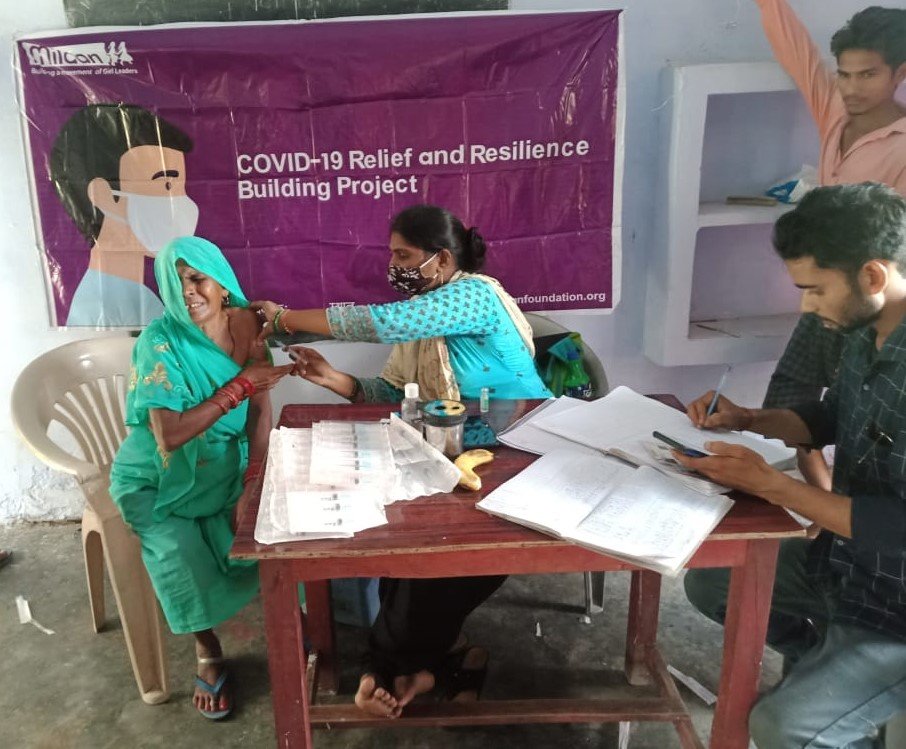
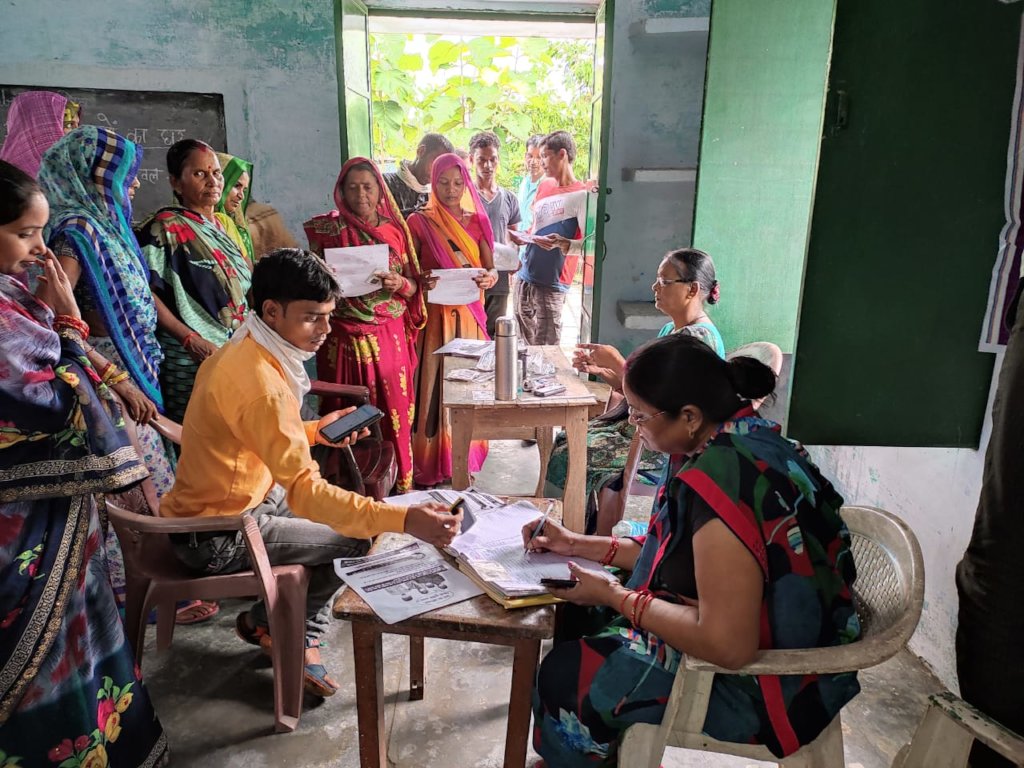
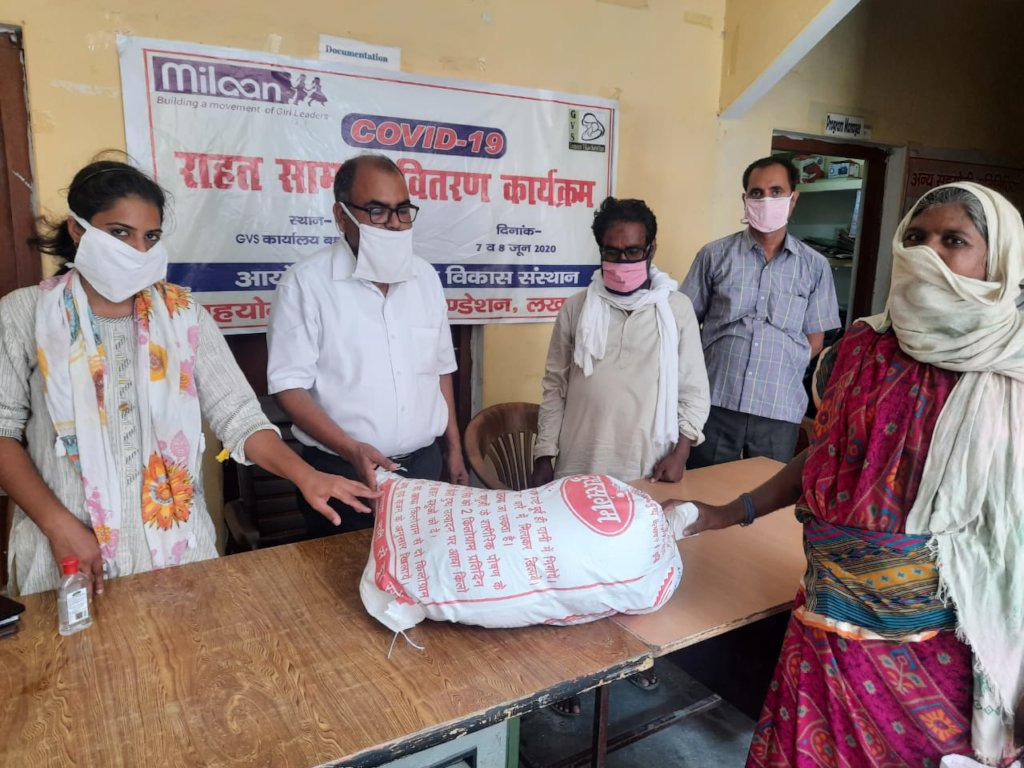
36 Milaan team members are closely working with CHCs to support frontline health workers for promoting COVID-19 appropriate behavior, holding community meetings, leading community mobilization for COVID-19 vaccination camps, planning and executing vaccination camps, and also provide logistical and documentation support required during the camp.
A total of 30,000 community members have been vaccinated with the support of our teams in all four blocks.
Your continued support to the project will strengthen our urgent and ongoing efforts to vaccinate the rural population in Uttar Pradesh.
Links:
Project reports on GlobalGiving are posted directly to globalgiving.org by Project Leaders as they are completed, generally every 3-4 months. To protect the integrity of these documents, GlobalGiving does not alter them; therefore you may find some language or formatting issues.
If you donate to this project or have donated to this project, you can receive an email when this project posts a report. You can also subscribe for reports without donating.