By Tina Kapoor | Head of Communications
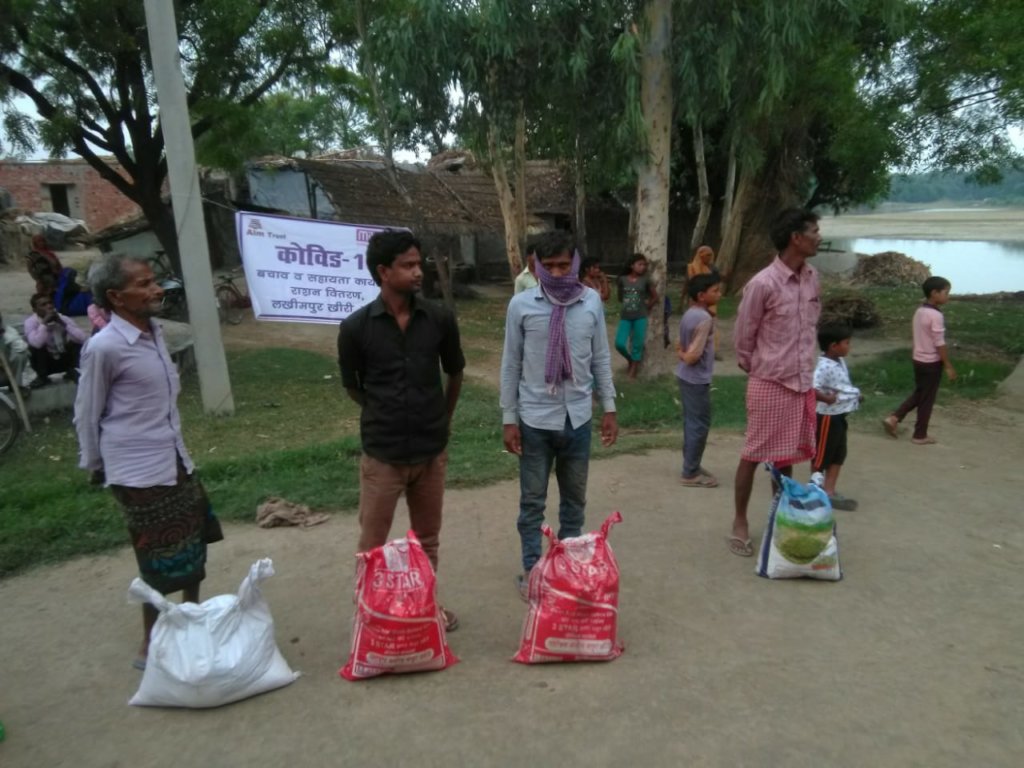
In the battle against COVID-19, rural areas were always the most vulnerable with inadequate testing facilities, healthcare, and lack of awareness. Unlike the first wave, the second wave has traveled deeper in rural areas of India and spreading much faster. The deadly second wave of COVID-19 has collapsed the biggest of health care providers in the country. Volunteers, organizations, and the government have tirelessly been working to provide aid and fulfill the shortage of oxygen, beds, and medicines in urban India.
Already, rural areas are the most vulnerable with inadequate testing facilities, healthcare and a rising crisis of an acute shortage of basic medicines to treat Covid-19 has crumbled the very few and handful health care services in rural villages. In the state of Uttar Pradesh, where the largest population of India resides, the common and growing fear of ‘Viral fever’ has left the villagers helpless. Rural areas are far from getting oxygen cylinders, a large majority of the population in villages are succumbing to death due to medicine shortage to treat even the mildest symptoms of Covid-19 such as fever. Lack of or limited access to testing capabilities means a large majority of cases are neither detected nor recorded. With no access to even the most basic of medicines like Paracetamol, Zinc, Vitamin C, Antibiotics along with the absence of oximeters and thermal scanners, etc, the community health workers are left powerless and burdened against the growing cases.
A plethora of evidence continues to be highlighted by the medical fraternity around the world that the most common symptoms of Covid-19 such as fever, cough, etc can be treated at home with routine antibiotics. According to WHO, 80 percent of people recover from Covid-19 without needing hospital treatment. With either no health care centers or collapsed ones, most of the common symptoms of COVID-19 cases are failing to be treated, leading to unprecedented deaths in rural areas of Uttar Pradesh.
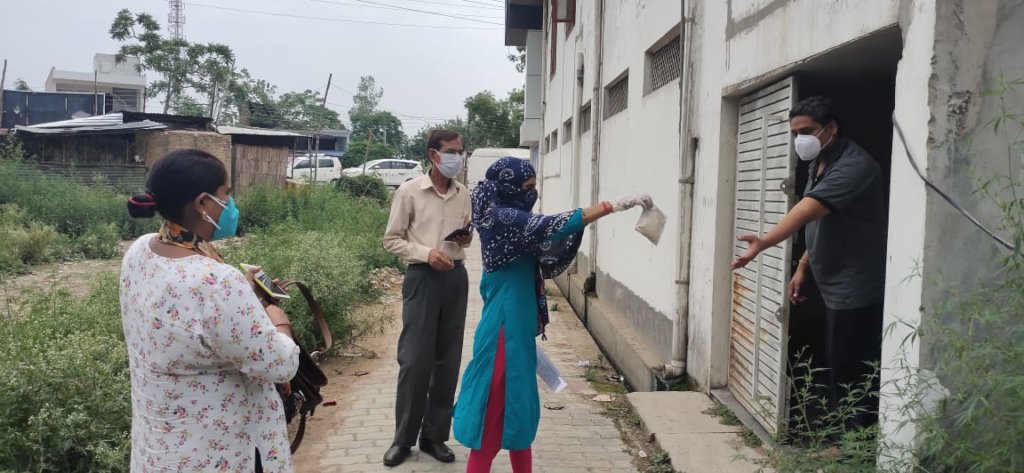
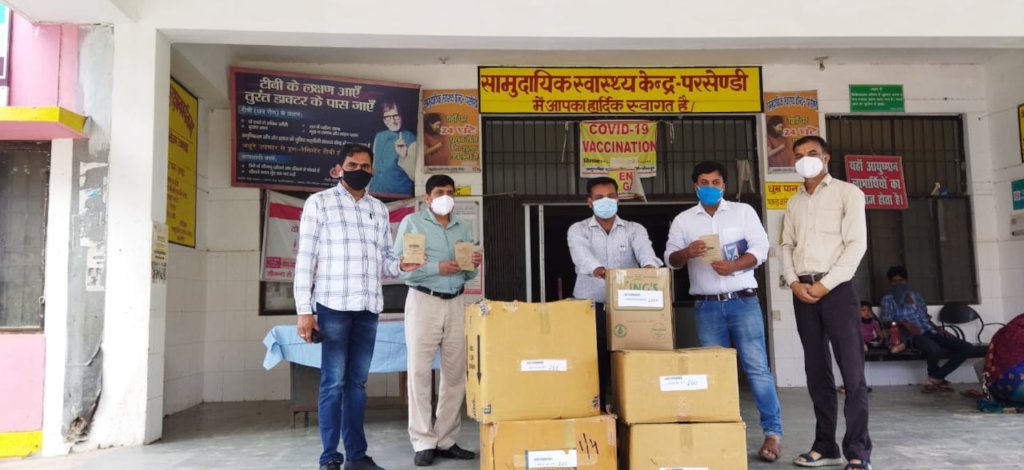
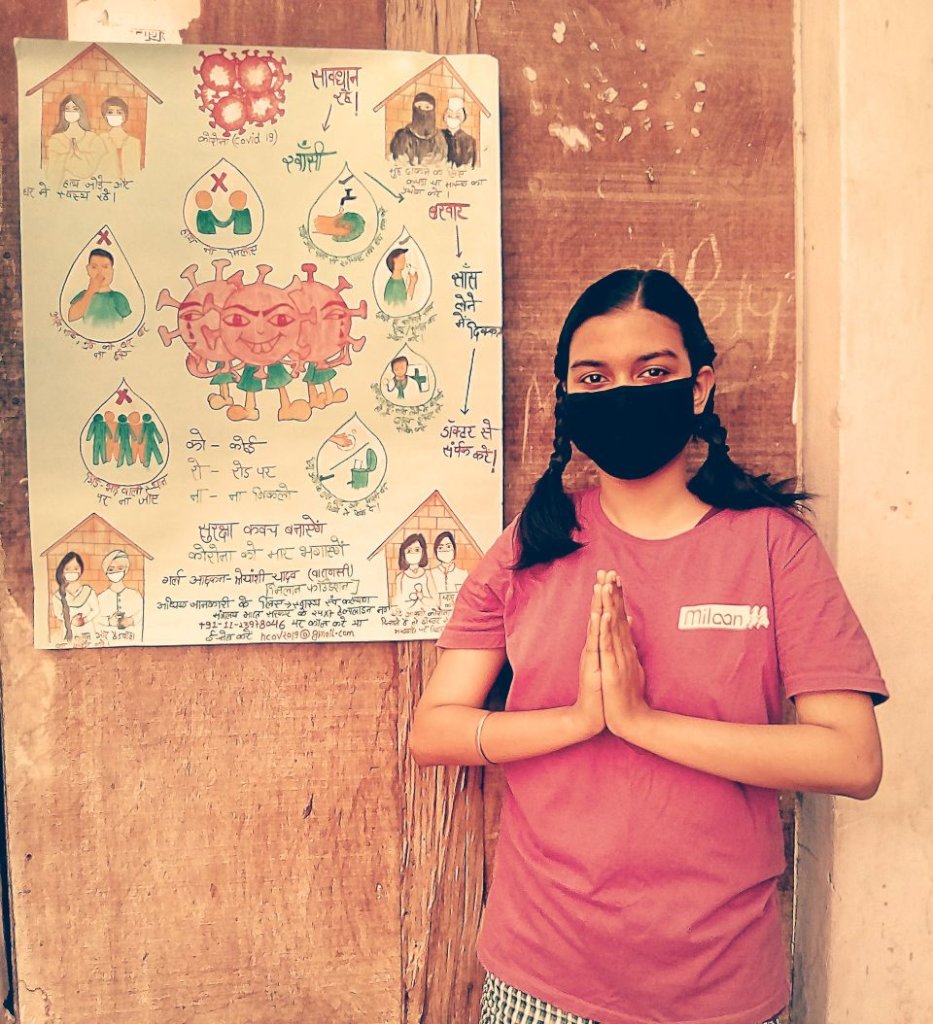
For the last 13 years, Milaan has been committed to serving the most vulnerable communities in Sitapur, Uttar Pradesh where 80% of its population is under the poverty lines. With our school situated in the heart of Sitapur, our COVID-19 rapid response team is working directly with the ONLY health delivery infrastructure of the government in Sitapur and supporting 17 Community Health Centers and a resilient workforce of 1000+ women frontline health workers known as ASHA and ANM.
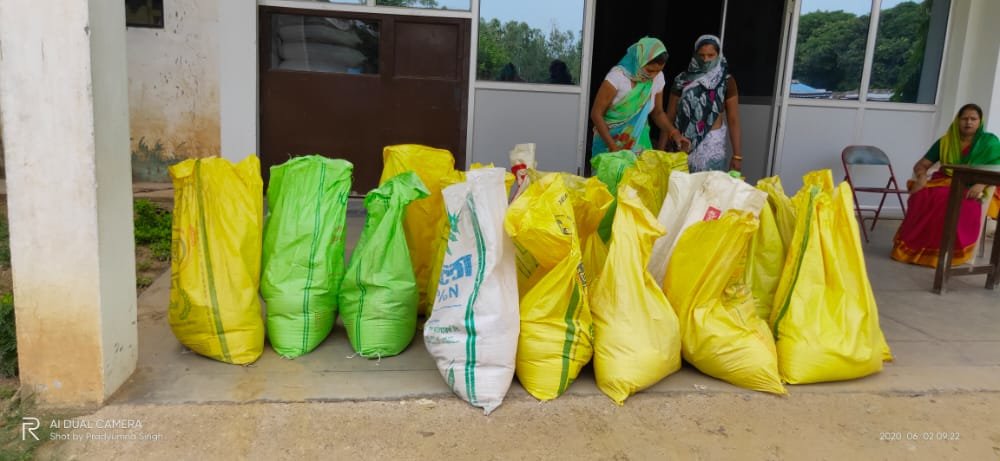
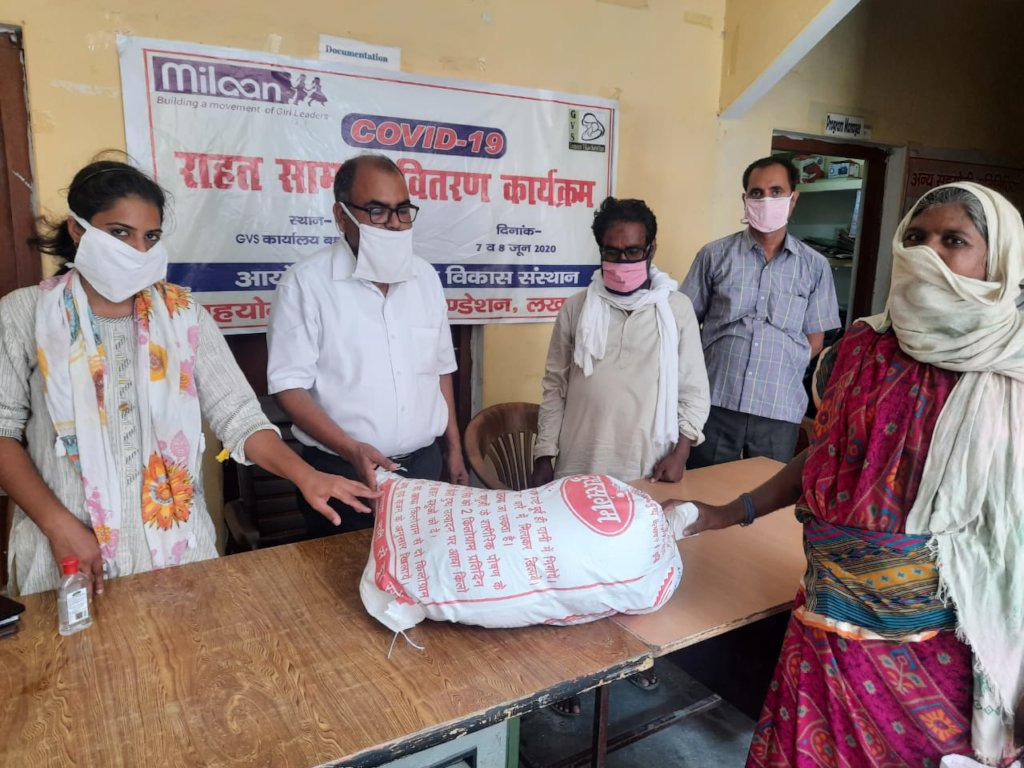
With support from donors like you, we have been able to respond to the most pressing need of basic medicines required to treat COVID-19 patients and deliver 10,000 medicine kits consisting of the most essential medicines required to treat the symptoms of COVID-19 in-home care. This has further enabled the army of ASHA and ANMs who work within the communities and visit families to effectively respond and stop the spread of the virus.
The need in rural areas is much graver, as rural communities battle the second wave and prepare for the third, actively responding to the urgent needs of healthcare systems in these villages and taking action can save millions of lives. Our goal to deliver 10,000 medicine kits has grown to 50,000 medicine kits in a matter of few days. Your continuous support and action can help us deliver a large-scale impact and serve the most vulnerable voices of India.
Links:
By Tina Kapoor | Head of Communications
By Tina Kapoor | Head of Communications
Project reports on GlobalGiving are posted directly to globalgiving.org by Project Leaders as they are completed, generally every 3-4 months. To protect the integrity of these documents, GlobalGiving does not alter them; therefore you may find some language or formatting issues.
If you donate to this project or have donated to this project, you can receive an email when this project posts a report. You can also subscribe for reports without donating.