By Eashaan Kappagantula | Donor Reporting Manager
Access to school is now recognised as a non-negotiable part of a child’s right to education. It is enshrined in law and is widely accepted in practice. The Right to Education Act that was passed by the Indian parliament in 2009 lays down norms that each school should aim for, the processes to put in place, and the qualifications that teachers should have. Parents, politicians, planners, and policymakers are united in their conviction that all children should be in school. But India’s success in expanding access and extending the reach of education is creating new challenges, as standards struggle to keep up with rising expectations.
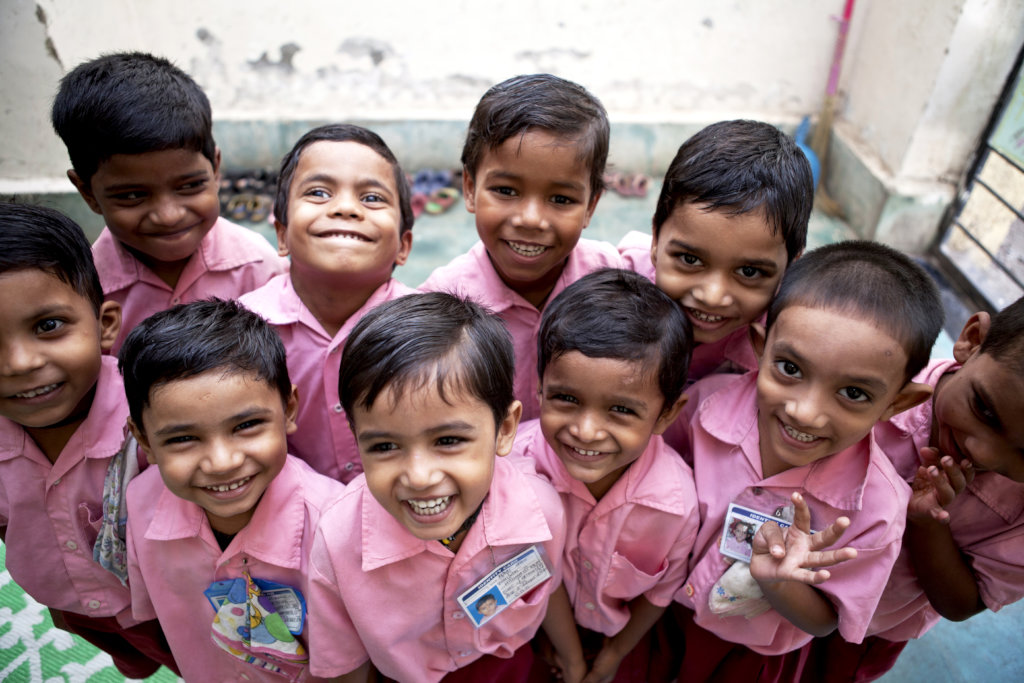
The challenge is still remains quality of education available for poor in the country. Children attending government runs school are largely children from marginalized communities, most of these children are first generation learners. The vicious cycle of poverty sustains over the poor quality of education. Children living in acute poverty are not enrolled in Preschool and left without access to Early Childhood Education, Getting the foundations right carries huge future benefits: better learning in school and higher educational attainment, which results in major social and economic gains for society. Research shows that good quality early learning, early childhood education and early childhood development (ECD) programmes help to reduce the chances of dropout and repetition and improves outcomes at all levels of education. These children when enrolled in primary grades find education as traumatising experience and find it difficult to cope with it.
Without strong foundational skills, it is difficult for children to cope with what is expected of them in upper primary grades. Majority of the children need immediate help in acquiring foundational skills in both literacy and numeracy. While enrolment rates have steadily increased and we move towards achieving universal enrolment in the country, quality of primary education is rapidly becoming an area of interest. The ASER Report of 2018 notes that among grade 3 children in rural India, only 27 percent can read a grade 2 level text and 28 percent can at least complete subtraction problems. ASER 2018 also reveals that only a quarter of the children in grade III are at the right grade level. More than half the children in grade VIII are still struggling with Division. In the current educational system, once students fall behind on foundational literacy and numeracy, they tend to maintain flat learning curves for years, perpetually unable to catch up. For many students, this has become a major reason for not attending school or dropping out altogether.
Save The Children India, with its range of programmes in the Education space, help uplift these children, and set them on a path of grwoth and learninng.
With the generous support from funders like you, we continue to aid thousands of such children in India achieve their dreams.
By Jyoti Nale | Programme Director
By Jyoti Tajane | Project Leader
Project reports on GlobalGiving are posted directly to globalgiving.org by Project Leaders as they are completed, generally every 3-4 months. To protect the integrity of these documents, GlobalGiving does not alter them; therefore you may find some language or formatting issues.
If you donate to this project or have donated to this project, you can receive an email when this project posts a report. You can also subscribe for reports without donating.