By Nasser Rego | Fundraising Consultant
Our Graduate Student Seminar Wraps Up Its 11th Round
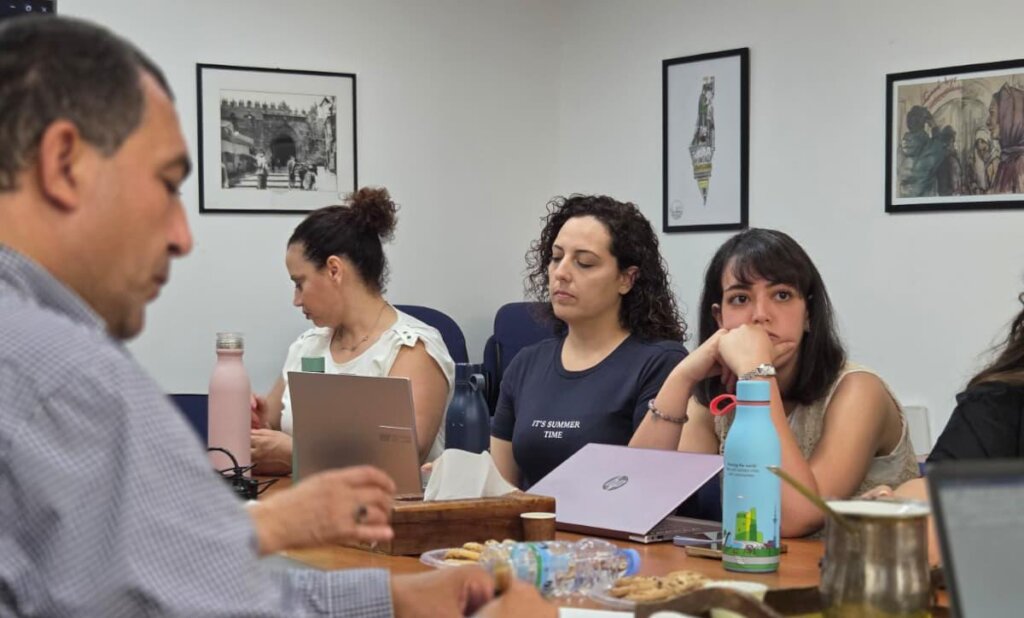
In June 2026, Mada al-Carmel finished the eleventh round of its seminar for Palestinian graduate students. The final session took on a question every young researcher runs into sooner or later: how do you write about what matters to you, and actually get it published?
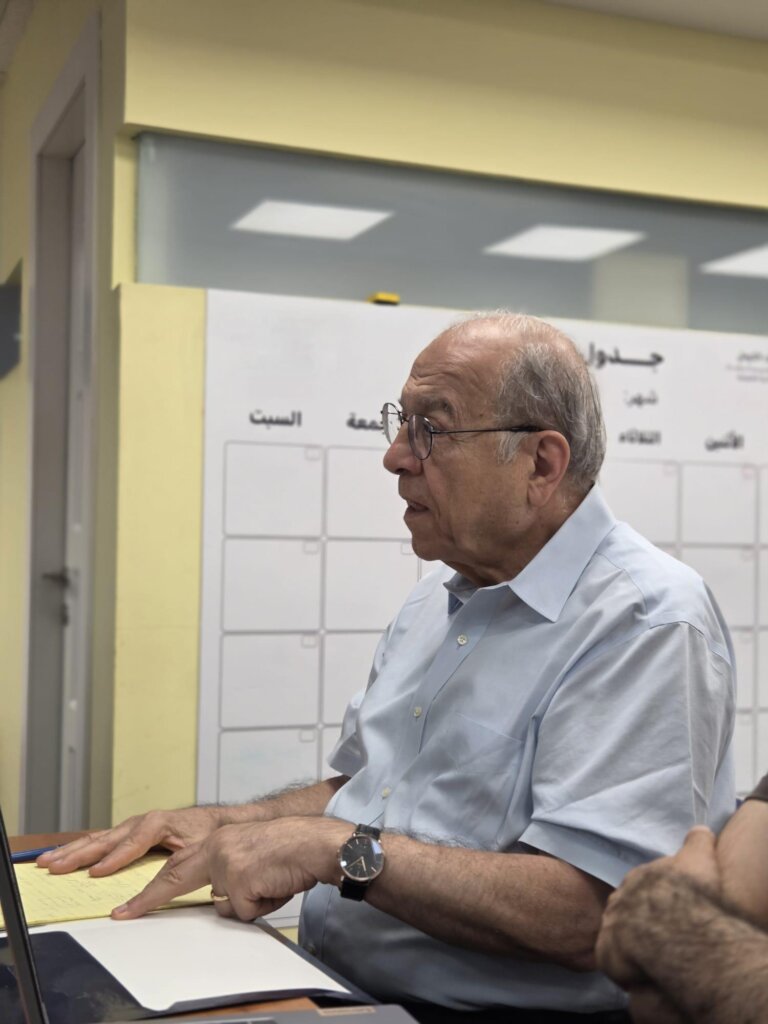
The session was led by Professor Nadim Rouhana, who founded Mada al-Carmel and now teaches international affairs and conflict studies at Tufts University's Fletcher School. He returned to the seminar as its founder, speaking from long experience with the very problems these students are only beginning to face.
The seminar runs through the academic year. It gives graduate students a regular place to talk with each other and with Palestinian scholars about their work - their methods, their questions, and what it means to research your own society from the inside.
Getting Published Is About More Than Picking a Journal
The session looked at academic publishing from a Palestinian researcher's point of view. Choosing a journal and getting through peer review are the easy parts to name. Underneath them sits a much bigger system that shapes who gets published, in which language, and on whose terms.
Students talked about what happens when they write on critical subjects. Some of the pressure is open. Much of it is never said out loud, but everyone in the room could describe it. The conversation kept returning to a choice that comes up early in a career: publish in top-ranked international journals, or publish on platforms that reach far more readers.
Both matter, but they count differently. Peer-reviewed articles are what universities require for promotion. Writing for intellectual and research platforms - especially Arabic-language ones - often travels further and means more to the people it is about, yet universities rarely give it any weight.
Peer Review, Self-Censorship, and What Is Changing
Participants shared their own experiences with peer review. They also spoke frankly about censorship - the kind that comes from institutions, and the kind researchers end up applying to themselves when writing about politics. These things are hard to say out loud in most academic settings. That they were said here says a lot about the trust the seminar has built.
Professor Rouhana described how international journals have changed in the way they handle Palestinian scholarship. As critical thinking has spread across global academia, more room has opened up for publication and debate. The shift is slow and uneven, but it is real - and students can prepare for it rather than wait on it.
He also got practical. Plan for publication while you are still a graduate student, he told them, whether you are writing a traditional dissertation or building toward a set of articles. Early choices about how a project is framed and divided up decide a great deal about what you can publish later.
Looking Back, and Awarding Scholarships
The session ended with a group review of the whole year. Several students said what the seminar had meant to them: a Palestinian academic space, held in Arabic, where they could think critically and compare notes honestly. There are very few places like it. Most of these students study, and will go on to teach, at Israeli institutions, where this kind of conversation is hard to have.
Scholarships were then awarded to the students who qualified. For graduate students covering research costs on top of everything else this period has asked of them, a grant is often the difference between carrying on and stopping.
Thank You
Eleven rounds of this seminar are now behind us. Students from the early rounds are lecturers, researchers, and mentors today, several of them returning to teach the students who followed. That happened because donors were willing to fund something slow, with results that take years to show.
Your support keeps this space open. It covers the sessions, the travel that brings students together across a fragmented geography, and the scholarships that let a student finish a chapter instead of picking up extra work.
Please consider giving again, so the twelfth round can open the way the eleventh closed - with students who are better equipped, better connected, and surer that their work matters.
We've just opened a new project on GlobalGiving speaking specifically to the PhD Program, of which the seminar is a key component - https://www.globalgiving.org/projects/open-two-more-seats-10-years-of-madas-phd-program/
Thank you for standing with Mada al-Carmel, and with the Palestinian scholars whose research is shaping how Palestine is understood.
Links:
By Nasser | Fundraising Consultant
By Nasser | Fundraising Consultant
Project reports on GlobalGiving are posted directly to globalgiving.org by Project Leaders as they are completed, generally every 3-4 months. To protect the integrity of these documents, GlobalGiving does not alter them; therefore you may find some language or formatting issues.
If you donate to this project or have donated to this project, you can receive an email when this project posts a report. You can also subscribe for reports without donating.


Support this important cause by creating a personalized fundraising page.
Start a Fundraiser