By Rustica Tembele | Project Leader
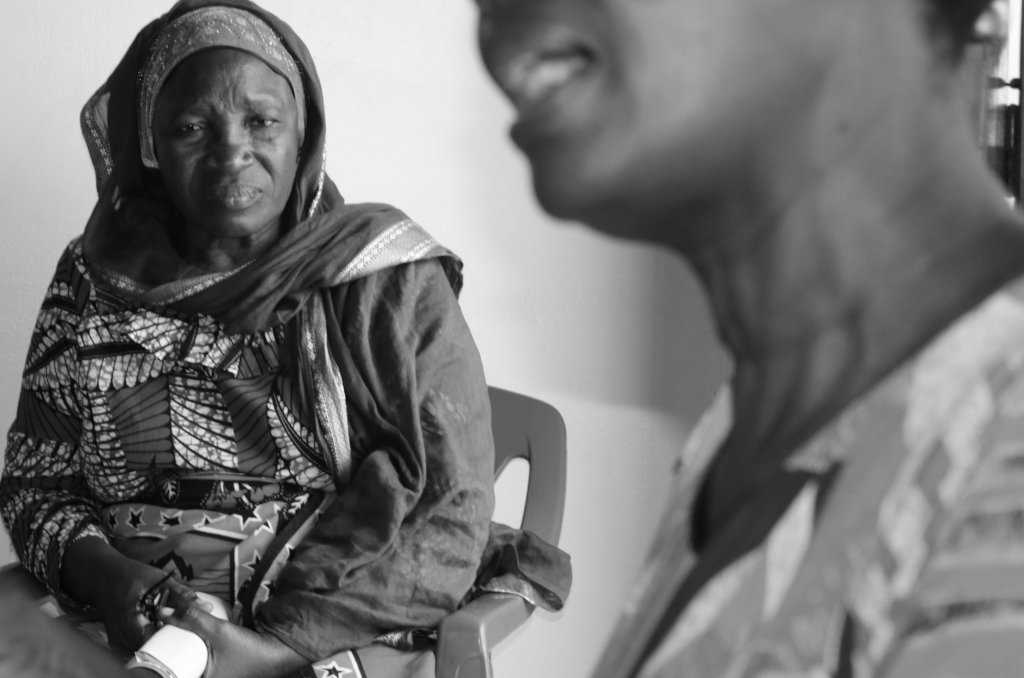
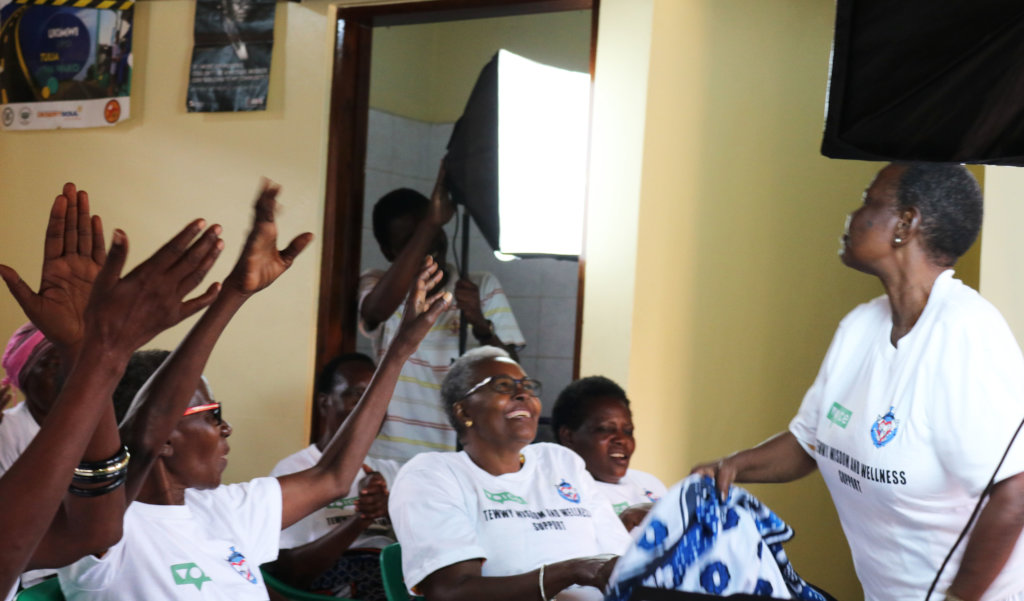
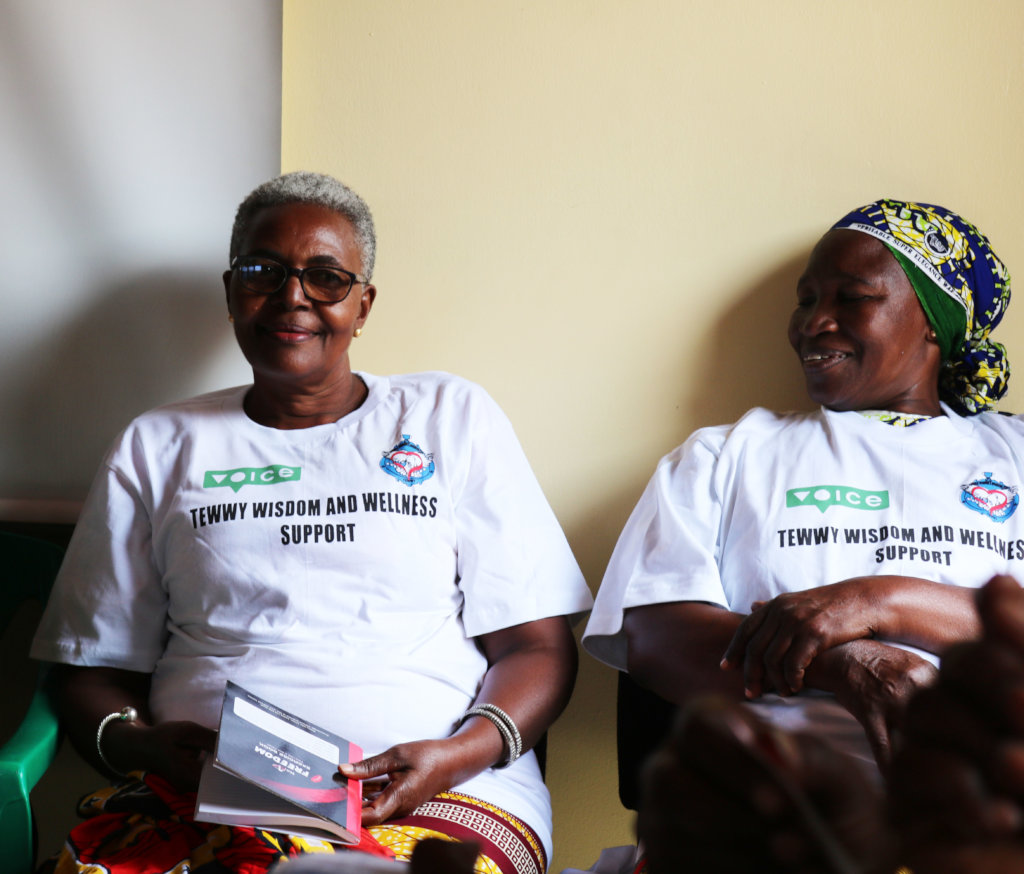
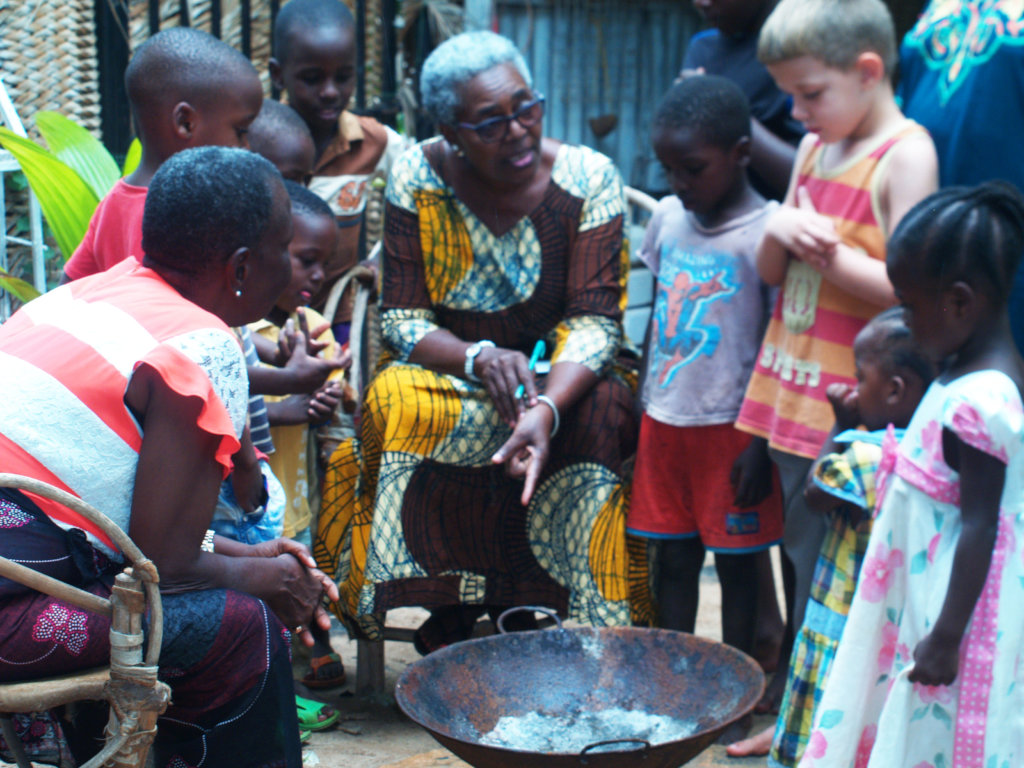
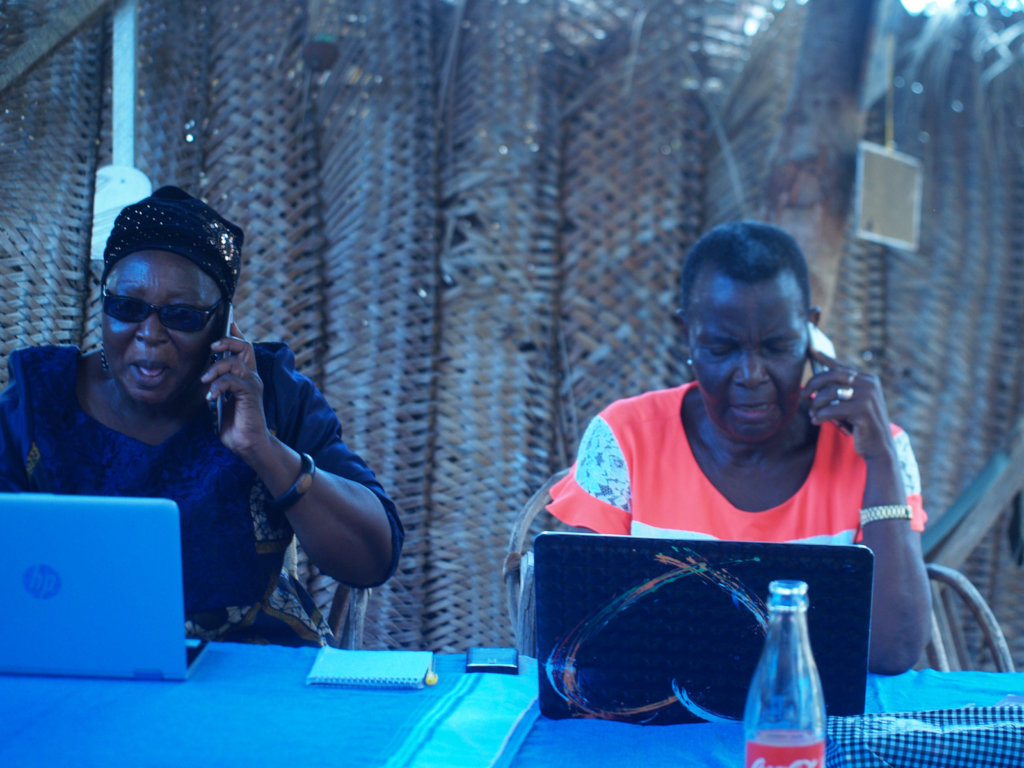
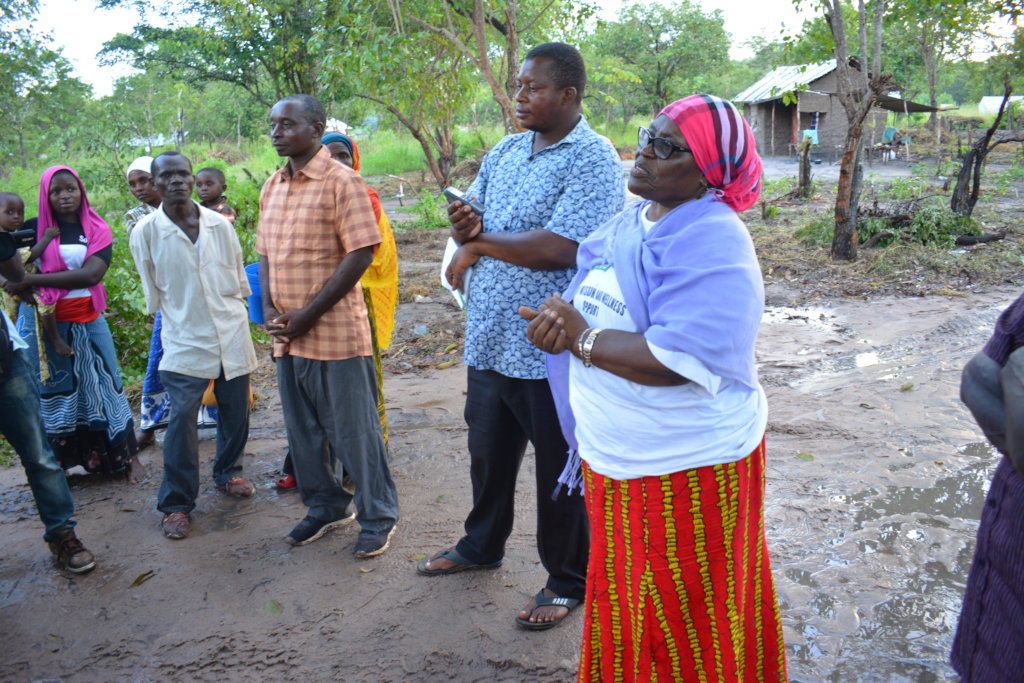
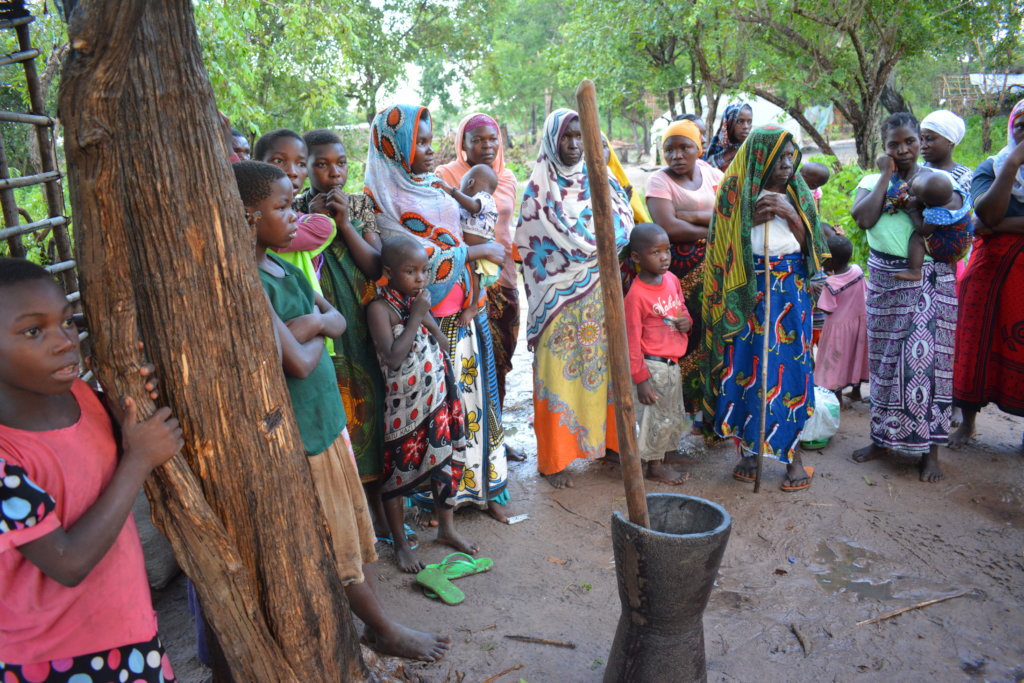
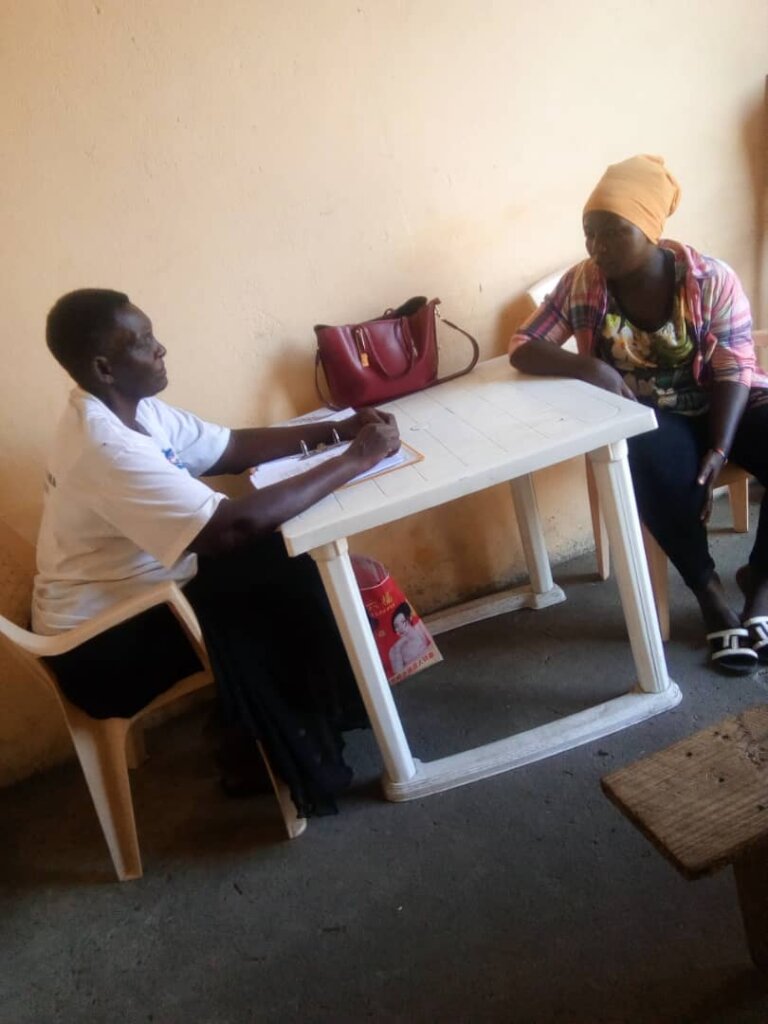
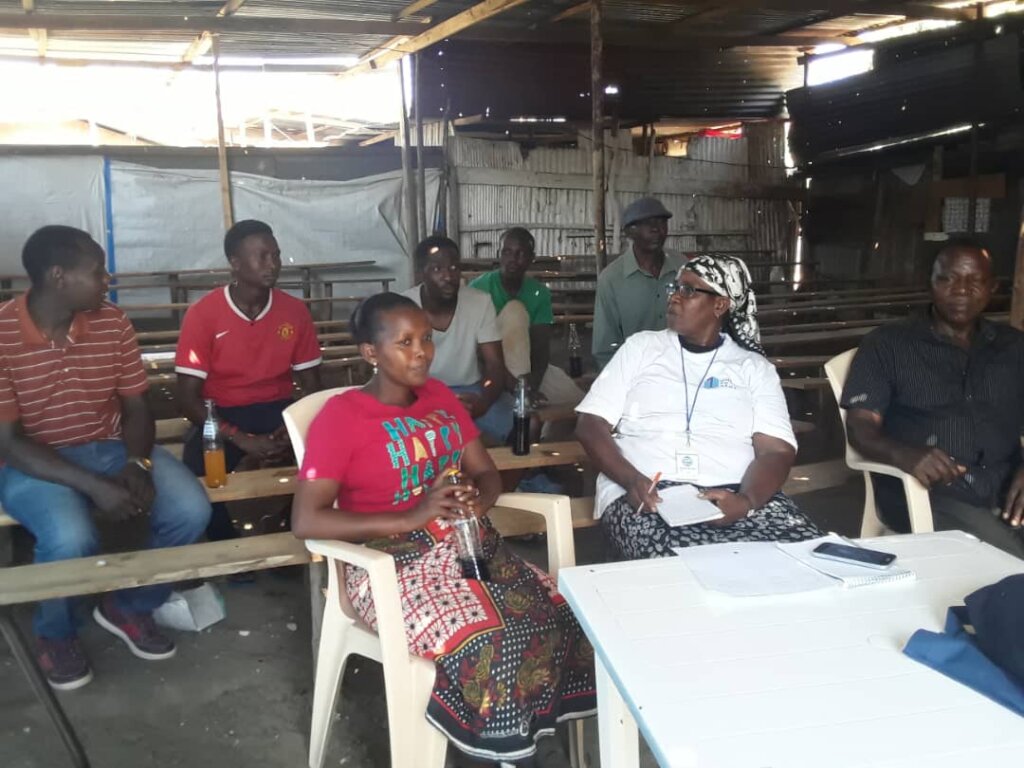
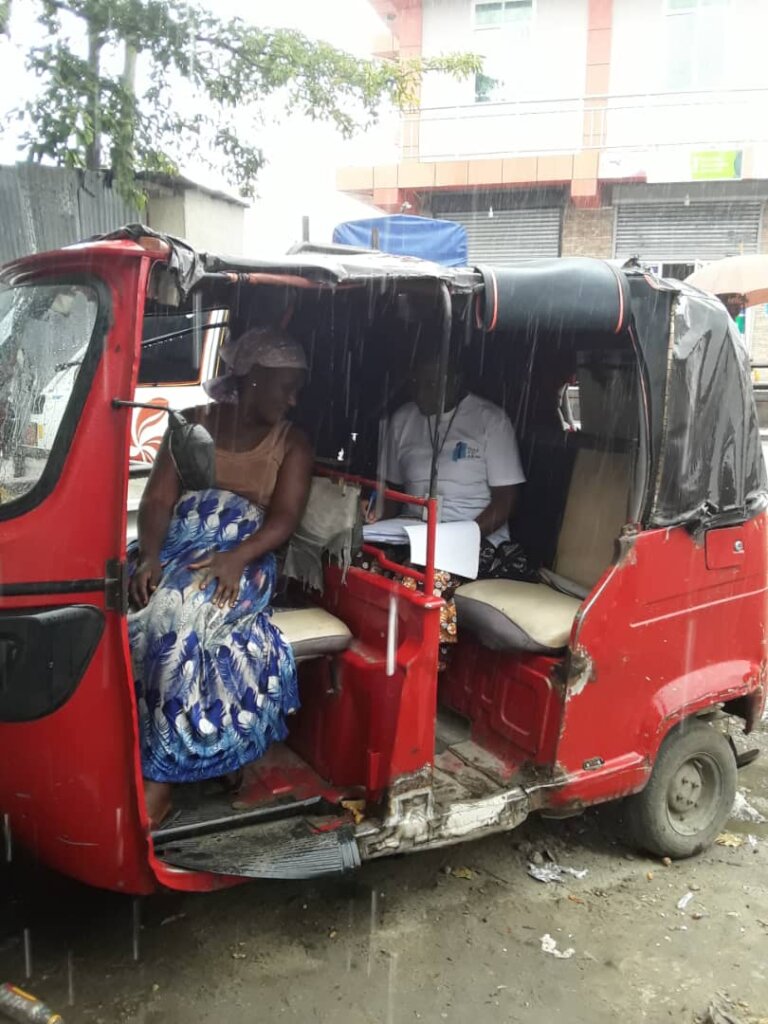
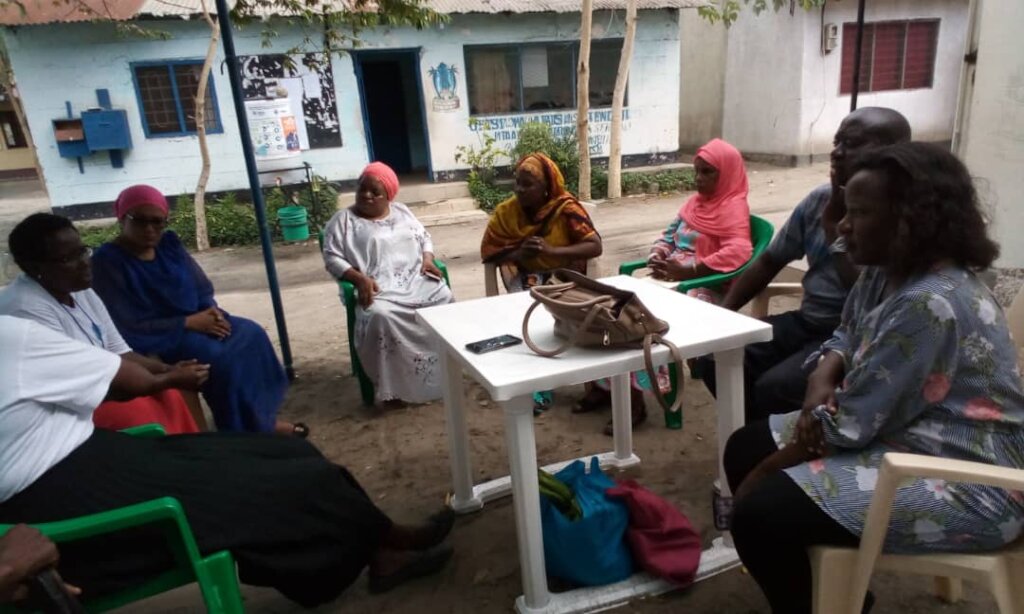
During the reporting period, TEWWY continued to provide mental health and psychosocial support services to members of the community facing different life challenges. On average, the organization reached about 168 clients per week through counseling, advocacy, education, and awareness activities.
Many of the people who sought help were dealing with emotional stress, financial difficulties, family problems, and mental health concerns that continue to affect their daily lives and well-being.
Major Issues and Complaints Reported Health ChallengesA large number of clients reported struggling with both physical and mental health problems. Many people were experiencing stress, anxiety, depression, and emotional exhaustion, often made worse by difficult living conditions and lack of support services.
Grief and LossCases of grief were also common. Several clients were coping with the loss of loved ones, which left them emotionally distressed and struggling to move forward with their normal lives.
Financial DifficultiesPoor income status remains one of the biggest challenges affecting many families. Clients shared concerns about unemployment, low household income, and the inability to provide for basic needs such as food, healthcare, and education. These financial struggles continue to place heavy emotional pressure on families.
Family ProblemsTEWWY also handled many cases involving family misunderstandings, conflicts between partners, and breakdowns in communication within households. In some situations, these conflicts negatively affected children and contributed to emotional distress among family members.
Relationship and Sexual CrisesYoung people in particular reported challenges related to relationships, including infidelity, emotional abuse, and unhealthy sexual relationships. These situations often resulted in stress, trauma, and feelings of hopelessness.
Education-Related ChallengesMany parents and guardians expressed concern over their inability to pay school fees for their children because of poor financial conditions. This has affected children’s education and increased stress within families. The issue strongly connects with Bulletin 3, which highlights the impact of poverty on vulnerable households.
Sexual Abuse CasesTEWWY received disturbing reports of sexual abuse involving children and young people. Some victims experienced severe emotional trauma, depression, and suicidal thoughts as a result of the abuse. These cases show the urgent need for stronger child protection and mental health support services within communities.
Addiction and Substance AbuseAddiction was another major issue affecting individuals and families. Many people struggling with addiction lose control over their actions and continue using drugs, alcohol, or other harmful substances despite the negative impact on their health, relationships, and livelihoods. Substance abuse has contributed to broken families, job loss, and worsening mental health conditions.
RecommendationsThe challenges reported during this period show that many individuals and families in the community continue to face serious social, emotional, and economic difficulties. Despite these challenges, TEWWY remains committed to supporting vulnerable people through counseling, advocacy, education, and mental health awareness programs. With stronger partnerships and increased support from government and other stakeholders, TEWWY can continue making a meaningful difference in the lives of the people it serves.
By Rustica Tembele | Project Leader
By Rustica Tembele | Project Leader
Project reports on GlobalGiving are posted directly to globalgiving.org by Project Leaders as they are completed, generally every 3-4 months. To protect the integrity of these documents, GlobalGiving does not alter them; therefore you may find some language or formatting issues.
If you donate to this project or have donated to this project, you can receive an email when this project posts a report. You can also subscribe for reports without donating.