By Geoffrey Anguyo | PROJECT LEADER
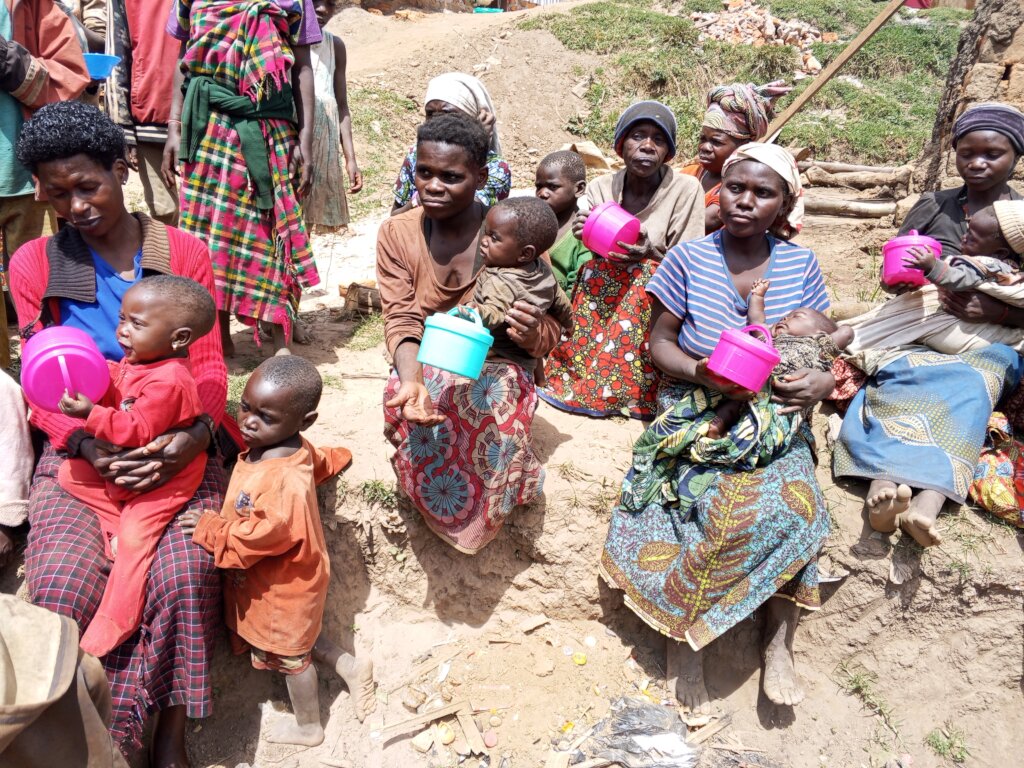
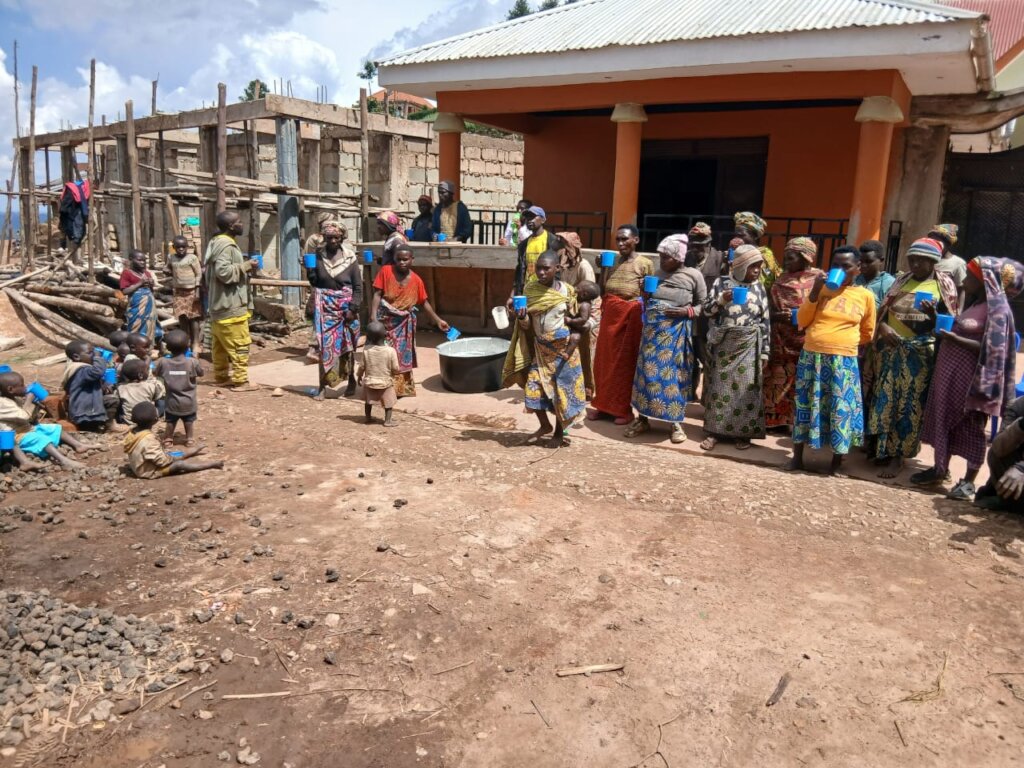
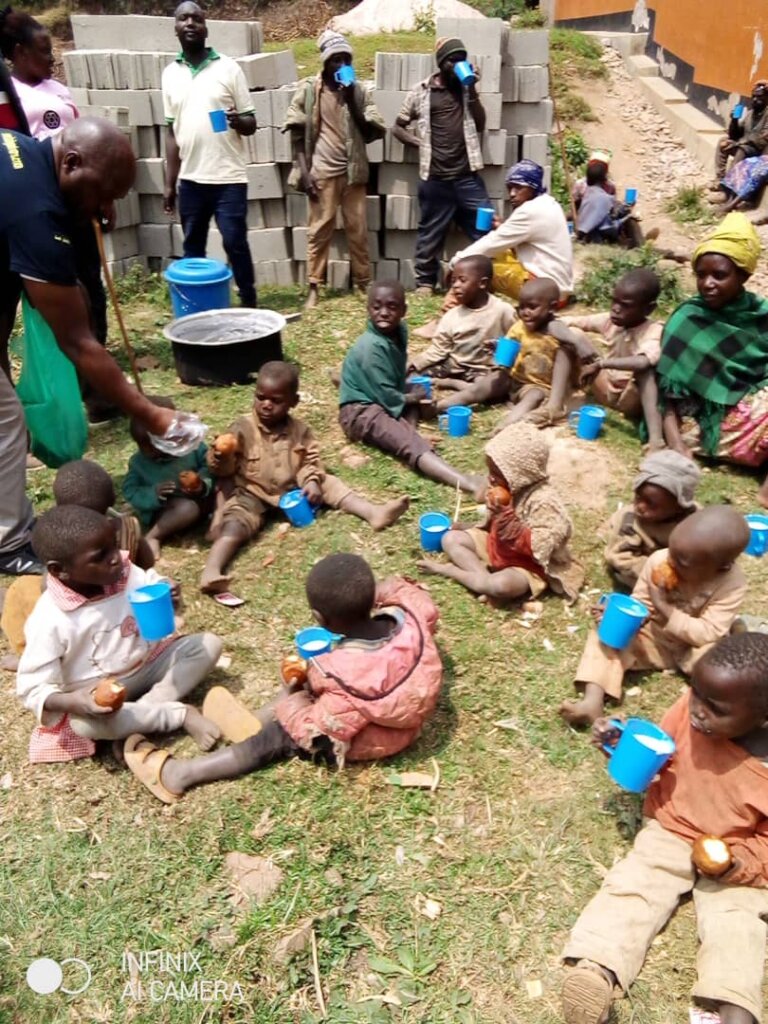
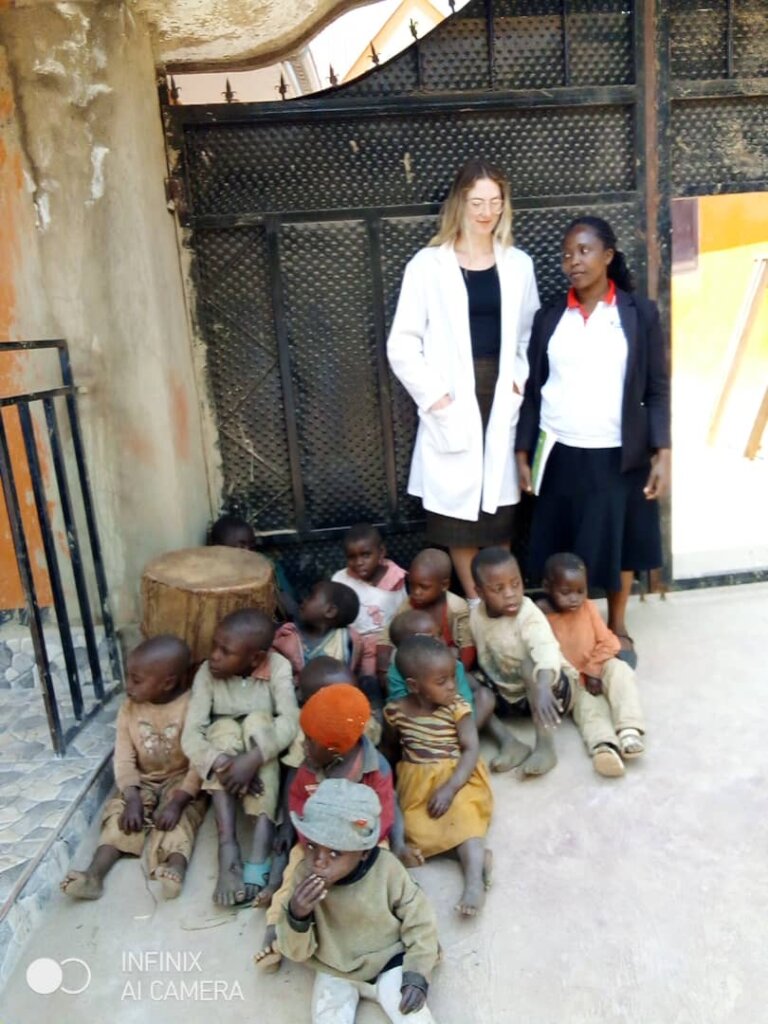
Kigezi Healthcare Foundation has put over 50 Batwa children on feeding program because of severe Malnutrition. Since the Batwa were removed from their Natural habitat that is the Bwindi Impenetrable Forest to pave way for the protection of the endangered mountain gorillas, they have been living on hand to mouth. They are not used to growing crops and having their own food. They are either begging or they go around digging for food. The whole community has no food and this affects the children under five more than the rest of the population because their protein need is extremely high as a result of the rapid growth needs. A number of children are breastfeeding up to two years without any additional feeds. Every Monday the whole community gets porridge as a sign of solidarity to keep the in the project. The children with malnutrition feed from Monday to Friday. A small kitchen has been put up to support this program. We need more support so that we can enrol more children into the program. Weight and Mid upper arm circumference are taken every month to monitor growth. Nutrition advice is given to the mothers on how best to feed the children.
High incidences of climate-sensitive and waterborne illnesses—such as malaria and gastrointestinal diseases—interact with poor diets to worsen acute malnutrition and wasting.Prolonged droughts and unpredictable weather patterns reduce crop yields, compounding food shortages and maternal stress during pregnancy.Limited access to community health education regarding appropriate infant feeding practices and balanced meal preparation contributes to poor dietary quality. Children are born with low birth weight because the mothers do not have adequate food during pregnancy.
By ADANIA KEZZY | PROJECT LEADER
By Geoffrey Anguyo | project Leader
Project reports on GlobalGiving are posted directly to globalgiving.org by Project Leaders as they are completed, generally every 3-4 months. To protect the integrity of these documents, GlobalGiving does not alter them; therefore you may find some language or formatting issues.
If you donate to this project or have donated to this project, you can receive an email when this project posts a report. You can also subscribe for reports without donating.



Support this important cause by creating a personalized fundraising page.
Start a Fundraiser