Project Report
| Apr 14, 2026
Mounting Barriers to Healthcare: Syrian Refugees in Turkey Struggle with Rising Medical Costs
By AMAL ALUMMA ORGANIZATION INC | Project leader
![]()
Dear Donor
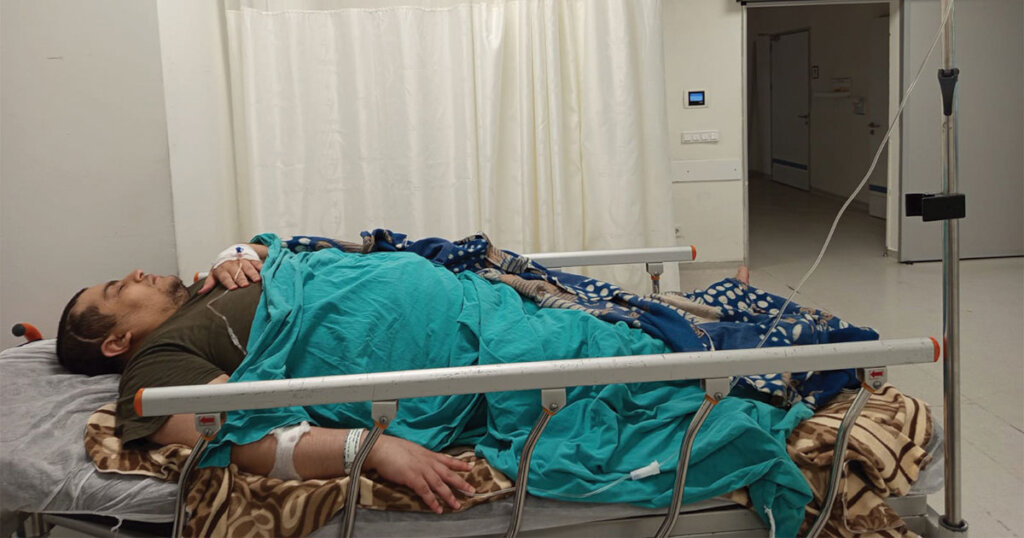
In recent months, Syrian refugees in Turkey have faced significant changes in access to healthcare services. With the reduction or suspension of certain forms of free medical support, many healthcare services have become fee-based. This shift has had a direct and severe impact on thousands of families already living under difficult economic conditions.
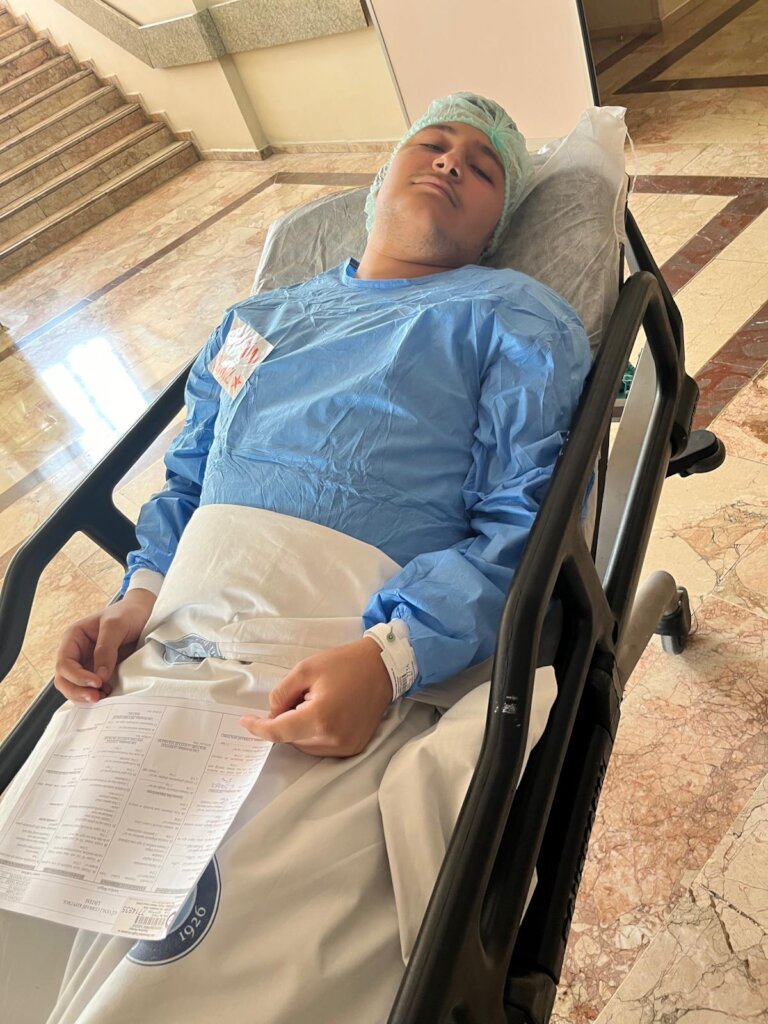
These families now face major challenges in covering the cost of treatment, particularly for chronic illnesses and surgical procedures, as the prices of medications and medical services are high compared to their limited financial means. As a result, many patients are forced to delay or forgo treatment altogether, leading to the deterioration of their health conditions.
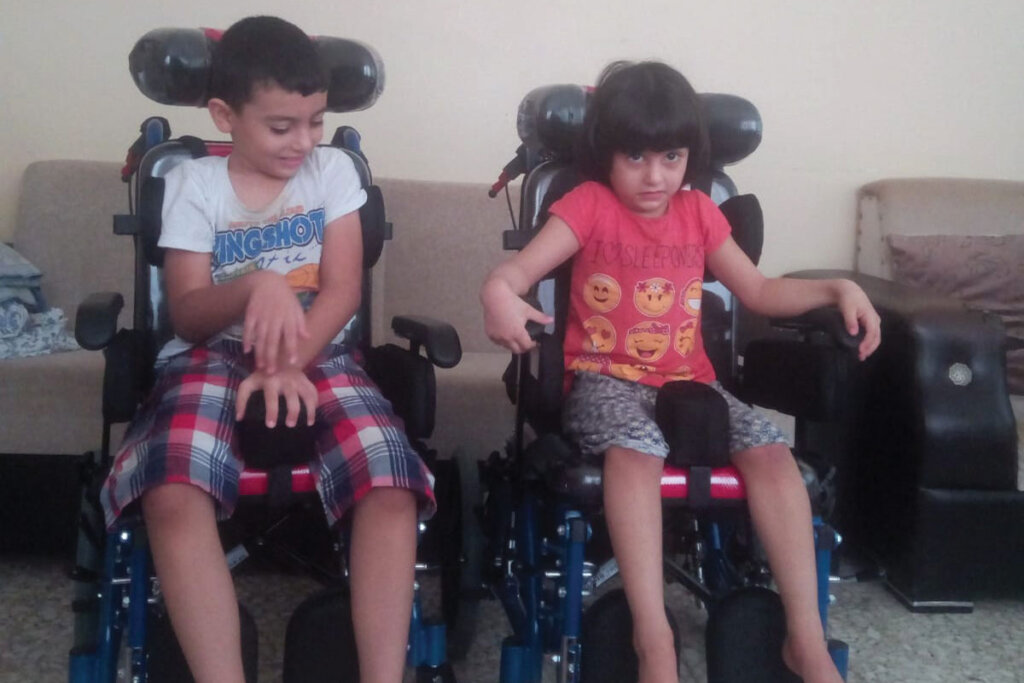
Children and the elderly are among the most affected, as they require continuous medical care that cannot be postponed. The current situation calls for urgent humanitarian intervention to support refugees by providing access to essential medications, covering treatment costs, and implementing sustainable healthcare support programs to ensure their basic right to medical care is preserved.
Links:
![Share on Twitter]()
![Share on Facebook]()
Apr 13, 2026
Critical Medical Cases in Northern Syria and the Ongoing Healthcare Crisis
By AMAL ALUMMA ORGANIZATION | Project leader
Dear Donor
Displacement camps in northern Syria, as well as many areas inside the country, are facing catastrophic healthcare conditions. Thousands of patients are suffering due to the lack of adequate medical care, amid weak healthcare infrastructure and extremely limited resources. Despite emerging administrative structures, the current system remains unable to provide comprehensive free healthcare services.
Chronic diseases such as cancer, heart conditions, and kidney failure are among the most pressing challenges. These illnesses require long-term treatment and high costs that most families cannot afford. In addition, the shortage of specialized medical equipment—such as dialysis machines and radiotherapy devices—further worsens the situation and puts patients’ lives at serious risk.
In the camps, the situation is even more critical. Overcrowding and poor living conditions contribute to the spread of diseases, while access to basic healthcare services remains severely limited. Addressing this crisis requires urgent intervention to provide essential medications, fund life-saving surgeries, and support critically ill patients who are at risk of losing their lives due to the lack of proper treatment.
Links:
![Share on Twitter]()
![Share on Facebook]()
Apr 13, 2026
Lifeline Under Siege: The Critical Role of Medical Aid in Gaza
By M.D | Project leader
![]()
Dear Donor
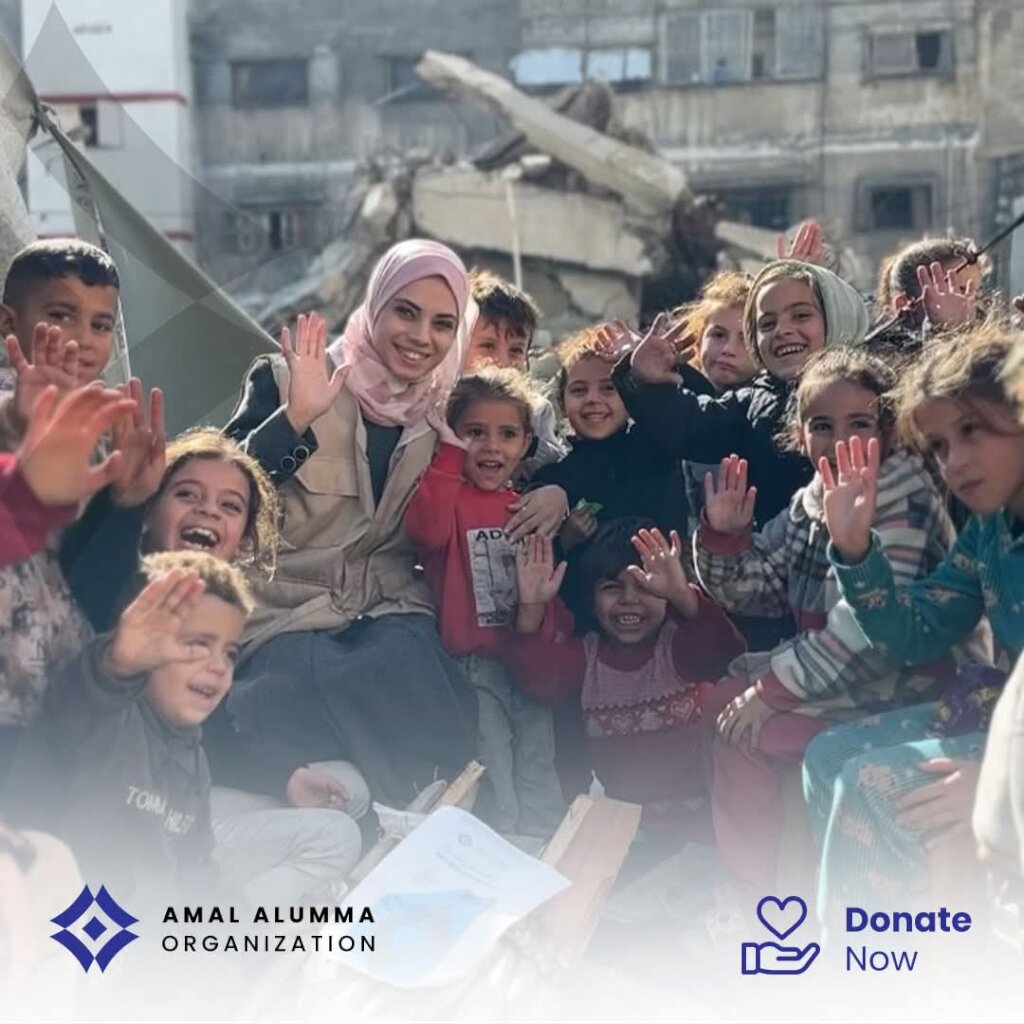
The Gaza Strip continues to face a deepening healthcare crisis as a result of the prolonged blockade, which has pushed the medical system to the brink of collapse. Amid worsening humanitarian conditions, medical aid has become an indispensable lifeline for the population, particularly in light of acute shortages of essential medicines and critical medical equipment.
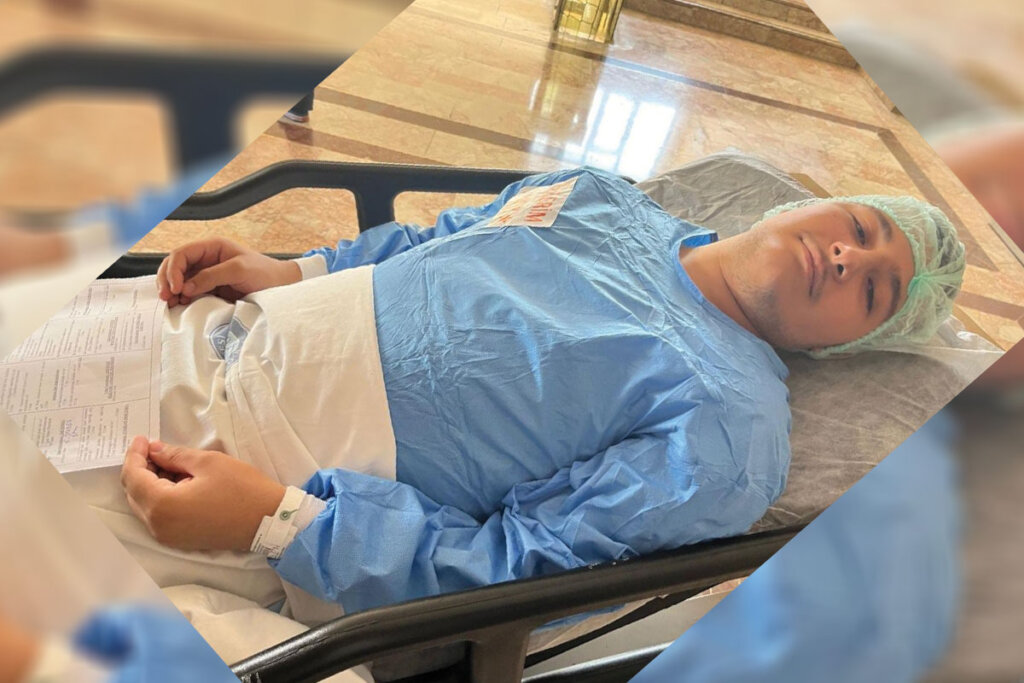
Hospitals are operating beyond capacity, struggling with severe overcrowding and insufficient fuel to power life-saving equipment, alongside limited capability to perform complex surgical procedures. Patients—especially those suffering from chronic illnesses such as cancer and kidney failure—face immense barriers in accessing the treatment they urgently require.
Medical assistance in Gaza plays a vital and life-saving role. It ensures the provision of essential medications, supports the functionality of healthcare facilities, and secures access to urgent medical supplies. Above all, it restores hope to patients enduring extremely harsh conditions, while alleviating the overwhelming strain on an already fragile and overburdened healthcare system.
Links:
![Share on Twitter]()
![Share on Facebook]()