By Chris Low | Co-Founder and Executive Director
Growing Food, Sharing Skills in Matènwa
Thanks to your support, students, teachers, and families in Matènwa are gaining practical skills to grow food at school and at home. The latest news from the Matènwa Community Learning Center brings that work into focus: vegetable gardens across several grade levels, 100 avocado seedlings in the nursery, and gardening instruction that pairs plants with the knowledge to care for them.
Together, these efforts help more people take an active role in growing their own food—and give children skills they can use throughout their lives.
School Gardens Become Living Classrooms
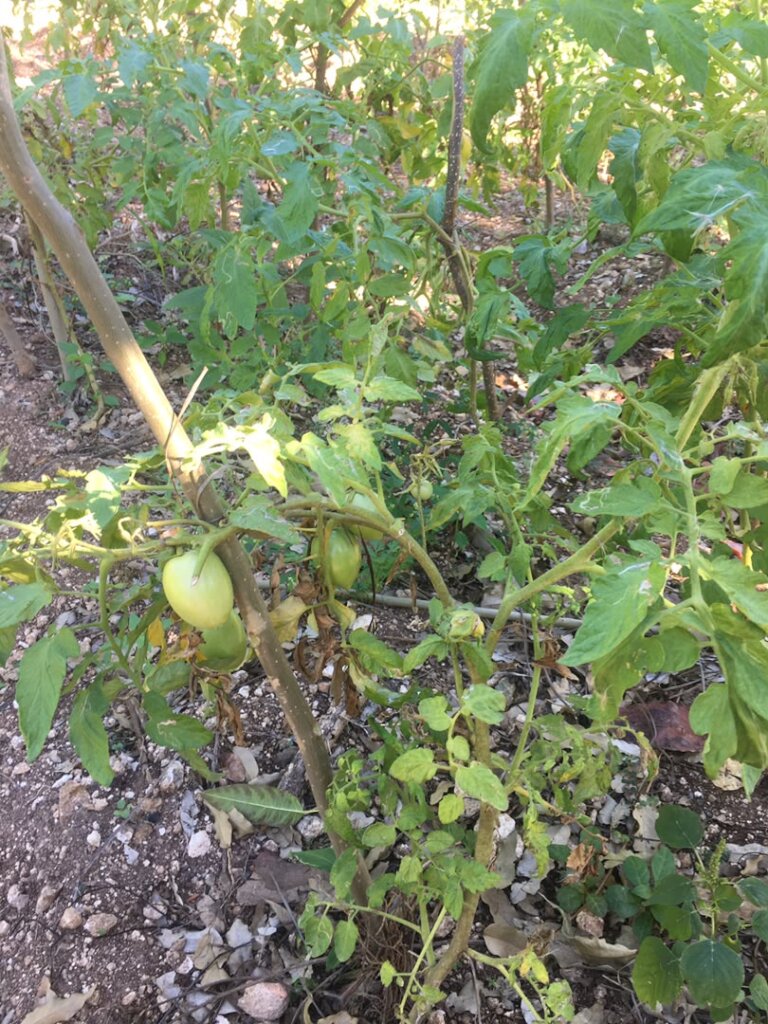
At the learning center, gardening is part of children’s education. Fourth-grade students have five beds of spinach. Fifth graders have five beds of tomatoes, a bed of spinach, and perennial vegetable vines. Sixth graders’ gardens include spinach, leafy greens, beets, carrots, and passion fruit.
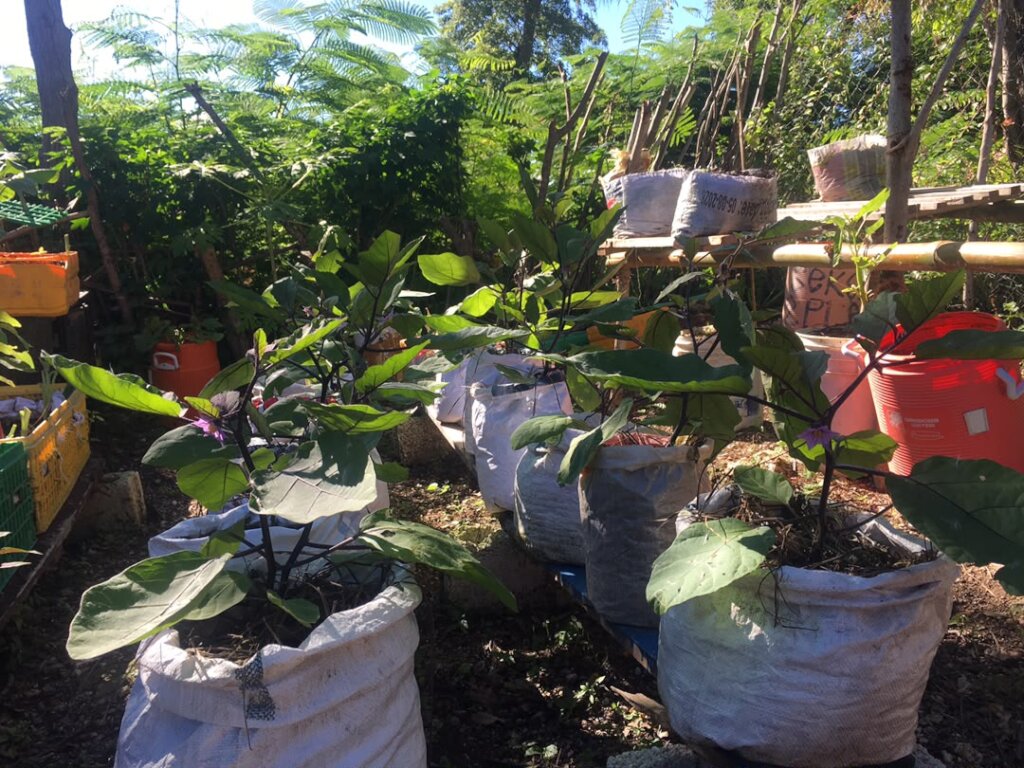
Elsewhere on the school grounds, gardens include eggplant, squash, papaya, basil, and cabbage. This variety gives students opportunities to learn about different crops and how to care for them.
Primary and secondary students receive instruction in gardening both at school and at home. The connection matters: what children learn in a school garden can become useful knowledge for their families, too. Lessons about growing food extend beyond the classroom and into daily life.
A Plant—and the Knowledge to Help It Grow
Distributing a young plant is only one part of the work. Elijèn, who provides gardening instruction, makes sure that each person receiving a plant also receives guidance on caring for it.
He reports providing individual training to 60 people, helping them develop the skills to tend their plants. This personal instruction connects access to plants with practical knowledge—a foundation for gardens that can continue producing beyond a single planting.
Elijèn also trained 27 teachers from a school in Kafou in gardening techniques. Training teachers creates an opportunity for those skills to reach more classrooms and more children, extending the connection between education and food production.
Planting for the Years Ahead
Alongside the vegetable gardens, the learning center’s nursery holds 100 young avocado trees. These seedlings represent an investment in future food production, complementing crops that can be harvested sooner.
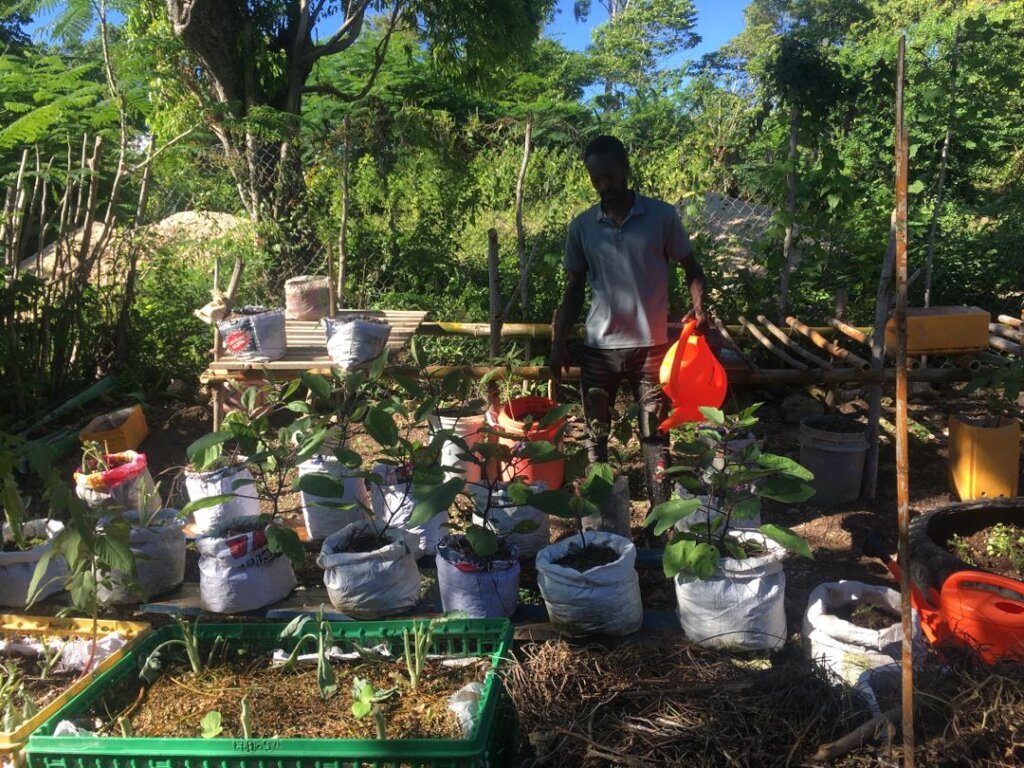
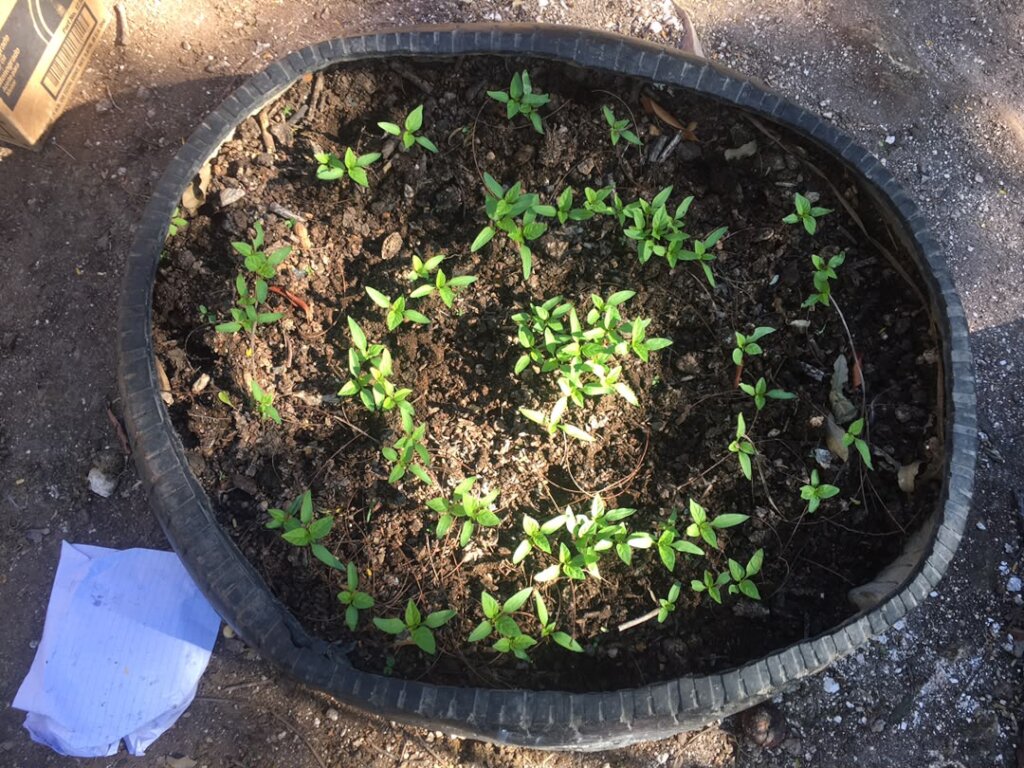
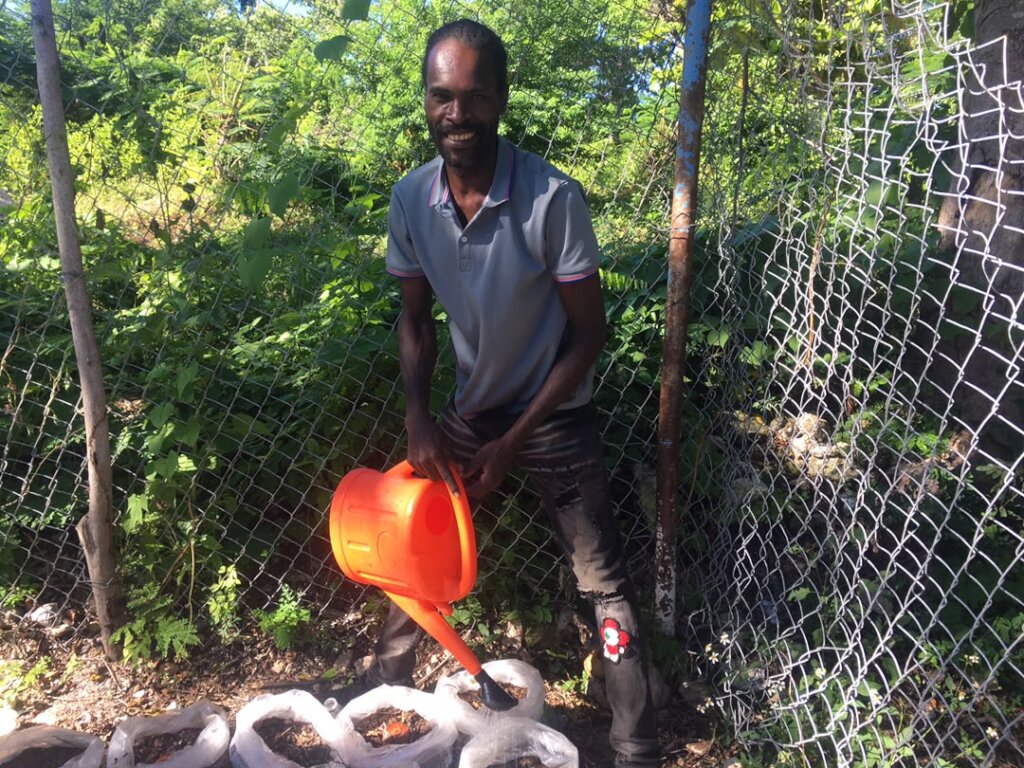
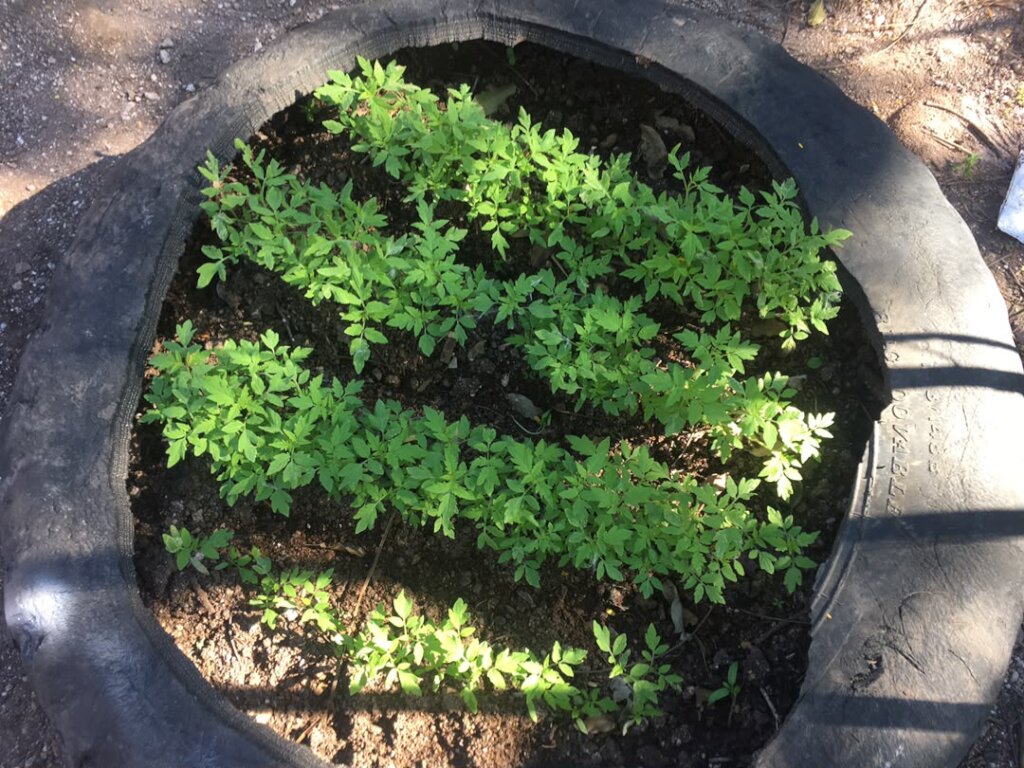
The photographs accompanying this update also show the resourcefulness behind the work: vegetables growing in reused sacks and containers, seedlings taking root in repurposed tires, and tomatoes developing on supported vines. Everyday materials are becoming places to grow food and practice new skills.
Thank You for Helping This Work Grow
Your generosity helps make this combination of plants, practical instruction, and hands-on learning possible. It supports the work of people in Matènwa who are sharing their knowledge, tending their gardens, and teaching the next generation.
Thank you for helping children and adults build skills they can carry from school to home—and from one growing season to the next.
Links:
By Chris Low | Co-Founder and Executive Director
By Williamson Jacques | Program Coordinator and Liaison
Project reports on GlobalGiving are posted directly to globalgiving.org by Project Leaders as they are completed, generally every 3-4 months. To protect the integrity of these documents, GlobalGiving does not alter them; therefore you may find some language or formatting issues.
If you donate to this project or have donated to this project, you can receive an email when this project posts a report. You can also subscribe for reports without donating.


Support this important cause by creating a personalized fundraising page.
Start a Fundraiser