By Sherry DeLeon | Executive Director
For more than four decades, the American Friends of Asian Rural Institute--widely known as AFARI--has stood at the intersection of servant leadership and sustainable community development. Through its long-standing partnership with the Asian Rural Institute (ARI) in Japan, AFARI helped connect communities to a powerful global network of grassroots rural leaders.
In April 2026, AFARI rebranded as Kibo Alliance--a name drawn from the Japanese word kibo, meaning "hope." The new name reflects an expanded vision: walking alongside ARI graduates not only during their transformative training in Japan, but throughout their lifetimes of service back home. The Tarr Fellowship-a structured, trust-based initiative that equips community leaders to drive lasting environmental and social change--is at the very heart of this rebranding. The AFARI Fellows who carried this work forward are now Kibo Alliance Fellows. The transition honors everything that came before while opening new doors: broader networks, deeper peer learning, and expanded pathways to funding and support for projects rooted in local knowledge and sustainable agriculture.
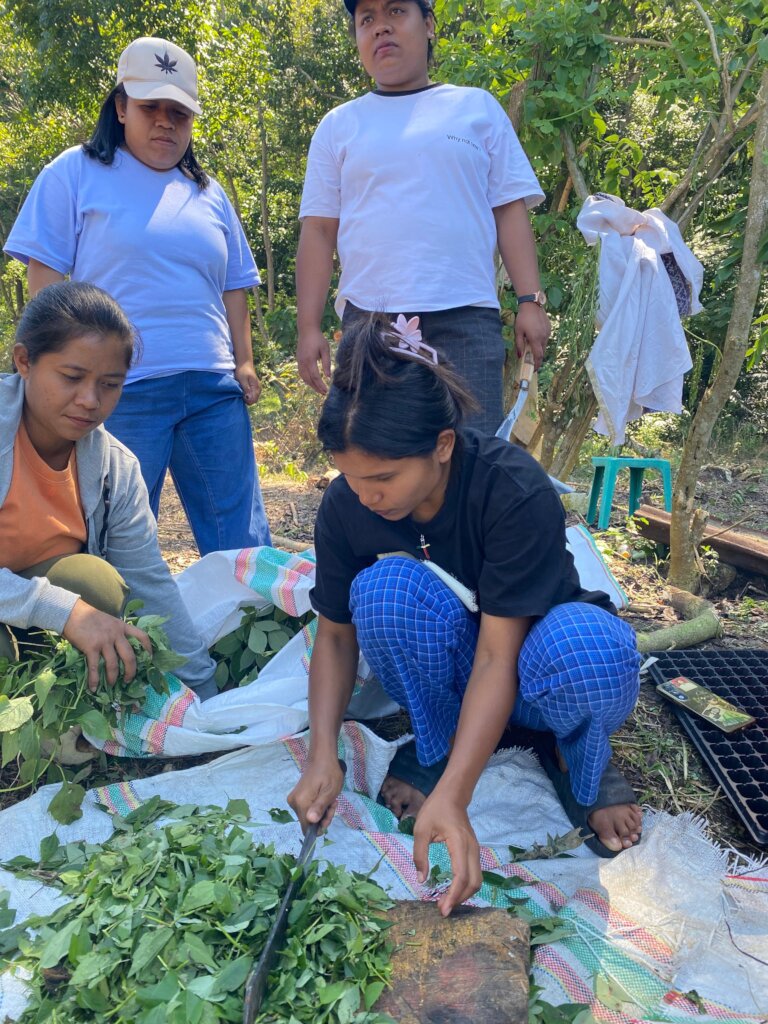
The current cohort of Kibo Alliance Tarr Fellows is already making measurable, inspiring progress. Angela Ratna Sari Biu, Indonesia, fellowship project is a testament to the power of investing in young people as agents of change. Working in the rural community of Kajong, Indonesia, she is currently empowering 30 local youth to become pioneers of sustainable rural development-using accessible, locally available resources rather than costly external inputs. The impact of Angela's work extends beyond social health and crop yields. By choosing youth as her primary partners, she is instilling confidence, practical skills, and a sense of stewardship in the next generation--ensuring that sustainable farming is not just practiced today, but embedded in Kajong's future.
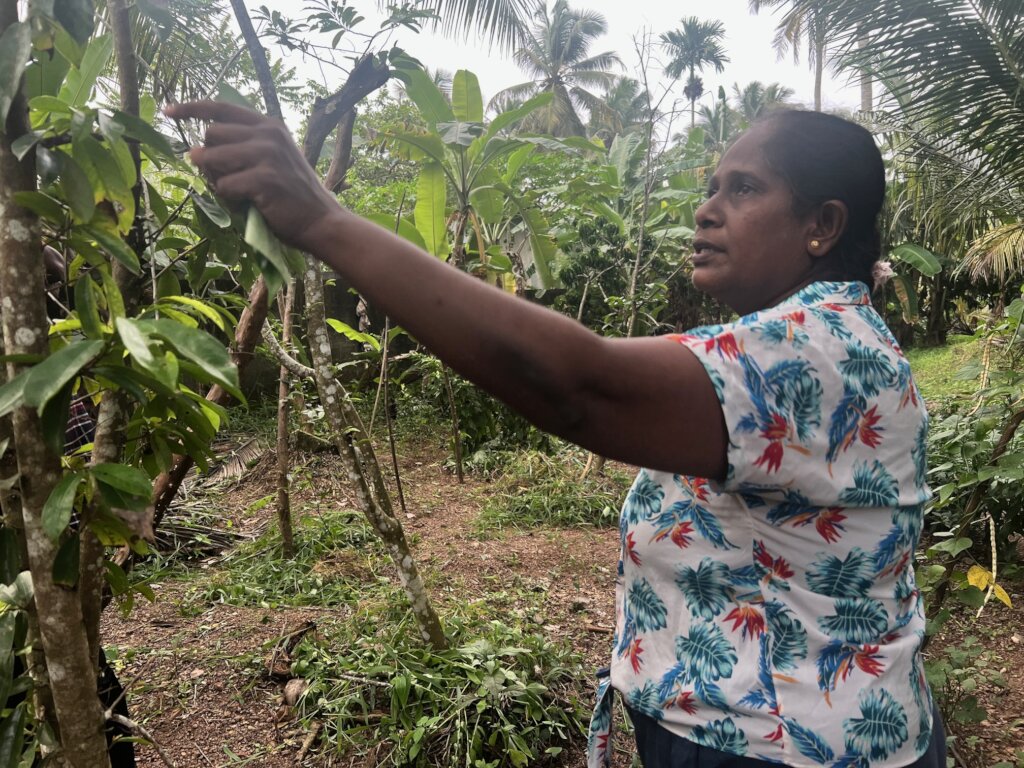
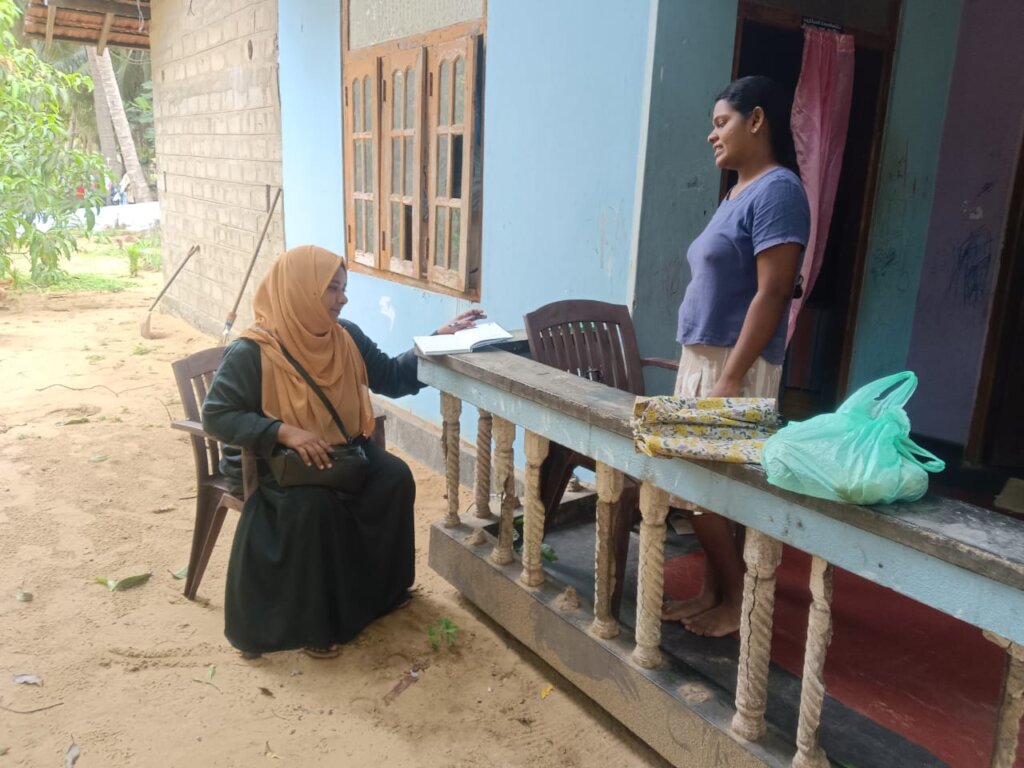
In Sri Lanka, T.L.M. Makeen's fellowship project addresses one of the most persistent challenges in rural communities: the economic vulnerability of low-income households, and in particular, women-headed families with limited access to stable income. Makeen's initiative aims to improve the livelihoods of 60-100 low-income families through sustainable pomegranate cultivation and strategic linkages to local market systems. Pomegranates, well-suited to Sri Lanka's climate and soil conditions, represent both a nutritionally valuable crop and a commercially viable one. By helping families not only grow pomegranates, but also connect to reliable local markets, Makeen's project addresses the full agricultural value chain. This approach ensures that the income generated is not only more consistent but also more equitable--giving women-headed households a meaningful foothold in their local economy and a pathway toward long-term financial resilience.
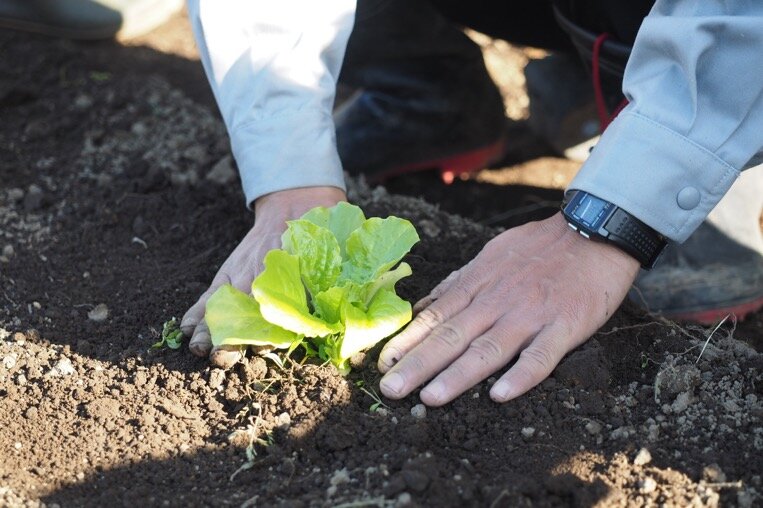
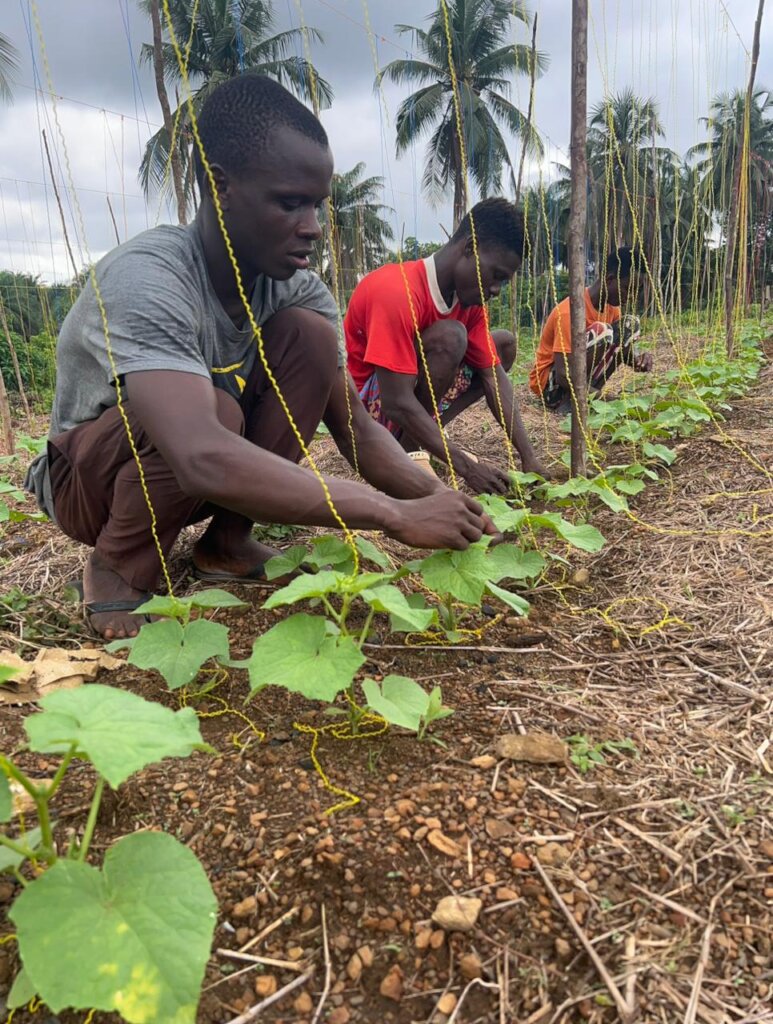
In rural Liberia--a country where food security remains a persistent challenge--Darkpon Dolokelen is working to transform how farmers relate to the land. His fellowship project focuses on enhancing agricultural resilience and improving farmer income through sustainable conservation agricultural practices. Beyond the technical dimension of farming, Darkpon's work speaks to something deeper: the dignity of rural farmers and their right to healthy, productive land. By demonstrating that sustainable methods can also be profitable ones, he is helping to shift community perceptions about what modern farming can look like--and who can benefit.
Mana Hleih's fellowship project operates at the intersection of education and agriculture--recognizing that sustainable schools require sustainable income. Working in Myanmar, Mana is strengthening school farms as engines of both food production and financial self-sufficiency. His project centers on two agricultural initiatives: cultivating elephant foot yam, a nutritious and commercially viable crop well-suited to Myanmar's growing conditions, and establishing a coffee plantation to generate sustainable, long-term income for school operations--including teacher salaries. The implications of Mana's work are profound. In communities where school funding is precarious and teacher retention is difficult, a productive school farm provides a financial foundation that keeps classrooms open and educators in place. Children benefit from both the food grown on the campus and the stability that steady school income makes possible. Mana's project demonstrates that agriculture and education, when thoughtfully integrated, can reinforce and strengthen each other.
"Kibo"--hope in Japanese---captures what every fellow represents: the belief that when rural leaders are equipped and connected, whole communities can flourish. We invite you to learn more about our Fellows in our new Kibo Alliance video: Cultivating Hope. As Kibo Alliance continues to grow and deepen its network of ARI graduates and grassroot leaders, the Tarr Fellowship remains a cornerstone of that investment. Each fellow's project is not an isolated intervention--it is a ripple in a much larger wave of community-led development that AFARI began supporting more than four decades ago and that Kibo Alliance is committed to sustaining for generations to come.
Your support through GlobalGiving makes this work possible. Thank you for believing in the hope that these fellows carry into their communities every day.
Links:
Project reports on GlobalGiving are posted directly to globalgiving.org by Project Leaders as they are completed, generally every 3-4 months. To protect the integrity of these documents, GlobalGiving does not alter them; therefore you may find some language or formatting issues.
If you donate to this project or have donated to this project, you can receive an email when this project posts a report. You can also subscribe for reports without donating.



Support this important cause by creating a personalized fundraising page.
Start a Fundraiser