By AHADI | Coordinator
DisabilitiesIntroduction and Context
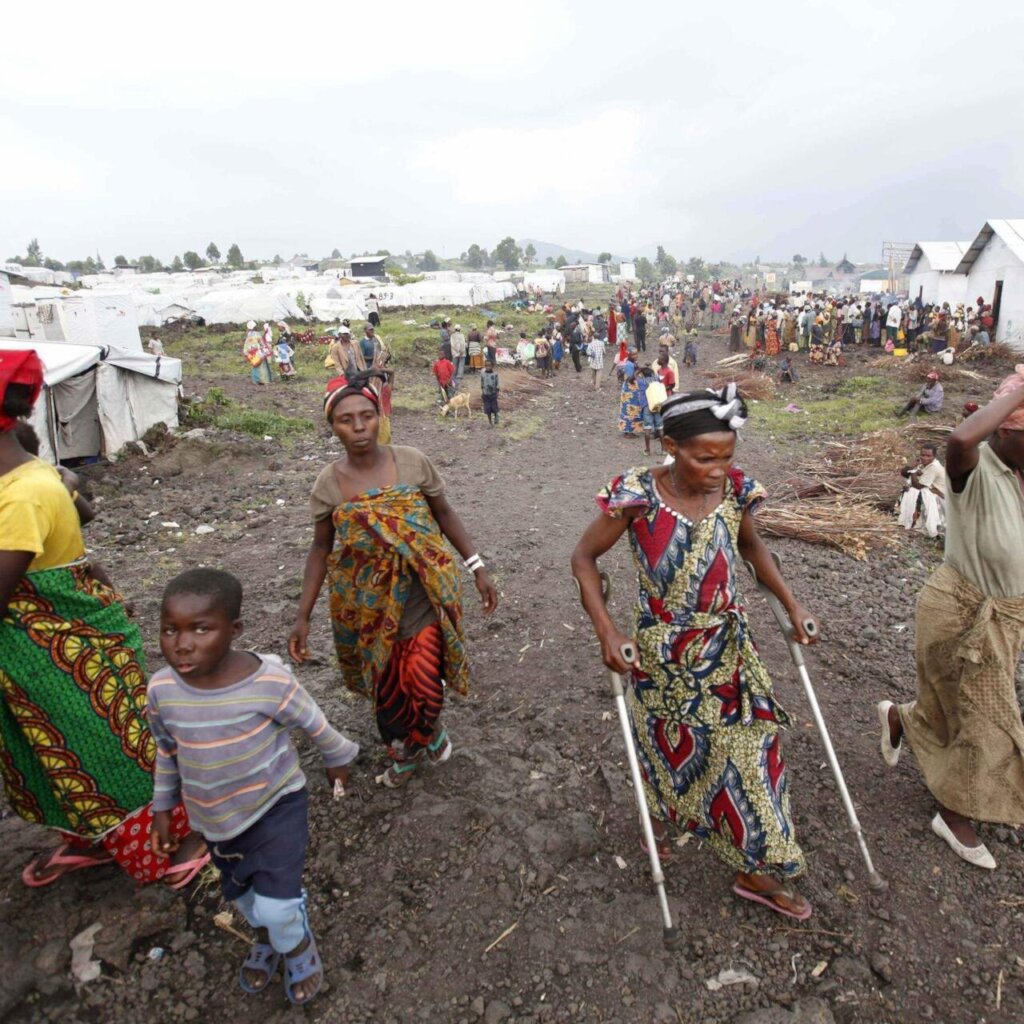
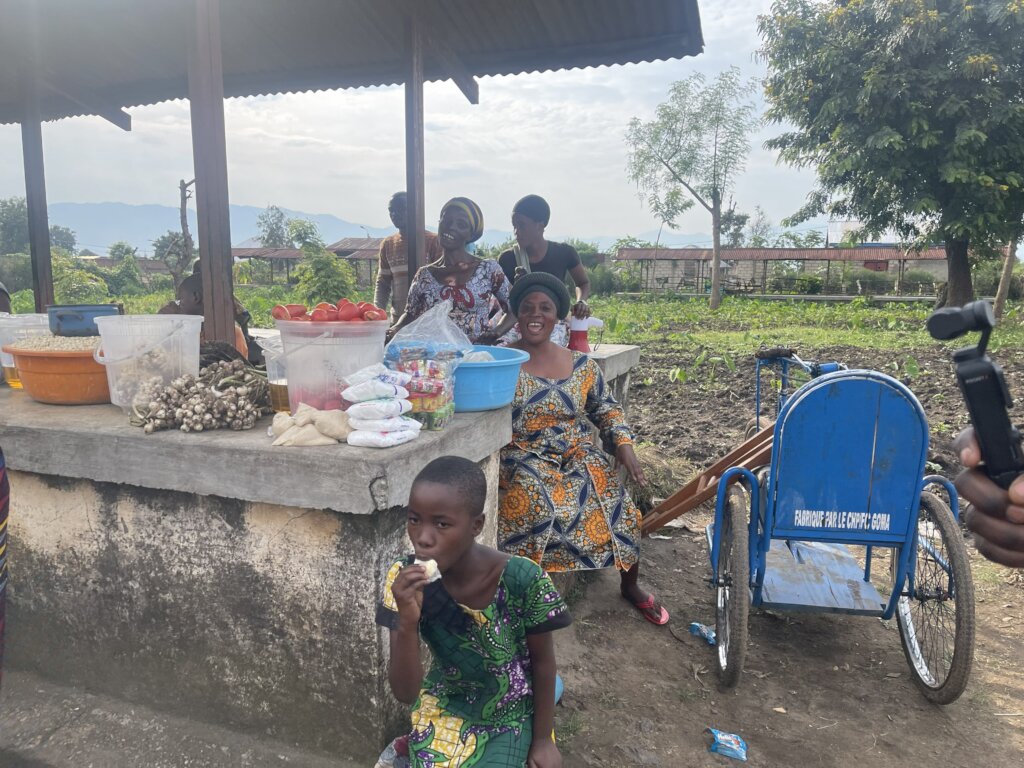
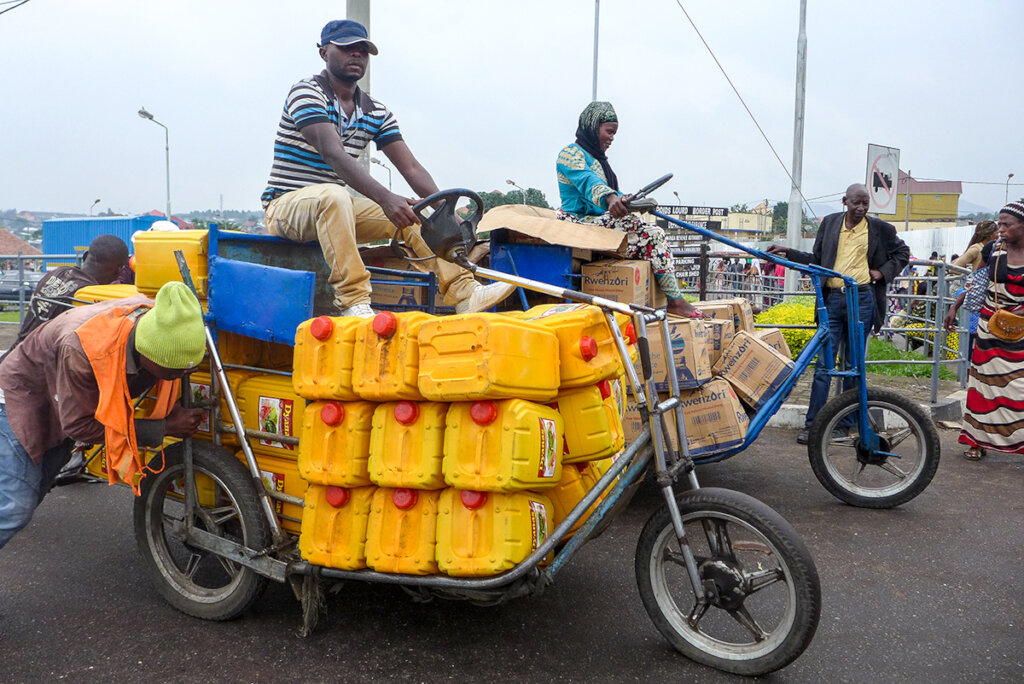
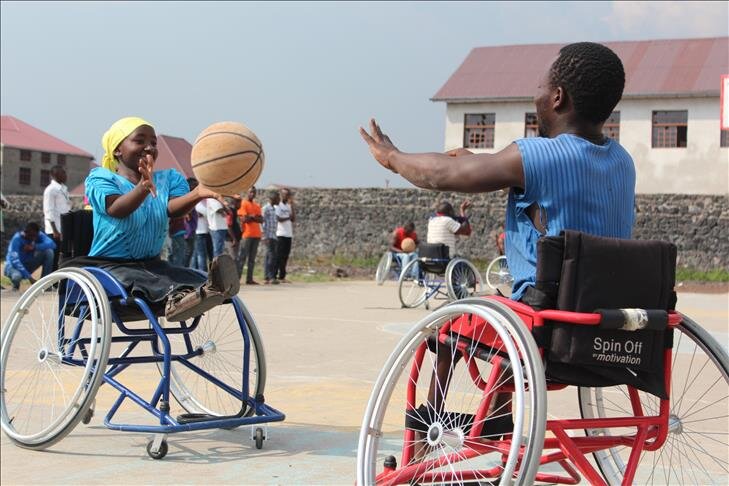
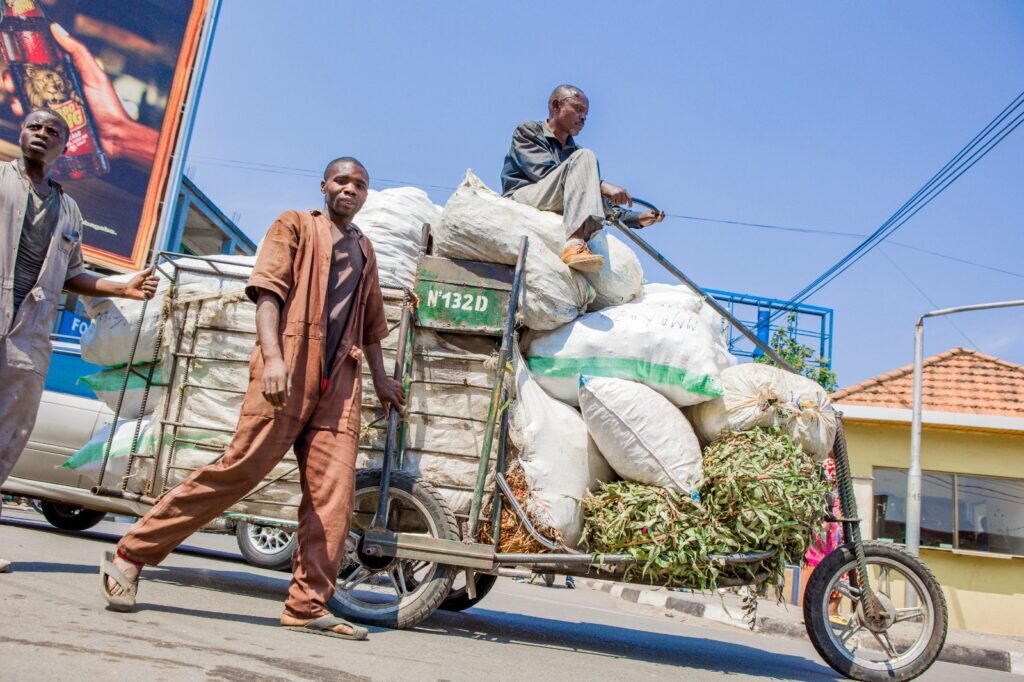
Persons with Disabilities (PWDs) living in the border regions of the Democratic Republic of Congo, particularly across the North and South Kivu corridors, face barriers that go far beyond disability itself. Limited access to mobility services, administrative and border procedures, healthcare, education, employment and financial opportunities often pushes individuals and families deeper into poverty and dependence. The CBIB – Support Disabled People Across Borders in DRC project was designed to respond to these interconnected challenges by helping persons with disabilities move from exclusion and dependency toward greater dignity, independence and economic participation. With a total funding target of US$75,000, the project seeks to demonstrate that disability inclusion is not only a humanitarian responsibility, but also an opportunity to strengthen local economies and communities.
Progress to Date and Planned Activities
The project is currently in its preparation and resource-mobilization phase. To date, US$0 has been raised, and no project activities are being presented as completed. The team is currently identifying qualified trainers and potential learners who will participate in the planned capacity-building activities. The project is designed to introduce locally accessible prosthetic solutions through portable 3D scanning and printing technologies, reducing dependence on expensive imported prosthetics and enabling faster local production and repair. It will also address administrative and procedural barriers faced by persons with disabilities at border crossings, while creating opportunities for skills development, cross-border trade and access to small-scale capital. The project was initially planned to begin in November 2025, and the implementation timeline will be aligned with successful resource mobilization and operational readiness.
Expected Impact and Use of Funding
The requested US$75,000 will support the core implementation of the project, including technical training, identification and support of learners, assistive-technology activities, mobility solutions, inclusion at border points, economic empowerment and project monitoring. The approach is intentionally designed to create sustainable impact rather than short-term assistance. A person who receives appropriate mobility support can regain independence; a trained entrepreneur can generate income for a family; and a person with a disability who is able to participate safely in cross-border commerce can become an active contributor to the local economy. In the longer term, the project also aims to develop and promote a pilot “Handicap Pass” concept that could contribute to more inclusive border procedures and, where feasible, inform wider regional discussions within institutions such as the East African Community (EAC) and SADC. Through our collaboration with GlobalGiving, we are strengthening our ability to reach a wider international community of donors and mobilize the resources needed to move this project from preparation to implementation. We believe this partnership can play an important role in helping us reach our US$75,000 funding goal.
Looking Ahead, Gratitude and Call to Action
Our vision is simple but transformative: disability should never be a sentence to poverty, isolation or dependence. We are grateful to every donor, supporter and partner who believes that persons with disabilities in the DRC deserve opportunities, not charity alone. We extend our sincere appreciation to GlobalGiving for providing a platform through which this initiative can connect with supporters around the world. We now invite individuals, foundations, institutions, companies and international partners to join us in making this project possible. We cannot achieve the US$75,000 goal without the support of committed donors. Every contribution can help bring us closer to providing mobility solutions, skills, economic opportunities and greater dignity to persons with disabilities living in some of the most challenging border communities of the DRC. Together, we can help transform exclusion into opportunity and ensure that persons with disabilities are recognized not as passive beneficiaries, but as active participants in the economic and social life of their communities.
Project reports on GlobalGiving are posted directly to globalgiving.org by Project Leaders as they are completed, generally every 3-4 months. To protect the integrity of these documents, GlobalGiving does not alter them; therefore you may find some language or formatting issues.
If you donate to this project or have donated to this project, you can receive an email when this project posts a report. You can also subscribe for reports without donating.



Support this important cause by creating a personalized fundraising page.
Start a Fundraiser