By Souly QuachAngkham | Founder/Director
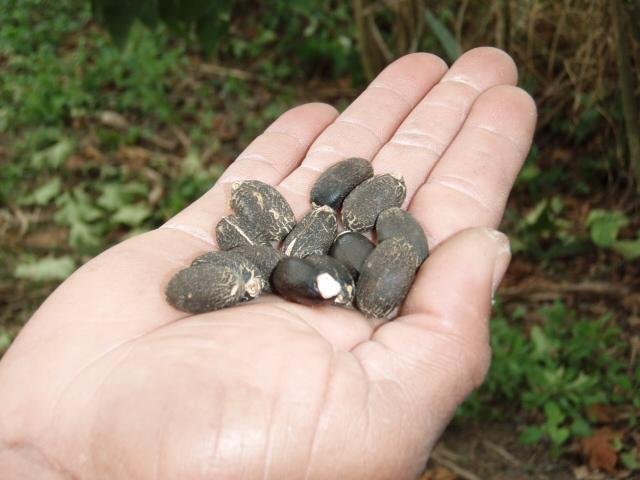
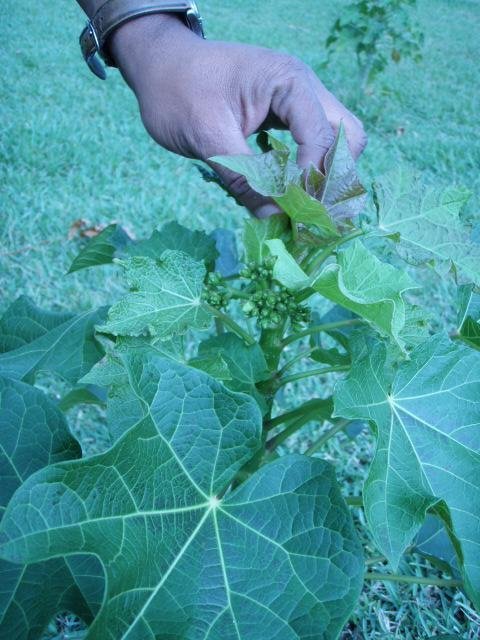
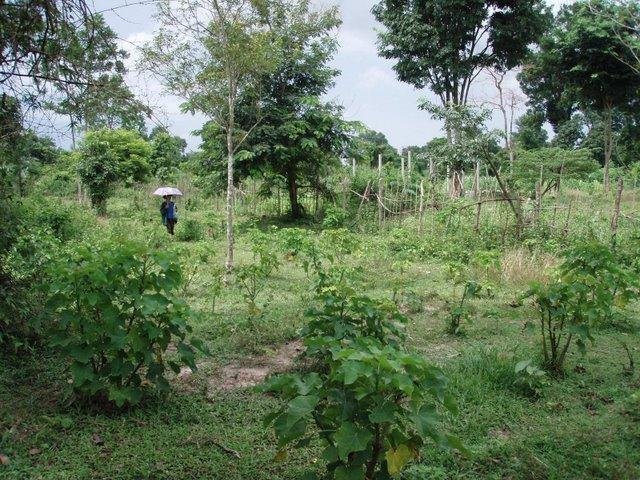
The Lao Science/SEDA Research project has planted 15 Agarwood trees as a trial. The trees are roughly three and a half to four years old. The three year old trees do not produce enough fruit to be profitable, but in the fourth year they produce more fruits and we will see more seeding fruit years to come.
The origin of the Agarwood tree has been traced back to before Hinduism. It produces a strong resin and is a non-chemical plant. Agarwood is very sensitive and needs special care. In Laos it is called Ko Ketsan and its Latin name is Aquilaria. Laotian farmers and investors are still trying to find solutions on how to cultivate, produce more fruits, and improve the quality of the resin. The Agarwood seeds are gathered from the wild and will only survive three or four days if not planted.
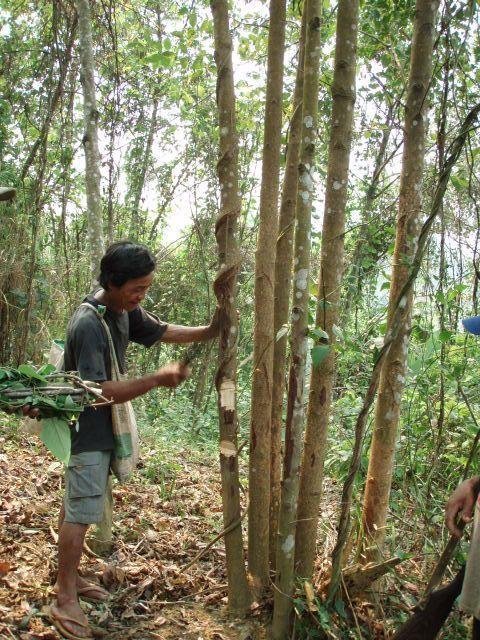
The price of the Agarwoord resin is very high on the black market. The wild Agarwood tree became so valuable that it was logged to sell for its resin. Loggers often damaged Agarwood trees that had no resin in their search for this valuable commodity. Today ,there is an international law protecting the wild Agarwood. Destroying the tree could result in a fine of US$10,000 and up. Interested investors can purchase legal Agarwood through local farmers or coordinate with SEDA.
The market demand comes from the Middle East, Asia, Europe, as well as for relegious ceremonies in Islam, Buddhism, Catholicism, and bio-medical and cosmetic companies. The resin in the market ranges from low to high quality and sells from $5000 per/kg up to $25,000k.
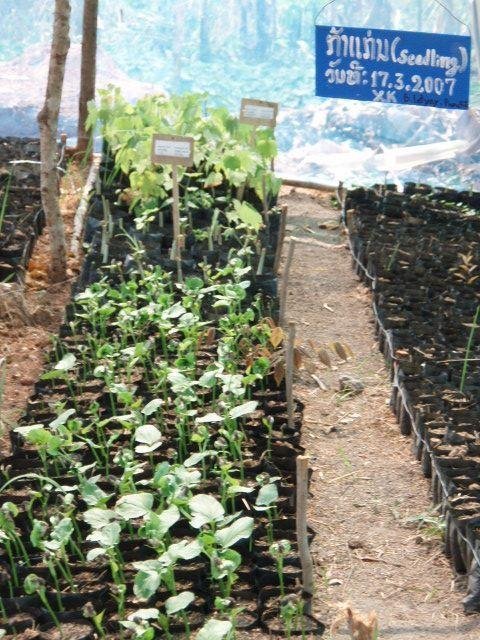
The SEDA project is teaching local farmers how to protect the Agarwood trees and cultivate them for the next generation.This is a long term investment and will provide a permanent income to farmers after three or four years. Farmers can also sell the seedlings in order to generate income. Each seeding trees price can be ranges from $1 and up based on the size of the seedling tree.
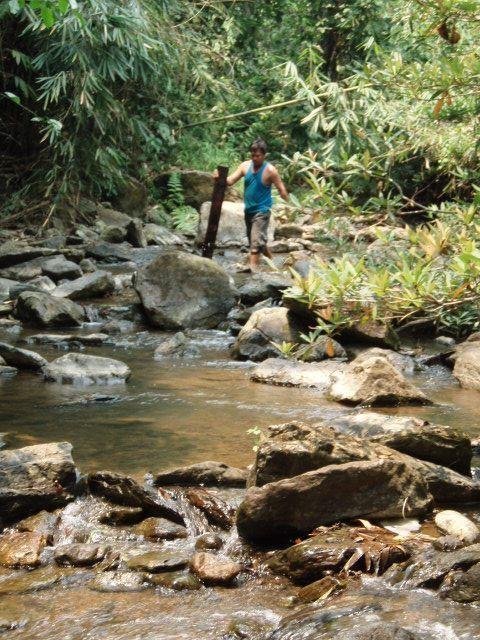
In Laos, local farmers travel to the jungle to search for wild seedlings and transfer the plants to their farm. They are very difficult to transfer since the Agarwood tree is very sensitive. Lao Science/SEDA is supporting technical experts to train the farmers. The farmers are eager to learn how to protect the trees and expand their agriculture practices as as a long term solution to reduce poverty.
Project reports on GlobalGiving are posted directly to globalgiving.org by Project Leaders as they are completed, generally every 3-4 months. To protect the integrity of these documents, GlobalGiving does not alter them; therefore you may find some language or formatting issues.
If you donate to this project or have donated to this project, you can receive an email when this project posts a report. You can also subscribe for reports without donating.