By Marian Reid | Communications volunteer for SEDA
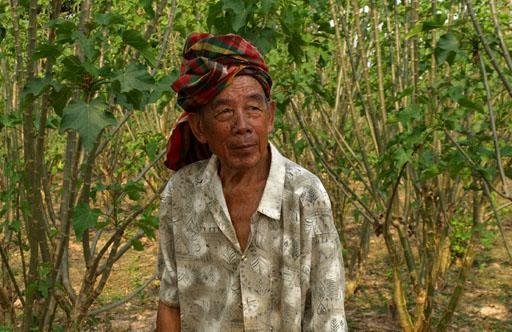
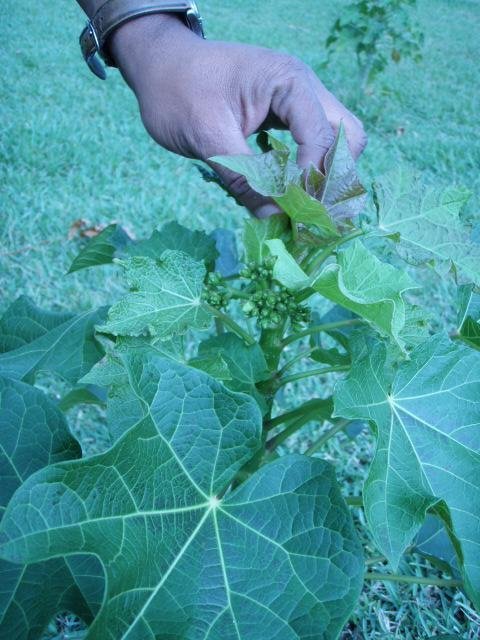
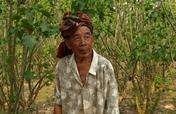
Tit Phua is an 87-year-old Jatropha Curas farmer on the outskirts of Vientiane city. Old he may be, but Tit Phua is healthier and stronger than most 60-year-olds. He has a wife 30 years his junior and a teenage daughter to support. He needs to keep working to ensure a future for his family.
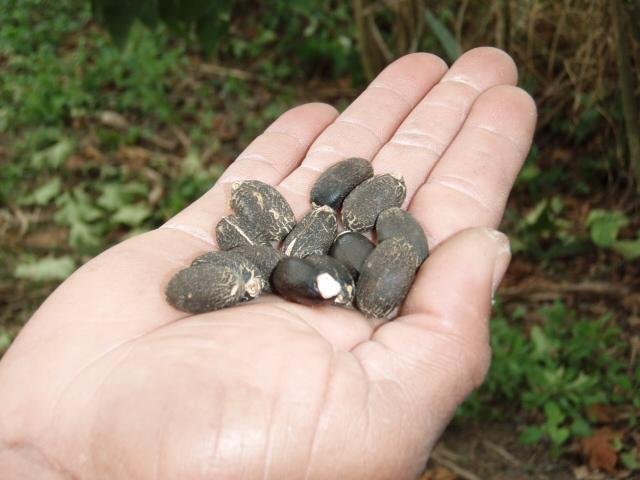
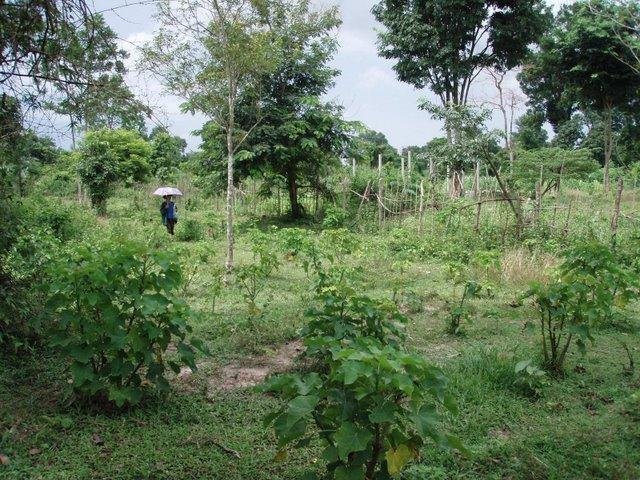
Tit Phua started his Jatropha plantation on his own 2 years ago with just 3 kilos of Jatropha seeds he saved up to buy. From the initial harvest, which generated 3 kilos of seeds, he expanded the plantation. The second harvest generated 20 kilos; some he sold for less than US$1.50 per kilo and some he planted out. His 3.5 hectare plantation now has about 1500 trees. From the third harvest at the end of 2008 it's estimated he will produce around 100 kilos of seeds for the entire plantation, which he can sell for between US$1.50 and US$3 per kilo on the market (prices subject to change). It will be his first income in 2 years and not nearly enough to ensure a stable future.
Tit Phua is a good farmer – he does everything right based on his experience. However, with the right knowledge and growing conditions, he could actually generate up to 100 kilos of quality seeds per tree, and this is where SEDA wants to help him.
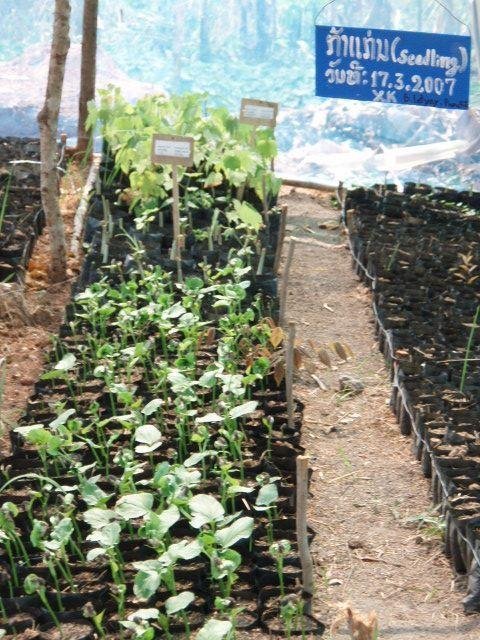
As a member of SEDA's microfinance program, Tit Phua will have access to agricultural advice from bio-fuel experts from the University of Florida. The information will allow him to use organic-only methods, such as specialized compost and organic fertilizer, to improve his harvest and the condition of the trees. SEDA will then buy the seeds from him at fair-trade prices – up to US$17 per kilo. The purchased seeds will be given to other farmers who are members of the program so that they can establish similar income-generating crops. In this way, Tit Phua will be producing more seeds and receiving a good price for them, adding to SEDA's seed bank to benefit other farmers and have access to as much farming information as he needs.
Before planting Jatropha, Tit Phua used this land for cash crops. He farmed fish in dams and tried growing banana trees, among other ventures. However, free-ranging livestock damaged many of his crops and the fish did not do well. His Jatropha trees, however, have been a booming success.
Tit Phua spent much of his life in the Lao PDR military. When he retired he received a house and an income of $55 a month from the government. While this may not seem bad in a developing country and he is luckier than many, living costs are high. They must pay $35 a month for electricity and water which leaves them with $20 a month for food, clothes, education for their daughter and emergency and medical funds. Like most people in rural Lao, this leaves them living on less than $2 a day.
Participating in SEDA's microfinance program will provide Tit Phua's family with the security they need to know that after he is gone they will be able to survive. It will also mean that Tit Phua has the best chance of becoming an independent entrepreneur, setting an example in social enterprise for his community.
Project reports on GlobalGiving are posted directly to globalgiving.org by Project Leaders as they are completed, generally every 3-4 months. To protect the integrity of these documents, GlobalGiving does not alter them; therefore you may find some language or formatting issues.
If you donate to this project or have donated to this project, you can receive an email when this project posts a report. You can also subscribe for reports without donating.