By Sarah Lowy | Manager, Strategic Partnerships
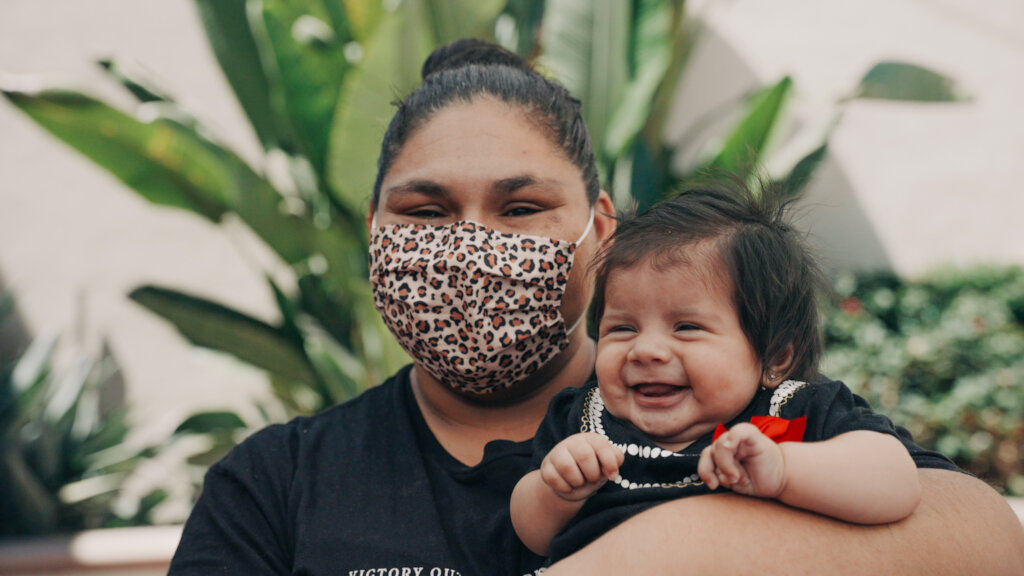
“I hit rock-bottom,” says Keila. “I thought, ‘I can’t do it.’” Last spring, Keila, her husband and two sons battled COVID-19. Keila’s physical symptoms weren’t bad, but the isolation during quarantine took a toll on her mental health. Things worsened when her daughter Camilla was born and rushed to a large hospital an hour away; Keila’s husband watched over the infant, leaving Keila recovering by herself, unable to have visitors.
“I felt alone and separated,” says Keila. She reached out for help from Gardner South Clinic, a safety-net clinic that serves low-income, uninsured patients in Keila’s hometown of Gilroy, Cal. Americares provided Gardner and more than 50 other safety-net clinics in California with mental health and preparedness training for health workers on the front lines of the COVID-19 pandemic. The training is part of Americares efforts to build capacity for behavioral health services in safety-net clinics around the world.
“We’ve been seeing more and more patients in the clinic showing some kind of depressive state,” says Guadalupe Perez, clinic manager at Gardner Health Center in nearby San Jose. “Pandemics don’t bring good things to anybody. Whether you’re in health care or education or anywhere, it just brings an additional stress.” In the worst cases, Perez and her team saw patients who were in a crisis state. “We were able to implement the Americares training and calm the patients down,” says Perez.
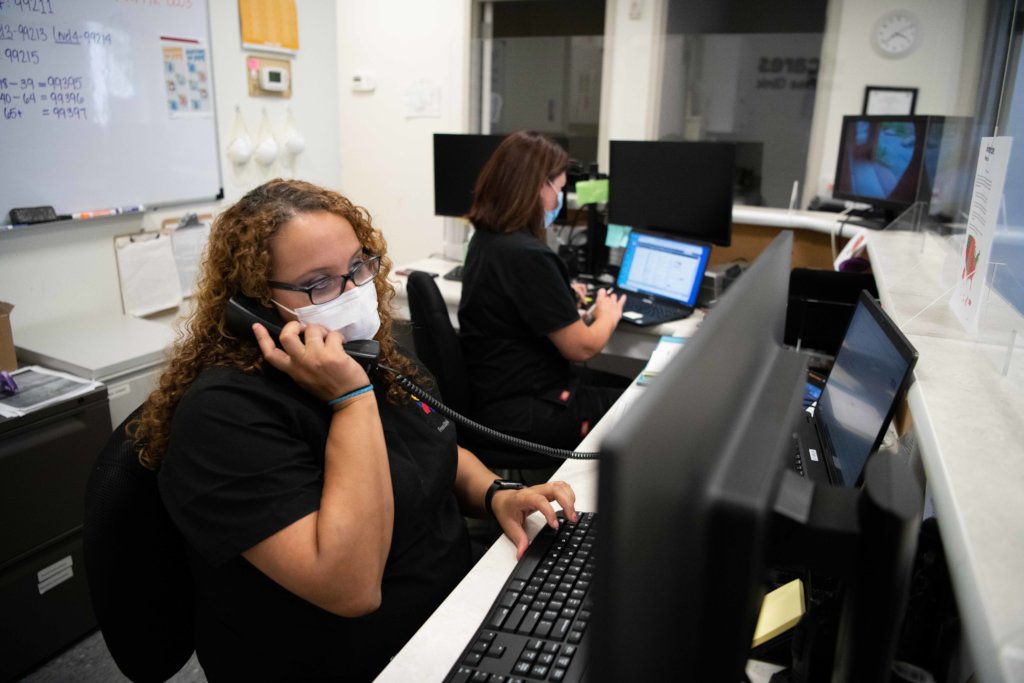
Keila received behavioral health care on the phone, via telehealth. Having that access made a huge difference. “It’s easier instead of going to a whole different [organization] and not knowing the people. I know the staff here and they know my history,” she says. “They’re more than open to help me.”
By Sarah Lowy | Sr. Associate, Development
Project reports on GlobalGiving are posted directly to globalgiving.org by Project Leaders as they are completed, generally every 3-4 months. To protect the integrity of these documents, GlobalGiving does not alter them; therefore you may find some language or formatting issues.
If you donate to this project or have donated to this project, you can receive an email when this project posts a report. You can also subscribe for reports without donating.