By Althea DSylva | Manager - Communications & Resource Mobilization
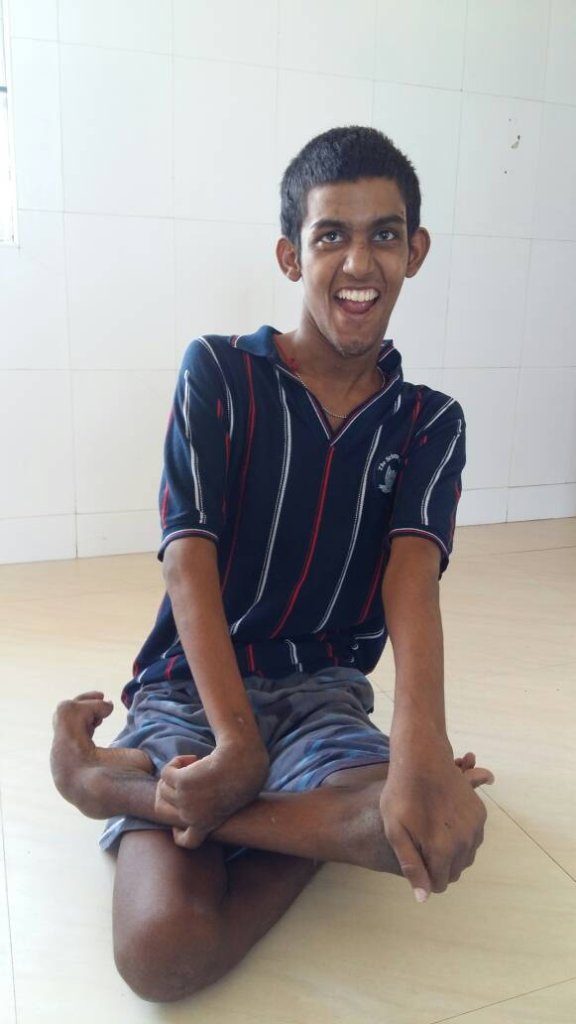
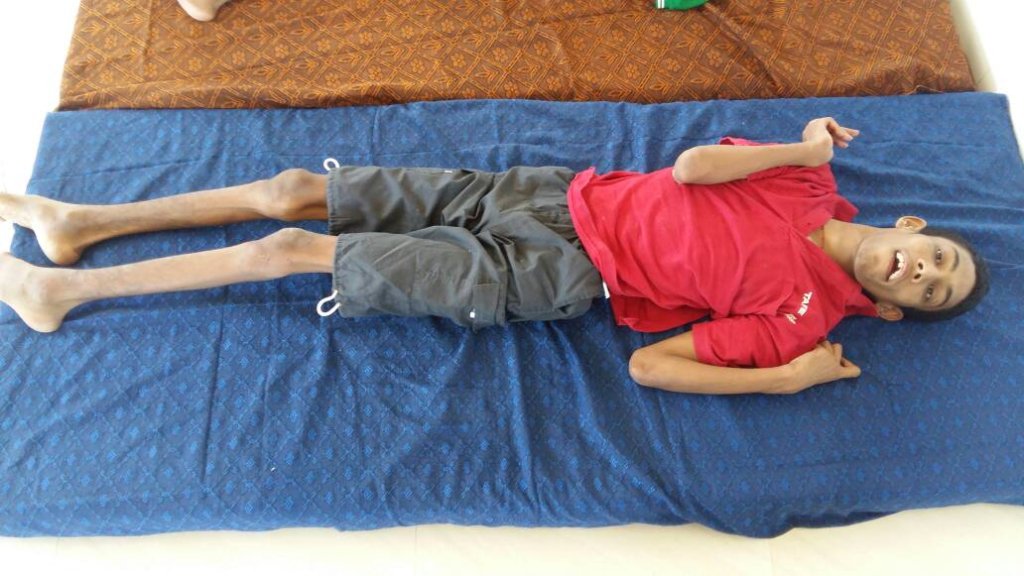
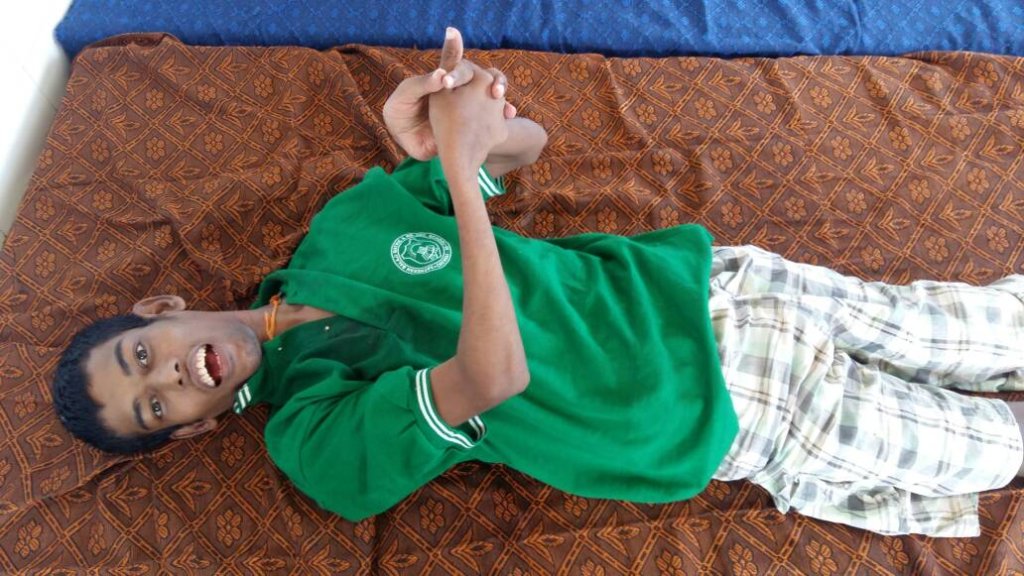
In a story that rocked the neighborhood, three brothers became orphans a few days ago when their parents committed suicide. The boys - approximately between 18 to 22 years of age (and whose names have been withheld from this report) had been living with their parents in a village called Moongildurai in Villupuram District in Tamil Nadu, India.
In deep despair, their parents committed suicide by hanging on May 2nd but the father was rescued and admitted to a hospital for treatment. However, on his release on the 3rd, and still suffering from depression, he made a second attempt which proved fatal.
The media brought the story to light and the Chief Justice of Chennai immediately took up the matter. The court ordered District Administration to find a suitable Government recognized institution that the boys could call, home.
And so it was that the boys became a part of our home, on the 4th morning at 1.00 am.
Nothing much is known about their parents or about their normal elder brother who is married with a family of his own. But what we do know is that there are thousands of parents out there, just like this couple, suffering in silence. Society can ill afford to remain indifferent or ignorant. While we may not all be medical experts, we can certainly help connect such families with the right organizations and bring them hope and comfort. It’s worth remembering that “disability is not an illness; ignorance is”.
Wilson’s Disease
In addition to intellectual disability, the boys are living with Wilson’s disease – also known as hepatolenticular degeneration and progressive lenticular degeneration – a rare genetic disorder that causes copper poisoning in the body. It affects about 1 in 30,000 people worldwide.
In a healthy body, the liver filters out excess copper and releases it through urine. With Wilson’s disease, the liver cannot remove the extra copper properly. This then builds up in organs such as the brain, liver, and eyes. Early diagnosis is crucial for stopping the progression of this disease. Treatment may involve taking medication or getting a liver transplant. Delaying or not receiving treatment can cause liver failure, brain damage, or other life-threatening conditions.(Source: Healthline.com)
Project reports on GlobalGiving are posted directly to globalgiving.org by Project Leaders as they are completed, generally every 3-4 months. To protect the integrity of these documents, GlobalGiving does not alter them; therefore you may find some language or formatting issues.
If you donate to this project or have donated to this project, you can receive an email when this project posts a report. You can also subscribe for reports without donating.