By Arkina Singh | Program Coordinator
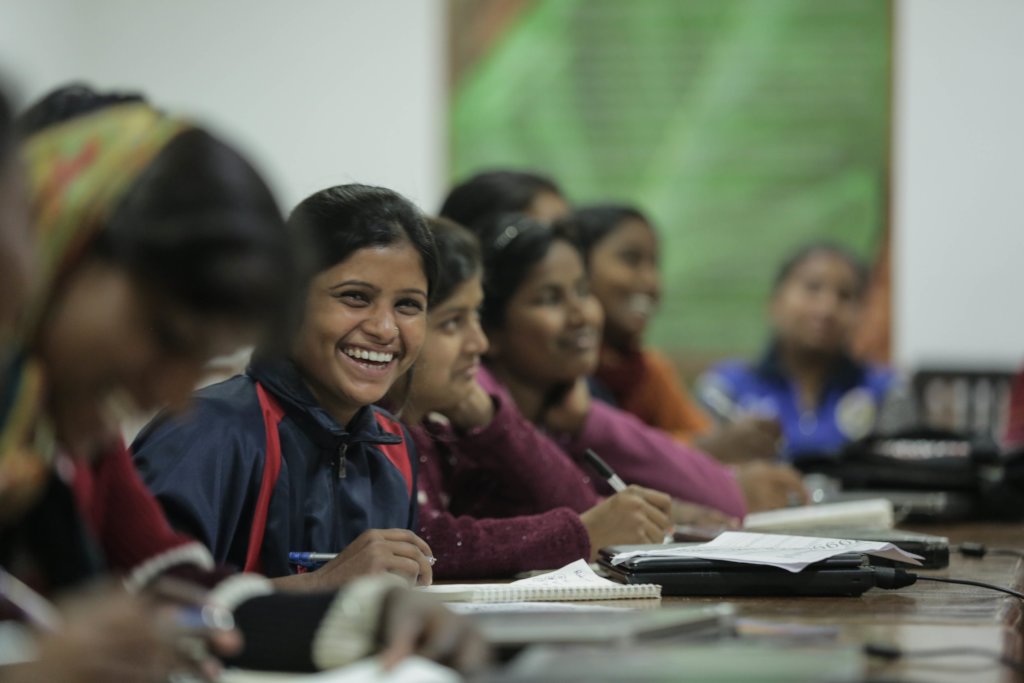
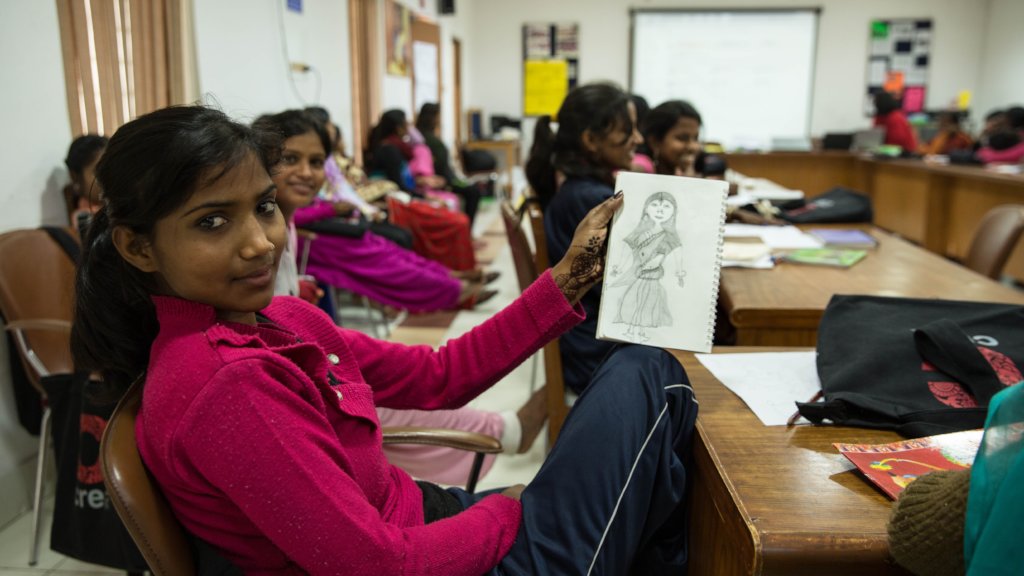
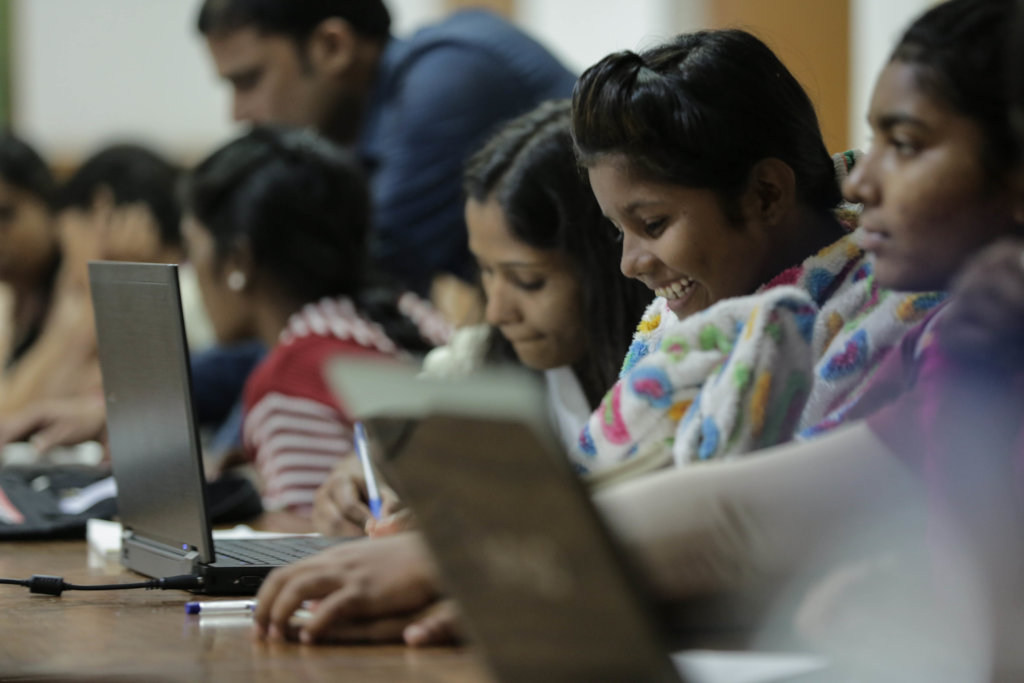
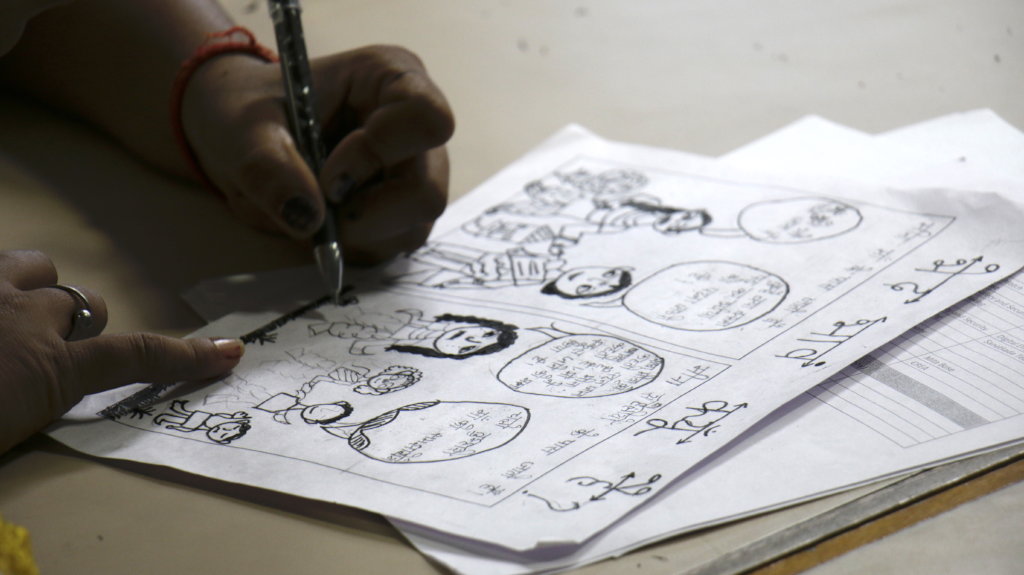
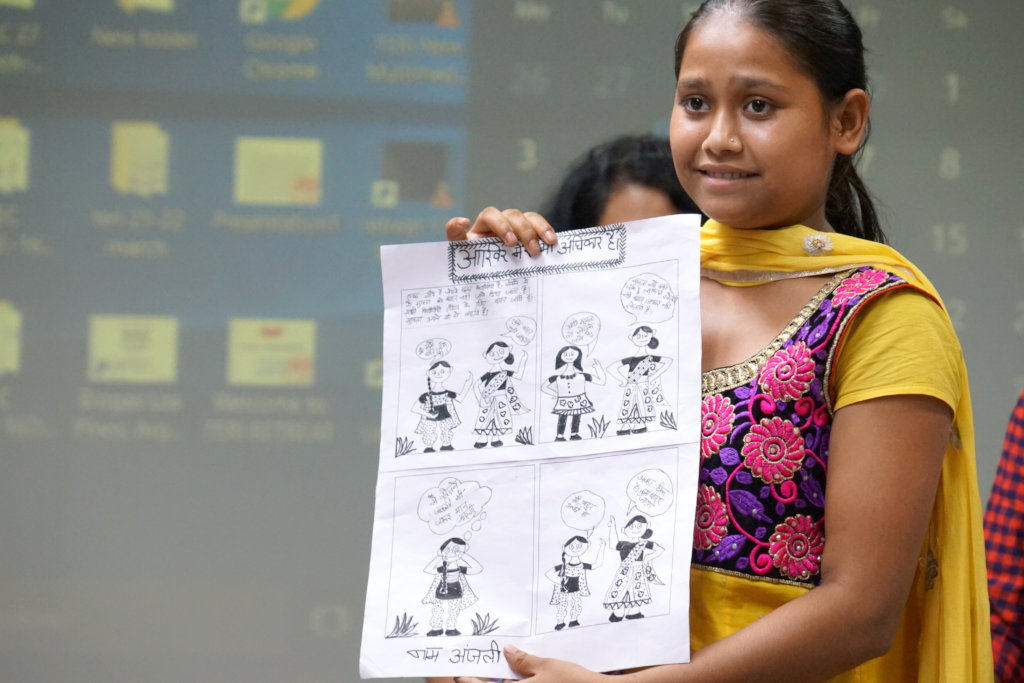
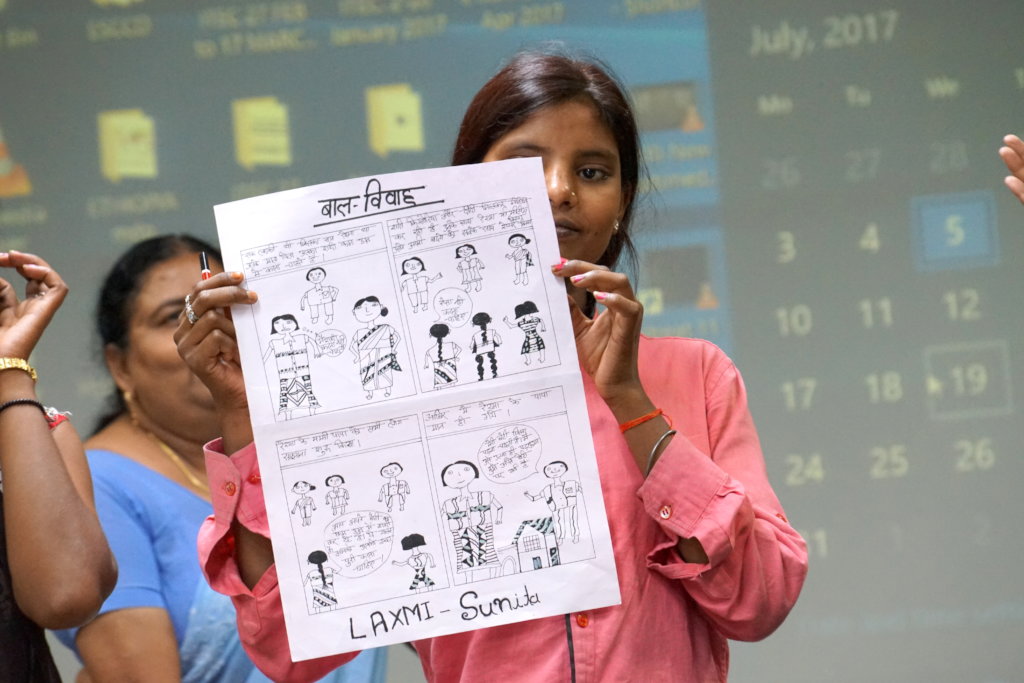
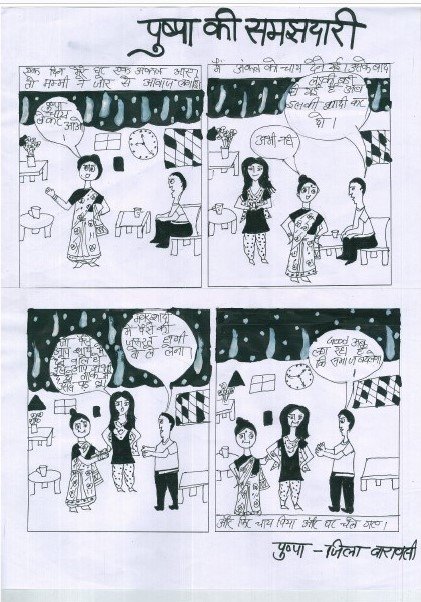
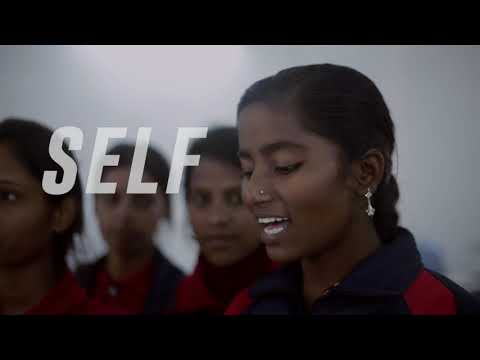
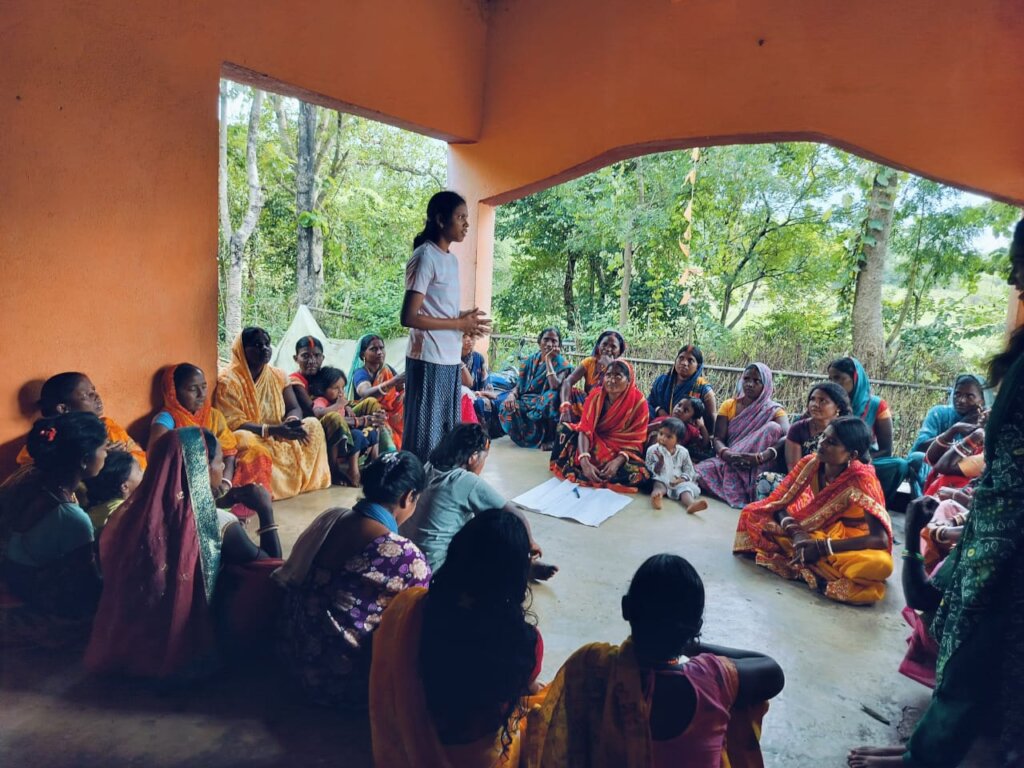
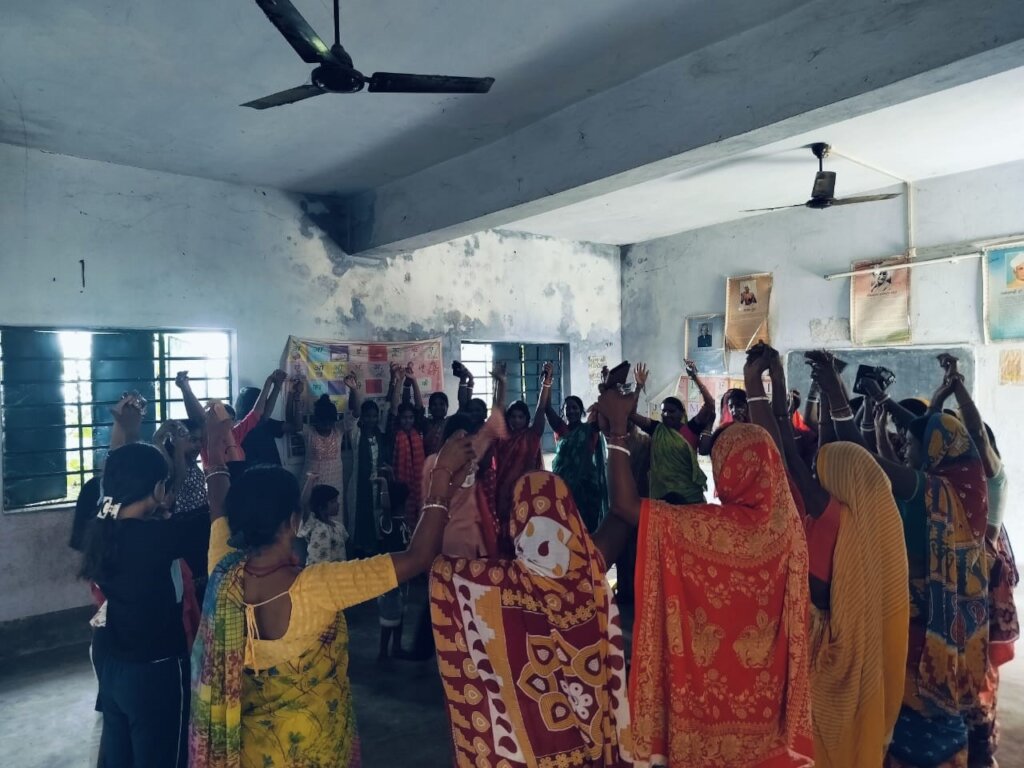
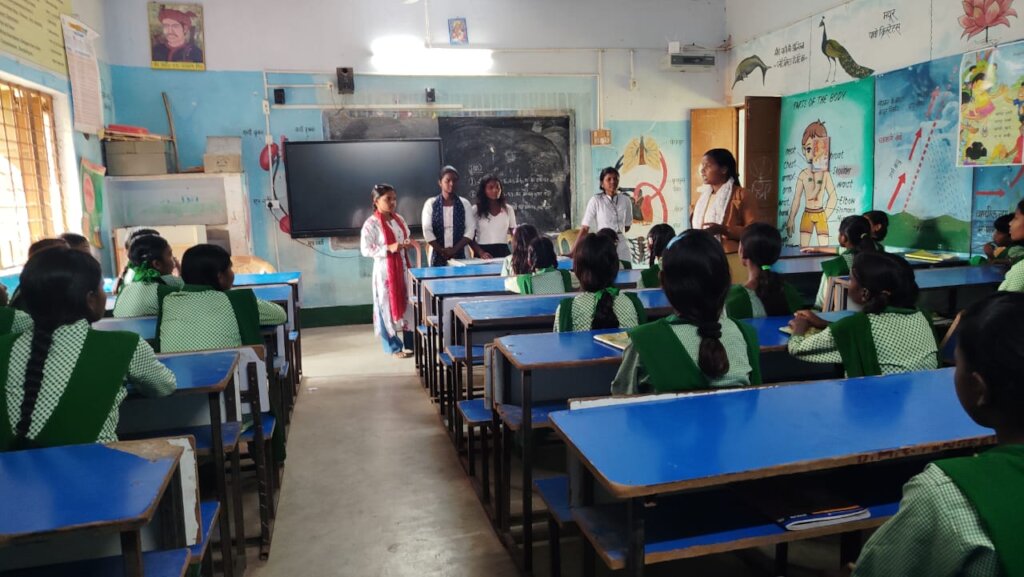
As a follow-up to introducing feminist storytelling as a powerful tool for self-expression, leadership, and social change in the SELF Academy 2025, the young girls continued their journey of using stories to challenge silence and reshape narratives.They reflected on how mainstream narratives often distort or erase girls’ lived realities and explored how their own voices can question and transform these dominant perspectives. Grounded in the pillars of Voice, Agency, and Intersectionality, participants strengthened their storytelling skills learning the 5Ws and 1H, identifying bias, structuring narratives, and using respectful, inclusive language.The storytelling sessions were further developed into a social action project and implemented during September–November in Jharkhand. It included:
The stories shared by the young girls highlighted several interconnected themes emerging from their lived realities. A strong focus was on girls’ education, with many narratives describing girls struggling to continue school despite poverty, pressure to marry early, and heavy household responsibilities. Education was often portrayed not just as personal growth, but as a pathway to dignity, independence, and family support. Child and early marriage appeared repeatedly, with girls describing resistance to forced marriages and negotiations with parents and elders to gain time to complete their studies. These stories reflected both the persistence of harmful norms and the growing confidence of girls to speak up for their futures. Economic hardship was a central thread. Girls spoke about working as tutors, daily wage laborers, or caregivers while studying, contributing to household income and financing their own education. Their stories showed how financial pressure shapes girls’ life choices but also how resilience and determination help them navigate these challenges. Many narratives explored gender norms and social control, including restrictions on mobility, moral policing, and community gossip about girls who step outside traditional roles. These experiences revealed how girls’ reputations are closely monitored, often limiting their freedom. Stories also surfaced of the experiences of violence, health risks, and emotional stress, particularly in cases of early marriage, domestic abuse, and lack of access to healthcare.These accounts linked personal suffering with broader structural inequalities. At the same time, participants highlighted the role of supportive allies, especially mothers, sisters, and sometimes teachers, who encouraged girls to continue education and pursue their goals, often standing up to other family members. Finally, many stories reflected emerging leadership and collective action. Girls described wanting to guide other girls, raise awareness in their communities, and prevent others from facing similar struggles.
Overall,storytelling itself became an expression of leadership and social commitment.These stories expressed not just their problems but they were able to articulate their stories of resilience and emerge out of those troubles. All these stories reflected deep thinking and emotional reflection along with a good grasp of stories as a tool of change in the way we narrate them, looking at them as tools to challenge dominant narratives.
Project reports on GlobalGiving are posted directly to globalgiving.org by Project Leaders as they are completed, generally every 3-4 months. To protect the integrity of these documents, GlobalGiving does not alter them; therefore you may find some language or formatting issues.
If you donate to this project or have donated to this project, you can receive an email when this project posts a report. You can also subscribe for reports without donating.



Support this important cause by creating a personalized fundraising page.
Start a Fundraiser