By Swarna Mahilkar | Program Manager, SELF Academy
Global Giving Update
April – June 2019
Meet the bold, smart and super articulate girl leaders!
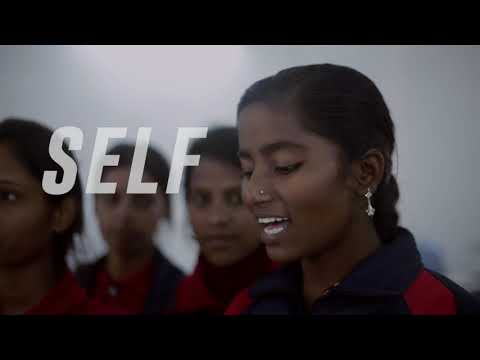
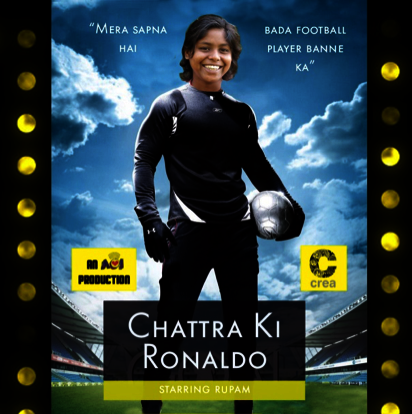
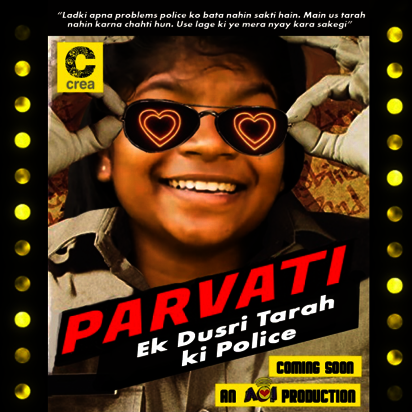
Hopefully, you were able to read about Rupam in our previous report/update. Let us now introduce you to two more of our leaders (including Rupam). Hear what they have to say about their hopes and dreams - how Rupam re-imagines goals and how Parvati re-imagines work. Introducing Rupam and Parvati from Jharkhand, India!
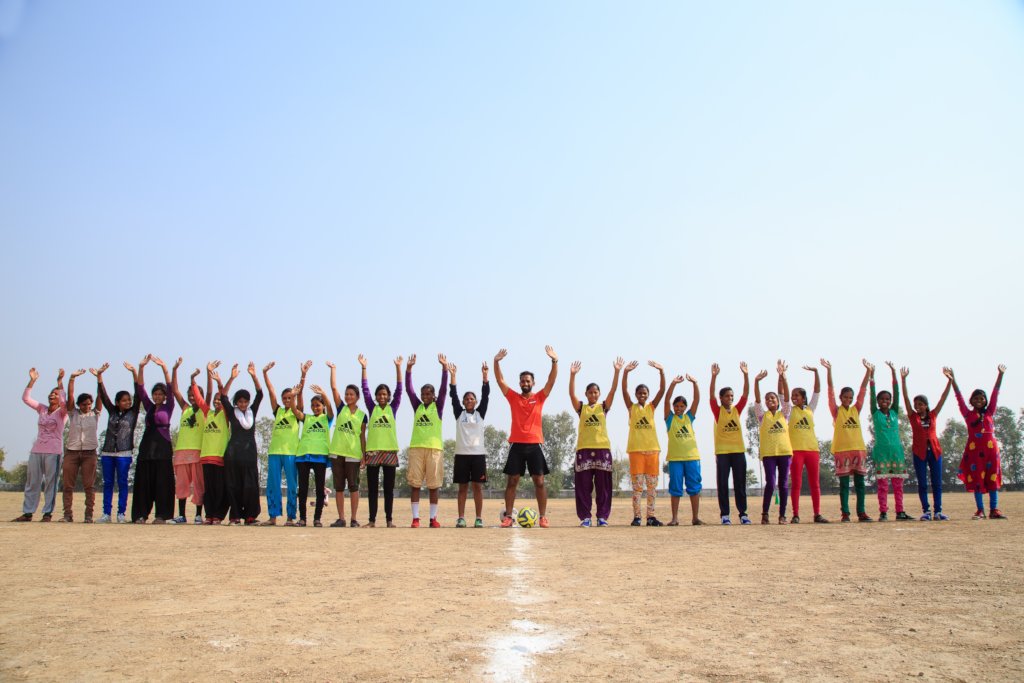
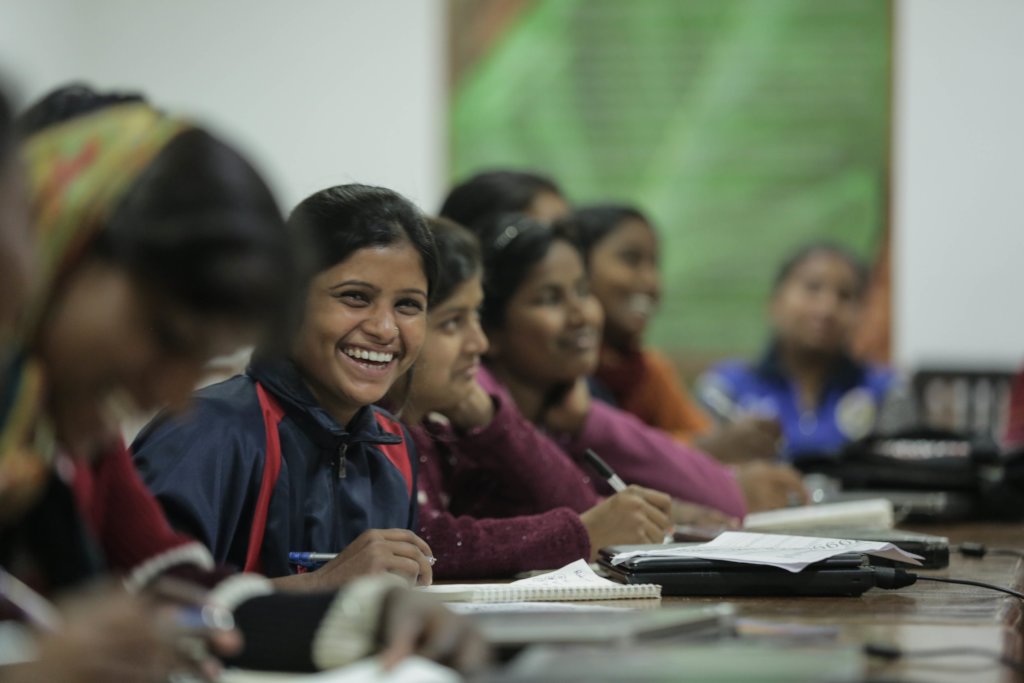
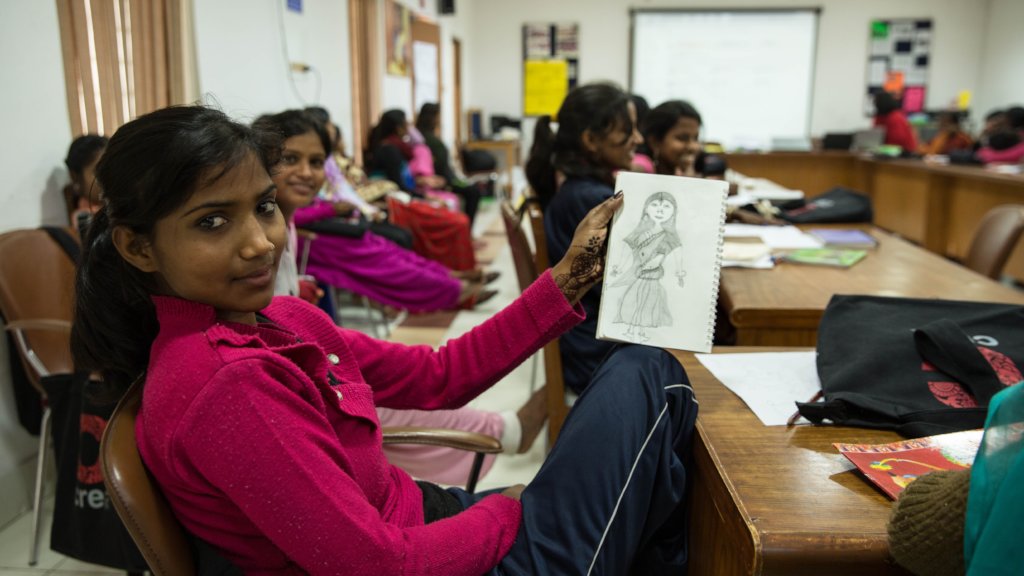
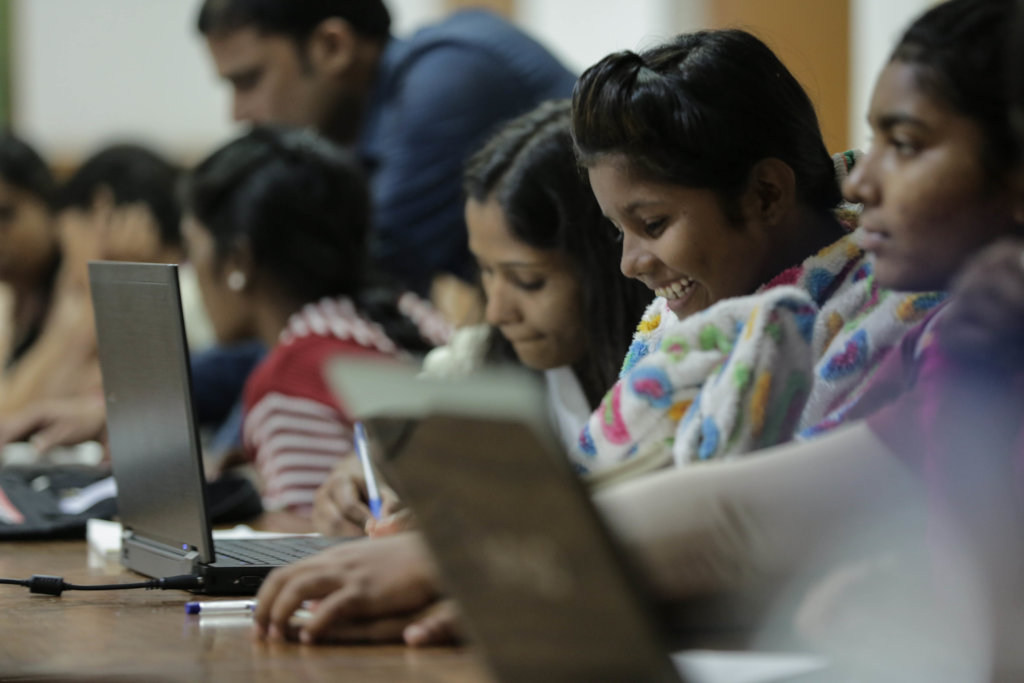
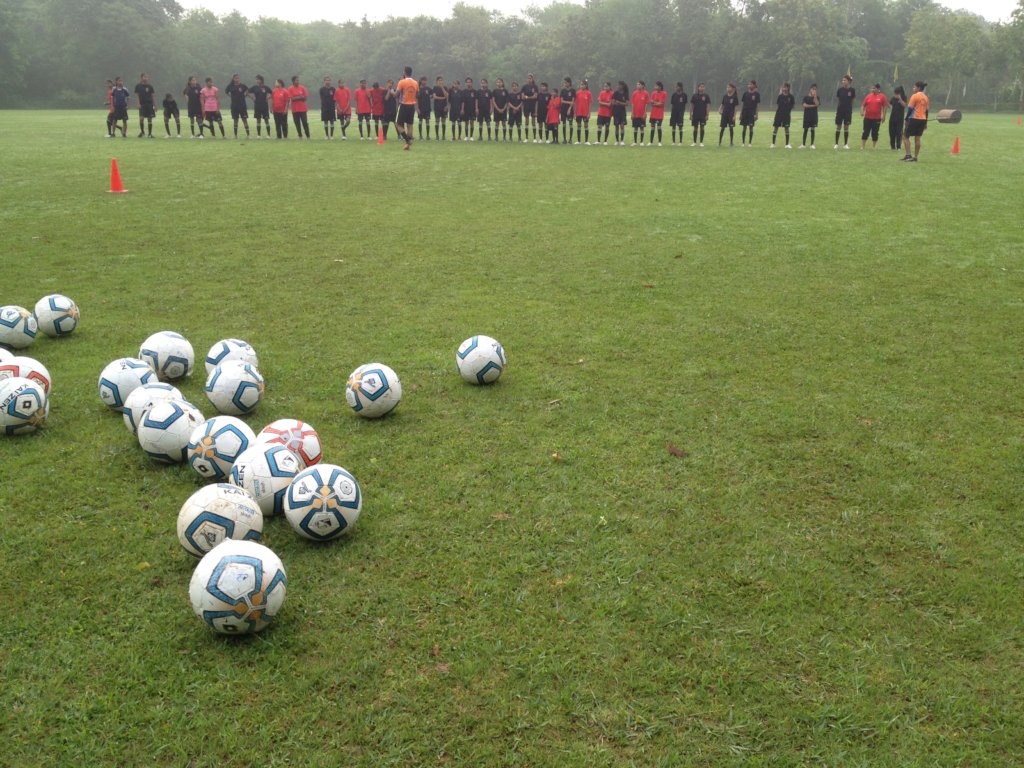
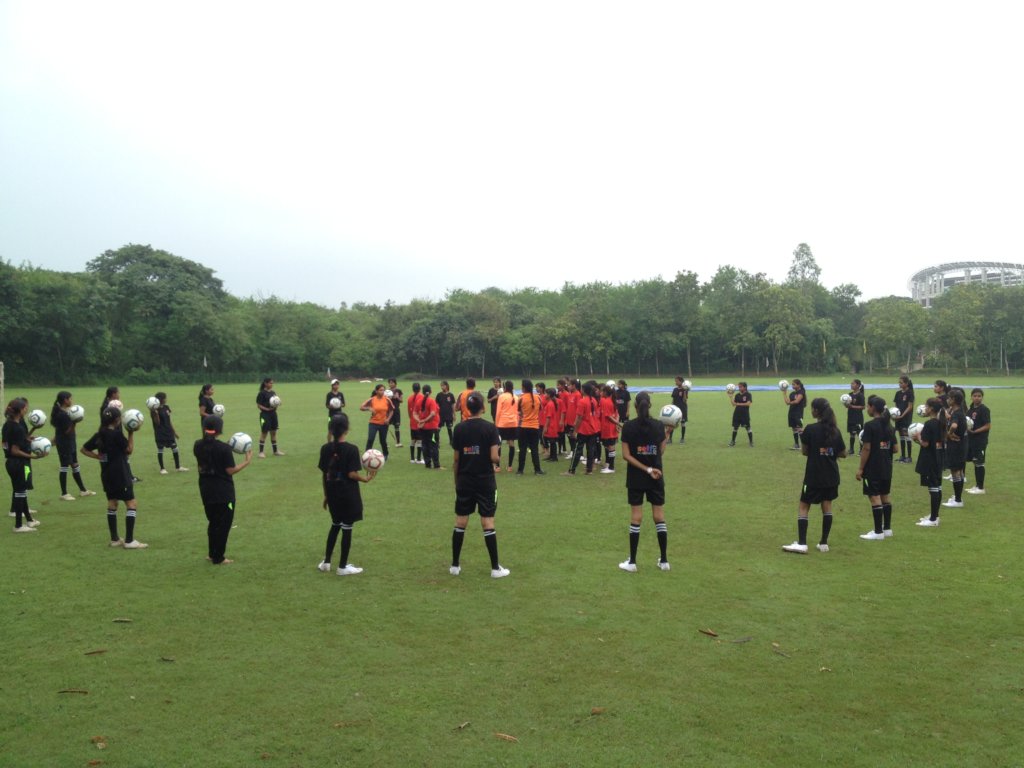
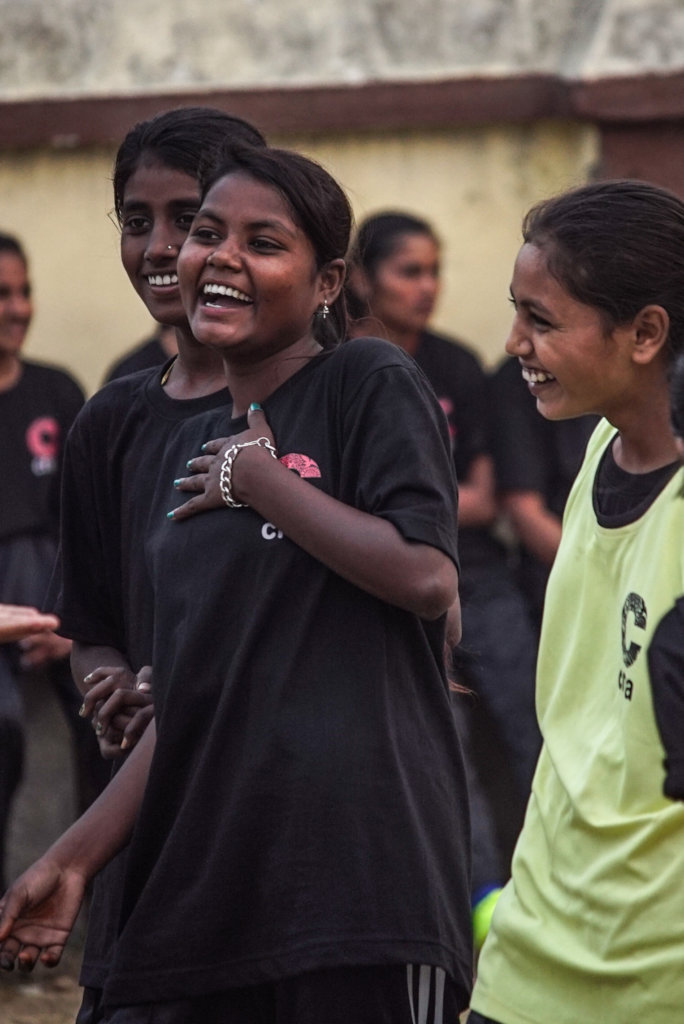
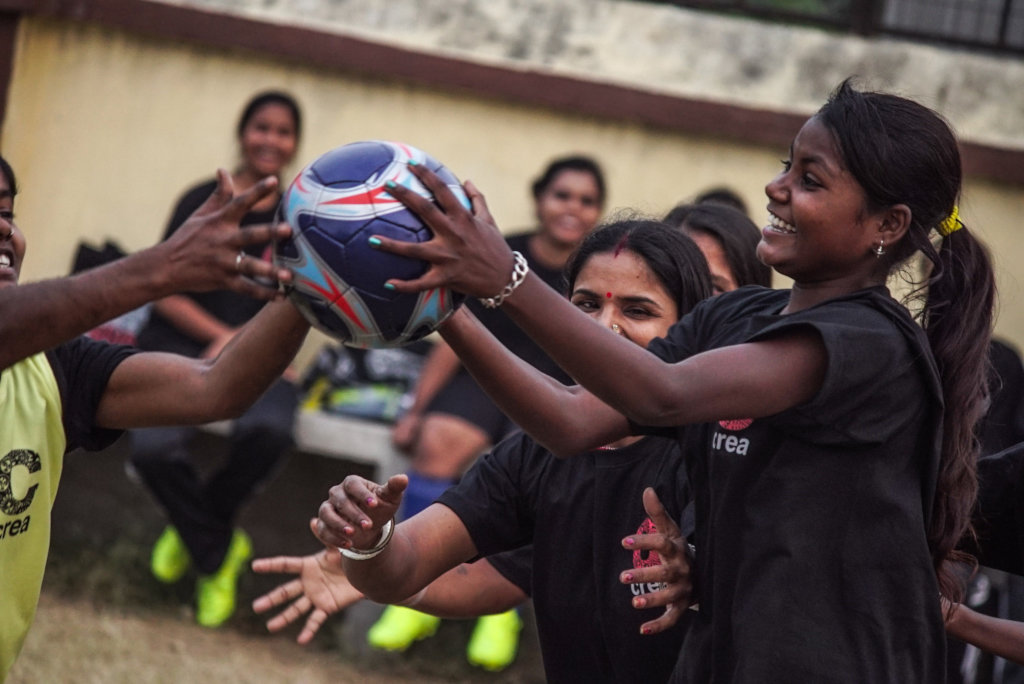
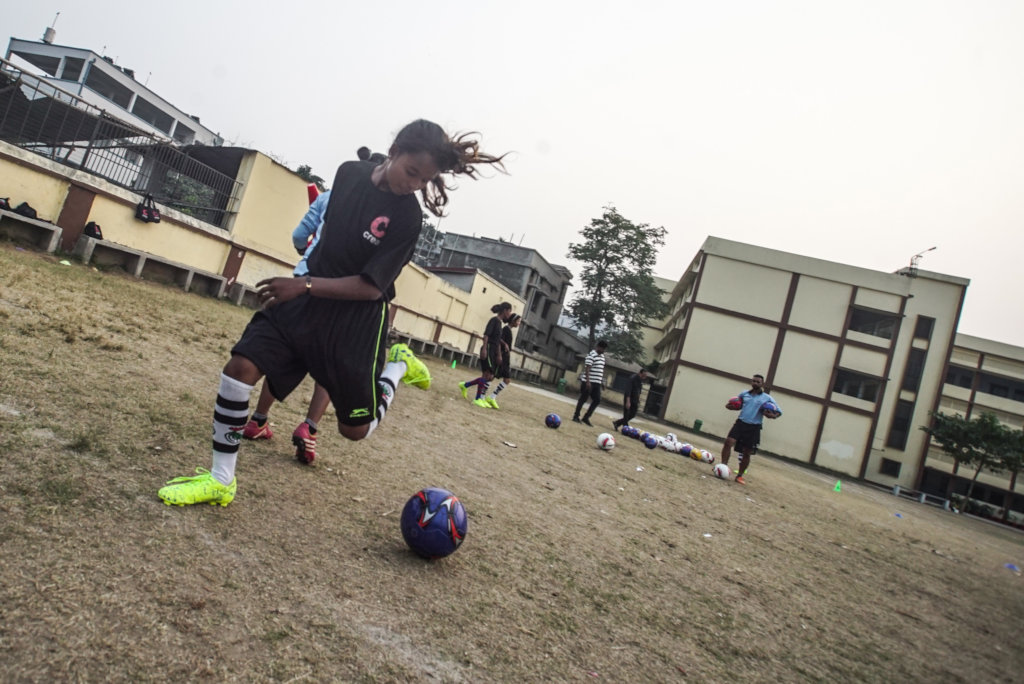
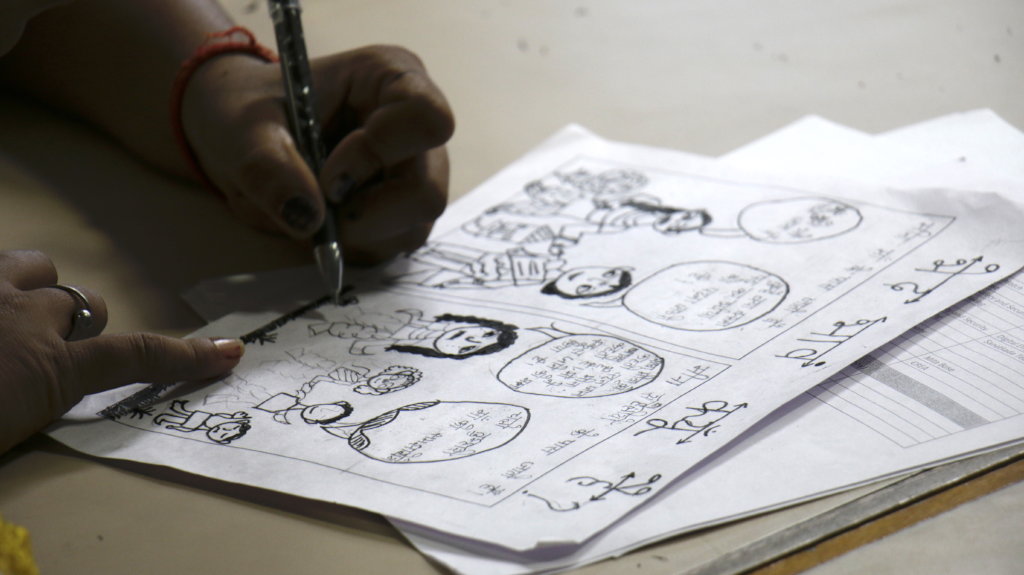
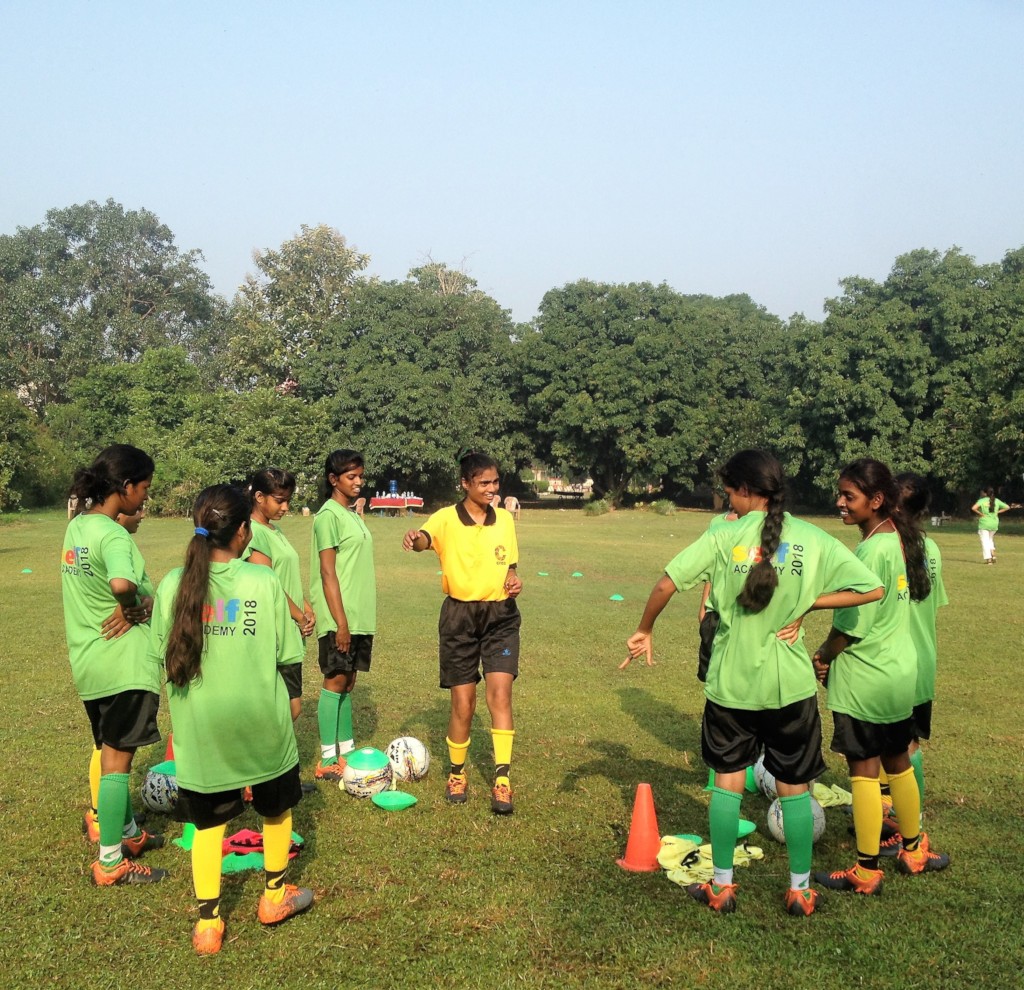
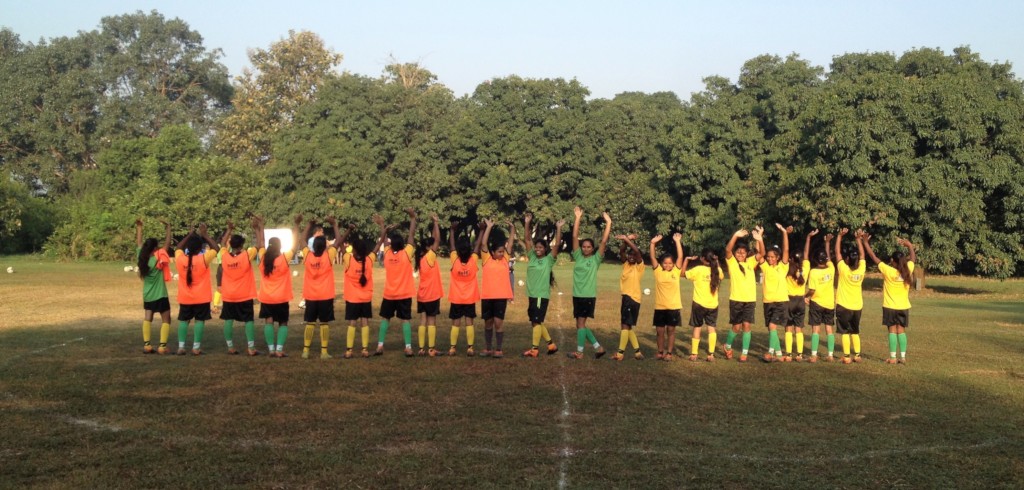
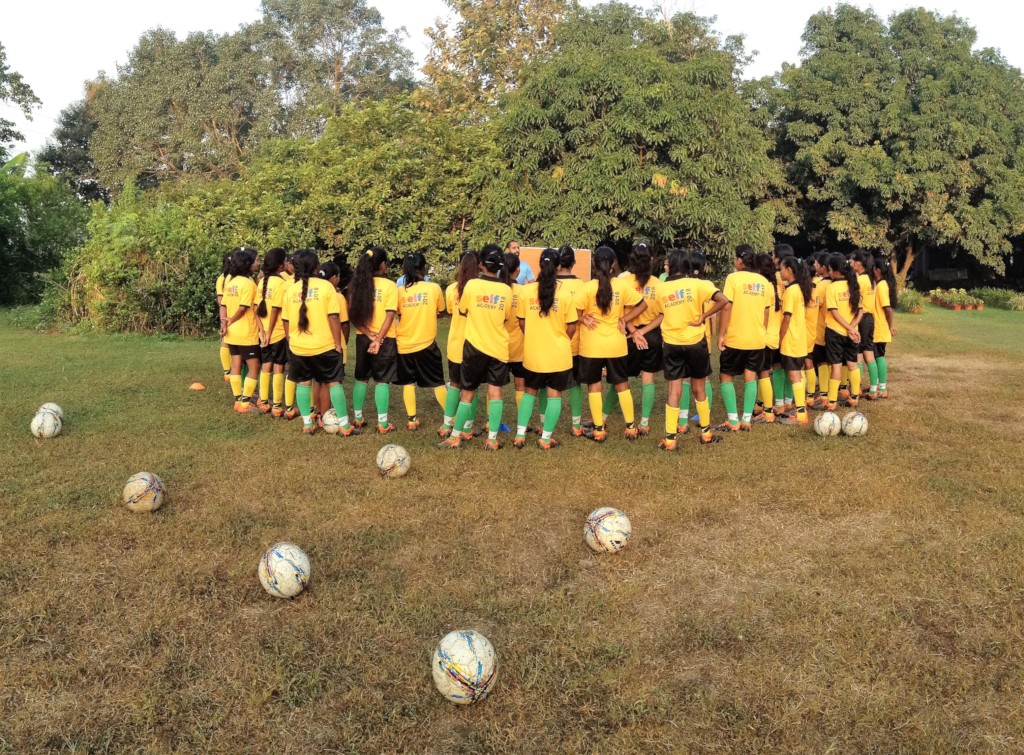
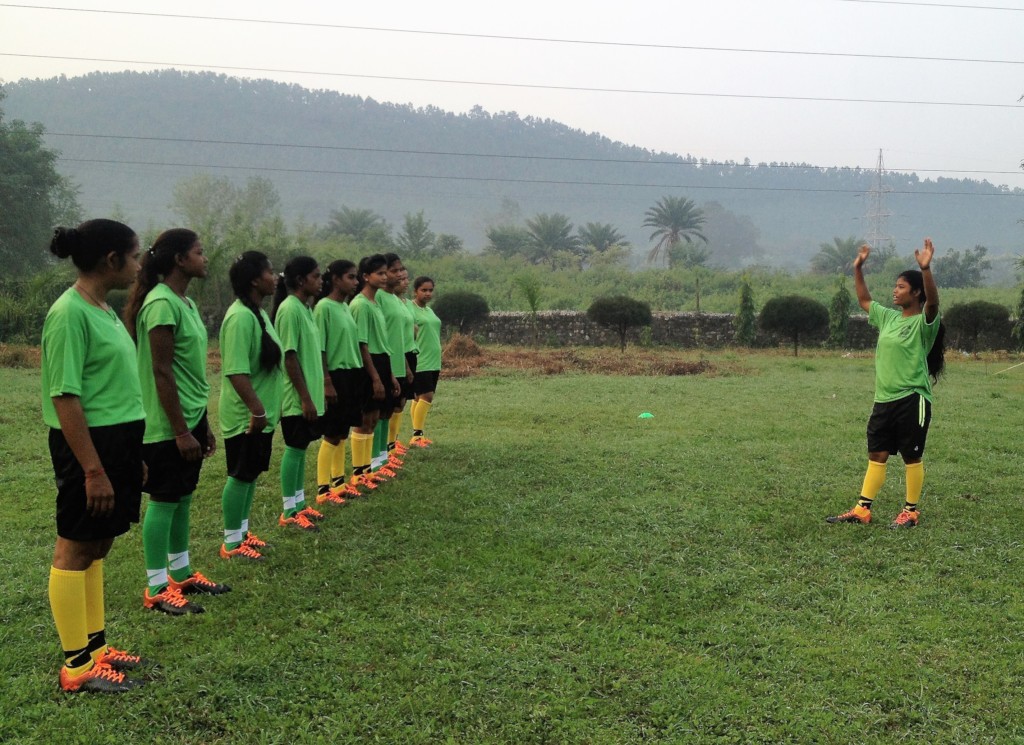
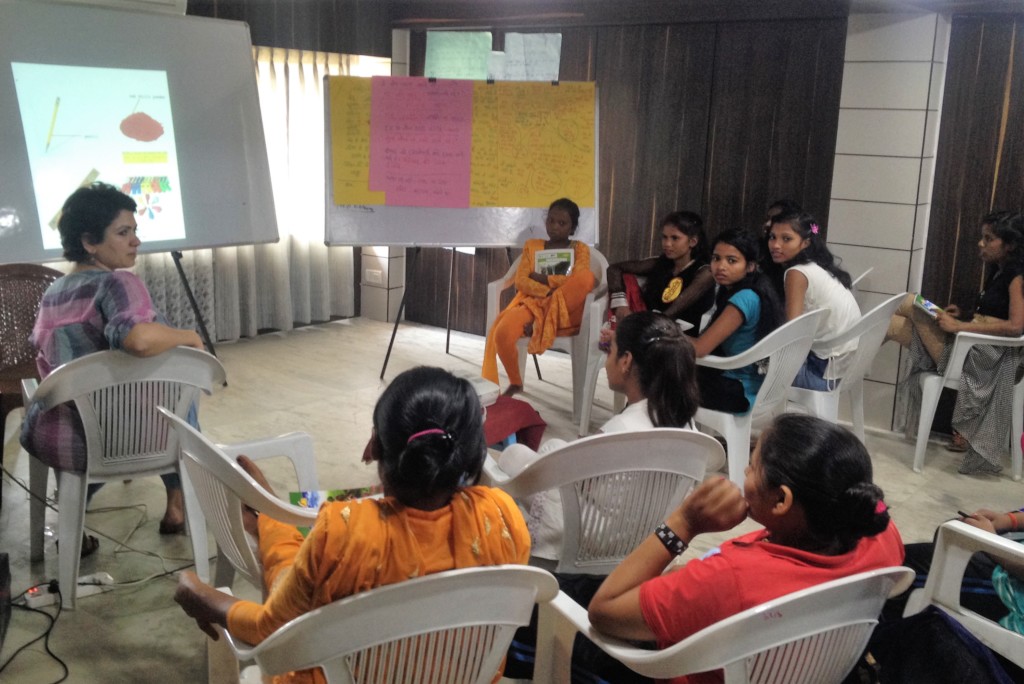
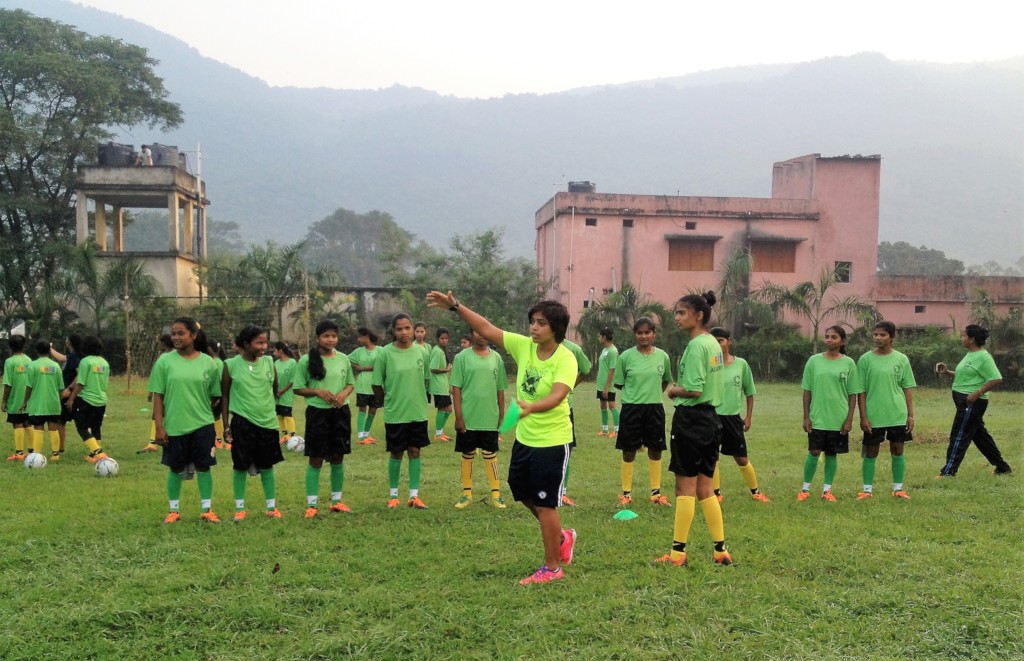
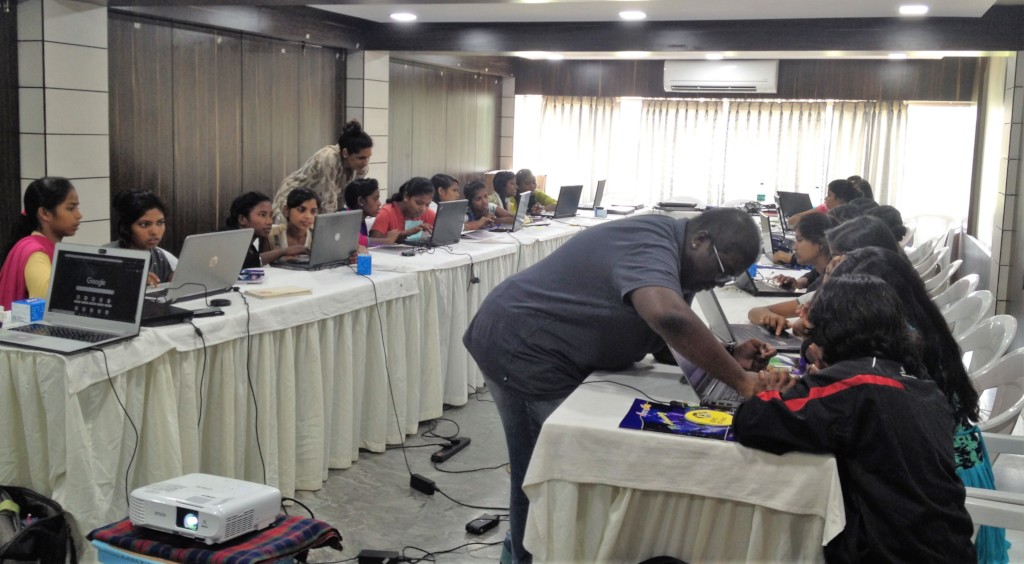
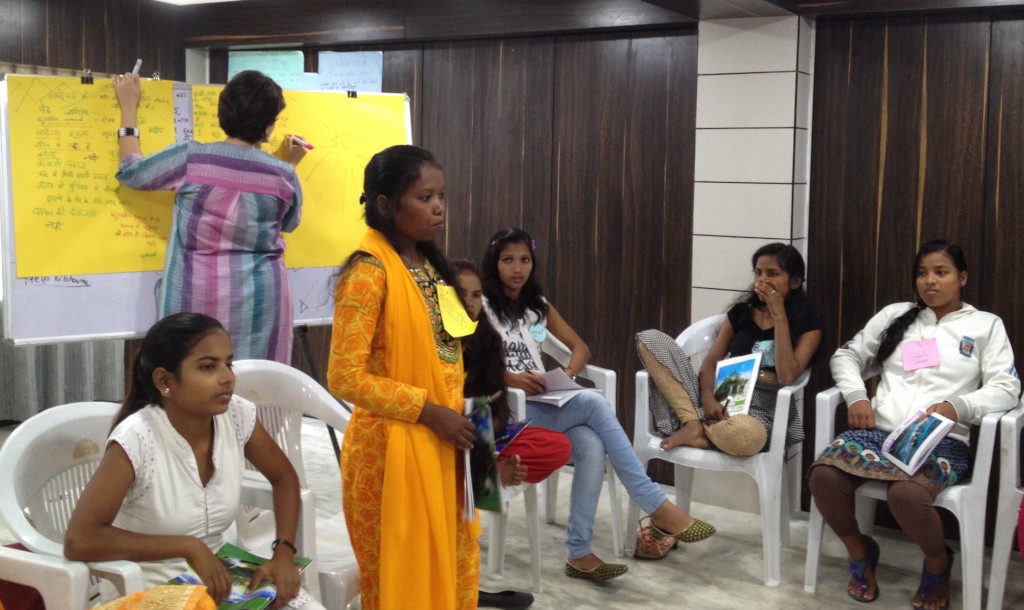
Both Rupam and Parvati attended SELF academy in 2018 along with 36 other girls from their communities. They belong to the state of Jharkhand,[1] India. At SELF, they had the opportunity to learn the technical skills of playing sports from male and female coaches who also served as role models. One of the sessions they attended was on love, desire, choice, consent, bodily autonomy and decision making which was designed and conducted by Agents of Ishq[2]. These sessions along with other sessions on gender, patriarchy, sexuality not only nuanced their understanding of the issues of love, desire, dreams but also helped them articulate what they think, believe and want to do in their lives.
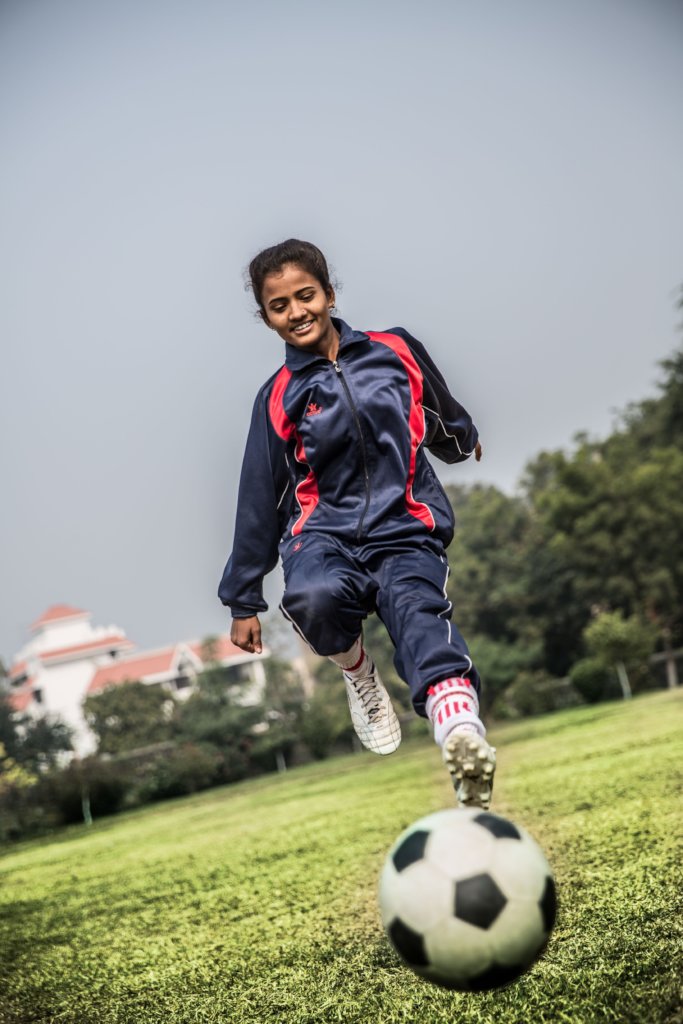
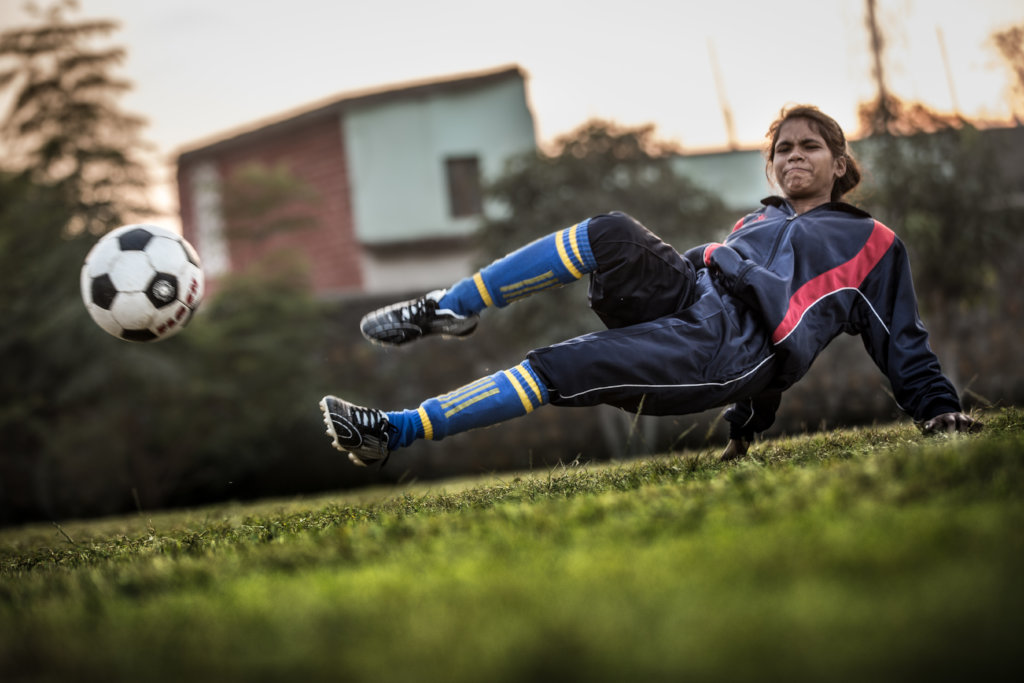
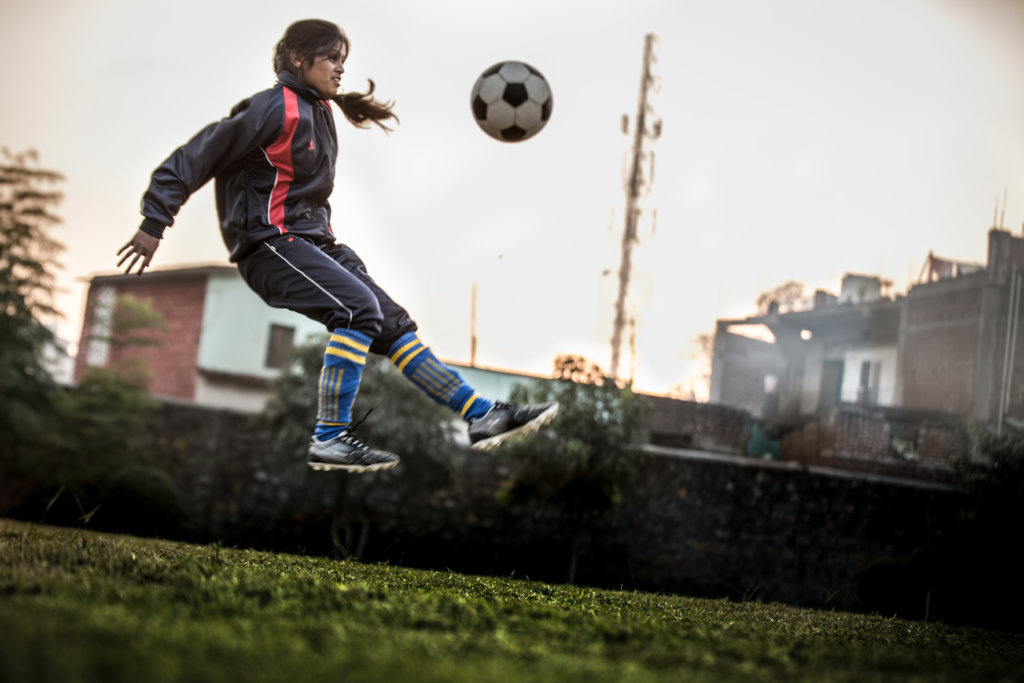
Rupam loves football and her ultimate goal in life is to become a good football player! She is determined and dedicated. She started her journey with the It's My Body (IMB) program where she learned the basics of sports and gained knowledge about the issues of gender, body, choice, and consent. As part of IMB program she discovered her passion for football. The program provided her the opportunity to gain knowledge and learn new information which helped her make more informed choices. At SELF academy she gained confidence, sharpened her skills and learned to connect her experiences with the larger politics around gender and patriarchy which discriminates against girls. She also gained confidence and clarity to articulate her experience, thoughts, and feelings.
"People taunt me about my short hair. They do not approve of girls keeping short hair like boys. People also do not like me playing football. When other girls were not ready to play, I decided to play with boys. People from my neighbourhood started making up stories like I sleep with the boys in the field. They started spreading rumours and asked my mother to watch me. I felt bad. My mother stopped me but my father always supported me."
– Rupam, Jharkhand, India
Let’s hear her story in her words.
(please click the link titled "Rupam's story)
Parvati, lives in Jharkhand, India and comes from one of the least progressive communities. There are a lot of restrictions and control over girl’s lives, their education, work and marriage. The lack of access to knowledge and information for girls leads them to have little to no agency or decision making power. Like Rupam, Parvati also attended SELF academy in 2018 and learned valuable lessons and life skills from different sessions.
“When girls have a problem they are unable to freely tell the police. If she has been raped or harassed male police don’t make it easy for her to talk. They torture her with insensitive questions like what happened?........Where did he touch you?.........They feel unable to seek police help. I want to change that. Girls should feel comfortable to come to police station and share their problems. I want girls to see me and feel that yes she will protect me, she will help me get justice.” – Parvati, Jharkhand, India
Let’s hear her re-imagined idea of work in her words.
Please click the link titled Parvati's story
[1] Jharkhand – is one of the states where CREA co-implements It’s My Body program with community based partner organizations. It’s My Body program advances Sexual Reproductive Health and Rights of Girls and young women through Sports.
Links:
By Anuradha Chatterji | Director, Resource Development
By Anuradha Chatterji | Director, Resource Development
Project reports on GlobalGiving are posted directly to globalgiving.org by Project Leaders as they are completed, generally every 3-4 months. To protect the integrity of these documents, GlobalGiving does not alter them; therefore you may find some language or formatting issues.
If you donate to this project or have donated to this project, you can receive an email when this project posts a report. You can also subscribe for reports without donating.



Support this important cause by creating a personalized fundraising page.
Start a Fundraiser