By Prachet Kumar Shrestha and Upama Tamla Rai | Team Leader
“If you are planning for a year, plant rice. If you are planning for 10 years, plant trees. If you are planning for 100 years, educate your children.”
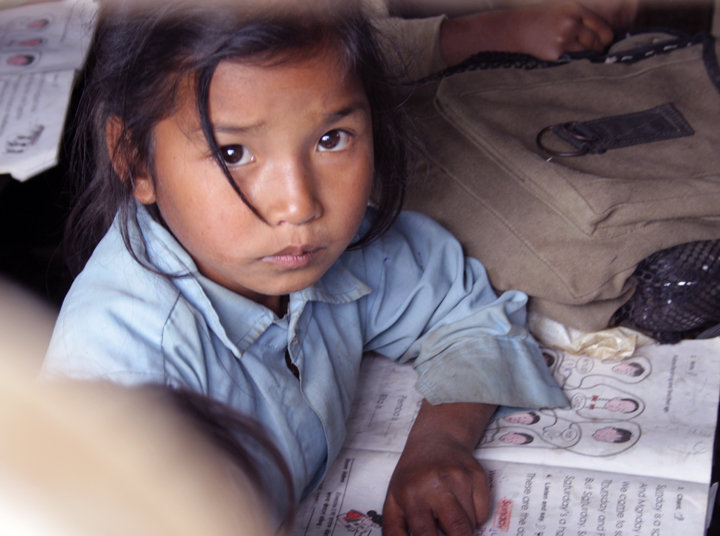
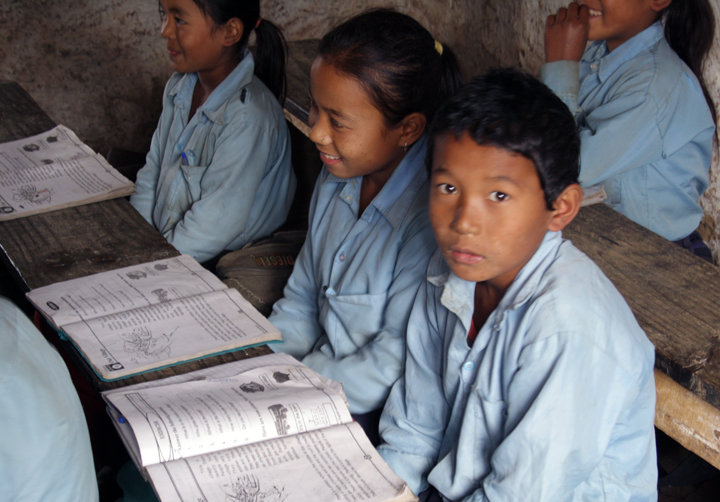
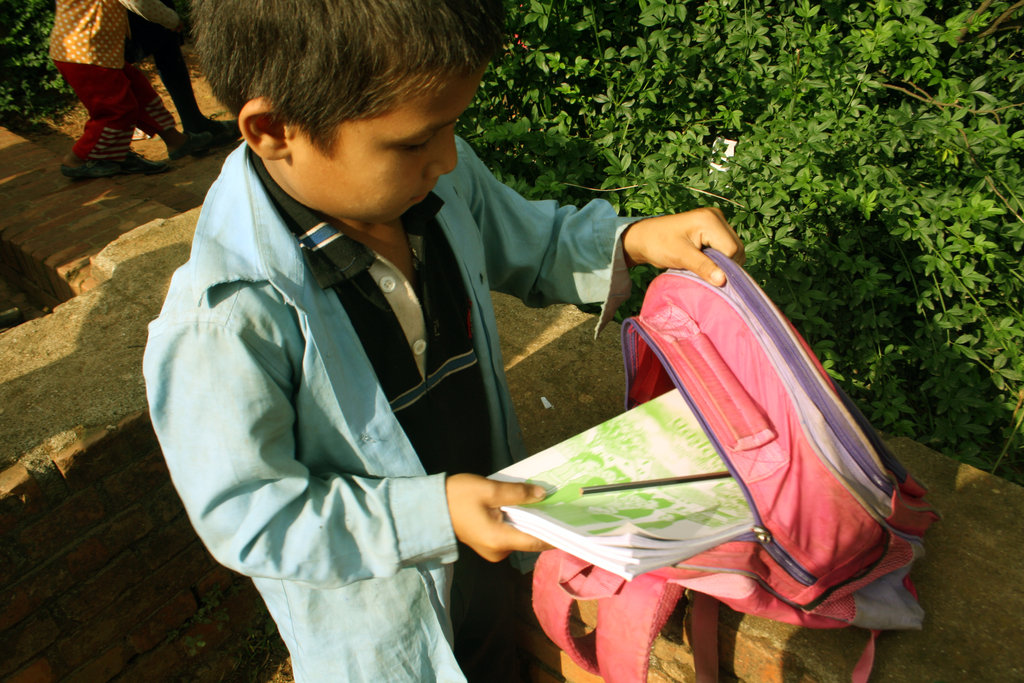
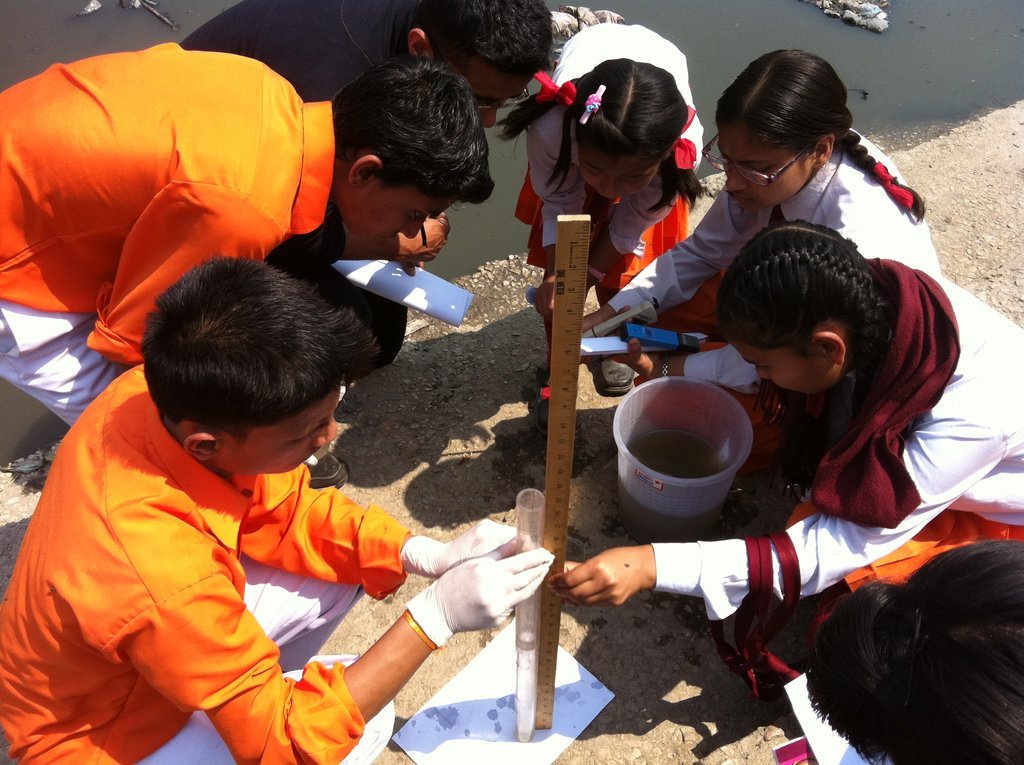
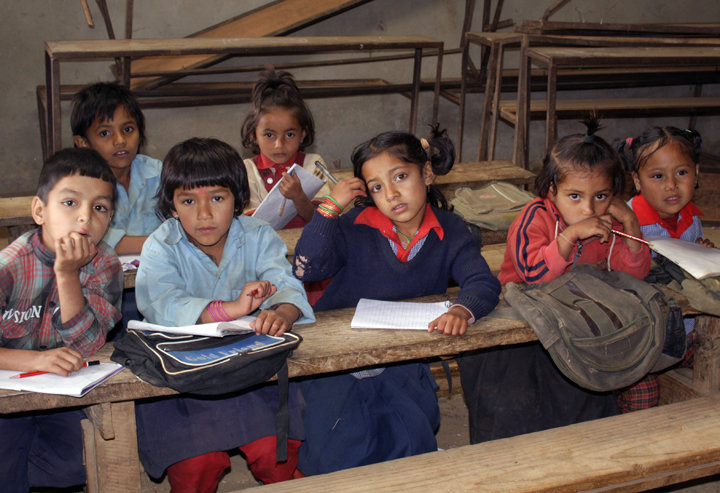
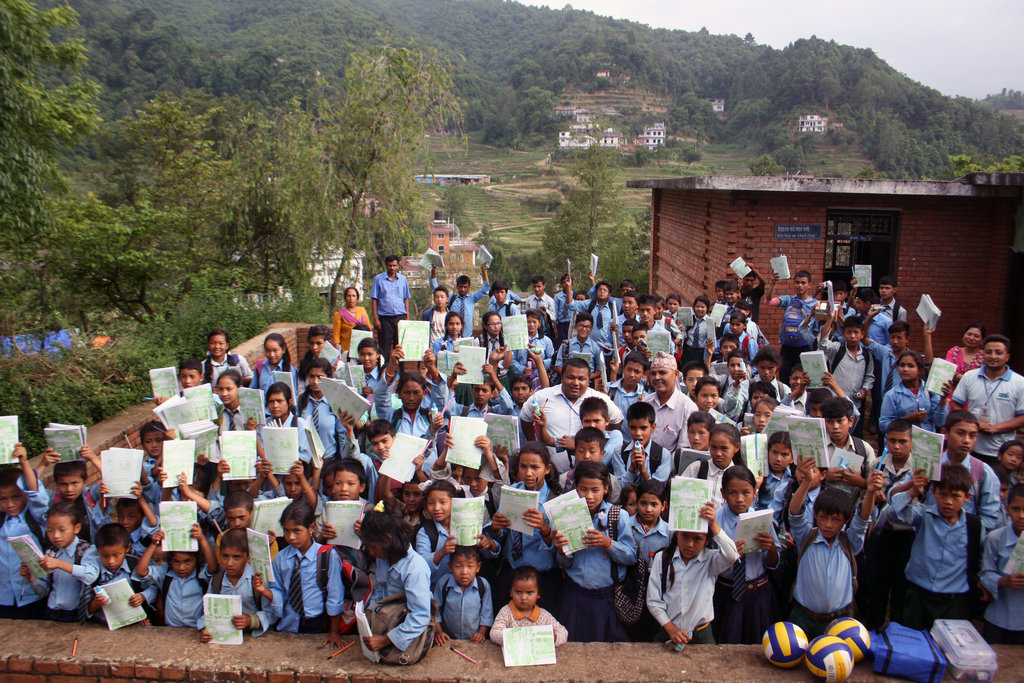
As the saying goes, conservation and education should go hand in hand. With this concept, we founded our organization Environmental Camps for Conservation Awareness (ECCA) 29 years ago. With thousands of children being deprived of quality education and safe health in Nepal, it was important to accelerate school development together with conservation when we first started our journey in the path of better conservation and livelihood. Children, education and schools became our topmost priorities along with environment conservation strategies.
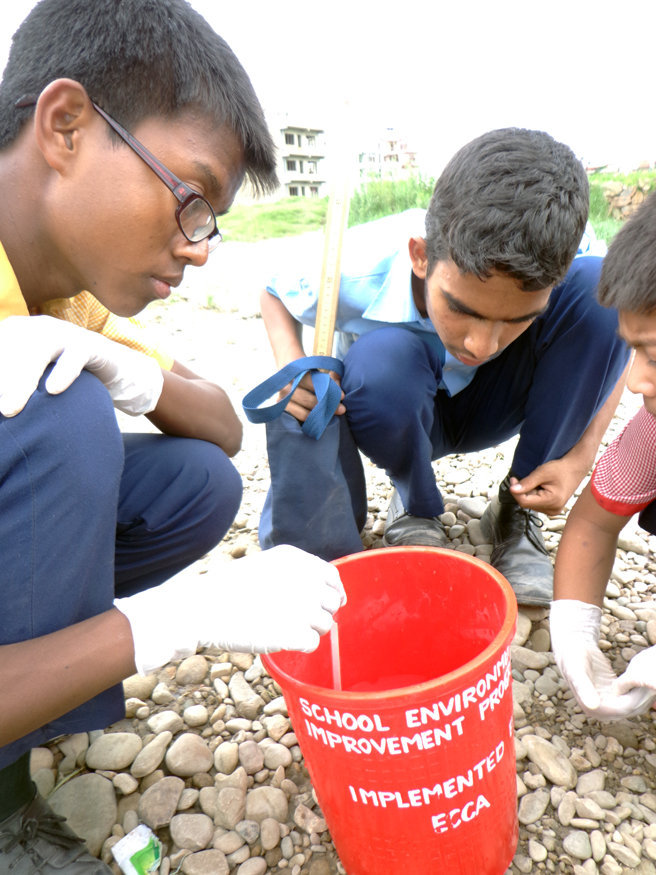
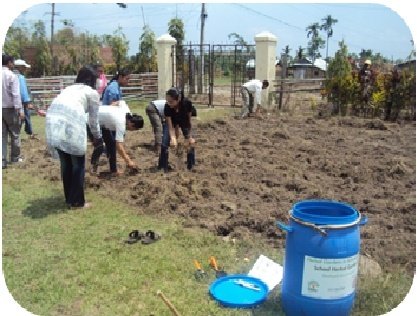
Our aim lied in creating sustainable learning environment for maximum children in rural areas. Our initiation ofSchool Environment Improvement Program took shape as the work proceeded.
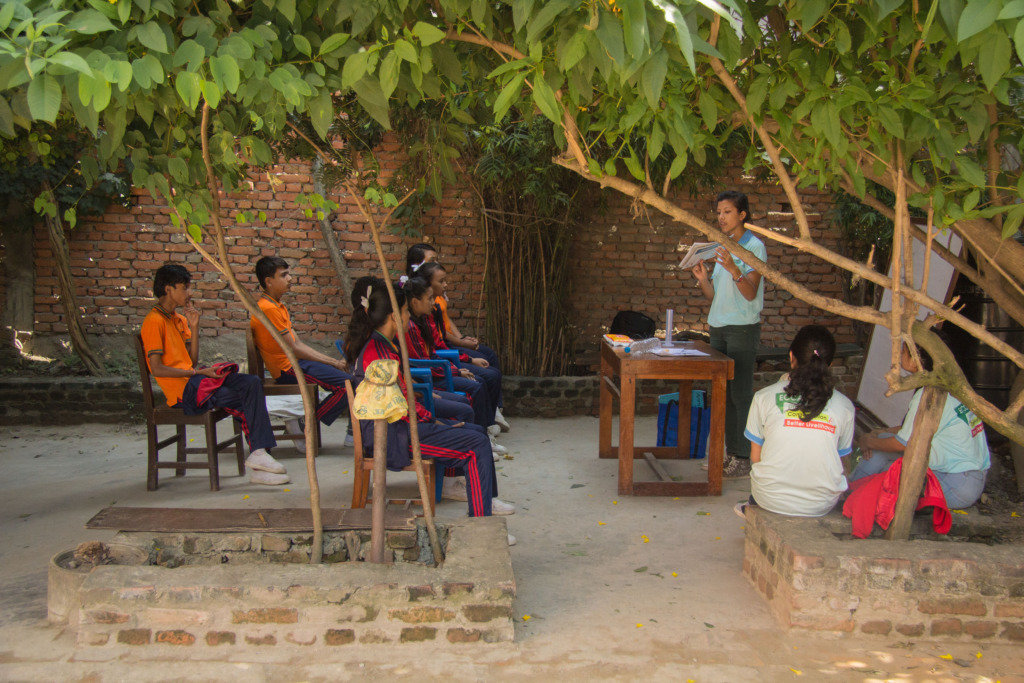
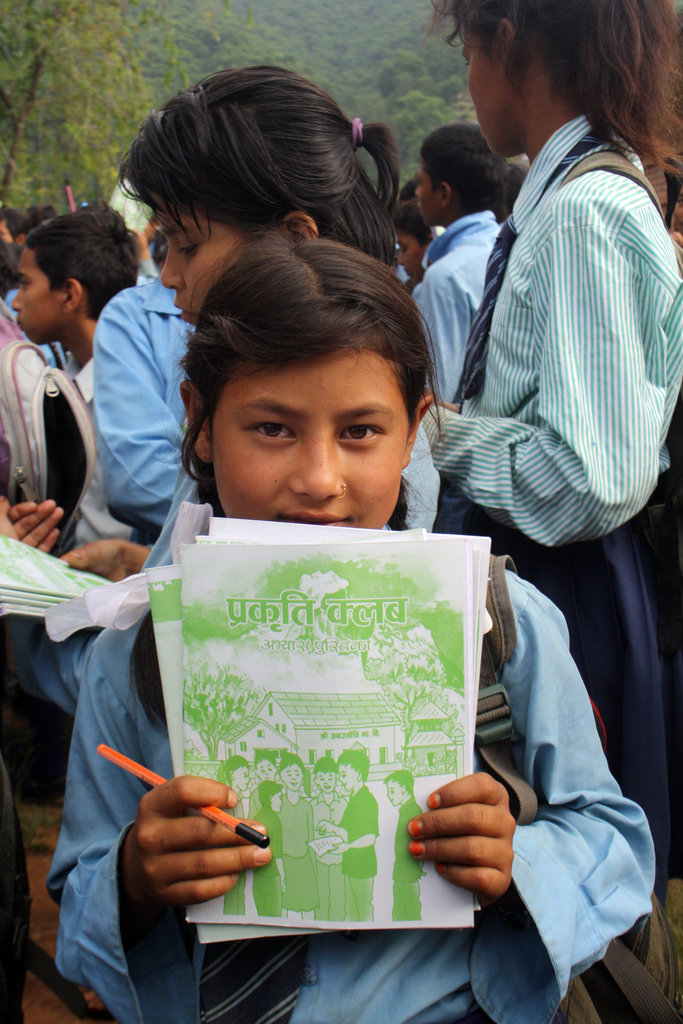
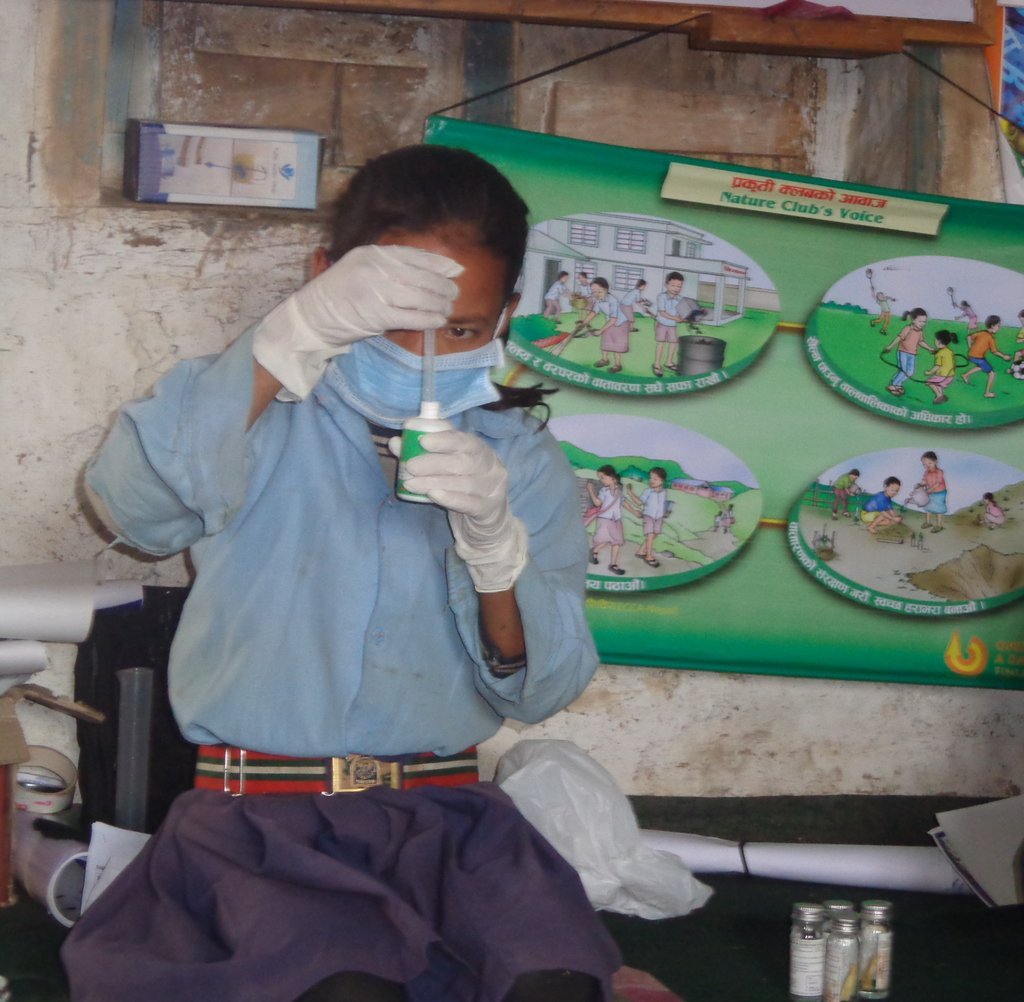
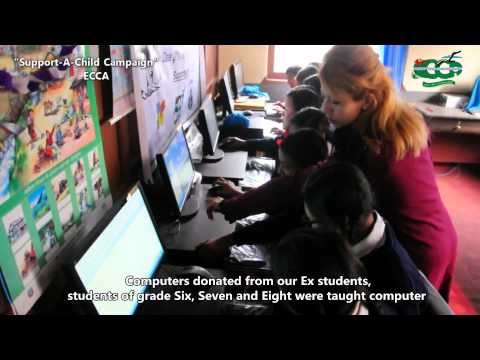
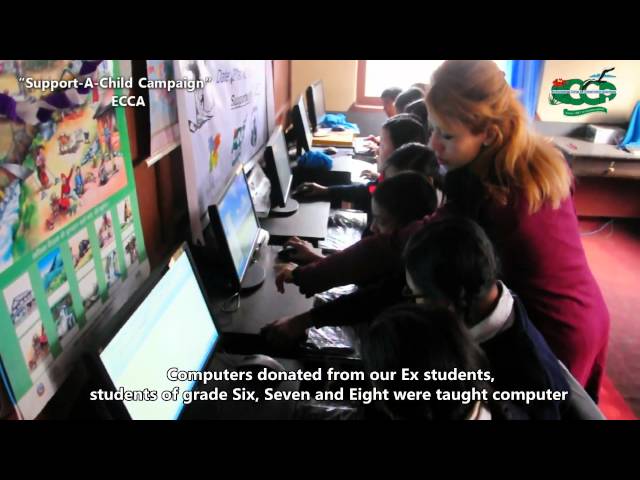
The campaign Support A Child – Help Child Go To School & Study was linked with the School Environment Improvement Program, to motivate students to come to school. Needy students were provided scholarship materials and we trained young people so that they could help school children form nature clubs within their school. We thought everything was going well. Students, especially nature clubs, were trained on different environmental, WASH (water, sanitation and hygiene) and developmental issues. With those clubs regularly approaching communities for awareness programs, we thought the cycle of sharing knowledge – from experts to the youths to school children and finally the communities – was unending. The number of school attendees was increasing in our project schools. Nature clubs had become the strength of the villages we worked in. However, after some time, we felt that something was lacking.
Nature club members were graduating every year. Even with regular programs for new members of the club, it was getting difficult to boost newer children to remain active in the club. The earthquake further dispersed the strength of children and our effort of sustainability of school environment improvement fell to lower level. As we conducted support programs for students and teachers, we discovered that we had yet to approach larger community of school stakeholders for sustainability of our school environment improvement program.
All the schools had School Management Committee (SMC). But, Parents Teachers Association (PTA) was lacking. We helped to establish PTA in many schools and conducted trainings for both the stakeholders (SMC and PTA)and saw to it that they held a common voice for progressive development of children. Approaching government officials related to education made us realize that they were even more influential. Soon, we had all the stakeholders making a joint effort for school development.
Today, we are happy to say that our effort for school environment improvement has paved a new path for effectiveness and sustainability. We have on site motivating agents of stakeholders, who motivate nature clubs and students, saying that their actions were important and they could help change their community.
Involving all the stakeholders in school environment improvement programs has, in fact, become part of the key to sustainable school environment improvement.
Thank you everyone for trusting us and supporting our organization to create impactful effort in education and conservation.
Project reports on GlobalGiving are posted directly to globalgiving.org by Project Leaders as they are completed, generally every 3-4 months. To protect the integrity of these documents, GlobalGiving does not alter them; therefore you may find some language or formatting issues.
If you donate to this project or have donated to this project, you can receive an email when this project posts a report. You can also subscribe for reports without donating.



Support this important cause by creating a personalized fundraising page.
Start a Fundraiser