Project Report
| Oct 23, 2020
Getting online. Being on line.
![]()
Dear friend! Glad to be here once more and have an opportunity to share with you our new experiences and hope you are safe and sound.
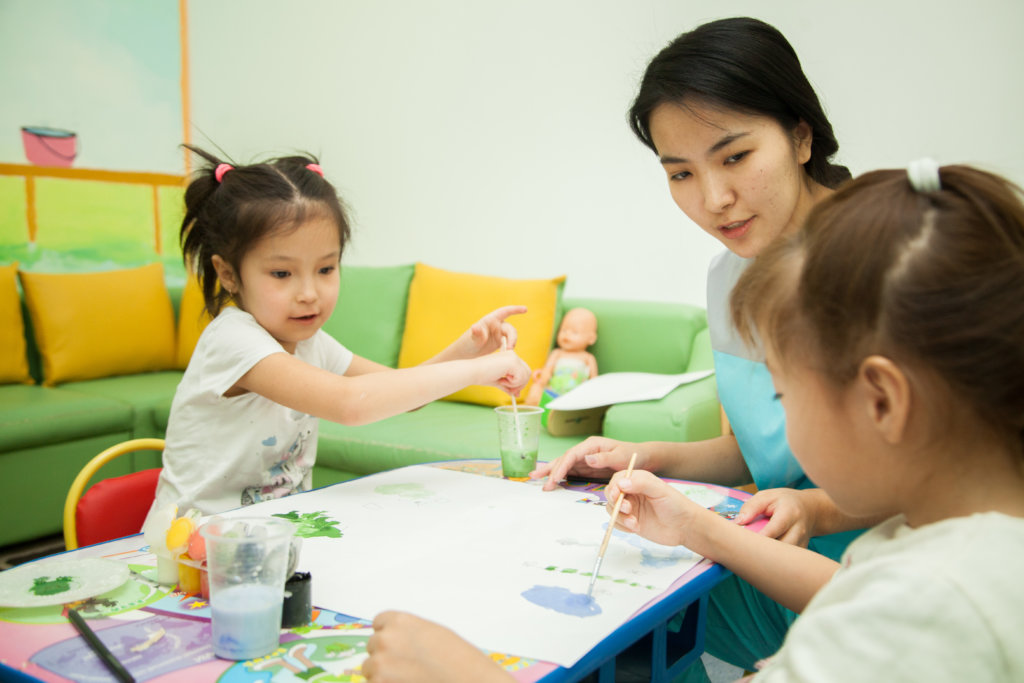
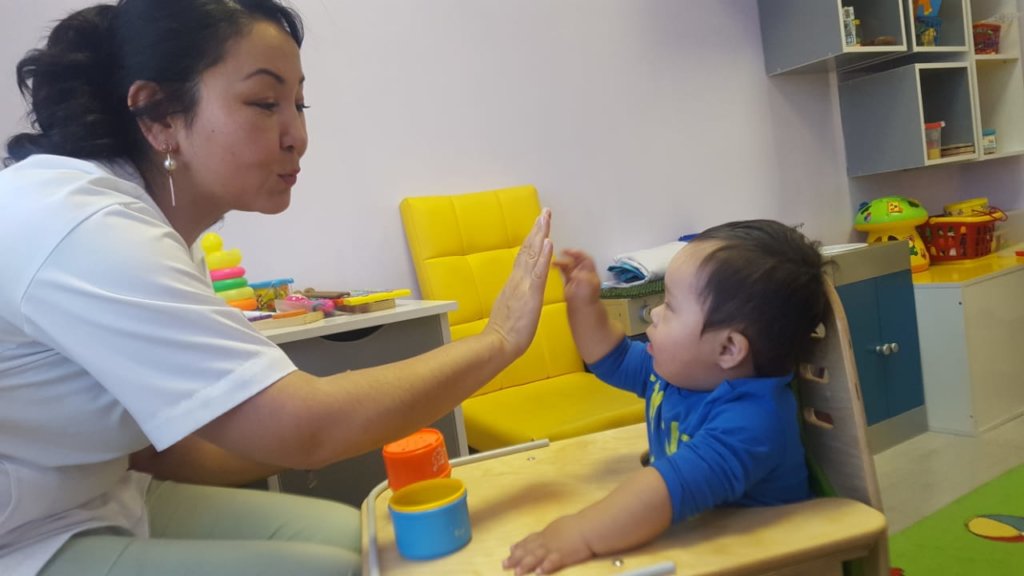
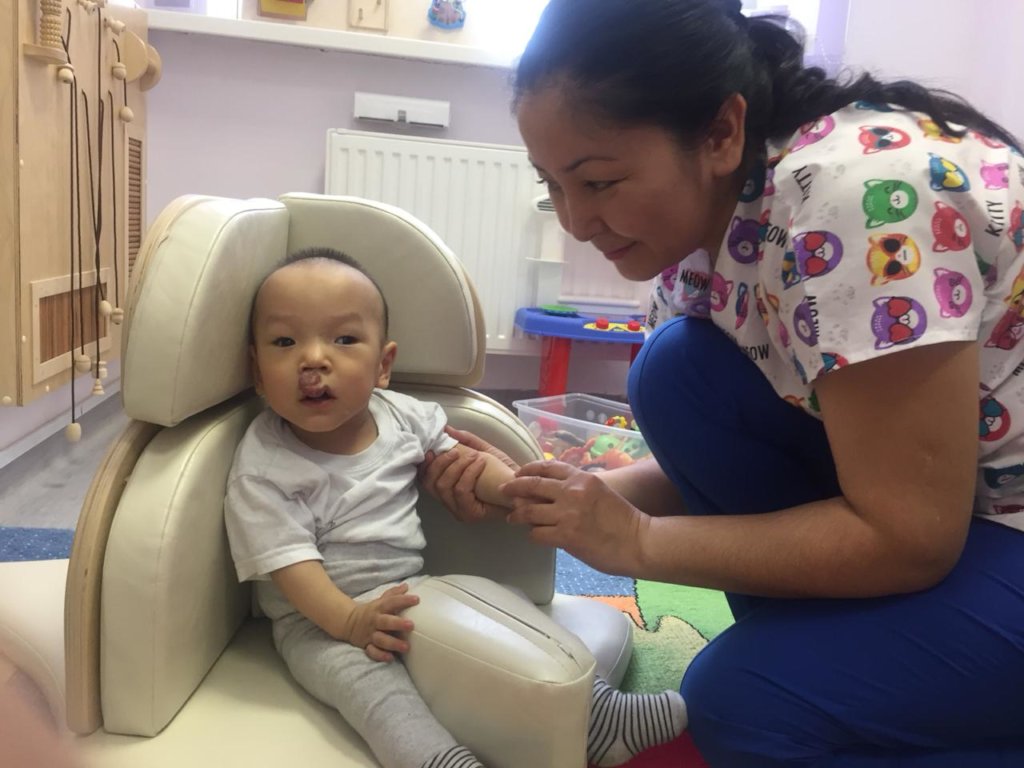
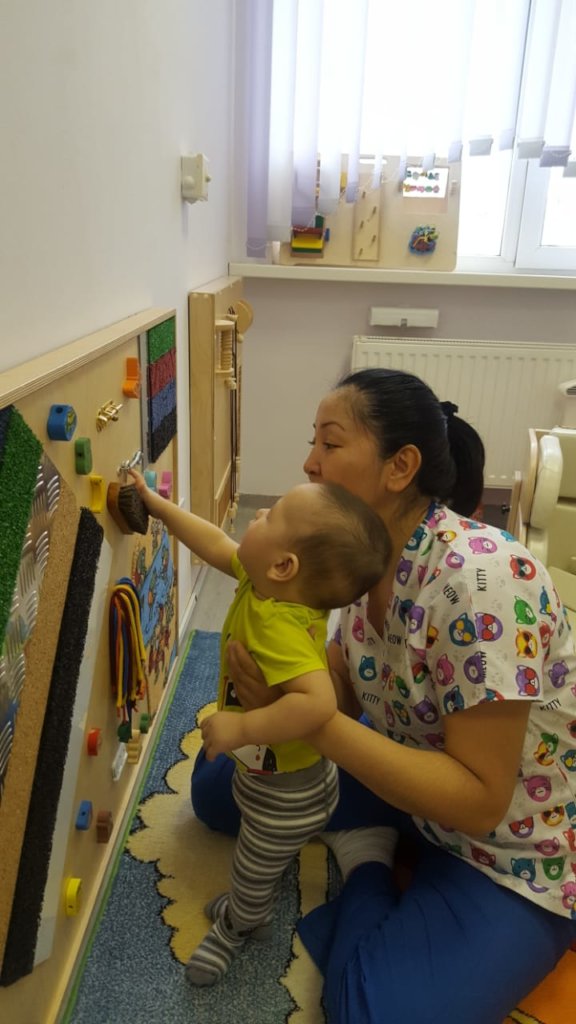
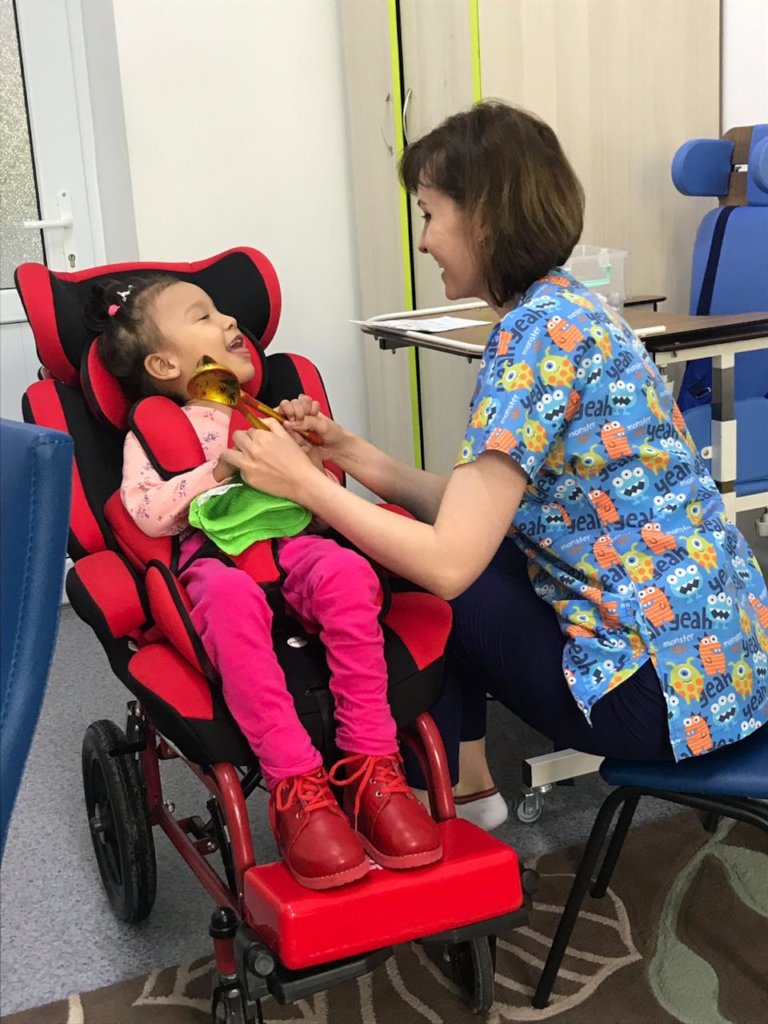
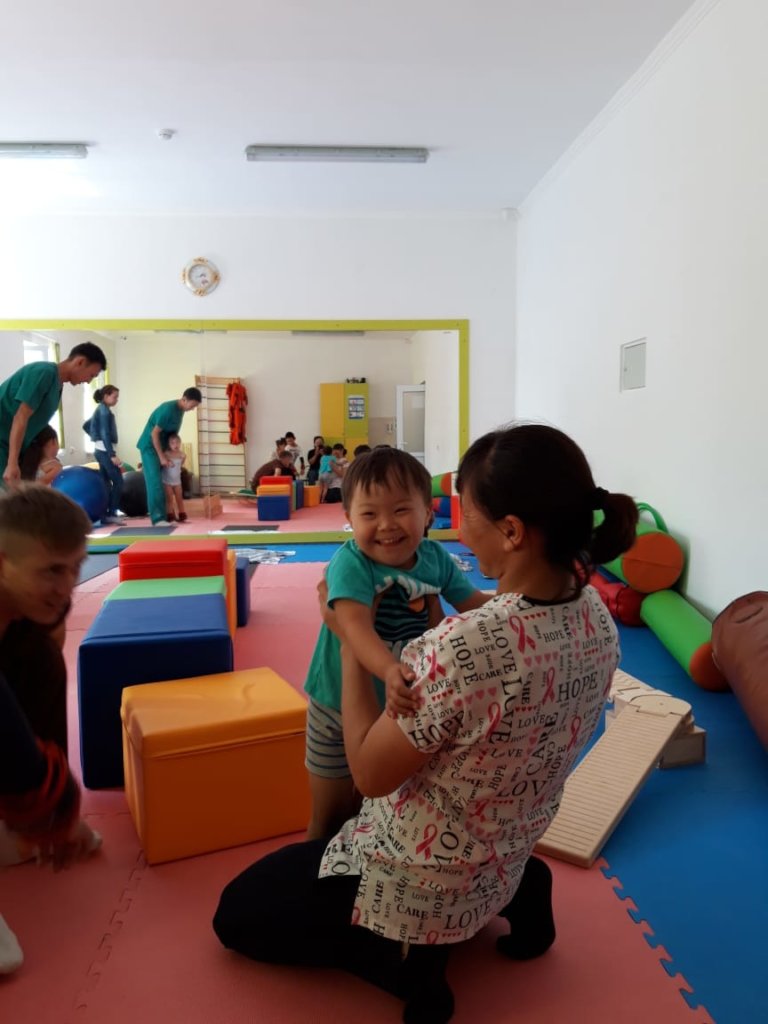
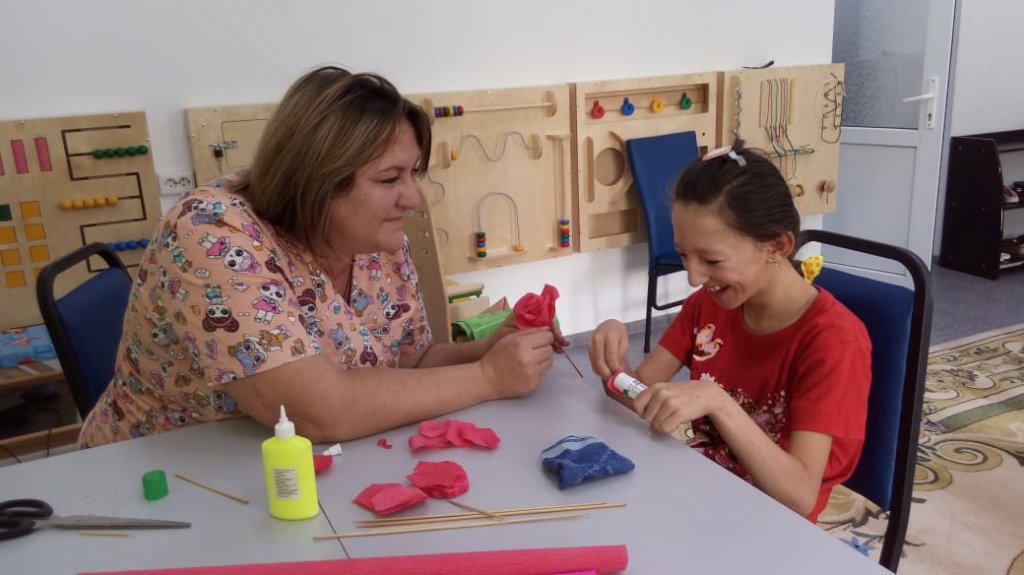
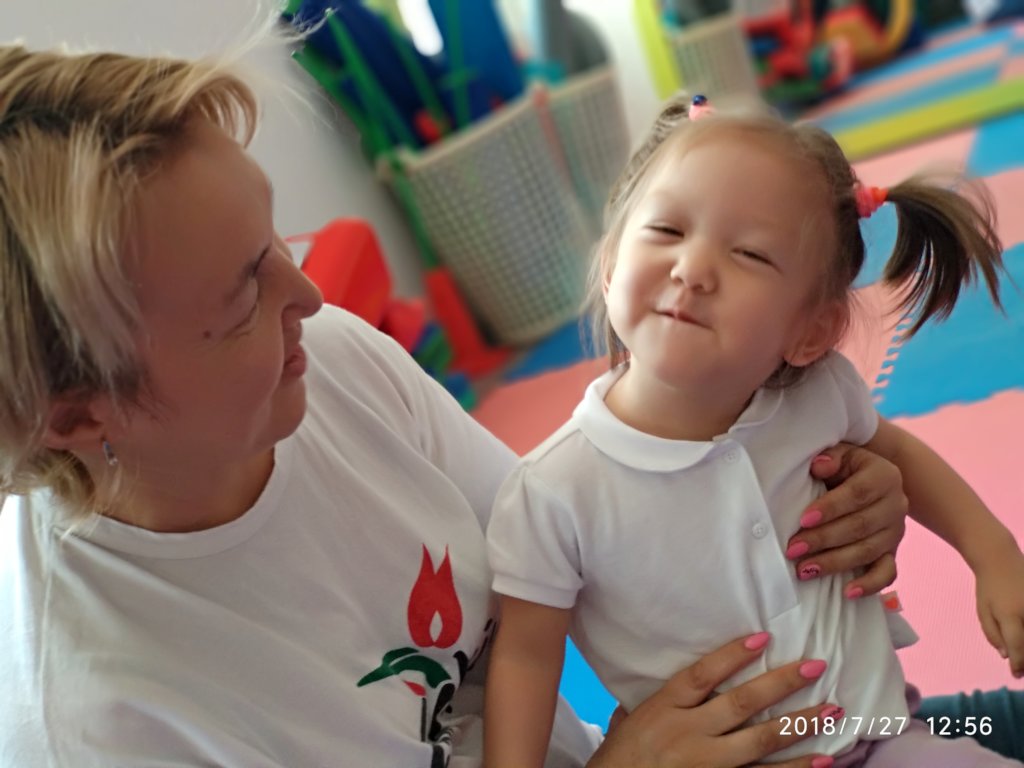
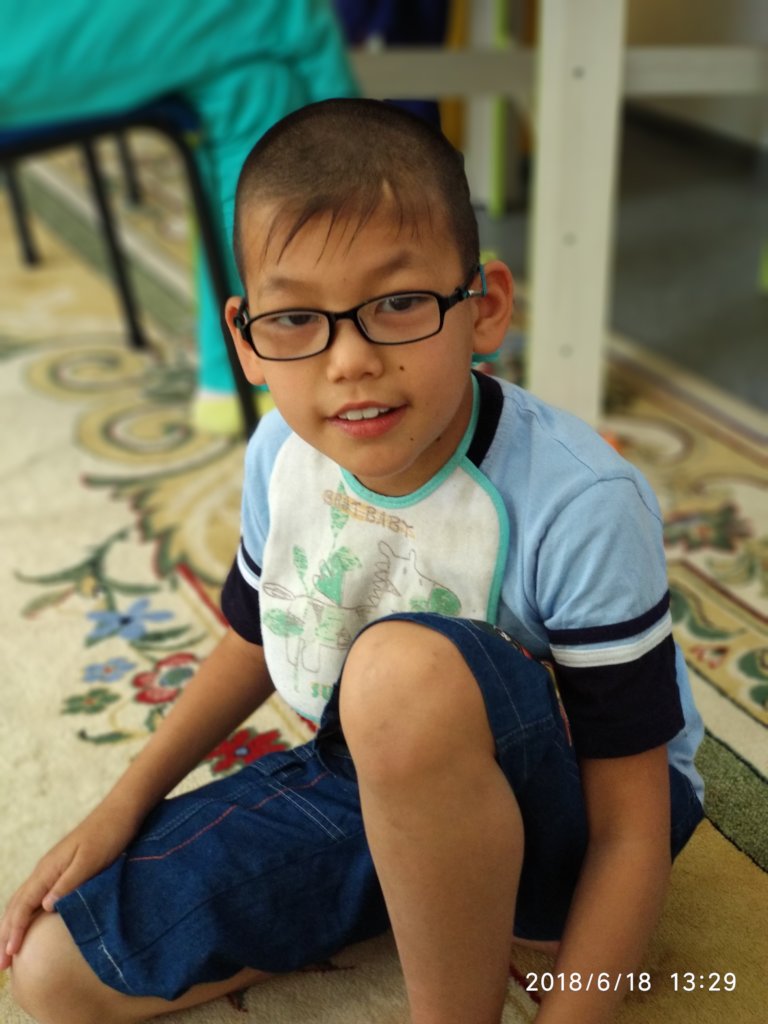
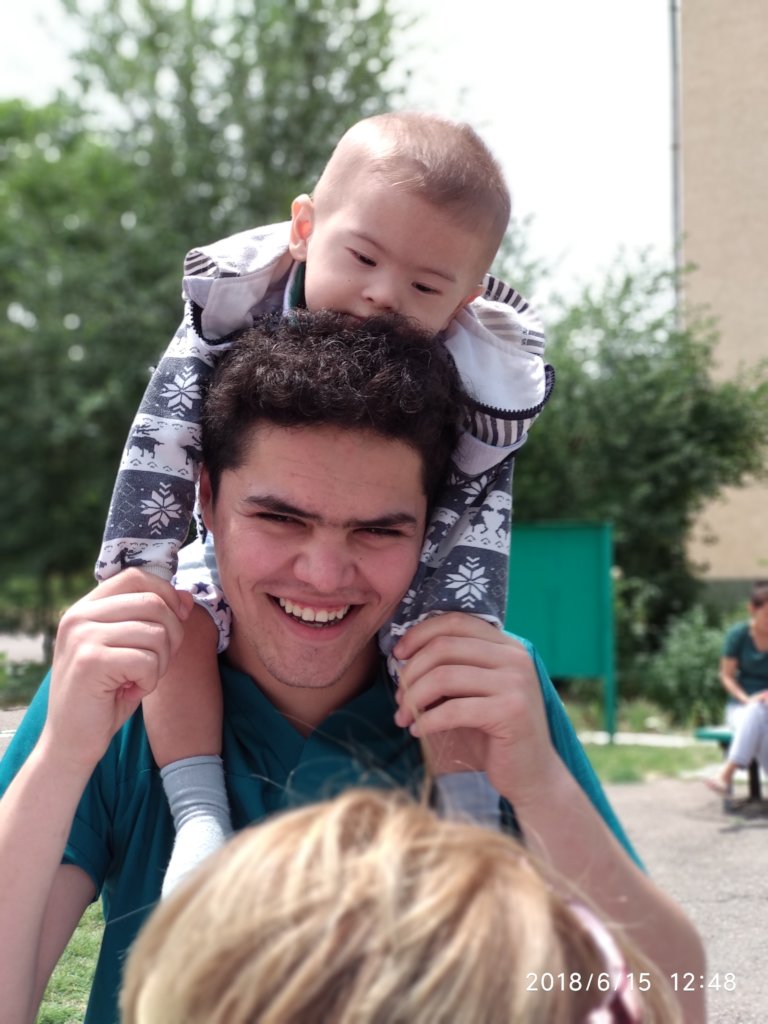
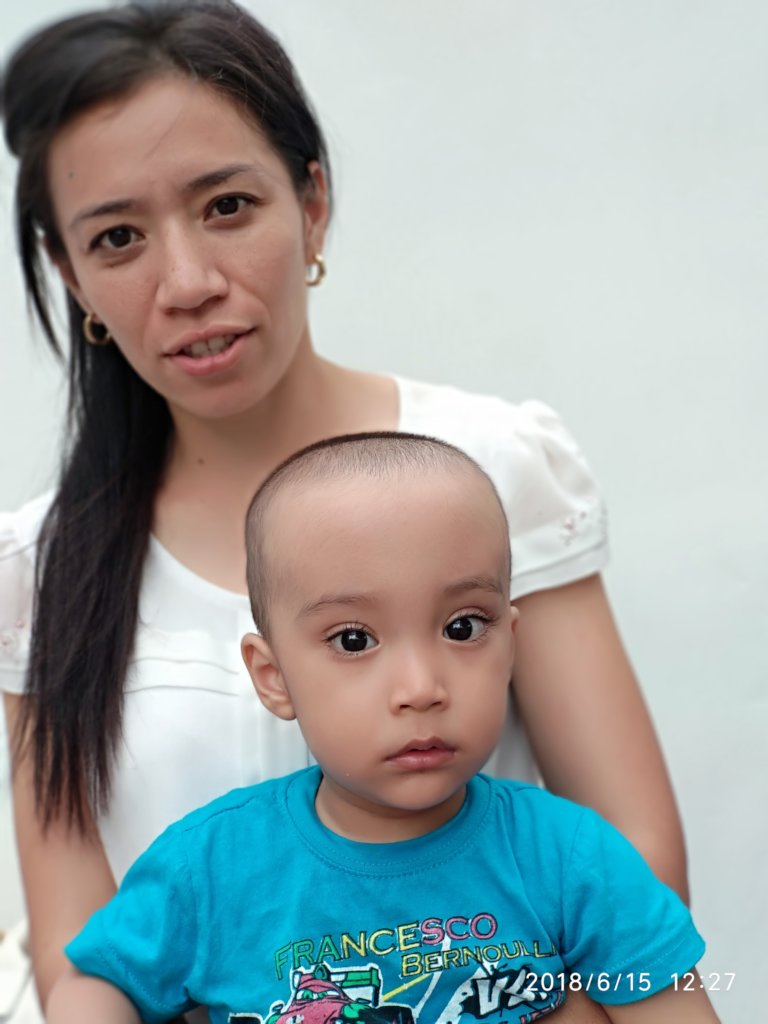
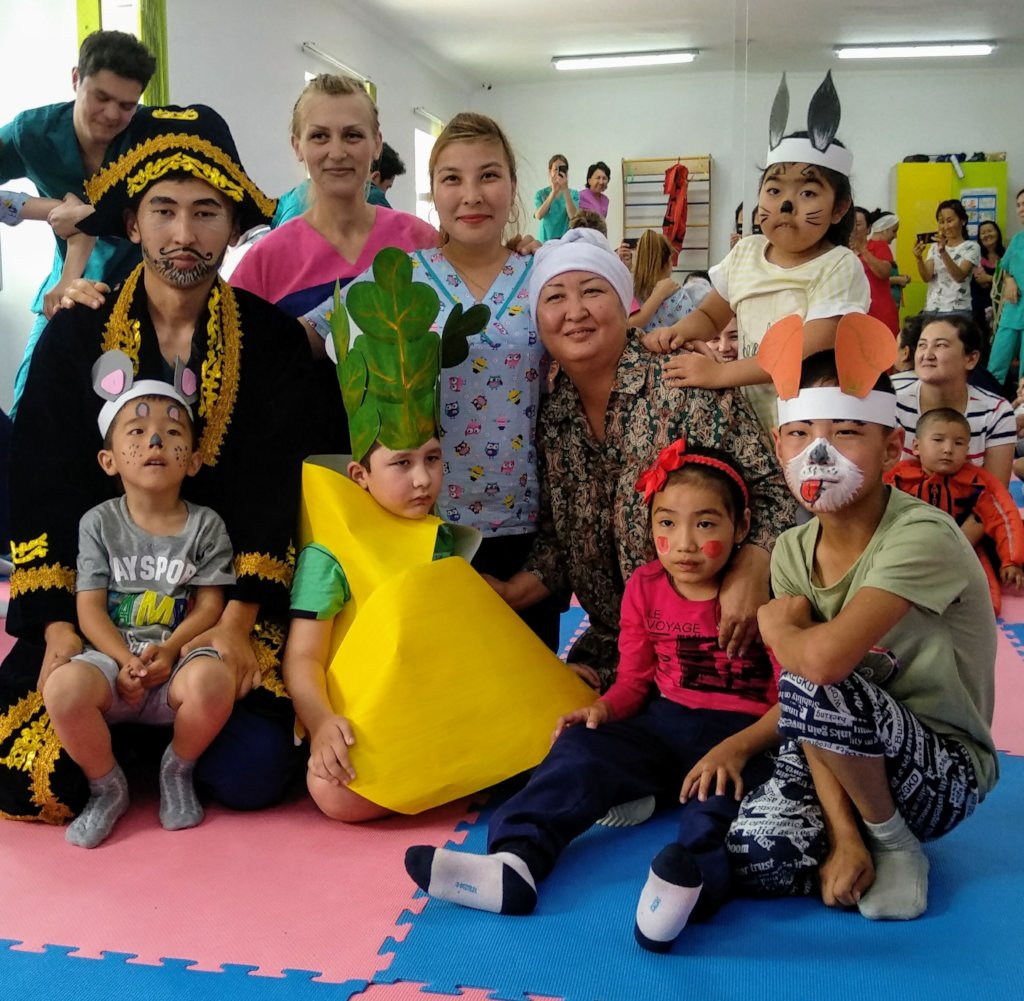
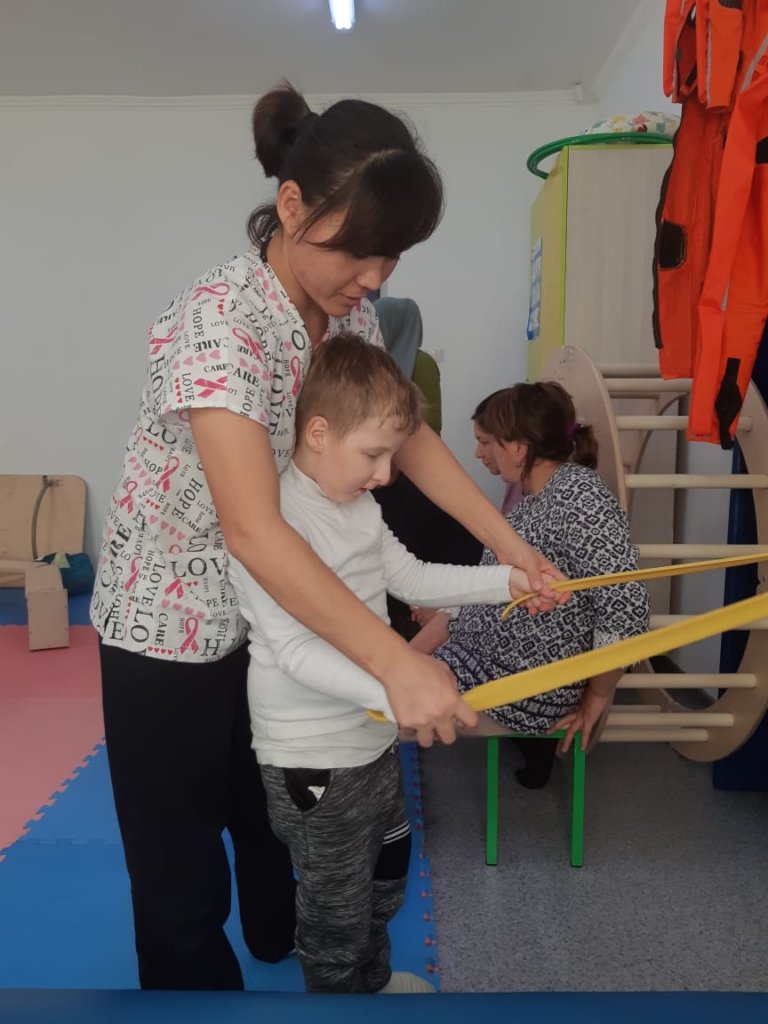
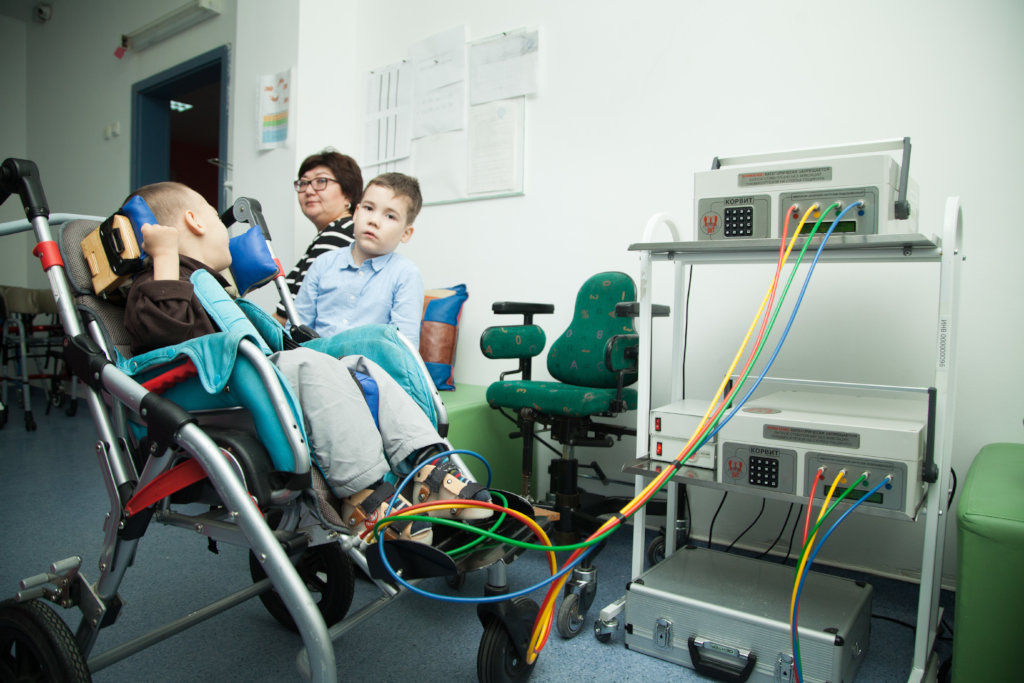
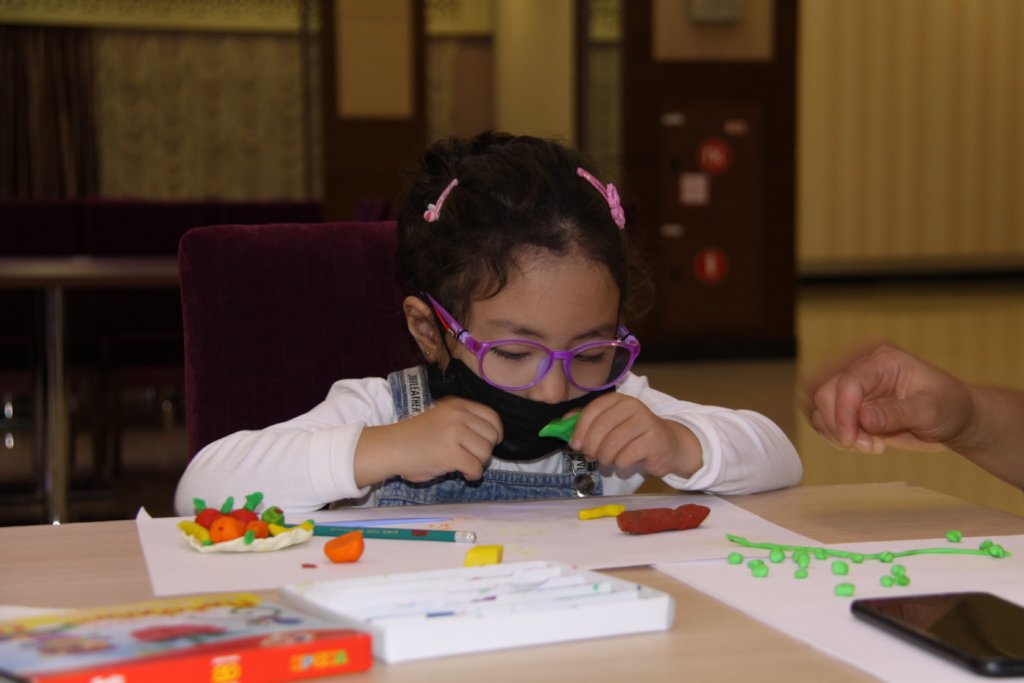
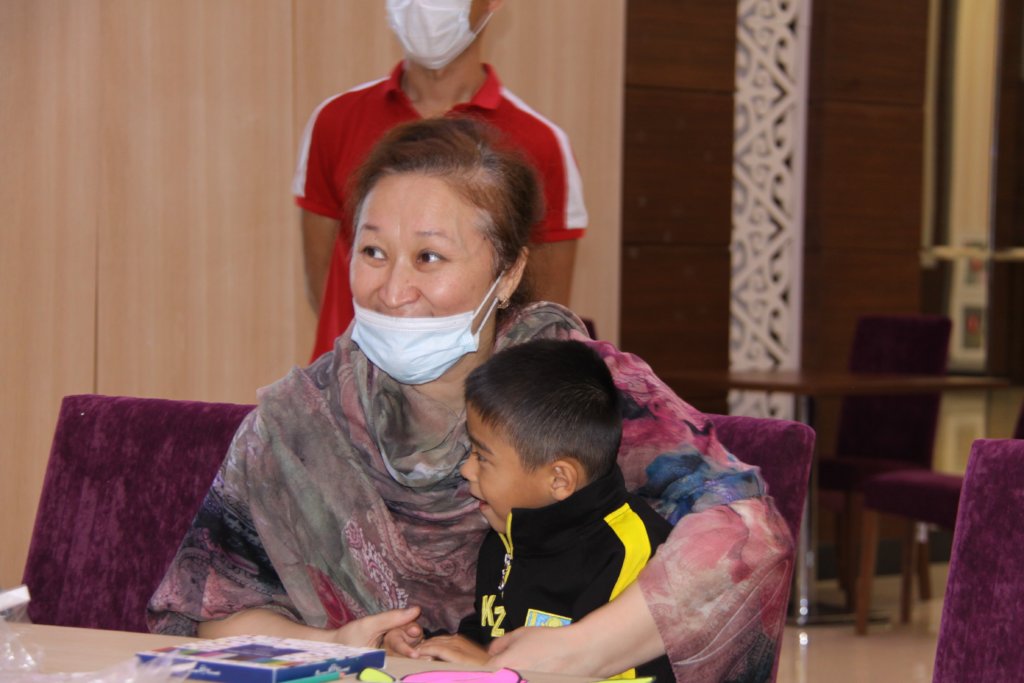
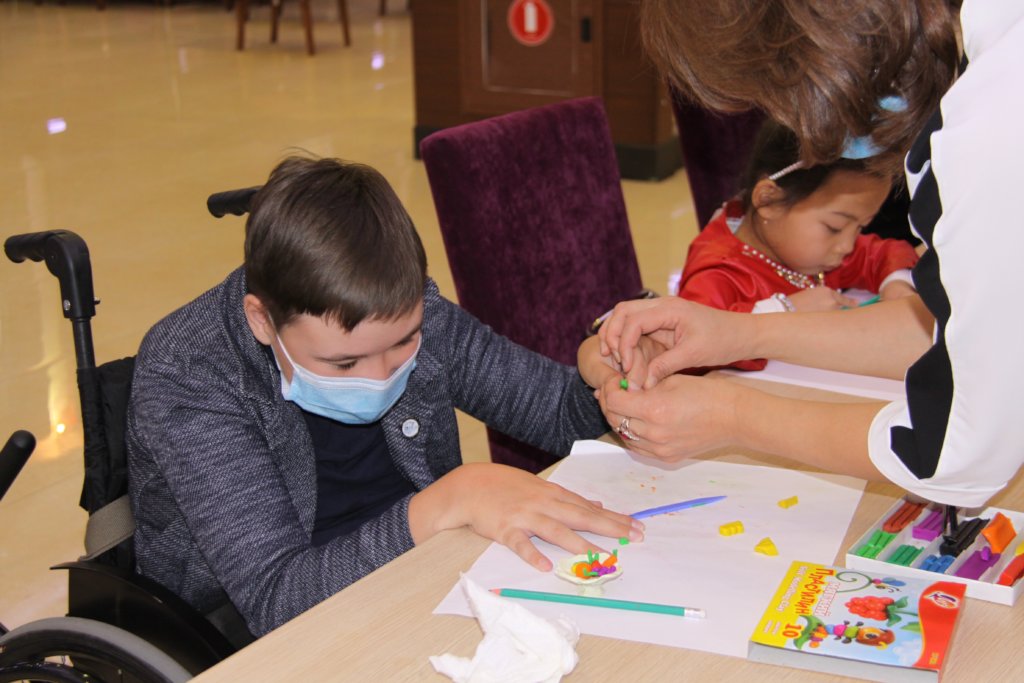
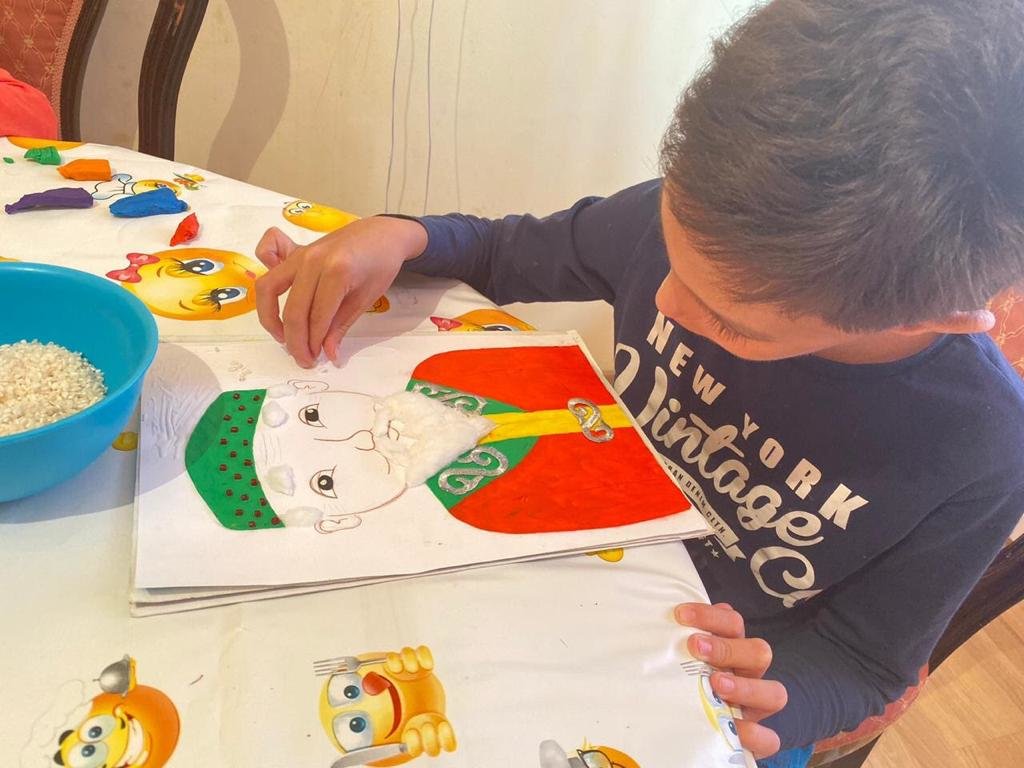
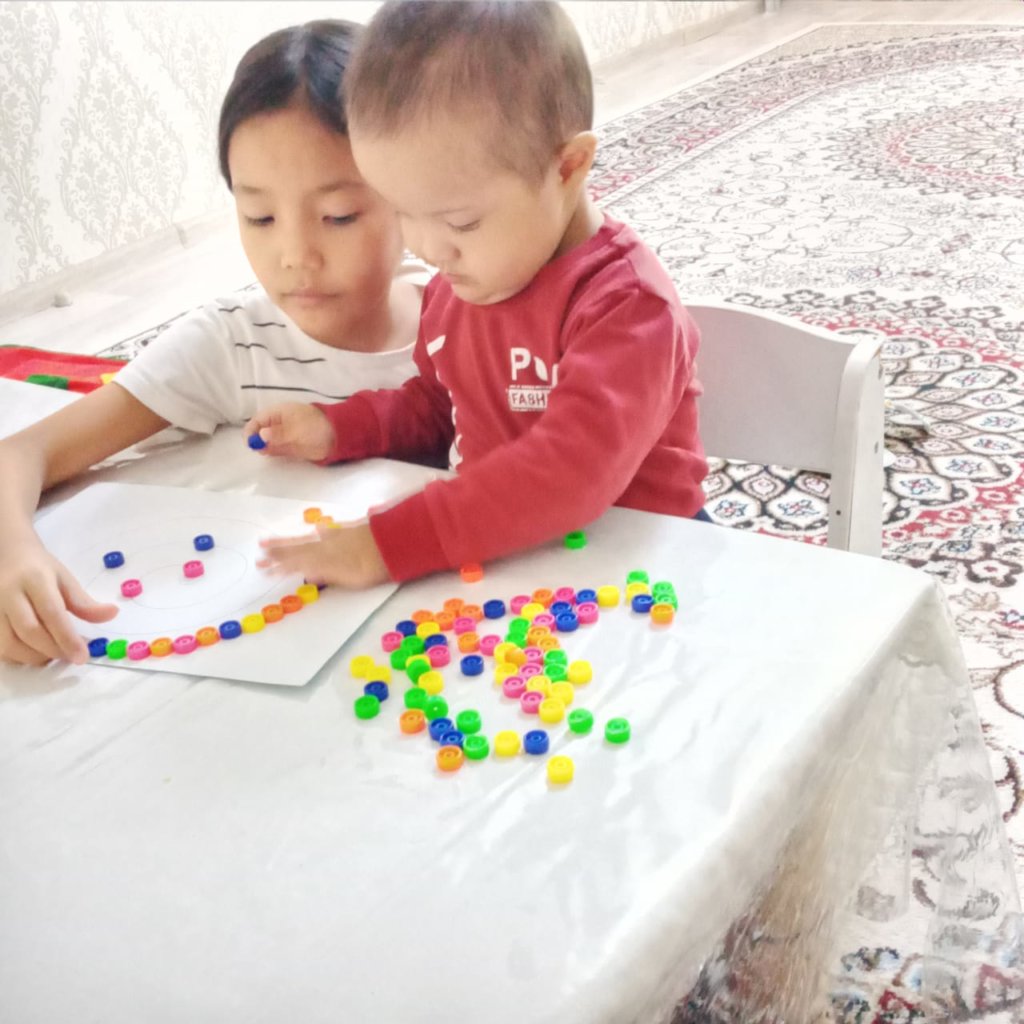
After two months of quarantine, in June three of our centers began to work. Moreover, the Balapan center for young children mainly worked offline, since the number of children and the schedule of classes allows it to comply with epidemiological requirements. 5 people are invited to attend classes at the center at the same time every hour and a half. The other two centers are online. Why did we decide to conduct online rehabilitation? For two reasons. The first reason: these are parental calls by phone, they sent messages to the direct about the need for rehabilitation. Cerebral palsy is not in quarantine, children need regular help. And the second reason, our employees of three centers, who were on an allowance of 42 thousand tenge for 2 months, needed work.
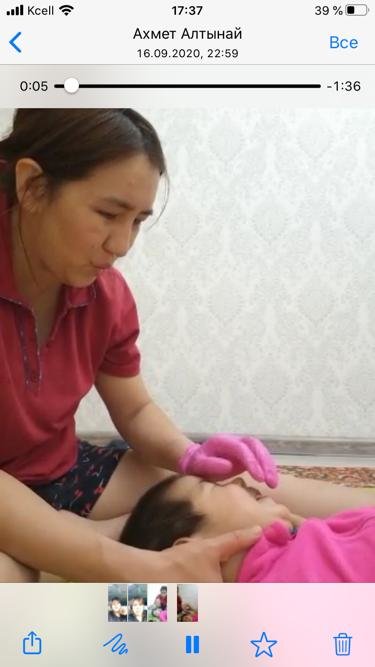
Having made the decision to conduct online rehabilitation, we had to recruit online arrivals for 50 children. I confess that it was not easy. The parents did not believe in the success of such rehabilitation. With the staff, we discussed for a long time how best to conduct classes: online or to record classes. There were pros and cons for both options. One center conducted classes asynchronously, the other in live time.
We would like to introduce you to the first results of online rehabilitation today. Material from the questionnaires of parents and specialists is in the presentation, which we sent to the general chat.
78 parents, whose children underwent online rehabilitation and 72 specialists of the RC, took part in the survey. The questionnaires were anonymous, compiled in Google Form.
The overwhelming majority of parents, 84-90%, considered online rehabilitation to be the right decision; they would have signed up for another similar course and would recommend it to other parents. The main difficulties that parents faced during remote rehabilitation are that their children did not perceive them as a coach, teacher, did not take the lesson seriously and did not obey.
This difficulty was indicated by 30% of the respondents. Parents complained about the lack of time (26%), the lack of assistive devices, 23%. Since the beginning of the school year, parents have begun to abandon online rehabilitation more often, attributing this to the fact that other schoolchildren have started online classes in the family, and the family has only one gadget. Parents also work remotely. In general, there is not enough communication means.
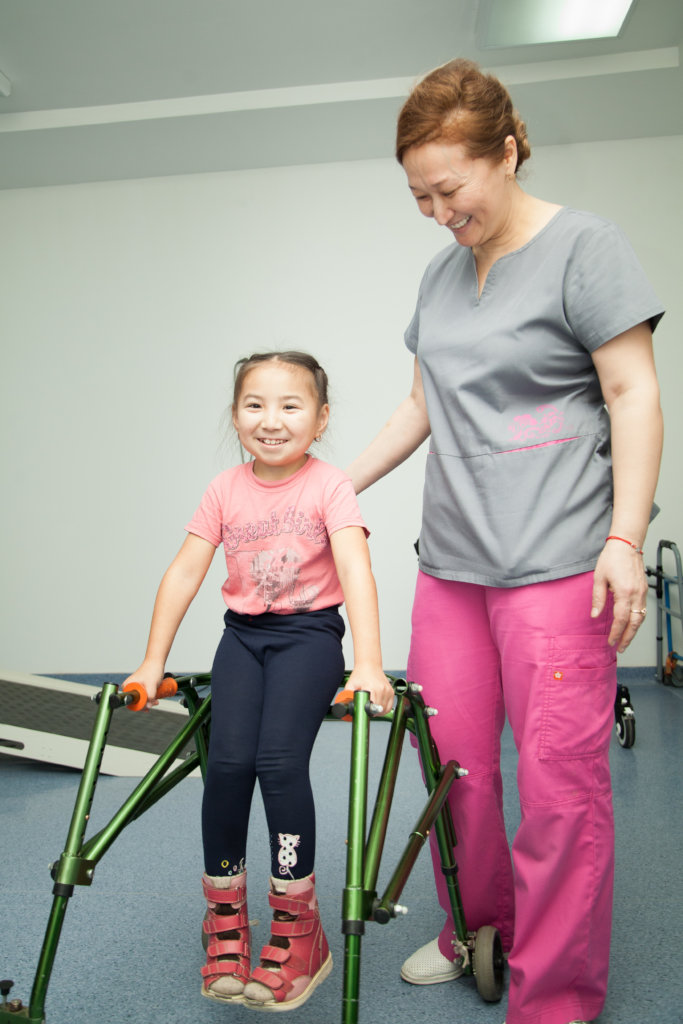
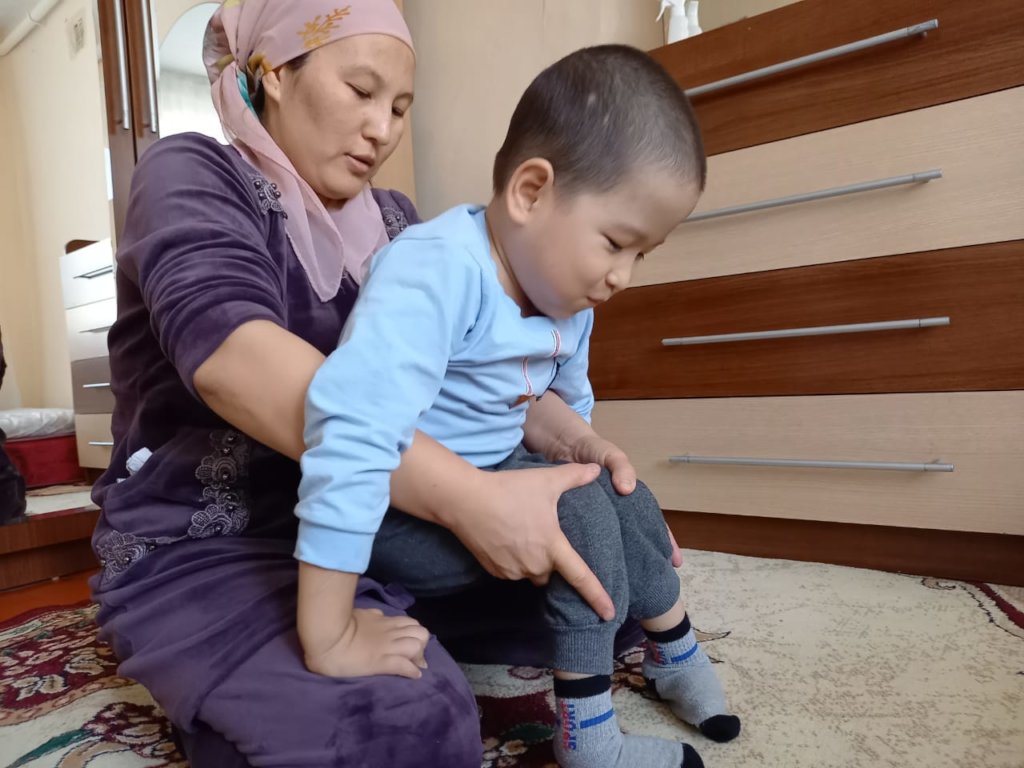
In general, the majority of parents rated online rehabilitation quite high: 59% as “excellent”, 33% as “good”. The remaining 8% rated them as “satisfactory” and “bad”. These estimates are confirmed by the results: in the motor sphere, the percentage of children who began to hold their heads, sit, stand and walk is approximately the same as during offline rehabilitation.
And the results for speech development even exceed. We associate this with the fact that children are in a familiar environment, parents have the opportunity to practice their teaching skills not only during the lesson, but throughout the day, and this does not require special adaptations and conditions.
Now, still having issues to overcome and working hard to better the help we can afford considering new reality we truly believe in you, in us and in every child struggling everyday harder than before. In the name of those children and their parents we ask you: When social distancing is no longer the thing, please make sure that it's really no longer the thing. We are sure that you, the one who knows, who sees and supports, can and will be with us in our long journey to better the world for those who are in need. Thank you! Wishing you and all your loved ones be safe, sound, seen and heard.
Sincerely yours,
Kasietti Zhol team
![]()
![]()
![]()
![]()
![]()
![]()
![]()
![Share on Twitter]()
![Share on Facebook]()