By Yuko Okamura | Communications Associate
At Architecture for Humanity, we know that we can provide communities with the best results by collaborating and sharing knowledge with the community, and partners with relevant expertise.
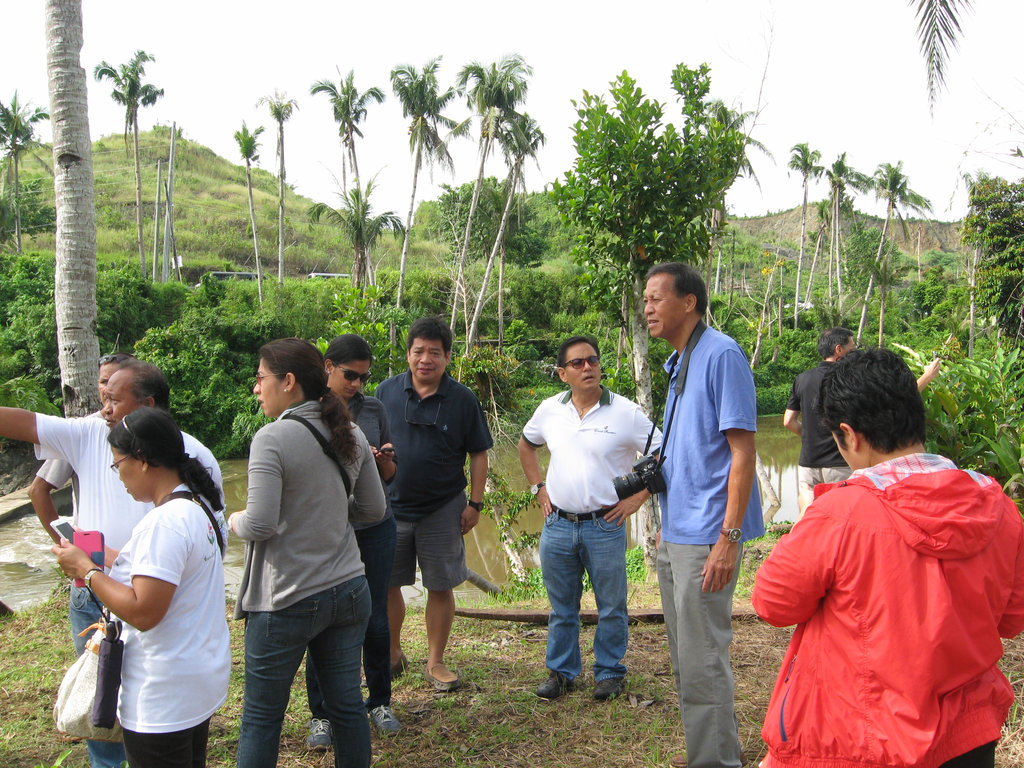
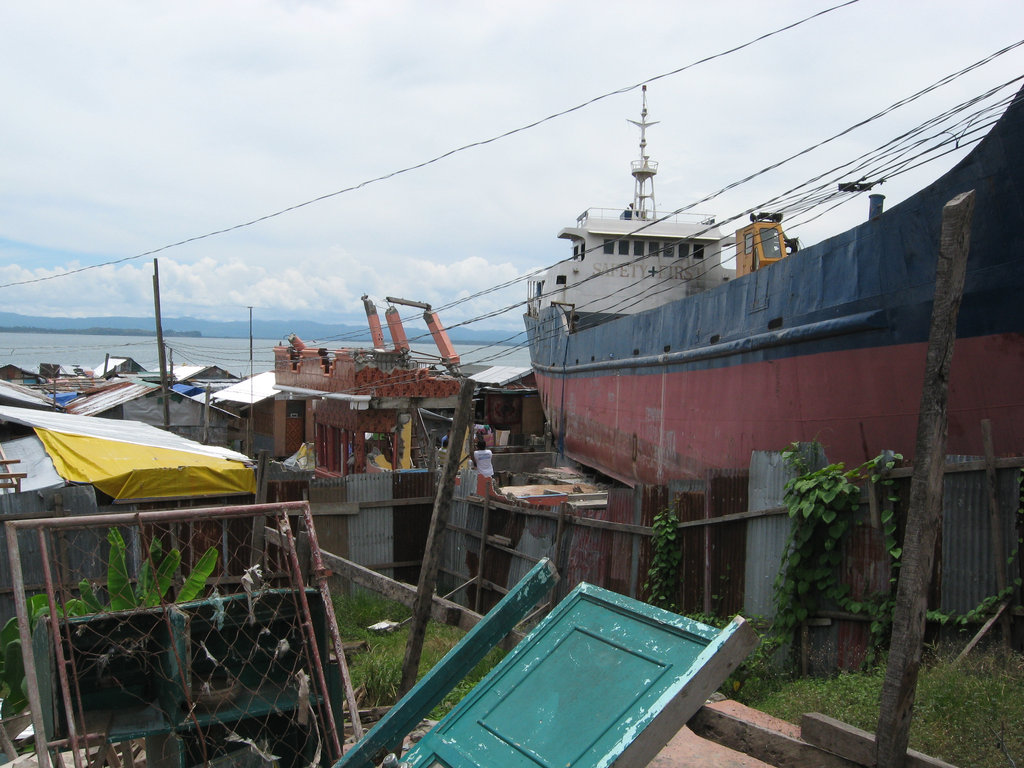
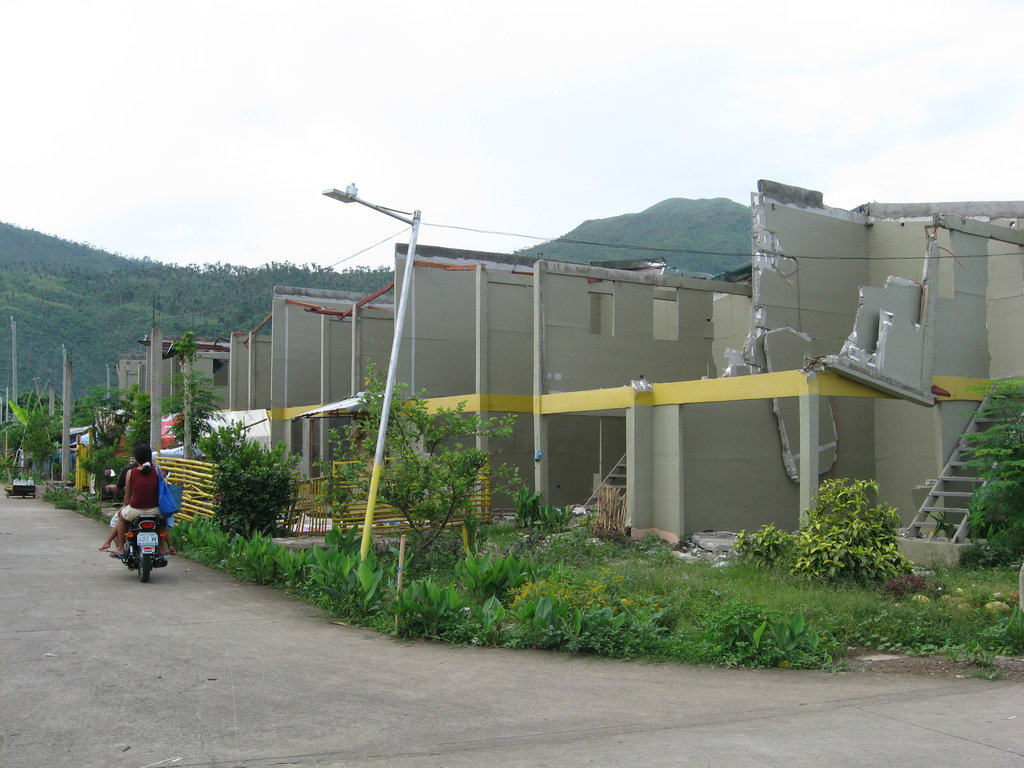
In August, Program Coordinators Audrey Galo and Hiromi Tabei were invited to travel to the Philippines to participate in an 8-day trip and workshop hosted by the Consuelo Foundation, to advise on disaster reconstruction and resilience following the devastating impact of Typhoon Yolanda.
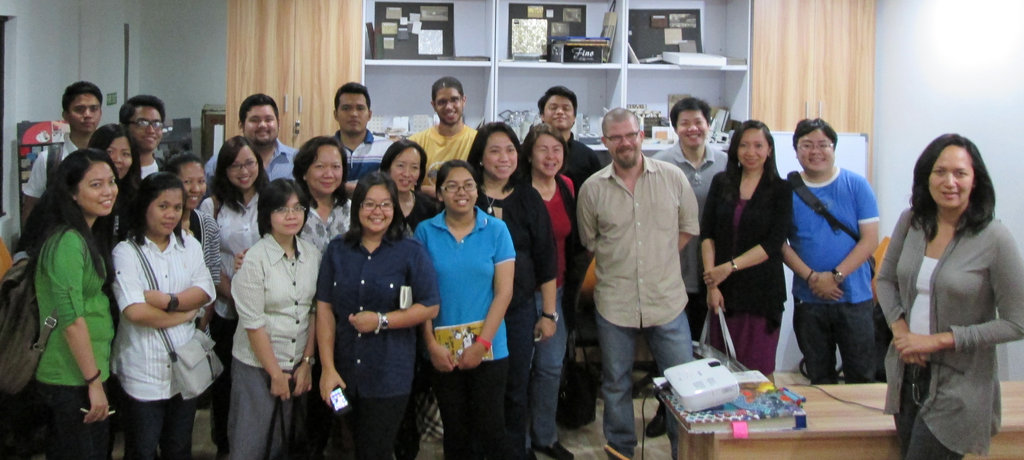
With long-term goals for reconstruction in mind, the foundation is carefully considering a cross-disciplinary collaboration between partners to help build a more resilient future for vulnerable communities. This workshop gathered together groups with extensive experience working with post-disaster communities, climate change, disaster risk reduction, reconstruction and recovery, to share knowledge and build partnerships.
Architecture for Humanity was invited as an expert in design and construction of post-disaster communities, and was joined by others including: Jainey Bavishi, Executive Director of Asia-Pacific Disaster Risk Reduction and Resilience (APDR3), Dennis Hwang from the University of Hawaii’s Sea Grant College Program, and Dr. Karl Kim, Executive Director of the National Disaster Preparedness Training Center.
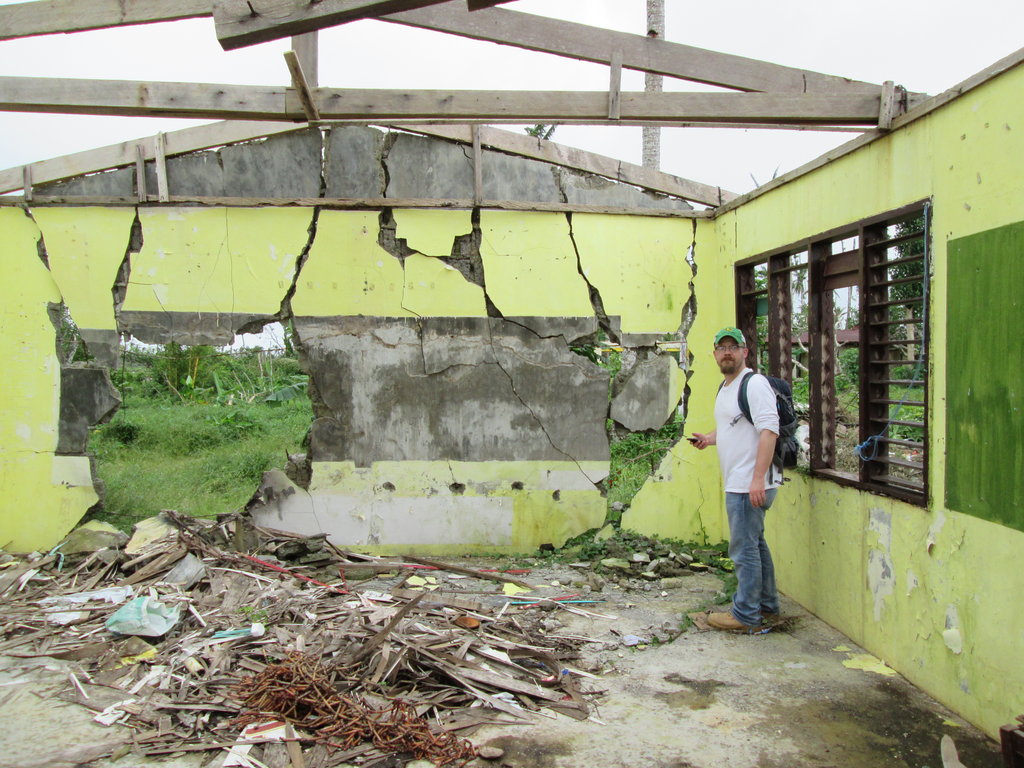
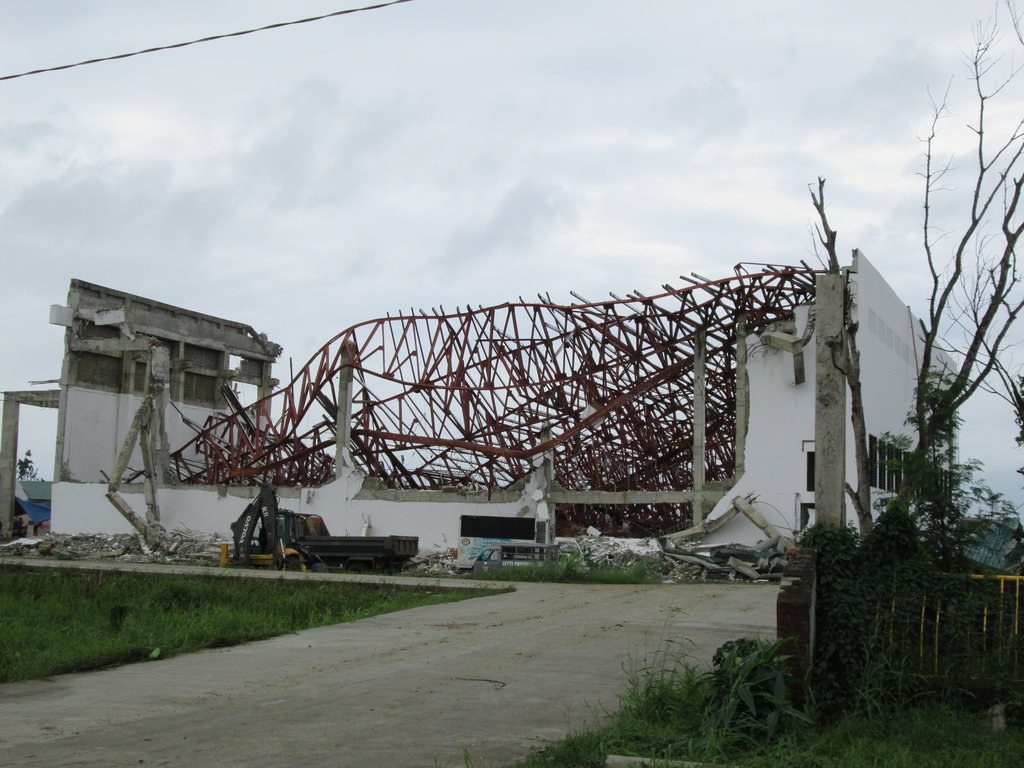
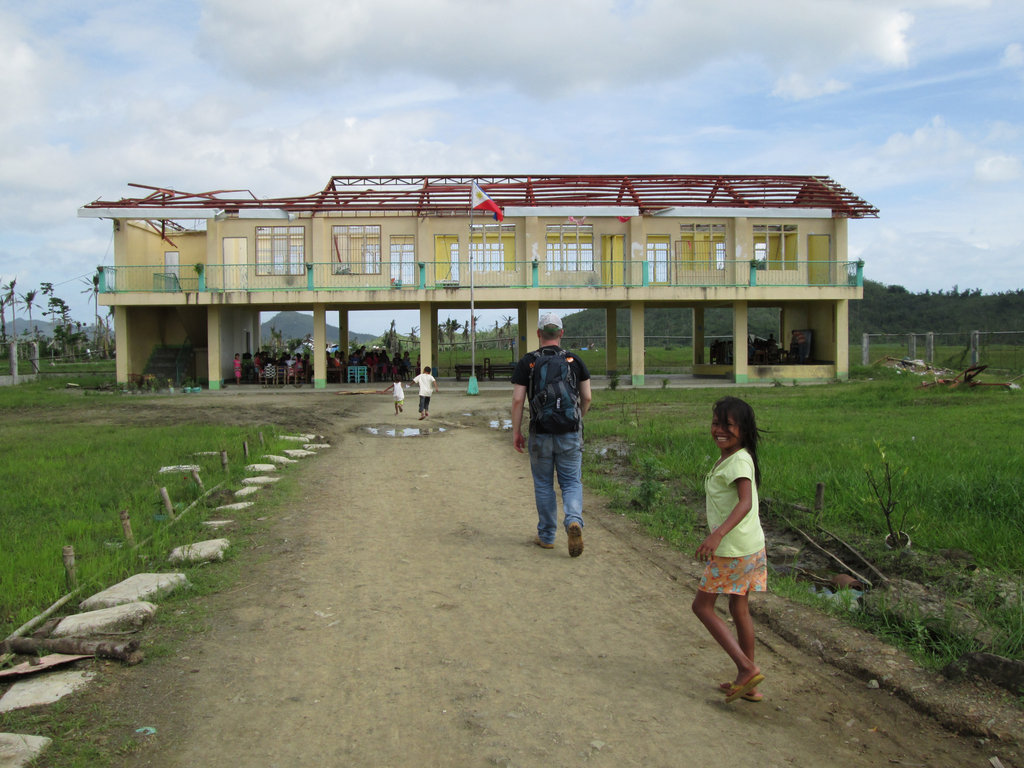
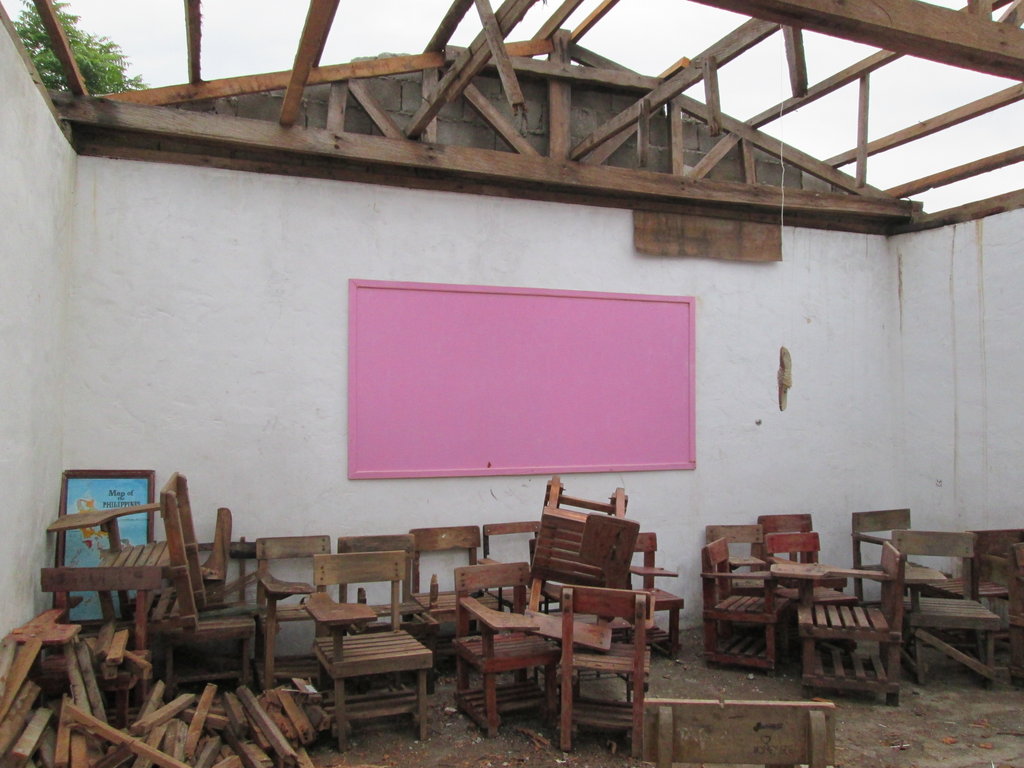
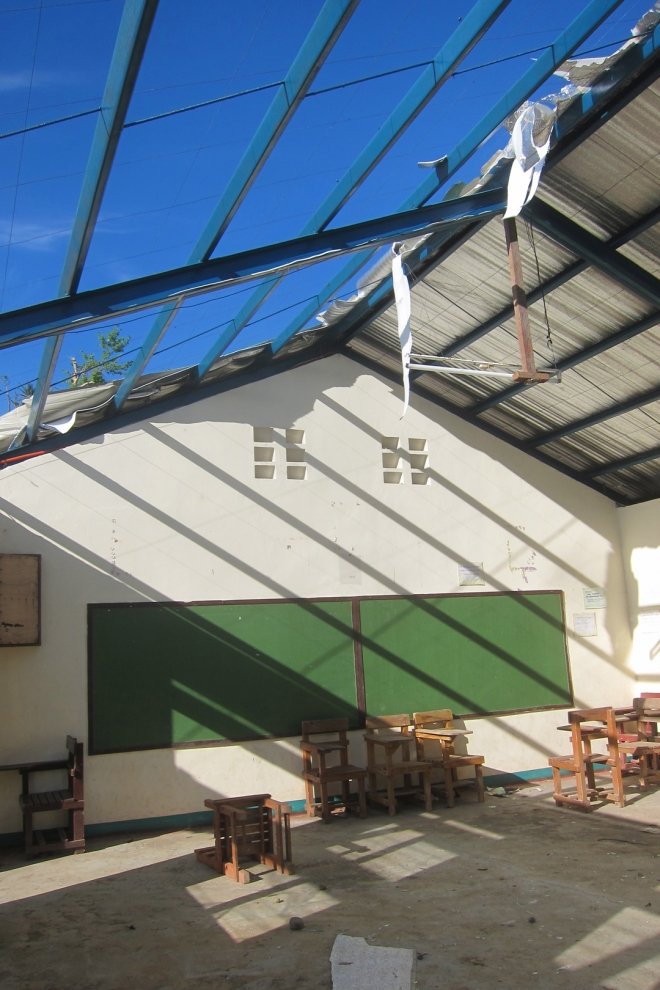
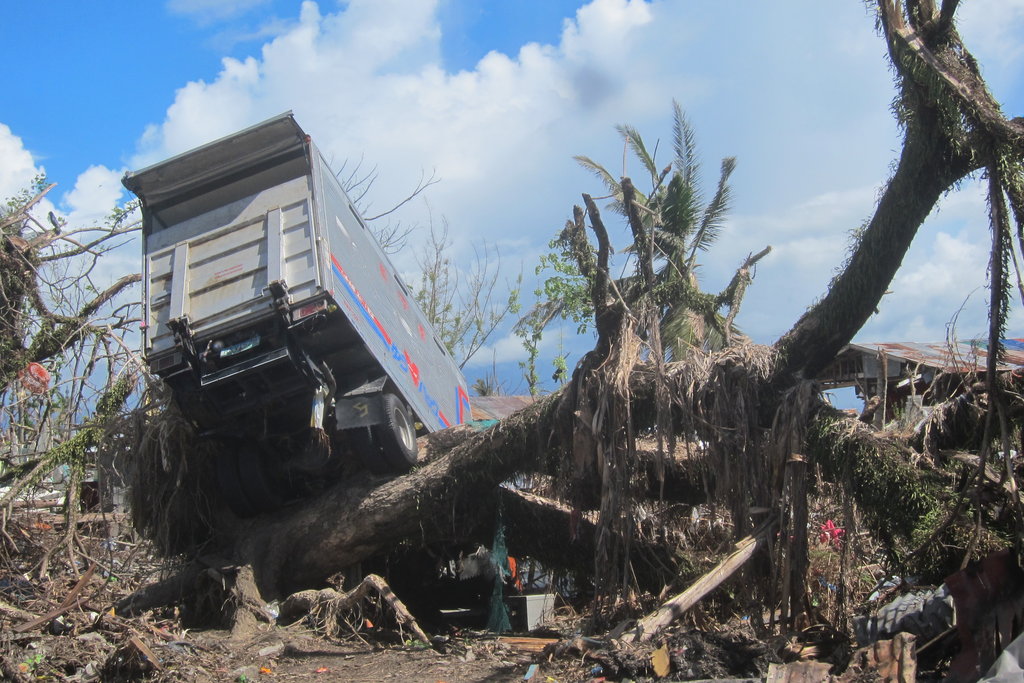
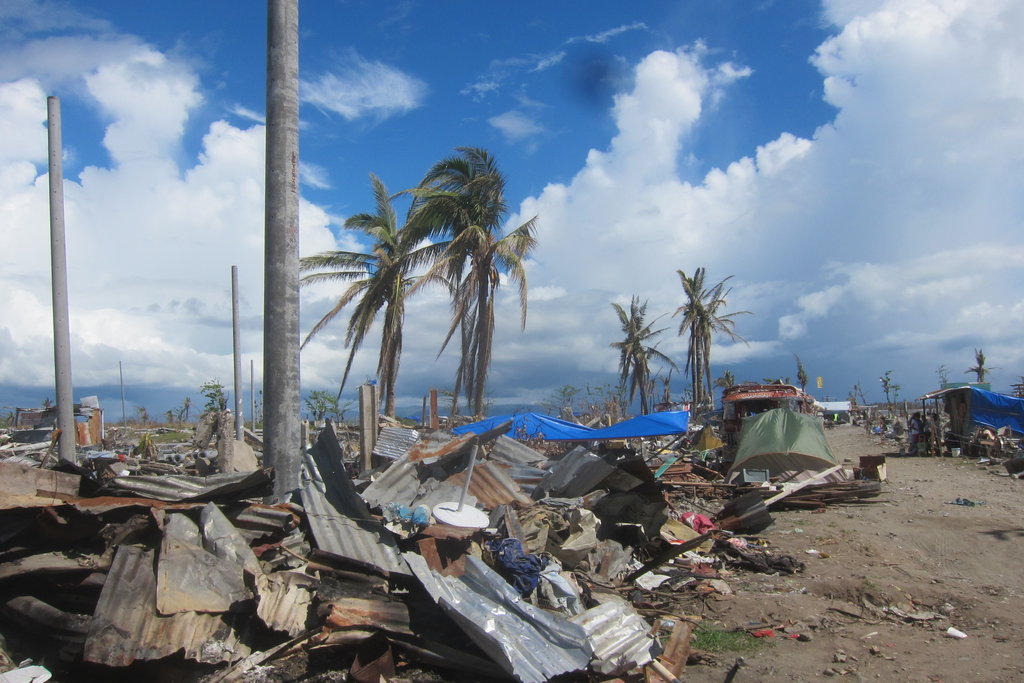
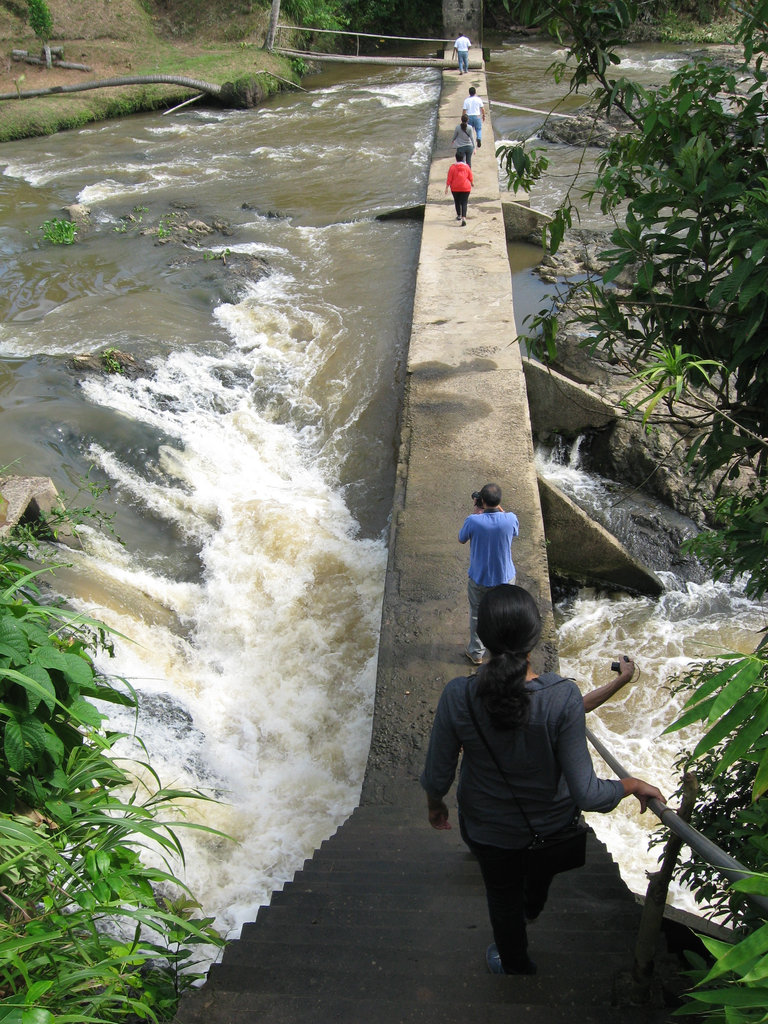
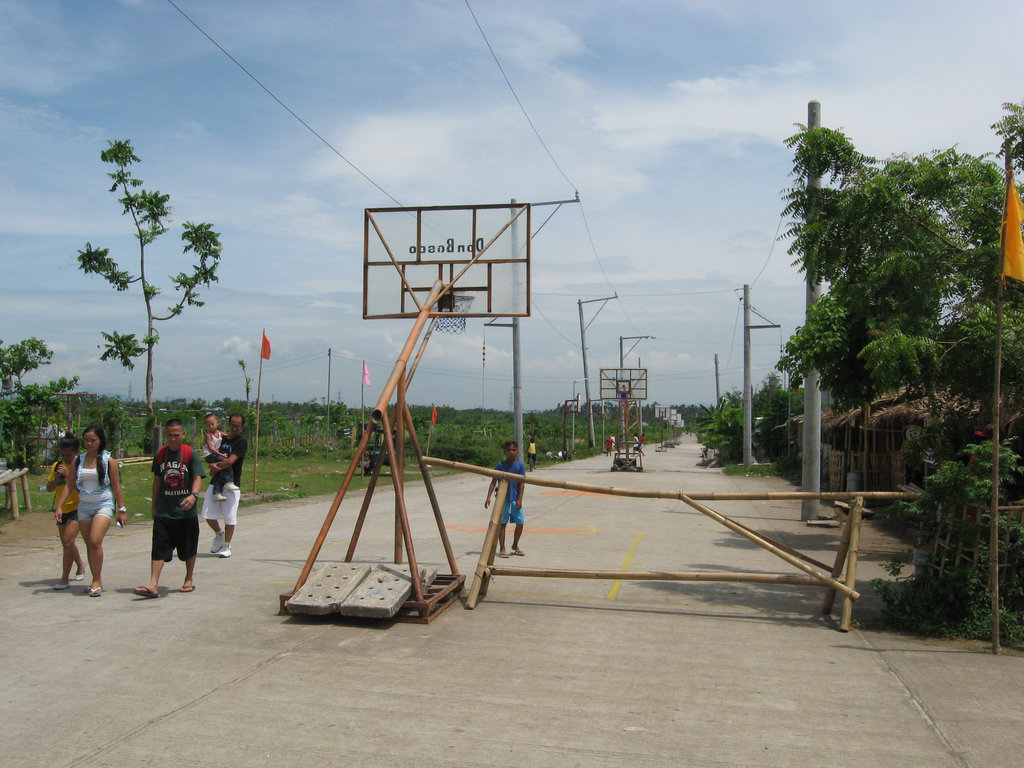
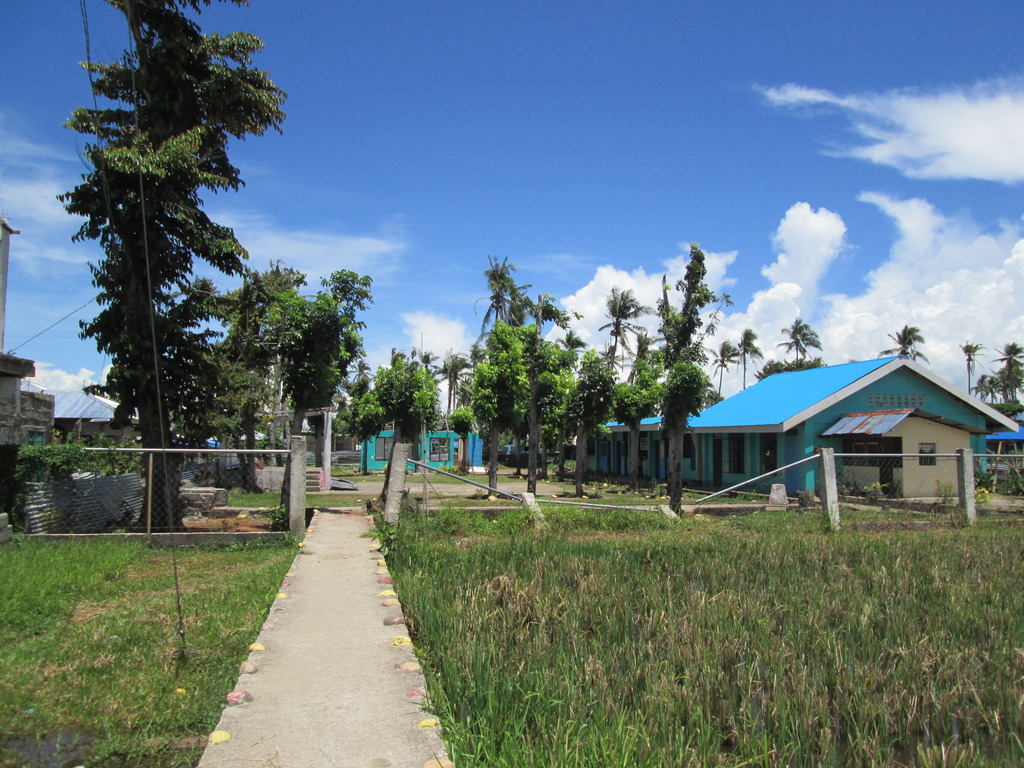
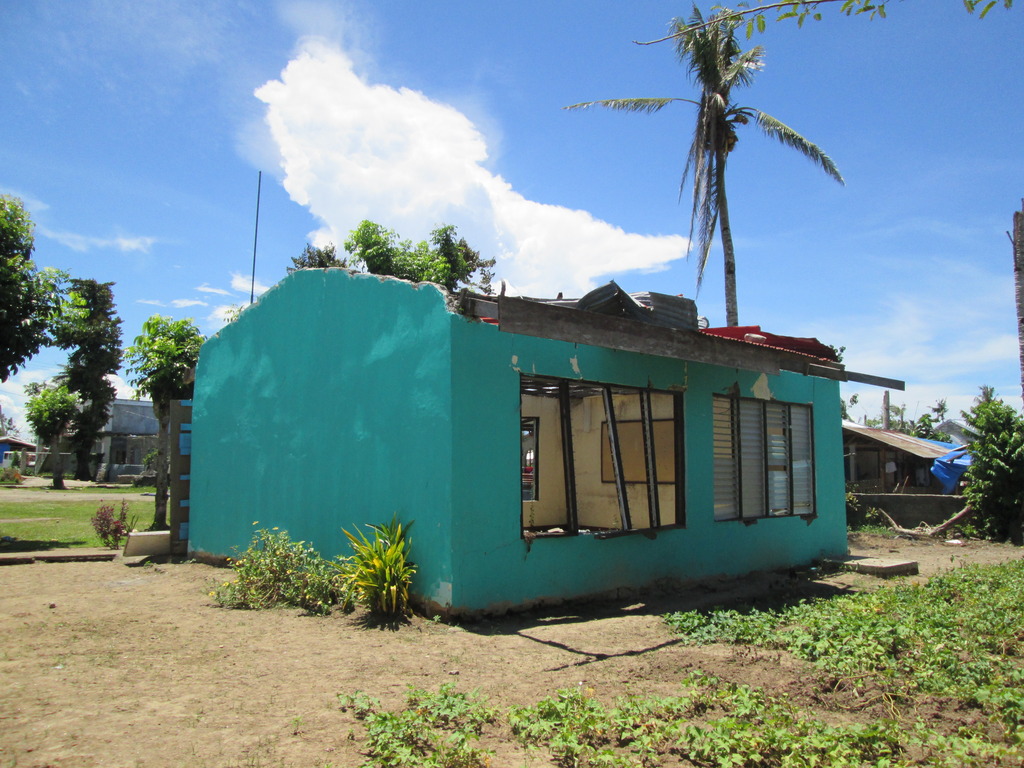
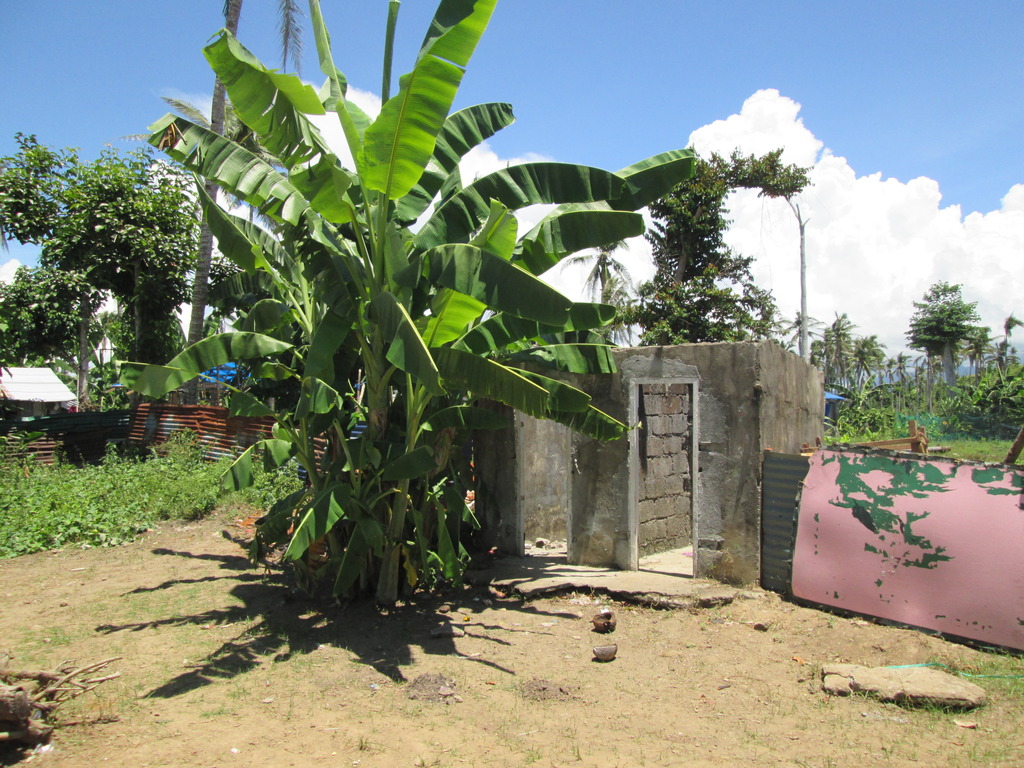
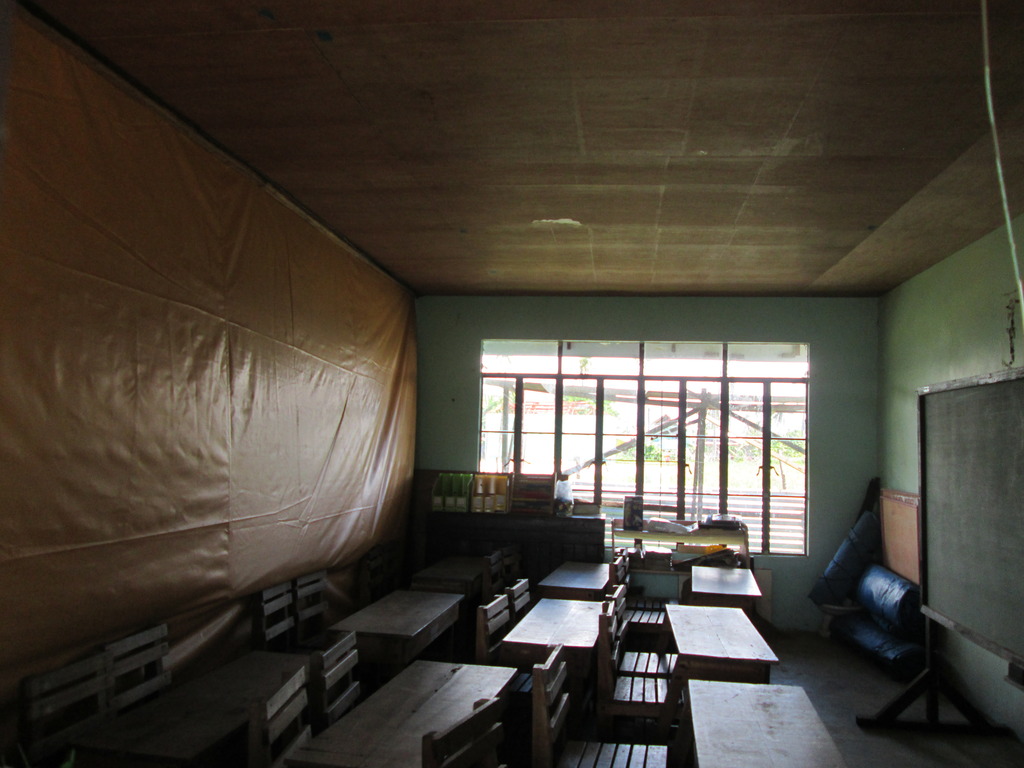
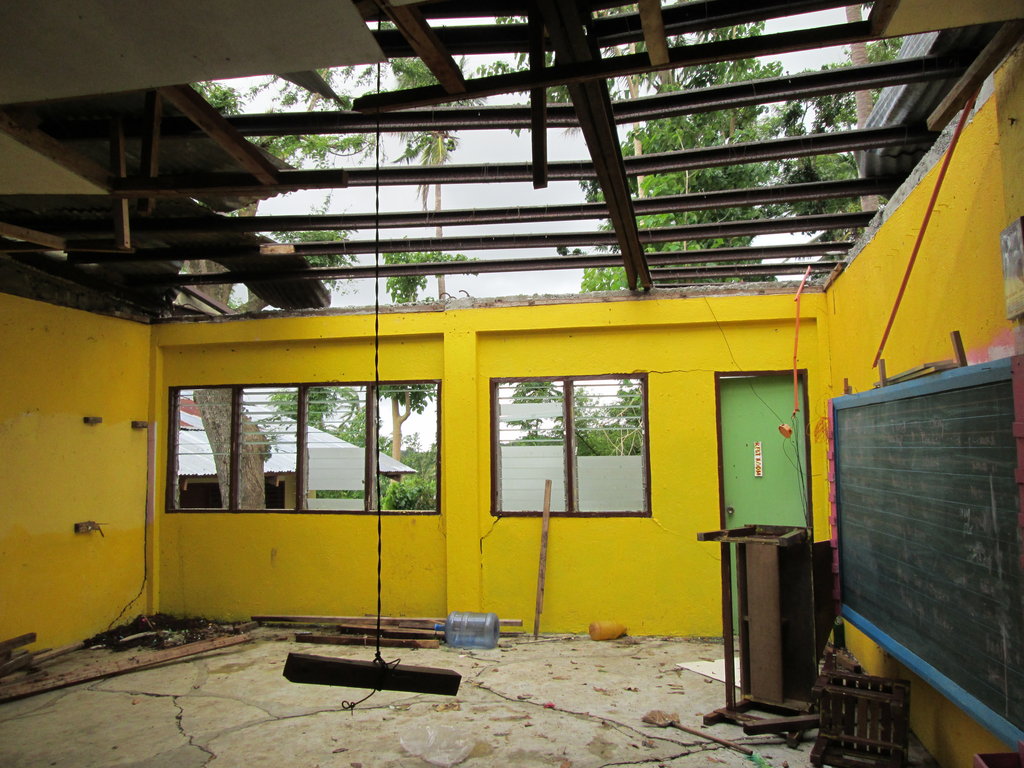
The group first spent time in Manila, before travelling to a number of areas most affected by Typhoon Yolanda to learn about some of the initiatives being undertaken to assist in the recovery. We saw a mix of successes and failures in flood-mitigation and reconstruction measures that have been undertaken by various entities. We also met with many groups working on inspirational projects to protect the country from future storms and earthquakes, and strengthened our relationships with those working towards common long-term reconstruction goals.
The trip illustrated that many dedicated individuals and organizations are working to build something positive from last year’s disaster, demonstrating that they are clearly thinking in the long-term rather than simply looking for “Band-Aid” solutions. It was particularly inspiring to see how people did not view the typhoon’s impact as a failure of the measures already in place, but instead saw it as an opportunity to make improvements and to create a more resilient community.
Everyone has a part to play in reconstruction and disaster risk reduction – it is crucial to work together to find the best way to use everyone’s resources so that the whole community benefits in the end. The Filipino community is taking ownership of their efforts, moving forward with the support of others and their own strong will.
---
Read more about the trip from a Q&A session with Audrey and Hiromi:
How did we get chosen to attend the workshop?
Audrey: Because of the prior relationships we had with the National Preparedness Training Center, they reached out to us when the idea of the trip came about. They thought we should be involved; so we started talking about what the purpose of the trip would be, and how we could best contribute.
How was Architecture for Humanity best able to contribute to the trip?
Audrey: We were able to exceed even our own expectations with what we could bring to the experience. I think we were able to give others in the group a new perspective in terms of thinking about how design can truly impact the cities and people that they’re working with, in a way that they had never thought of before. In a lot of post-disaster situations, you’re working primarily with engineers - but why not work with architects too? Why not work with people who can influence the way that the space is designed? I think we were able to draw that out and also give them some ideas and inspiration for how they may want to do projects in the future.
Are you continuing the conversation?
Audrey: Yes, we’re in the process of trying to figure out what a partnership would look like. The Consuelo Foundation has made a long-term commitment to doing post-disaster work in the regions that they’re working with, and that aligns with how Architecture for Humanity works in post-disaster regions (running multi-year, multi-project programs). We’re going to continue the conversation and see what common projects we can collaborate on.
What’s next for our efforts in the Philippines?
Hiromi: We’re partnering with Happy Hearts Fund to rebuild a school in Tanauan, Leyte, and we’re trying to use that project to expand our program to other areas - training local architects, builders and community members and aiding in planning, like we’re doing in Haiti. We see a lot of potential to dovetail projects with other organizations we met during this trip, so we are working on figuring that out right now. Every participant came with different experiences and has worked in different places after different disasters, so it was nice to hear their perspective on how this disaster is similar and different. We’ve started a good team to keep doing work together.
What was the best ‘takeaway’ from the trip?
Hiromi: It was interesting travelling with other organizations. We have diverse backgrounds and work in many different regions, but are all pursuing the same vision of creating something long-lasting for communities in need. It was inspiring and reassuring to know that we aren’t the only ones doing this work, and that we’re all in it for the same reasons. It was a great opportunity for us to connect with those like-minded people, and cultivate relationships for future collaboration.
By Yuko Okamura | Communications Associate
By Yuko Okamura | Design Fellow, Reconstruction & Resiliency Studio
Project reports on GlobalGiving are posted directly to globalgiving.org by Project Leaders as they are completed, generally every 3-4 months. To protect the integrity of these documents, GlobalGiving does not alter them; therefore you may find some language or formatting issues.
If you donate to this project or have donated to this project, you can receive an email when this project posts a report. You can also subscribe for reports without donating.