By Lauren McAskill & Claire Wasserman | BD and Comms Coordinator & Program Coordinator
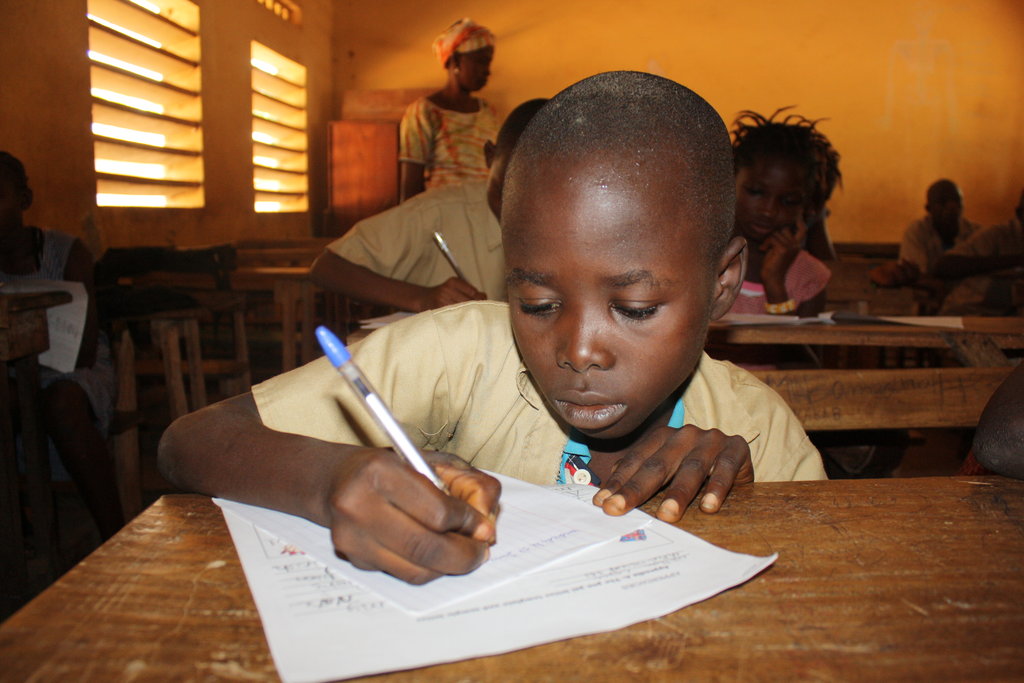
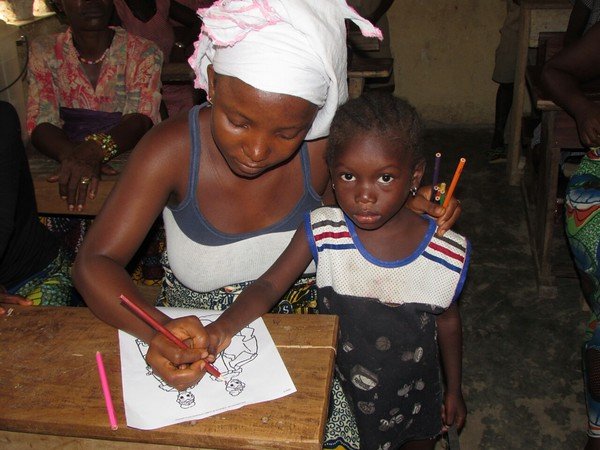
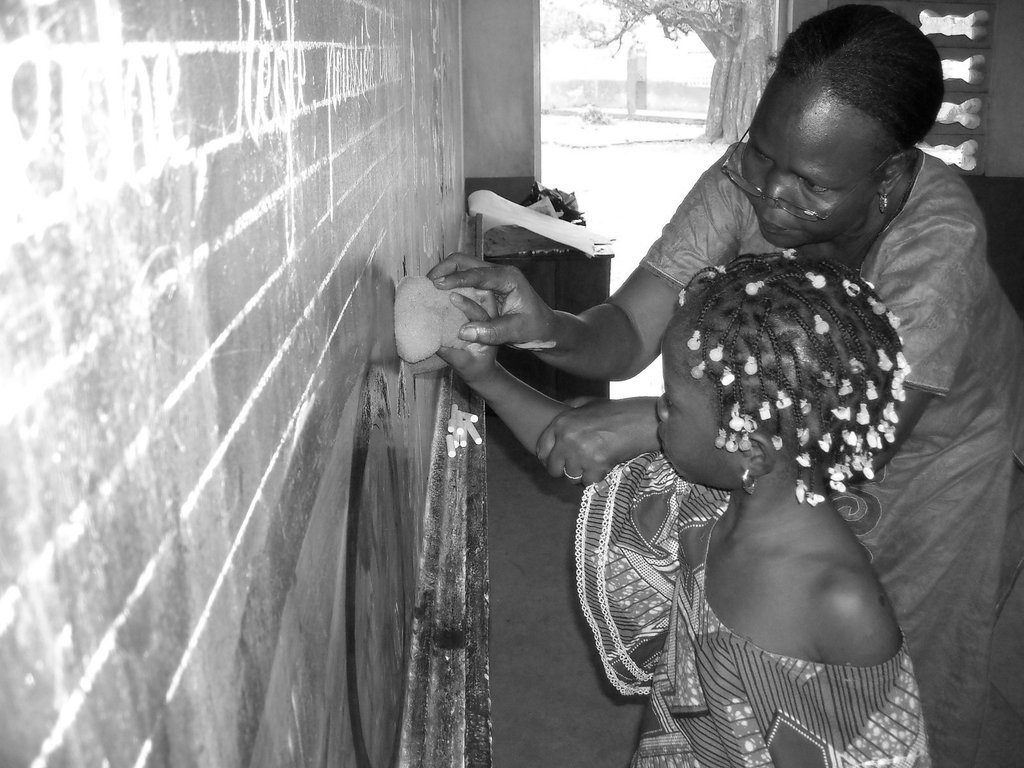
Over the last school year (2014-15), School-to-School International (STS) worked with 10 partner schools in Guinea to implement the Whole Child Model, a broad-based set of holistic interventions to help children learn better that focuses on education, health, and community engagement. During this time, STS expanded its work in Guinea to include additional interventions to encourage children’s success in school. This very important work was conducted in a difficult environment that included the Ebola outbreak, beginning in 2014. This was one of the largest and most complex Ebola outbreaks in history and saw a flood of emergency aid organizations spilling into Guinea in an attempt to control the virus, tending to ignore non-Ebola related development issues in Guinea. STS stood out in this crowd as one of the only organizations continuing to work in multiple contexts outside of Ebola.
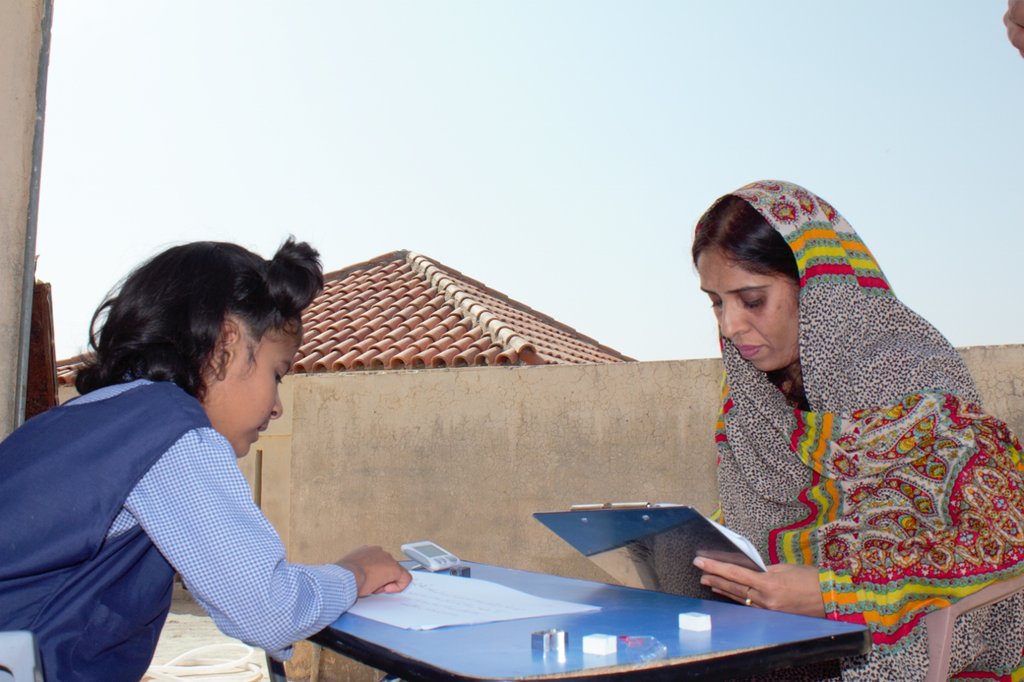
Over the summer break, our work focused on analyzing the results of our interventions on student learning outcomes. STS recognizes the importance of rigorously evaluating the effectiveness of the changes we are introducing to partner schools in Guinea. Thus, we conducted student assessments at baseline, midline and endline during the school year in both treatment schools (those in which we work) and control schools (those that have not received STS interventions) to measure changes in student reading, math, and health knowledge. This information allows us to scientifically and systematically identify those interventions that are having a positive impact as well as those that require modification to produce the greatest effect on children in rural Guinea.
In 2014, STS received a grant from the United Nations Girls’ Education Initiative to study the impact of our girls’ education and empowerment programs that sit within the broader Whole Child Model. Since our last report in September 2015, STS has been hard at work reviewing the data collected over the school year to assemble the effects of our programming on student learning outcomes. The report on this study will soon be publicly available. We are also pleased to announce that we will be presenting these results at the Comparative and International Education Society (CIES) conference held in Vancouver, Canada in March 2016. We look forward to sharing our experiences and lessons learned in Guinea with a broader community of experts working in the field of education.
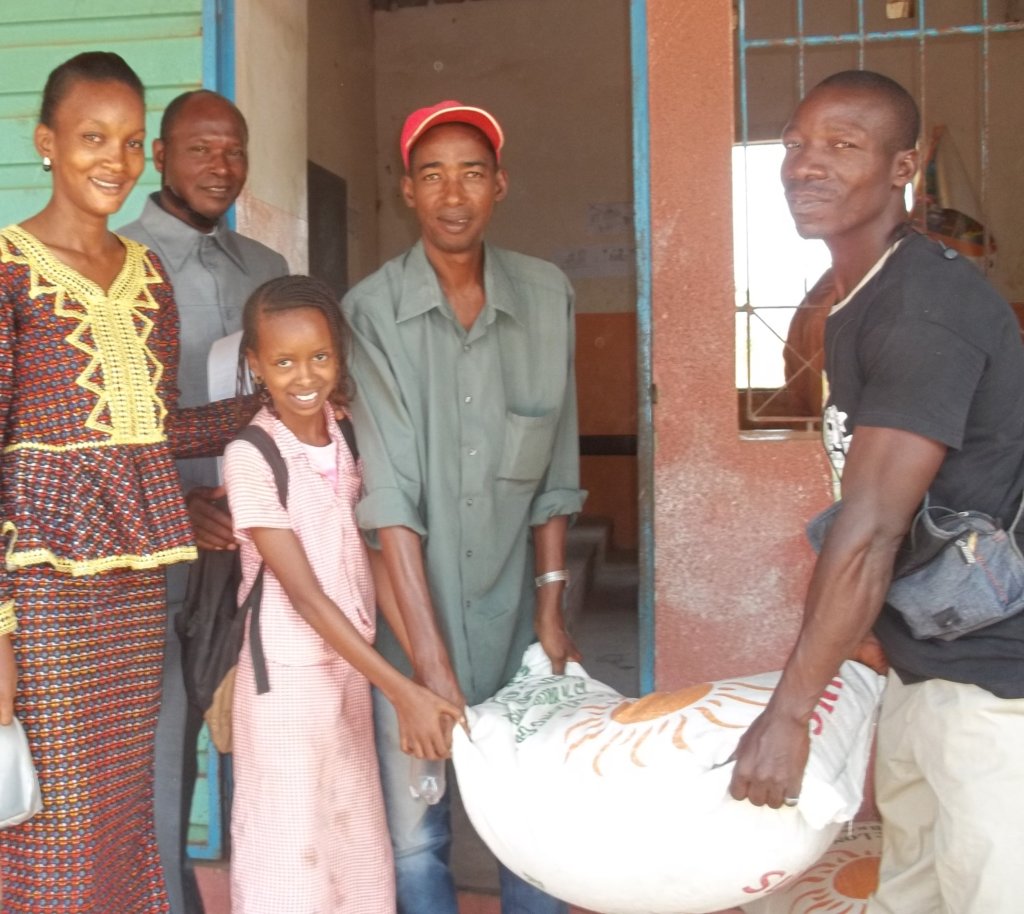
In addition to the funds raised from individual donors, STS has received a grant from the Alcoa Foundation in support of our Whole Child Model activities. Most notably, their support has enabled us to increase the number of scholarship recipients to a total of 47 girls. Beginning in January 2016, STS will continue to train teachers, help organize civic service days for school cleanup activities, continue our monthly distributions of girls’ scholarships – in the form of a large sack of rice transported to each scholarship recipient’s family, and launch our teacher coaching program.
We are currently running a matching campaign until the end of the year, meaning your donations from now until January 1st will have twice the impact on children in Guinea!
By Lauren McAskill | Business Development and Comms Coordinator
By Lauren McAskill | Business Development and Comms Coordinator
Project reports on GlobalGiving are posted directly to globalgiving.org by Project Leaders as they are completed, generally every 3-4 months. To protect the integrity of these documents, GlobalGiving does not alter them; therefore you may find some language or formatting issues.
If you donate to this project or have donated to this project, you can receive an email when this project posts a report. You can also subscribe for reports without donating.