By Lauren McAskill | Business Development and Comms Coordinator
WHOLE CHILD MODEL: GUINEA, WEST AFRICA
PROJECT REPORT: JUNE 2015
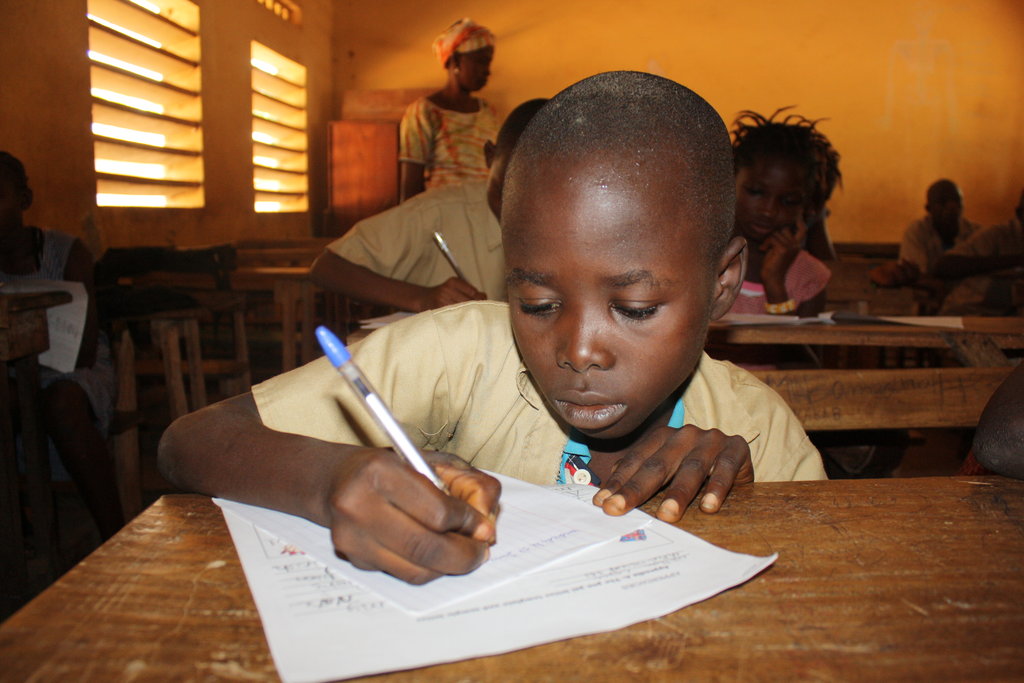
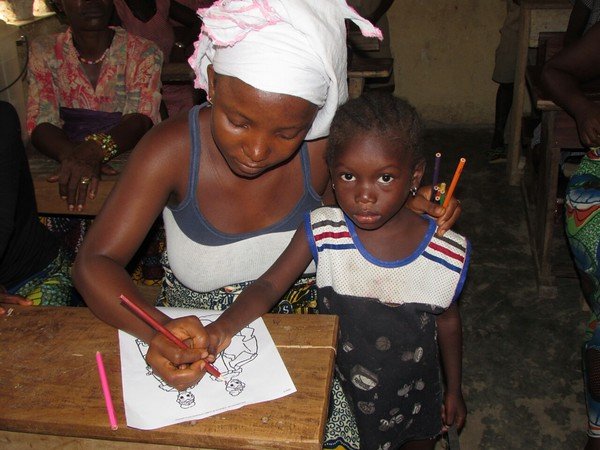
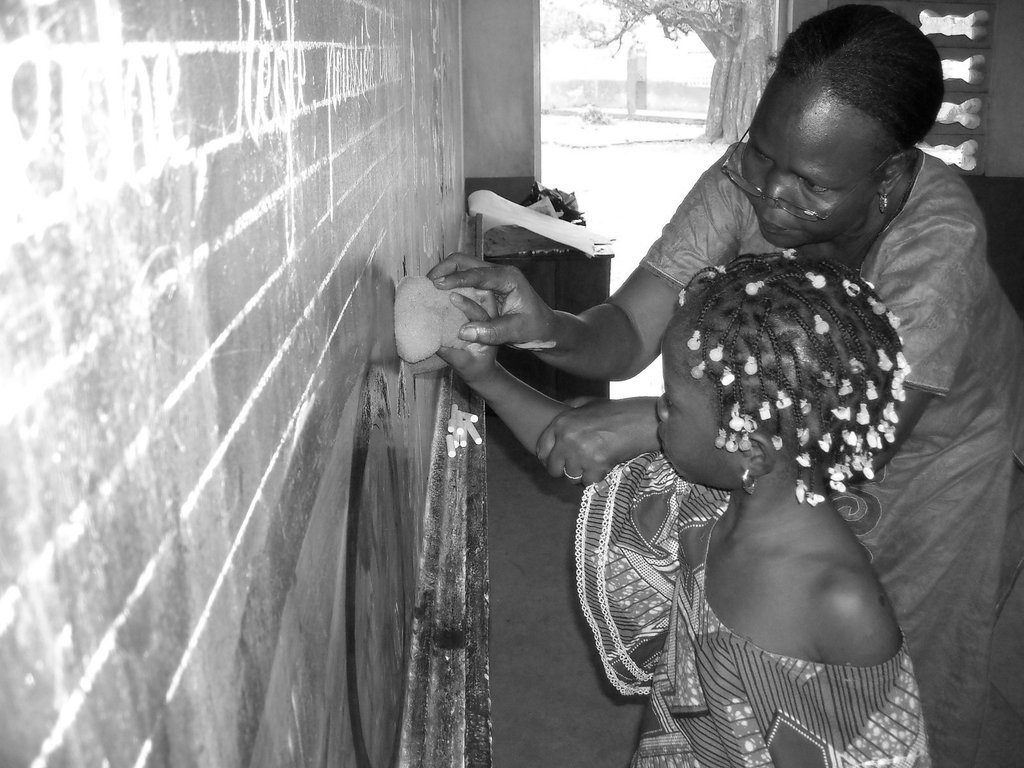
Over the current school year (2014-15), School-to-School International worked with 10 partner schools in Guinea to implement the Whole Child Model, a broad-based set of holistic interventions to help children learn better that focuses on education, health and community engagement. During this school year, STS expanded its work in Guinea to include additional interventions to facilitate children’s success in school. This very important work was conducted in a difficult environment that included the Ebola outbreak, beginning in 2014. This was one of the largest and most complex Ebola outbreaks in history and saw a flood of emergency aid organizations spilling into Guinea to attempt to control the virus, tending to ignore any non-Ebola related development issues in Guinea. STS stood out in this crowd of organizations as one of the only still working in multiple contexts outside of Ebola. We received much praise from local education officials to be the only organization they knew of continuing to deliver important interventions in education.
Education
STS conducted 2 teacher trainings in both reading and math as well as provided reading and math curricula to its partner schools, and follow-up support to teachers every two weeks. STS trained teachers to spend more classroom time “on task” in order to get the maximum effect of improved instruction methods. STS also led information sessions with community members and teachers on girls’ education and the importance of gender equity. 30 girls received scholarships from STS in the 10 schools where we work. We also introduced girl-centered activities to after-school tutoring sessions.
Health
During this school year, STS led one teacher training in health and nutrition and added Ebola to the existing health curriculum. STS also trained School Management Committees in action planning and monitoring and evaluation tools for health policy to continuously observe and adjust their strategies based on health realities. STS organized “civil service days” to clean school grounds.
Engagement
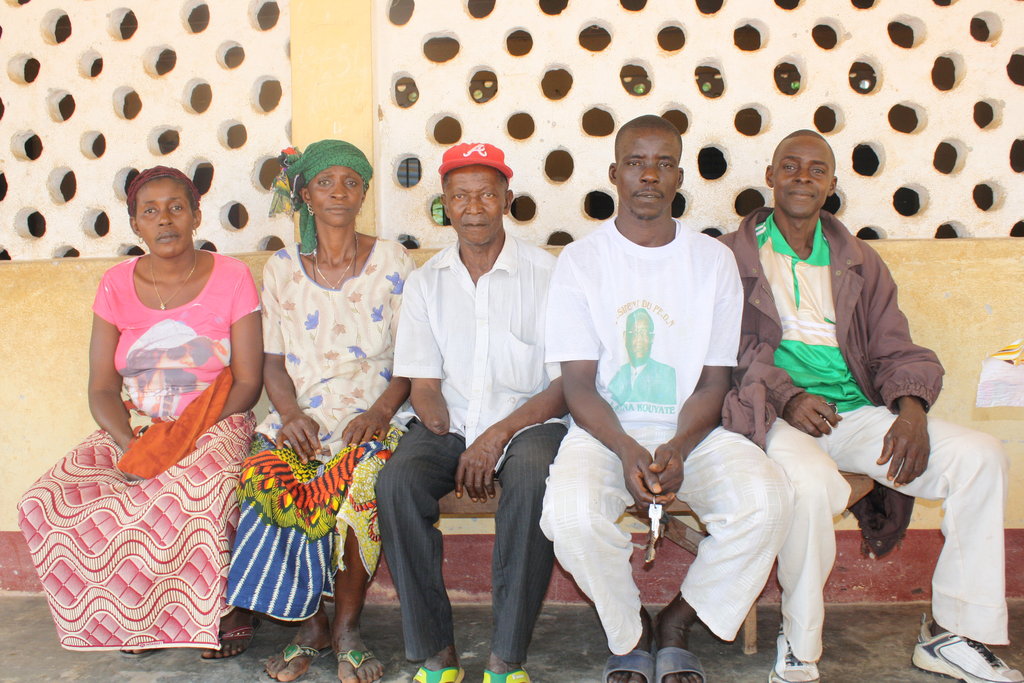
Over the 2014-15 school year, STS continued its Pen Pal Program between Guinean and American students, this year engaging 800 participants. We also engaged parents (and Parent-Teacher Associations) to support students at home and to support the school their children attend. Finally, we trained school principals on effective management methods of their school environments.
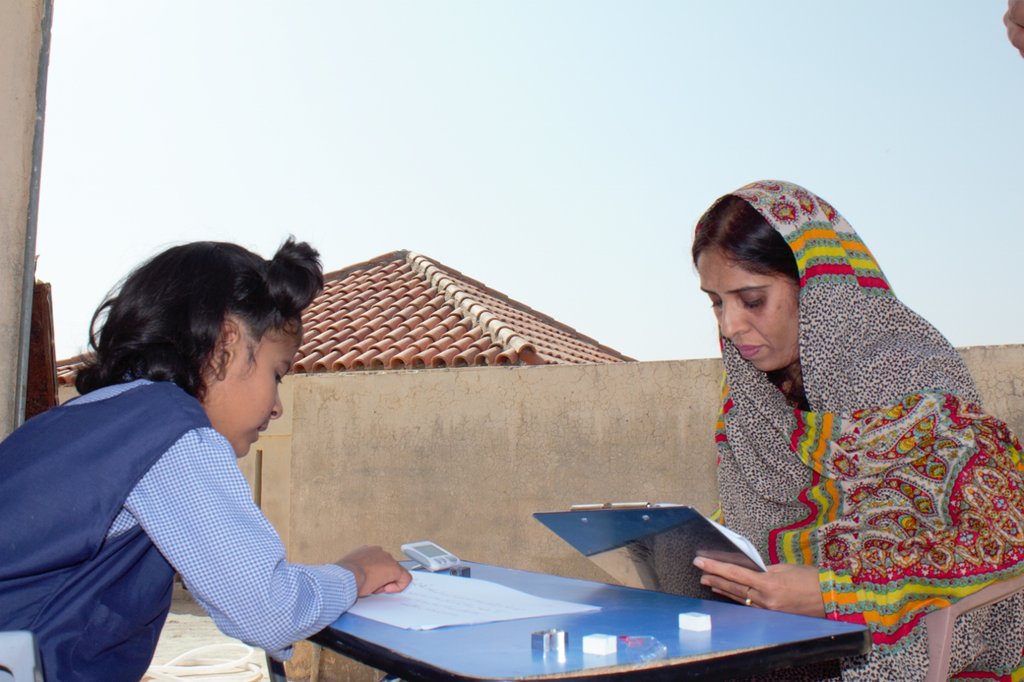
During this reporting period, STS analyzed data to evaluate the effectiveness of its interventions, comparing student reading and math levels between schools that received STS assistance and schools that did not (10 treatment schools and 10 comparison schools). Results from the 2013-14 school year showed students in STS-supported schools performed slightly better in both subjects. We are currently conducting the endline measurement of the 2014-15 school year to collect data that tell us about the effectiveness of our expanded package of interventions implemented during this timeframe.
Project reports on GlobalGiving are posted directly to globalgiving.org by Project Leaders as they are completed, generally every 3-4 months. To protect the integrity of these documents, GlobalGiving does not alter them; therefore you may find some language or formatting issues.
If you donate to this project or have donated to this project, you can receive an email when this project posts a report. You can also subscribe for reports without donating.