By Margaret Ruthari | Project Leader
1. Introduction
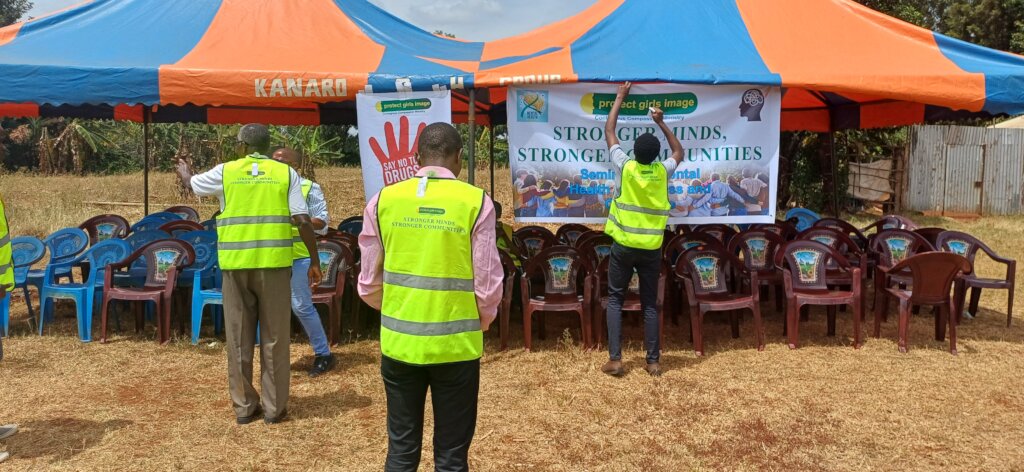
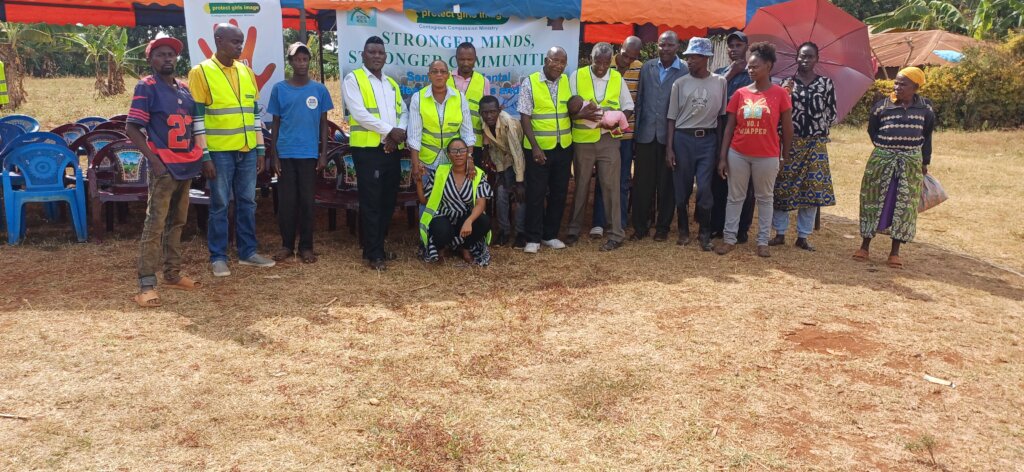
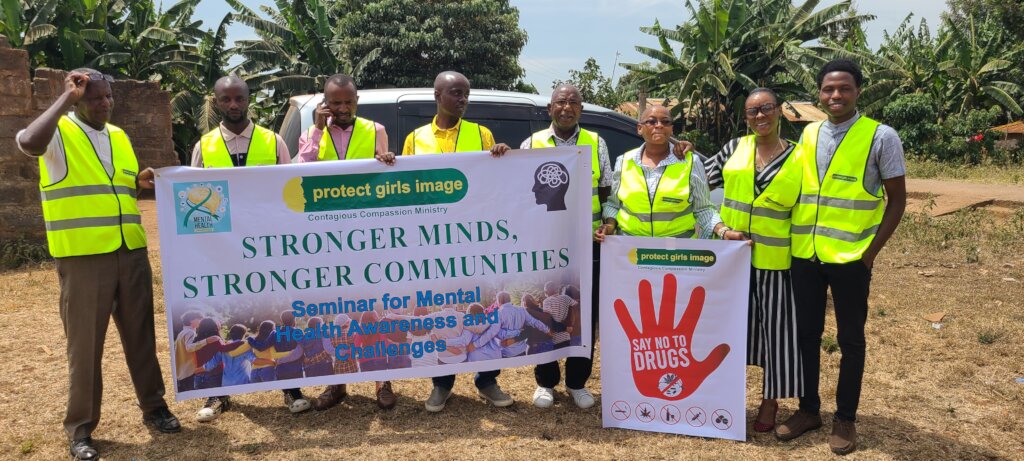
Protect Girl Image Organization (PGIO) initiated the Stronger Minds, Stronger Communities Project to respond to the challenges of substance abuse, mental health concerns, reproductive health challenges, stigma, poverty, and family breakdown affecting communities in Kamulu and Kangai-Kirinyaga.
The project recognizes that effective community transformation requires more than responding to problems after they occur. It requires creating safe spaces where community members can come together, share their experiences, receive information, identify challenges early, and access appropriate support.
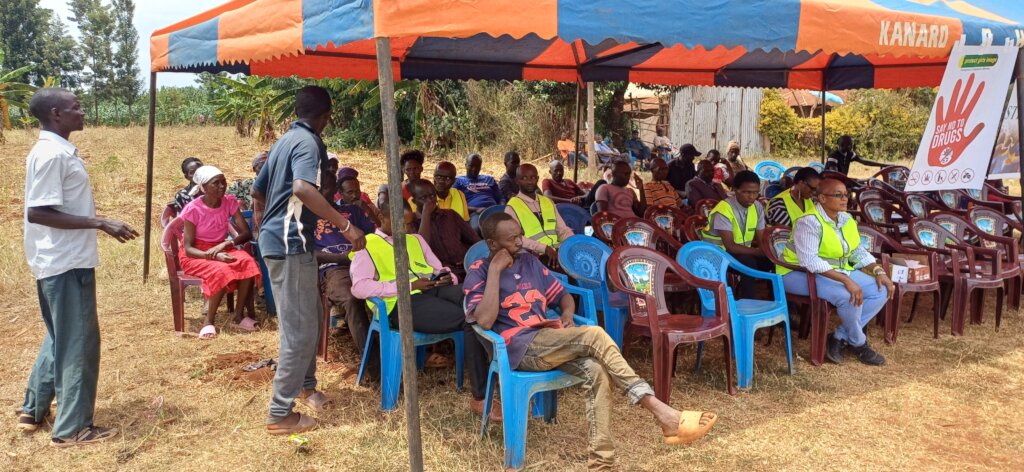
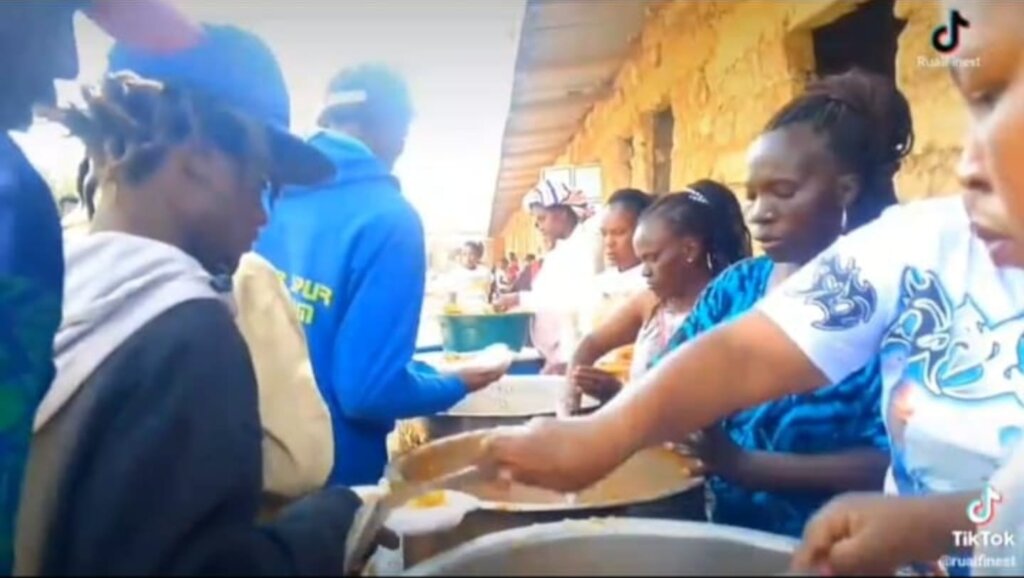
As part of the first actions under the project, PGIO established a Community Table Feeding Program. The Community Table uses a shared meal as an entry point for community engagement, awareness creation, relationship building, and identification of vulnerable individuals and families.
2. Community Table Feeding Program
2.1 Purpose of the Community Table
The Community Table was established to bring community members together around a meal while creating an opportunity for meaningful conversations about issues affecting their lives.
The program is based on the understanding that food brings people together and creates an environment where people are more willing to listen, participate, and share their experiences.
While sharing meals, PGIO uses the opportunity to provide education and awareness on important community issues, particularly:
Drug and substance abuse.
Alcohol addiction and its effects on families.
Mental health and emotional well-being.
Reproductive health.
Adolescent sexual and reproductive health.
Family relationships and parenting.
The importance of seeking help early.
Available community support and referral services.
The Community Table therefore serves both a social and educational purpose.
3. Awareness on Drug and Substance Abuse
One of the major activities undertaken through the Community Table has been awareness creation on drug and substance abuse.
Community members are encouraged to openly discuss the causes and consequences of addiction and how substance abuse affects individuals, families, children, and the wider community.
The awareness sessions address:
The dangers of alcohol and drug abuse.
Early signs of addiction.
Effects of substance abuse on families.
Effects on young people's education and future.
Stigma associated with addiction.
The importance of seeking counseling and rehabilitation.
The role of families and communities in supporting recovery.
The approach is deliberately non-judgmental. Rather than condemning individuals struggling with addiction, PGIO encourages the community to recognize addiction as a serious challenge requiring support, counseling, rehabilitation, accountability, and restoration.
4. Reproductive Health Awareness
The Community Table has also provided an opportunity to discuss reproductive health, particularly among young people and vulnerable women.
The sessions provide information and encourage open conversations on:
Responsible decision-making.
Adolescent reproductive health.
Prevention of teenage pregnancy.
Sexual health and personal responsibility.
Accessing appropriate health services.
Protecting girls from exploitation and abuse.
The importance of education and positive life choices.
Creating these conversations within the community helps young people receive information in an environment where they can ask questions and receive guidance without unnecessary shame or judgment.
5. Mental Health and Stigma Reduction
The Community Table also contributes to the mental health component of the Stronger Minds, Stronger Communities Project.
Many people experiencing emotional distress, addiction, family problems, or trauma do not seek help because of stigma.
Through regular community interaction, PGIO is creating opportunities for people to understand that:
Seeking help is not a sign of weakness. It is a step toward healing and restoration.
The program encourages community members to identify people who may need additional support and, where appropriate, connect them to counseling, rehabilitation, spiritual support, health services, or other relevant resources.
6. Building Trust Within the Community
One of the most important achievements of the Community Table is the creation of a platform for trust and relationship building.
Instead of approaching the community only when conducting formal awareness campaigns, PGIO is creating a consistent presence where people can meet, eat together, talk, learn, and support one another.
This has helped create an environment where community members can:
Share their concerns.
Identify common problems.
Learn from one another.
Receive information.
Connect vulnerable individuals to support.
Participate in solutions affecting their community.
The Community Table is therefore becoming an important foundation for the wider Stronger Minds, Stronger Communities initiative.
7. Community-Based Approach
PGIO's approach is intentionally community-based and culturally respectful.
Rather than bringing solutions from outside and imposing them on the community, the organization creates opportunities for community members to participate in identifying problems and discussing possible solutions.
Community conversations are conducted in ways that are understandable and accessible to local people, including the use of familiar language and community forums.
This approach helps reduce stigma and encourages greater ownership of the project.
8. Early Achievements
Through the Community Table initiative, PGIO has:
Created a regular platform for community engagement.
Used shared meals to bring community members together.
Started conversations around drug and alcohol addiction.
Created awareness on reproductive health.
Opened conversations around mental health and stigma.
Created opportunities to identify vulnerable individuals and families.
Strengthened relationships between PGIO and the communities it serves.
Created a foundation for referrals to counseling, rehabilitation, and other support services.
Established an entry point for future Youth Advocate and Mental Health Hub activities.
9. Link to the Stronger Minds, Stronger Communities Project
The Community Table is the beginning of a broader intervention.
The experience gained through community engagement is helping PGIO understand the needs of the people it serves and identify areas requiring further intervention.
The next stages of the project will build on this foundation through:
Mental Health Hubs
Safe spaces where community members can access professional counseling, peer support, and referrals.
Youth Advocate Training
Training young people in Psychological First Aid so that they can identify distress, provide initial support, and connect individuals to appropriate services.
Continued Community Barazas
Regular community forums addressing substance abuse, mental health, reproductive health, family relationships, and stigma.
Economic Empowerment
Connecting young women to entrepreneurship training, mentorship, and opportunities for business funding.
10. Challenges Identified
As implementation continues, PGIO has identified challenges that require sustained attention, including:
Persistent stigma surrounding addiction and mental health.
Limited access to affordable professional counseling.
Substance abuse affecting young people and families.
Economic hardship among vulnerable households.
Limited reproductive health information among some young people.
Need for stronger referral systems.
Need for additional resources to expand community outreach.
These challenges demonstrate the importance of continuing and expanding the Stronger Minds, Stronger Communities Project.
11. Future Actions
PGIO intends to strengthen the program by:
Expanding Community Table activities.
Establishing Mental Health Hubs.
Training Youth Advocates in Psychological First Aid.
Increasing substance abuse awareness and prevention activities.
Expanding reproductive health education.
Strengthening counseling and referral services.
Engaging parents, guardians, churches, schools, and community leaders.
Linking young women to entrepreneurship and economic empowerment opportunities.
Developing partnerships with professional mental health providers and other stakeholders.
Documenting project outcomes and measuring the long-term impact on families and communities.
12. Conclusion
The Stronger Minds, Stronger Communities Project has moved from an idea into practical community action through the establishment of the Community Table Feeding Program.
The Community Table demonstrates PGIO's belief that transformation begins by meeting people where they are. A simple meal has become an opportunity to build relationships, create awareness, discuss difficult issues, identify vulnerability, and connect people to hope and support.
The initiative is laying the foundation for a larger community-based mental health and empowerment program that will address not only the symptoms of poverty, addiction, and family breakdown but also their underlying causes.
As PGIO moves toward establishing Mental Health Hubs, training 1,000 Youth Advocates, and reaching 10,000 young women by 2030, the Community Table will remain an important foundation for building trust, reducing stigma, strengthening families, and creating stronger minds and stronger communities.
Restoring Dignity • Transforming Lives • Building Stronger Communities
Links:
Project reports on GlobalGiving are posted directly to globalgiving.org by Project Leaders as they are completed, generally every 3-4 months. To protect the integrity of these documents, GlobalGiving does not alter them; therefore you may find some language or formatting issues.
If you donate to this project or have donated to this project, you can receive an email when this project posts a report. You can also subscribe for reports without donating.



Support this important cause by creating a personalized fundraising page.
Start a Fundraiser