By Isabel Chandoqui | Project Leader
Durante los primeros meses de 2026, el proyecto continuó fortaleciendo el bienestar físico y ambiental de familias tseltales en la región selva de Chiapas. Además, este año iniciamos el acompañamiento en tres nuevas comunidades: Peña Limonar, San Isidro y El Silencio.
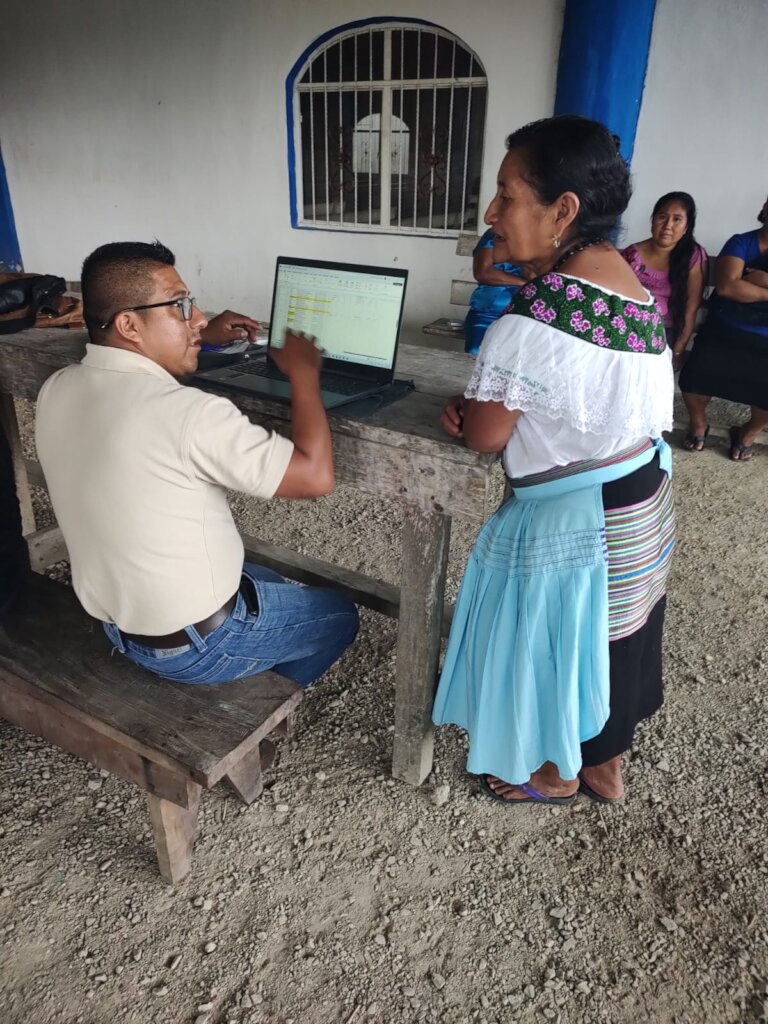
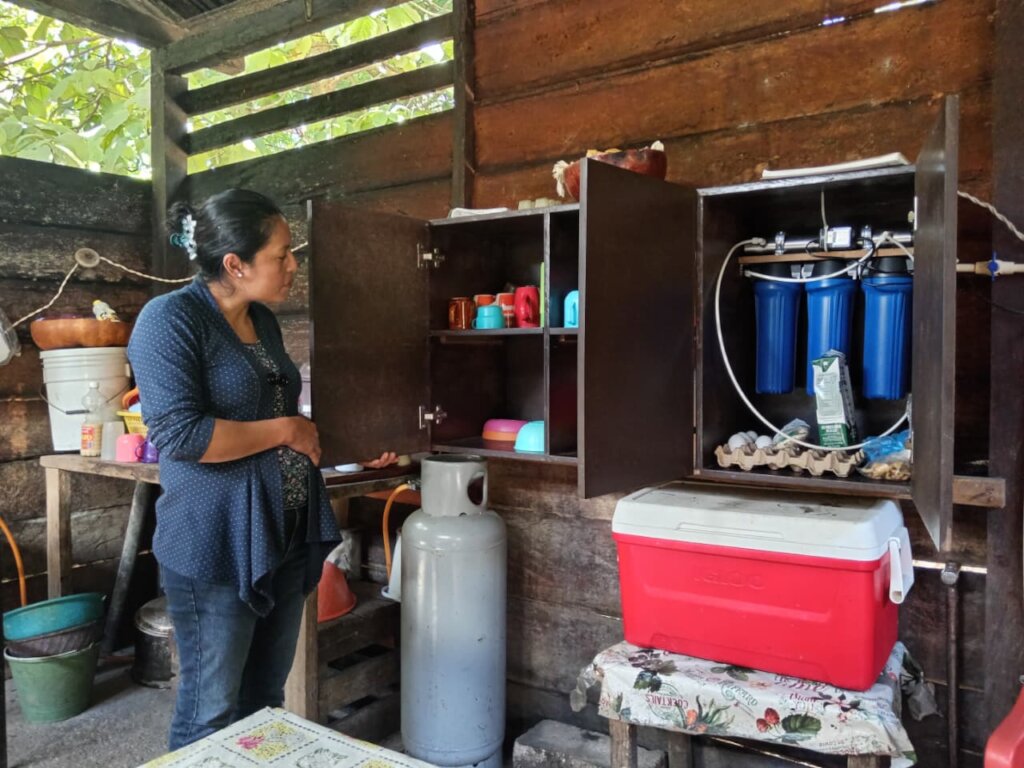
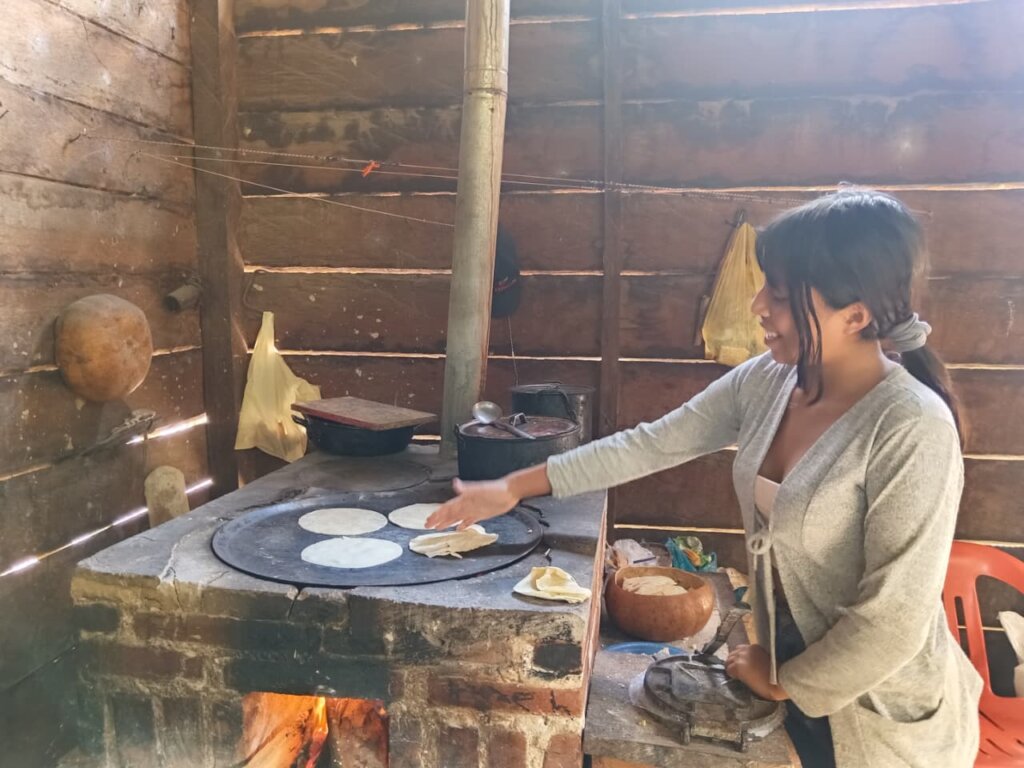
A través de visitas domiciliarias y seguimiento comunitario, las familias continuaron fortaleciendo el uso de ecotecnologías como fogones Patsari, filtros purificadores de agua, sistemas de almacenamiento de agua y huertos familiares. Las mujeres compartieron que los filtros han reducido significativamente el tiempo y la leña que antes utilizaban para hervir agua, además de brindar agua más segura para sus familias. Asimismo, los fogones mejorados han contribuido a disminuir el humo dentro de las viviendas, ayudando a prevenir enfermedades respiratorias, dolor de cabeza e irritación en los ojos.
El acompañamiento constante también permitió brindar mantenimiento a filtros purificadores y reforzar buenas prácticas en el uso y cuidado de las ecotecnologías, fortaleciendo la apropiación y sostenibilidad del proyecto a largo plazo.
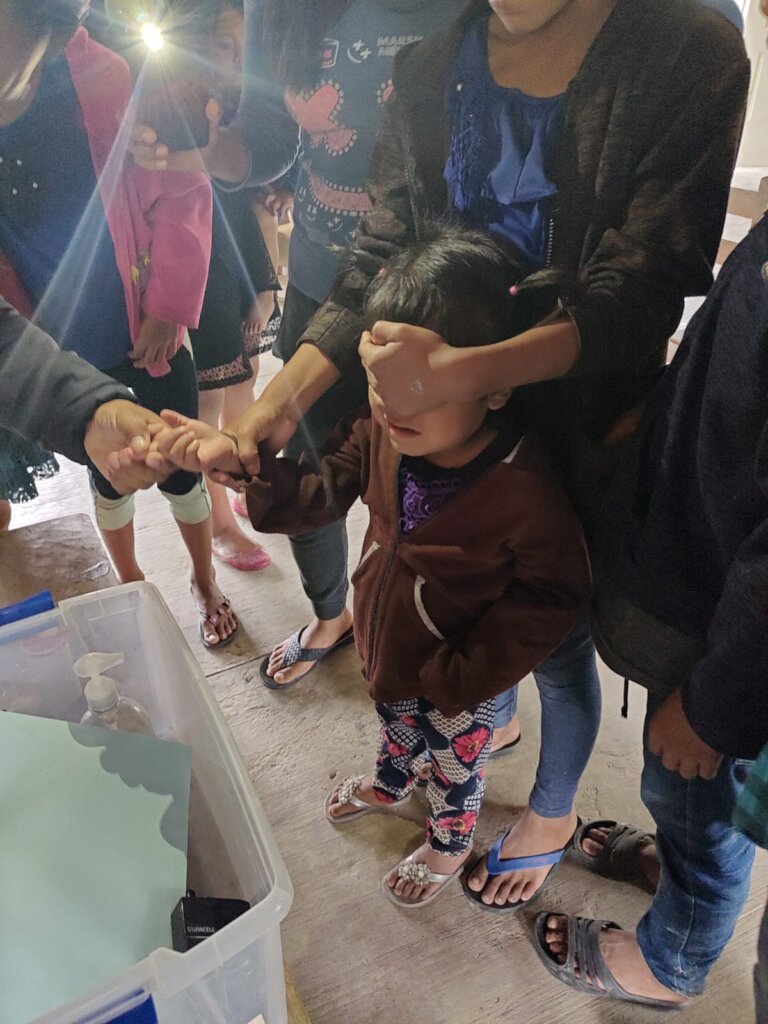
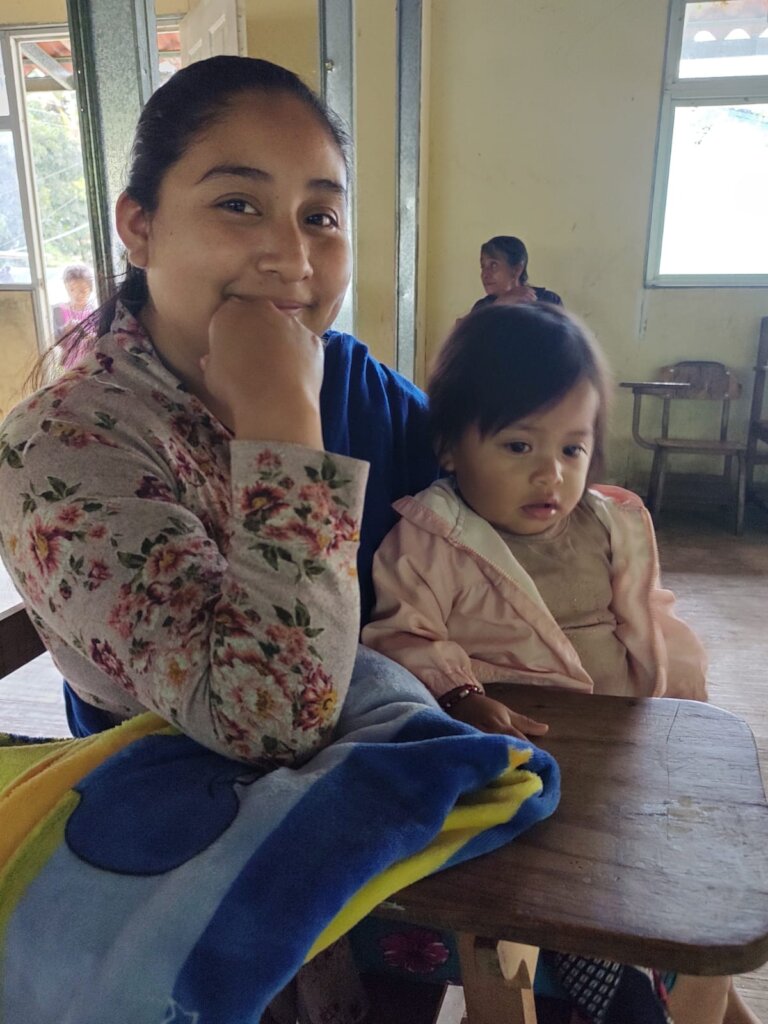
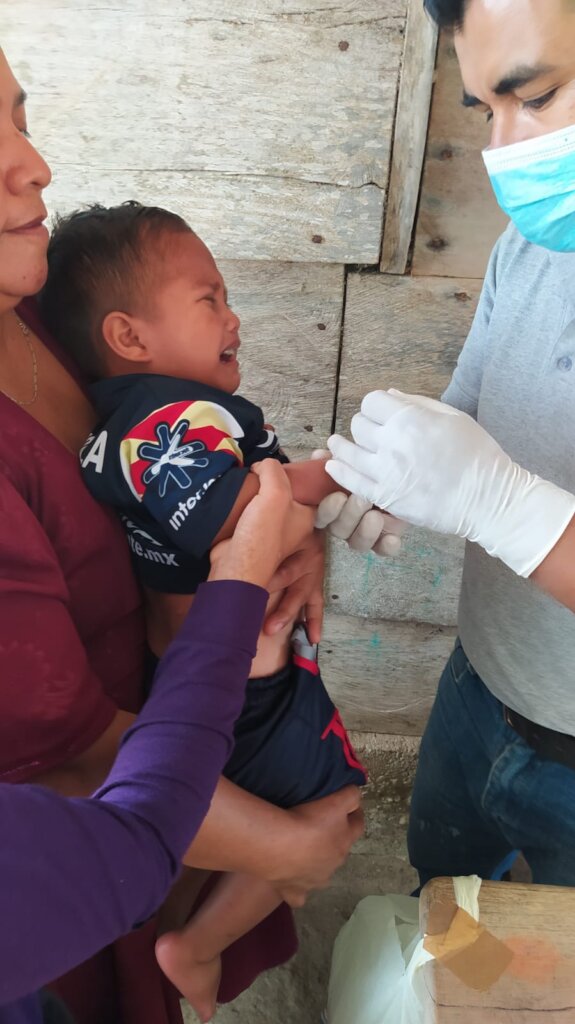
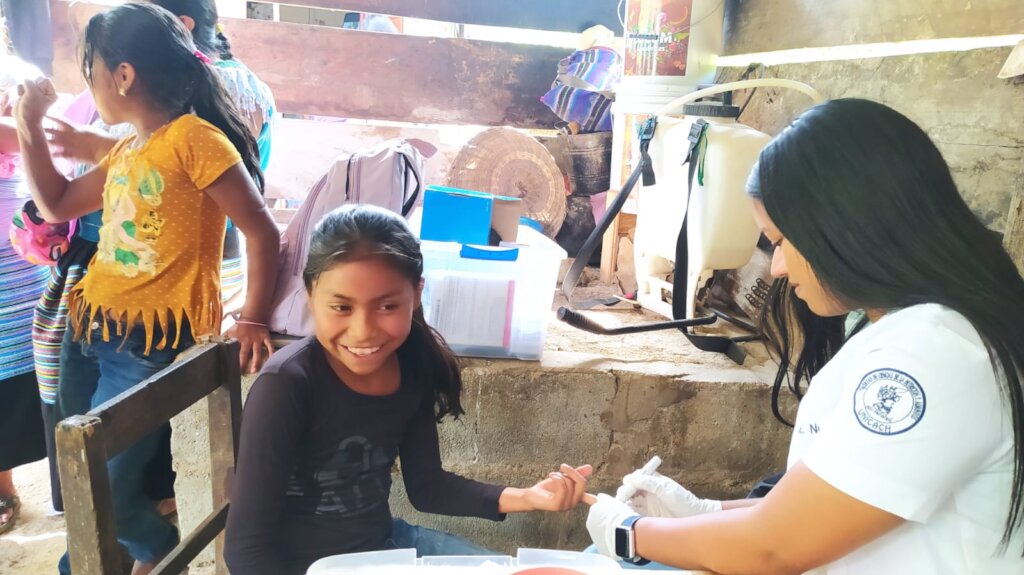
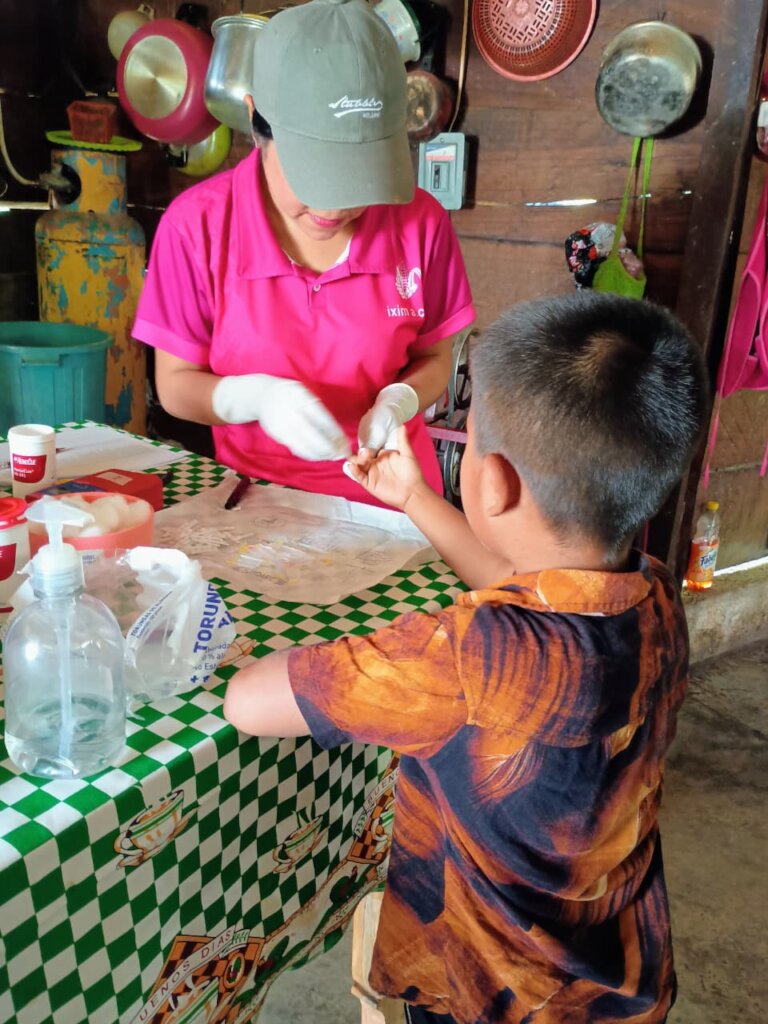
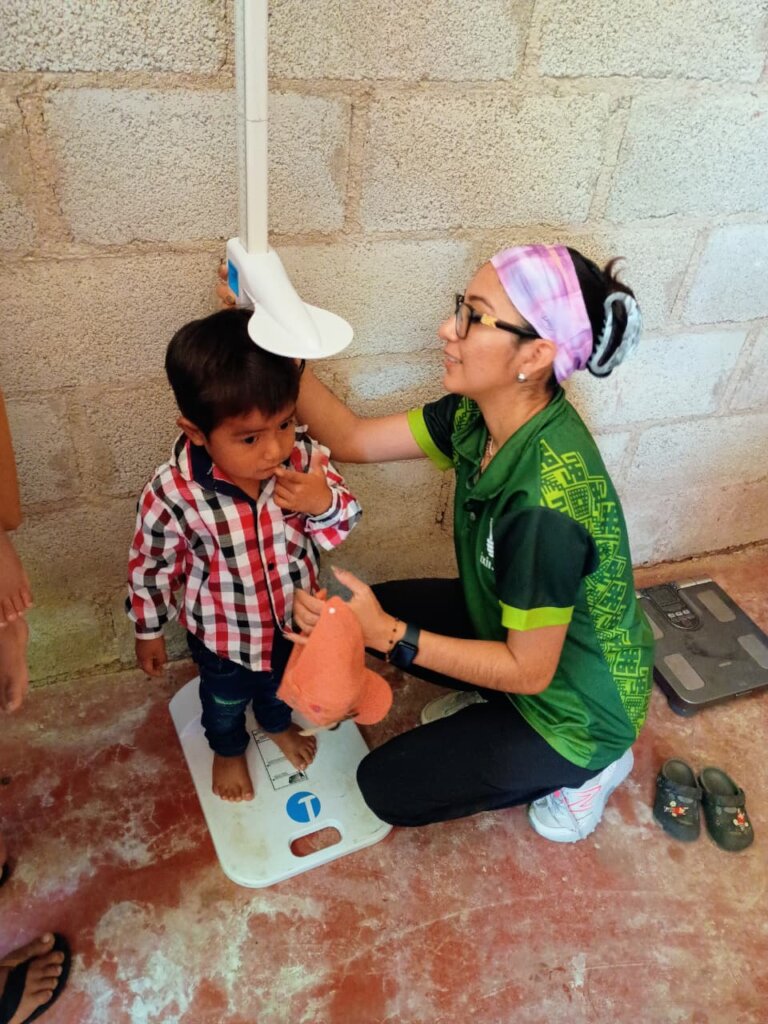
En marzo de 2026 se realizó la primer jornada de salud nutricional en Peña Limonar, El Silencio y San Isidro, donde niñas y niños participaron en evaluaciones antropométricas y pruebas de hemoglobina para detectar posibles casos de anemia. Las madres de familia mostraron gran interés en conocer y comprender el estado nutricional de sus hijos, fortaleciendo así la prevención y atención temprana en salud infantil.
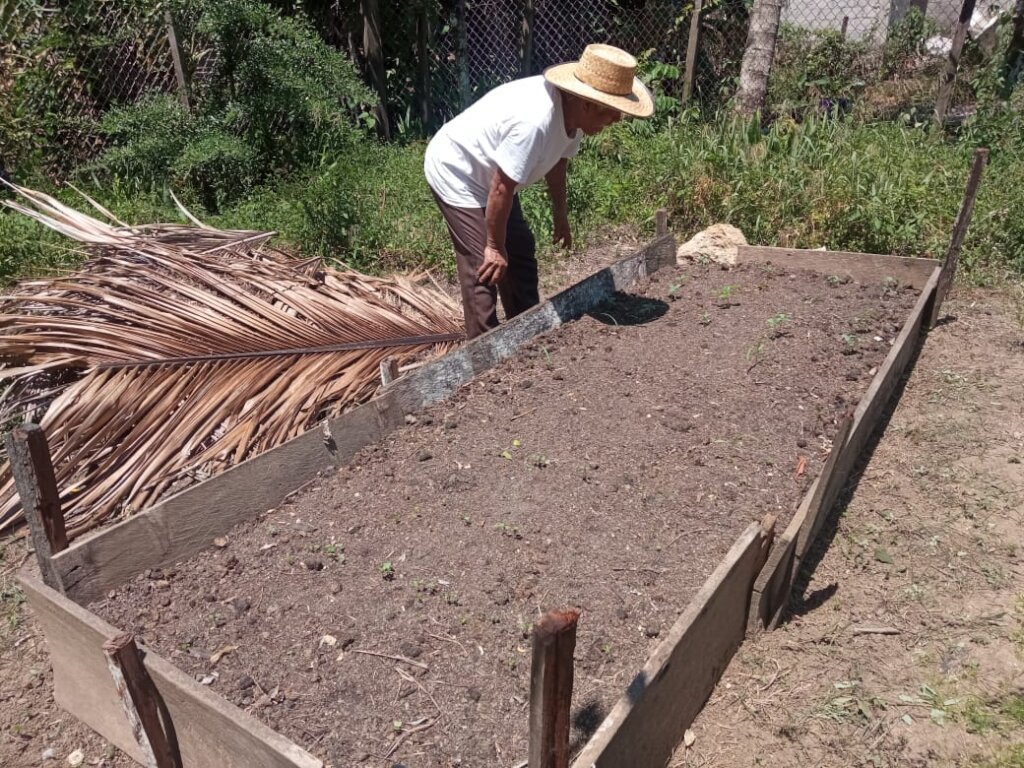
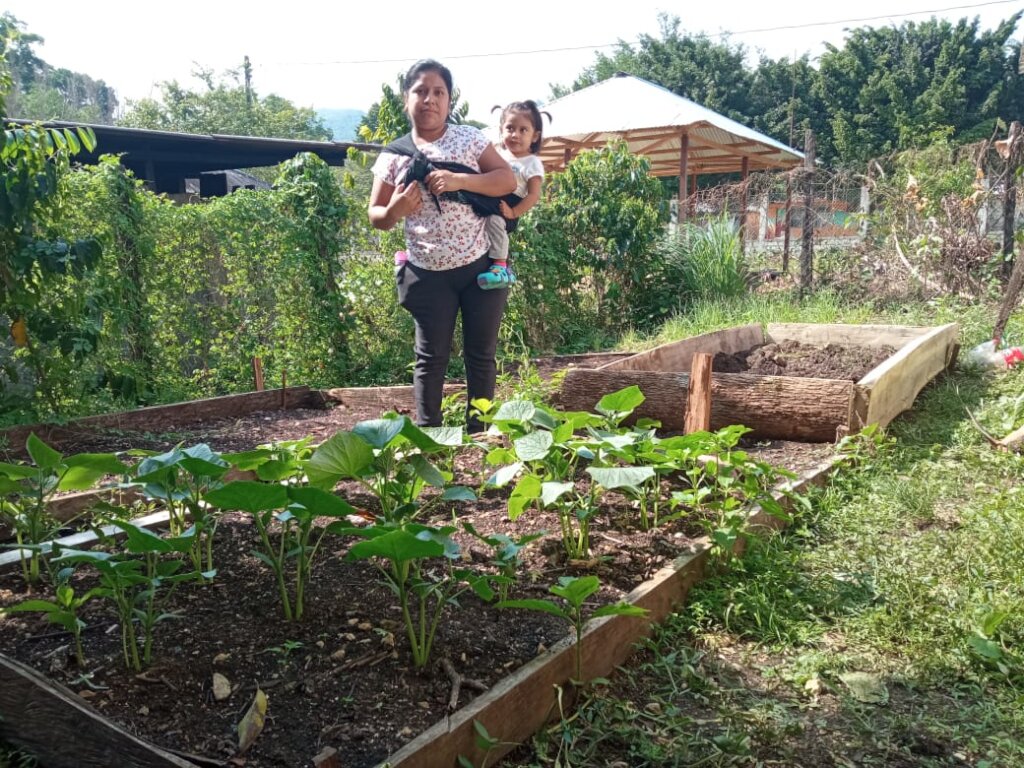
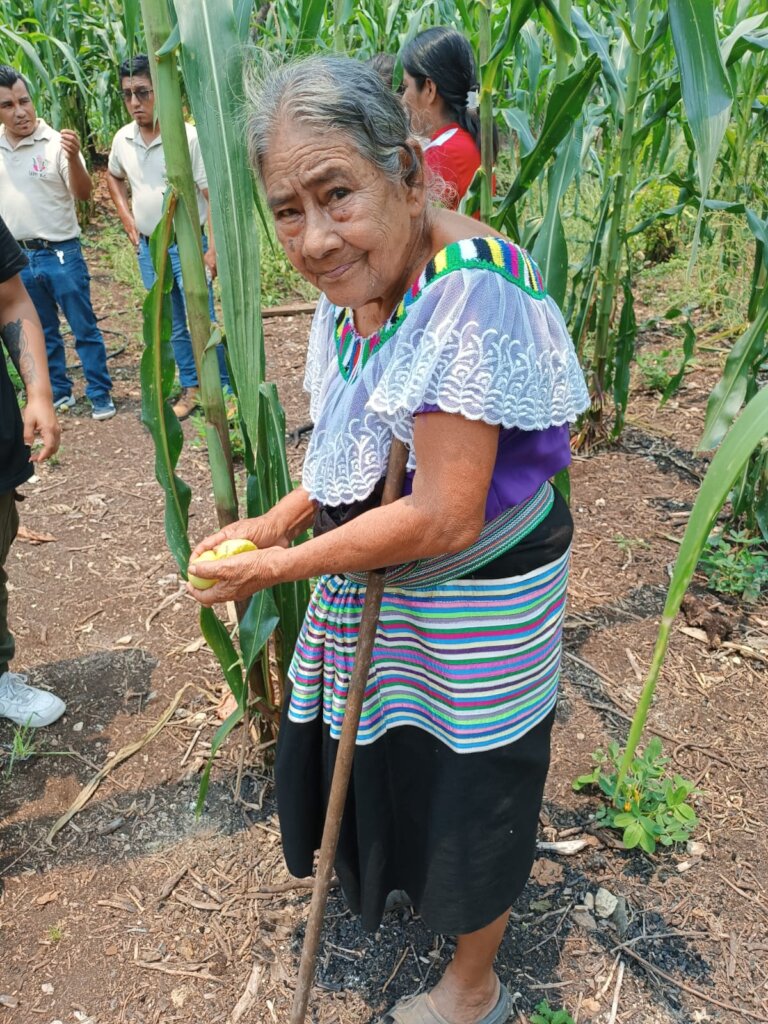
Otro avance importante fue el inicio de talleres de huertos familiares con enfoque de permacultura y agroecología. Las mujeres aprendieron técnicas para cultivar alimentos saludables sin químicos, utilizando recursos locales y compartiendo conocimientos tradicionales. Además de fortalecer la alimentación familiar, estos espacios promovieron la organización colectiva, el aprendizaje comunitario y el entusiasmo de las mujeres por producir alimentos frescos para sus hogares.
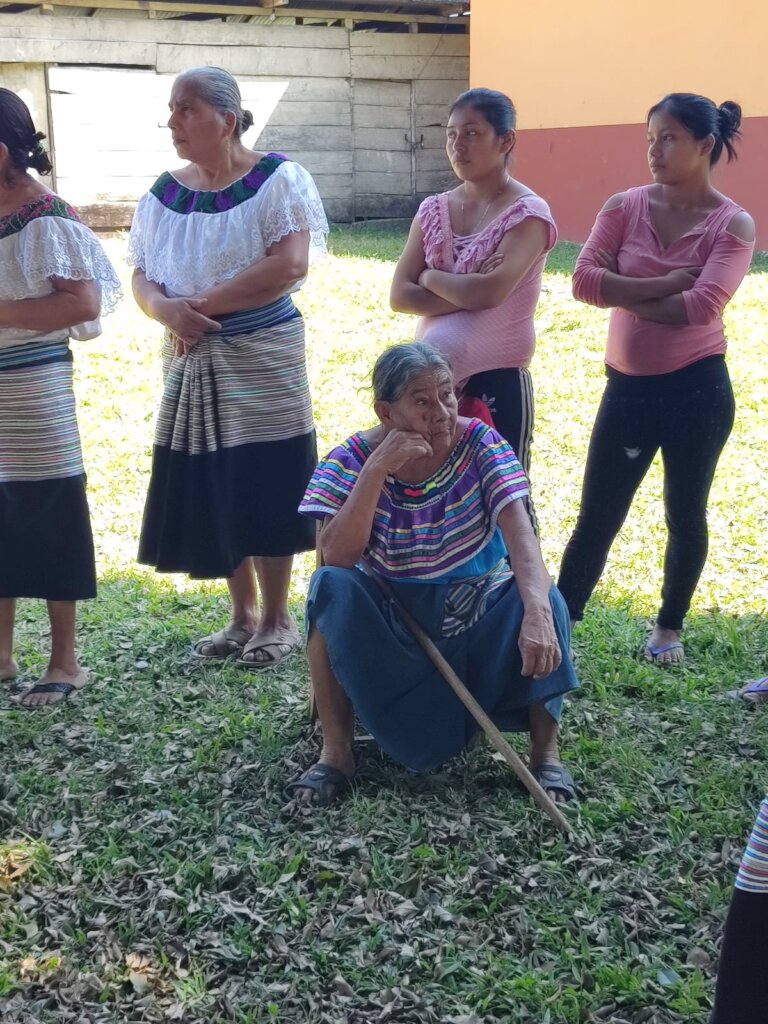
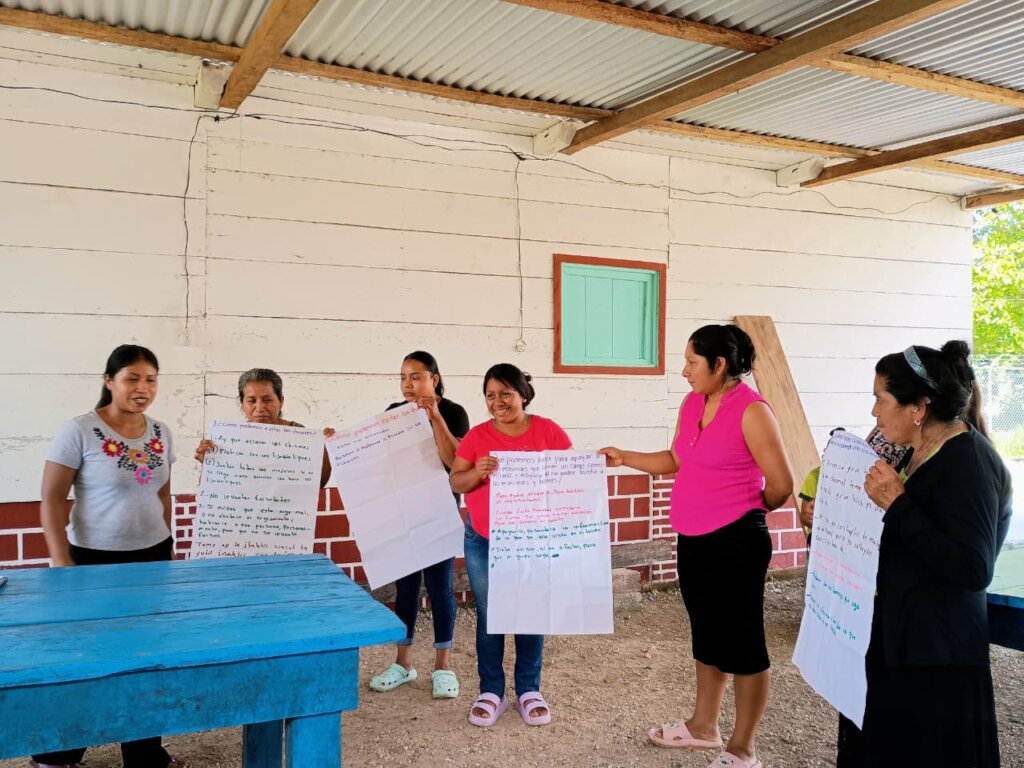
Durante una visita del consejo de IXIM a la comunidad de San Marcos, las mujeres reflexionaron sobre los cambios que han vivido a lo largo del “Camino IXIM”. Compartieron que hoy cuentan con mayores conocimientos sobre nutrición, prevención de anemia y cuidado de la salud familiar. También destacaron que las ecotecnologías han mejorado significativamente las condiciones dentro de sus hogares y que la organización comunitaria les ha permitido fortalecerse colectivamente y enfrentar mejor las dificultades cotidianas.
________________________
During the first months of 2026, the project continued strengthening the physical and environmental well-being of Tseltal families in the Selva region of Chiapas. In addition, this year we began accompanying three new communities: Peña Limonar, San Isidro, and El Silencio.
Through home visits and community follow-up, families continued strengthening the use of ecotechnologies such as Patsari stoves, water purification filters, water storage systems, and family gardens. Women shared that the filters have significantly reduced the time and firewood previously needed to boil water, while also providing safer drinking water for their families. Likewise, the improved stoves have helped reduce smoke inside homes, contributing to the prevention of respiratory illnesses, headaches, and eye irritation.
Continuous accompaniment also made it possible to provide maintenance for water purification filters and reinforce good practices in the use and care of ecotechnologies, strengthening long-term ownership and sustainability of the project.
In March 2026, the first nutritional health campaign was carried out in Peña Limonar, El Silencio, and San Isidro, where children participated in anthropometric evaluations and hemoglobin testing to detect possible cases of anemia. Mothers showed great interest in understanding their children’s nutritional status, strengthening prevention and early attention to child health.
Another important achievement was the launch of family garden workshops with a permaculture and agroecology approach. Women learned techniques to grow healthy food without chemicals by using local resources and sharing traditional knowledge. In addition to strengthening family nutrition, these spaces promoted collective organization, community learning, and enthusiasm among women to produce fresh food for their households.
During a visit from IXIM’s advisory council to the community of San Marcos, women reflected on the changes they have experienced throughout the “Camino IXIM” process. They shared that they now have greater knowledge about nutrition, anemia prevention, and family health care. They also highlighted that ecotechnologies have significantly improved living conditions inside their homes and that community organization has allowed them to grow stronger collectively and better face everyday challenges.
Links:
Project reports on GlobalGiving are posted directly to globalgiving.org by Project Leaders as they are completed, generally every 3-4 months. To protect the integrity of these documents, GlobalGiving does not alter them; therefore you may find some language or formatting issues.
If you donate to this project or have donated to this project, you can receive an email when this project posts a report. You can also subscribe for reports without donating.



Support this important cause by creating a personalized fundraising page.
Start a Fundraiser