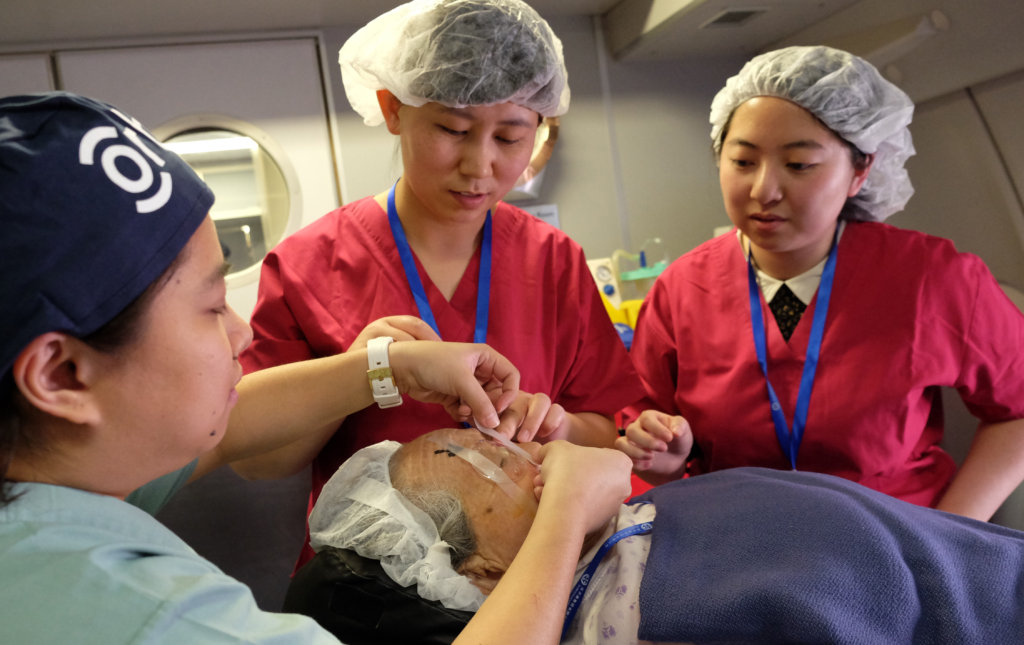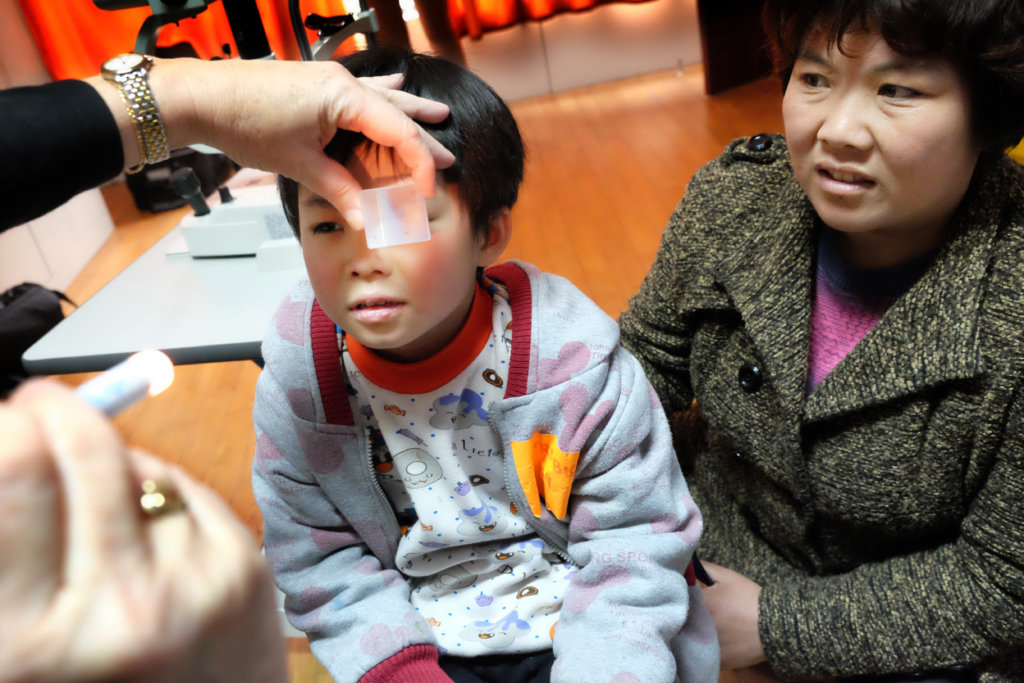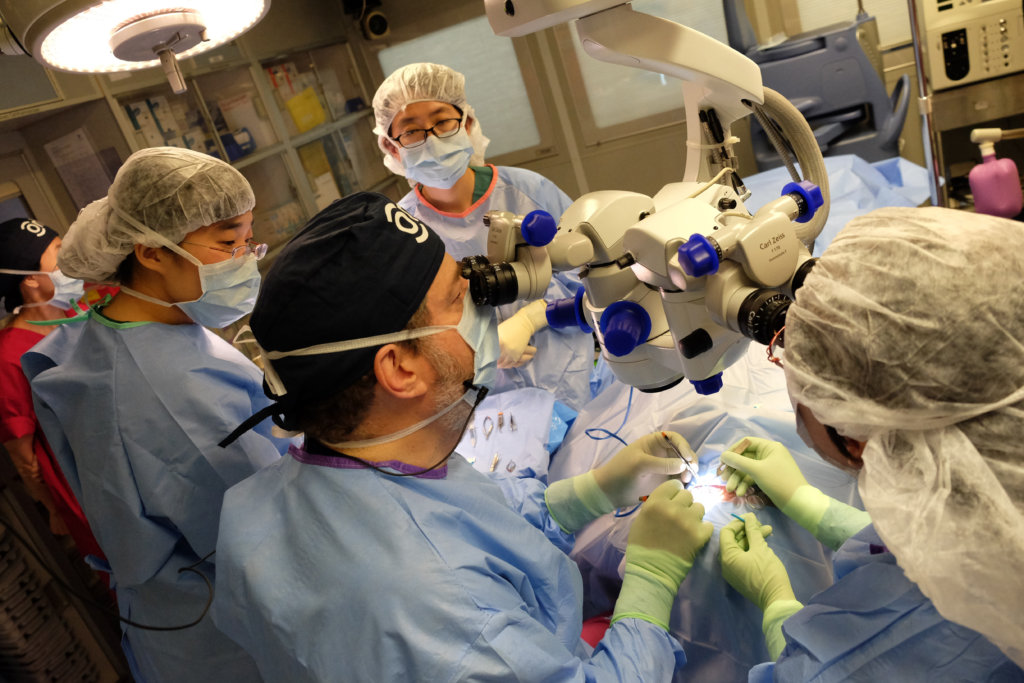
This project will address one of the major problems in blindness prevention in China: lack of quality eye care personnel in the rural areas where they are most needed. Through this project, we target to strengthen the training system in Shenyang He Eye Care System (SHECS) to address the lack of high-quality eye care service personnel identified in the current China Blindness Prevention (PBL) Plan, particularly in rural areas.
Unbalanced allocation of health resources between urban and rural areas, and lack of confidence in the quality of local service in rural areas leads patients to attend instead to big hospitals in urban areas, resulting in insufficient patient volume in rural hospitals. Also lack of systematic training requirements and procedures, including curriculum design, criteria for the selection of trainers and trainees, monitoring & evaluation, all these lead to uncertain training outcomes.
This project will be implemented in three phases: Phase One will establish a hands-on and didactic model of training for the entire county hospital eye care team to manage the two major causes of vision impairment in China: adult cataract and uncorrected refractive error. Phase Two will focus on creating and testing a hands-on and didactic ophthalmology residency training curriculum and model. Phase Three will focus on strengthening capacity to provide comprehensive eye care service training.
This training project aiming to develop a high quality training model that can provide medical training to local eye care professionals. This is the ultimate solution to unnecessary blindness - a sad problem resulting from poverty and lack of adequate medical skills. Through the support from this platform, we will have cataract screening for 6000 people in rural area; 100 maternal and child station health workers and 10 county level ophthalmologists will be trained.