By Blessing Udoh | Program Assistant
QUARTERLY REPORT
Executive Summary
Between January 1st and March 31st, 2026, the Professor Charles Effiong Foundation continued to implement impactful interventions aimed at improving the lives of orphans and vulnerable children (OVC). Through a holistic approach that integrates caregiver support, educational assistance, psychosocial engagement, and direct household monitoring, the Foundation strengthened its commitment to child protection and development.
During this period, school fees were successfully paid for 50 children (31 male, 19 female) across 13 schools (6 in Calabar Municipality Local Government, 2 in Akamkpa Local Government Area and 5 in Calabar South Local Government, all in Cross River State), ensuring uninterrupted access to education. The Foundation also engaged 17 caregivers (14 female, 3 male) through a structured Caregivers’ Forum held on 5th January, 2026, which focused on strengthening caregiving practices and child protection awareness. Additionally, 25 children (16 male, 9 female) and adolescents participated in a Kids and Adolescents Club meeting conducted on February 10th 2026, where they engaged in life skills development and psychosocial activities.
Home visits were conducted throughout the quarter allowing for continuous monitoring of children’s welfare and caregiver capacity. These combined efforts contributed to improved school attendance, enhanced caregiver knowledge, and strengthened emotional well-being among beneficiaries.
Introduction
This report provides a comprehensive overview of activities implemented by the Professor Charles Effiong Foundation during the period January–March 2026. The Foundation’s OVC program is designed to address the complex and interconnected needs of vulnerable children through a holistic and community-based approach.
Recognizing that children thrive in stable and supportive environments, the Foundation integrates caregiver empowerment, educational support, psychosocial care, and household-level monitoring. The activities carried out during this quarter reflect this integrated strategy and demonstrate the Foundation’s commitment to sustainable impact.
Program Implementation and Activities
During the reporting period, the Foundation implemented coordinated interventions aimed at improving child welfare outcomes and strengthening caregiver capacity.
The Caregivers’ Forum, held on January 5th, 2026, brought together 17 caregivers (14 female, 3 male) in an interactive setting where they received practical guidance on positive parenting, child protection, and household management. The sessions emphasized non-violent discipline, effective communication, and the importance of creating nurturing home environments. Caregivers were also sensitized on safeguarding practices, including identifying and responding to risks such as abuse, neglect, and exploitation.
Discussions during the forum extended to health, hygiene, and nutrition, reinforcing the importance of maintaining clean environments and providing balanced diets for children. Caregivers were further introduced to basic financial management strategies to help them better manage household resources. The participatory nature of the forum encouraged caregivers to share their experiences and challenges, fostering peer learning and strengthening community support systems.
Home visits were conducted continuously during this period providing valuable insights into the living conditions and well-being of beneficiary households. These visits revealed that while most caregivers are committed to providing adequate care, many face financial constraints that limit their capacity. Housing conditions were generally modest, with some cases of overcrowding and sanitation concerns observed.
Children were found to be generally safe and actively attending school. However, a few exhibited signs of emotional distress, highlighting the need for ongoing psychosocial support. During the visits, caregivers received tailored guidance on improving childcare practices, supporting children’s education, and maintaining healthy living conditions.
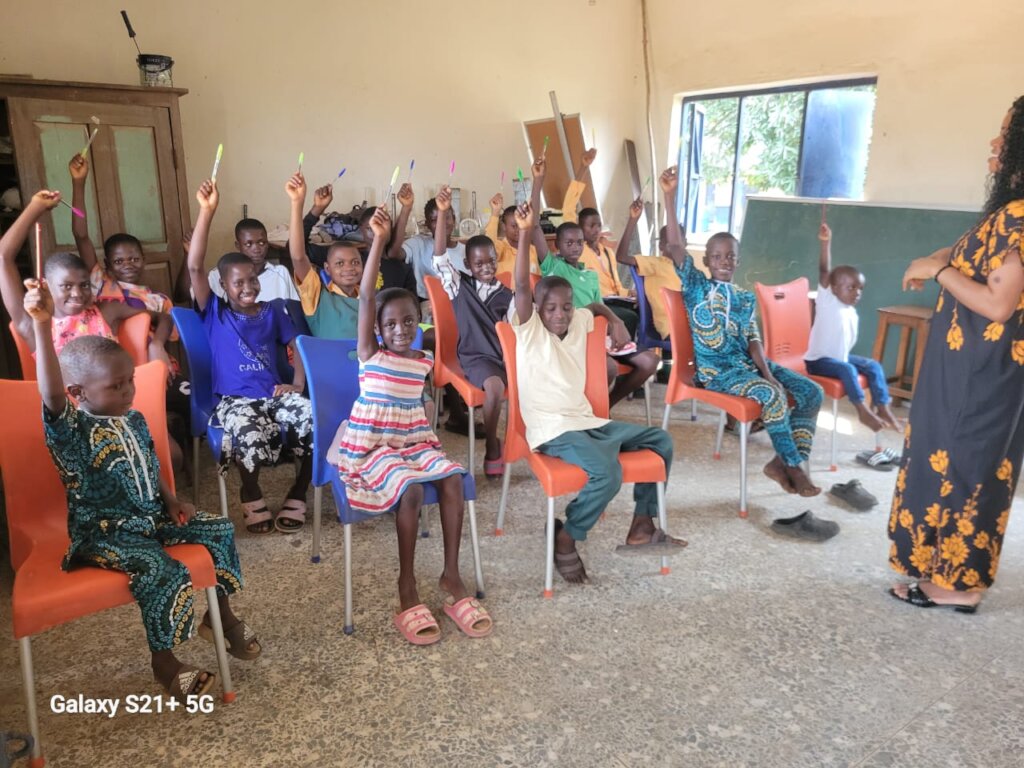
The Kids and Adolescents Club meeting, held on 10th February, 2026, brought together 25 children and adolescents (16 male, 9 female) in a safe and engaging environment. The session focused on life skills development, confidence building, and promoting positive social behavior. Through interactive activities such as storytelling, role-playing, and discussions, participants were guided on topics including personal hygiene, goal setting, and making responsible life choices.
A key highlight of the session was the letter-writing activity, during which children expressed appreciation to their sponsors while sharing updates about their lives and aspirations. This activity strengthened the relationship between beneficiaries and sponsors while enhancing communication and literacy skills.
Educational support remained a central focus during the quarter. During the quarter, the Foundation facilitated the payment of school fees across 13 schools (6 in Calabar Municipality Local Government, 2 in Akamkpa Local Government Area and 5 in Calabar South Local Government, all in Cross River State), this intervention ensured uninterrupted academic participation and significantly reduced absenteeism.
School monitoring visits conducted during this period enabled direct engagement with teachers and school administrators. Feedback indicated that the majority of students were performing at average to above-average levels, with improved attendance and participation. Students in examination classes were actively preparing through revision sessions and mock examinations.
Key Outcomes and Impact
The interventions carried out during this period resulted in significant improvements in both caregiver capacity and child well-being. Caregivers demonstrated increased knowledge and confidence in providing effective care, particularly in areas of discipline, emotional support, and child protection.
Children benefited from improved access to education, reflected in increased school attendance and enhanced academic engagement. Participation in club activities contributed to improved self-confidence, communication skills, and emotional well-being.
The program also strengthened relationships between the Foundation, caregivers, schools, and beneficiaries, creating a more coordinated and supportive environment for child development. Additionally, the identification of vulnerable households during home visits has enabled more targeted and effective interventions.
Conclusion
The reporting period of January 1 to March 31, 2026, reflects significant progress in improving the lives of orphans and vulnerable children supported by the Professor Charles Effiong Foundation. Through integrated interventions combining educational support, caregiver empowerment, psychosocial engagement, and household-level monitoring, the Foundation has strengthened its impact and reach.
While challenges remain, the outcomes achieved demonstrate the effectiveness of the program and the resilience of the communities served.
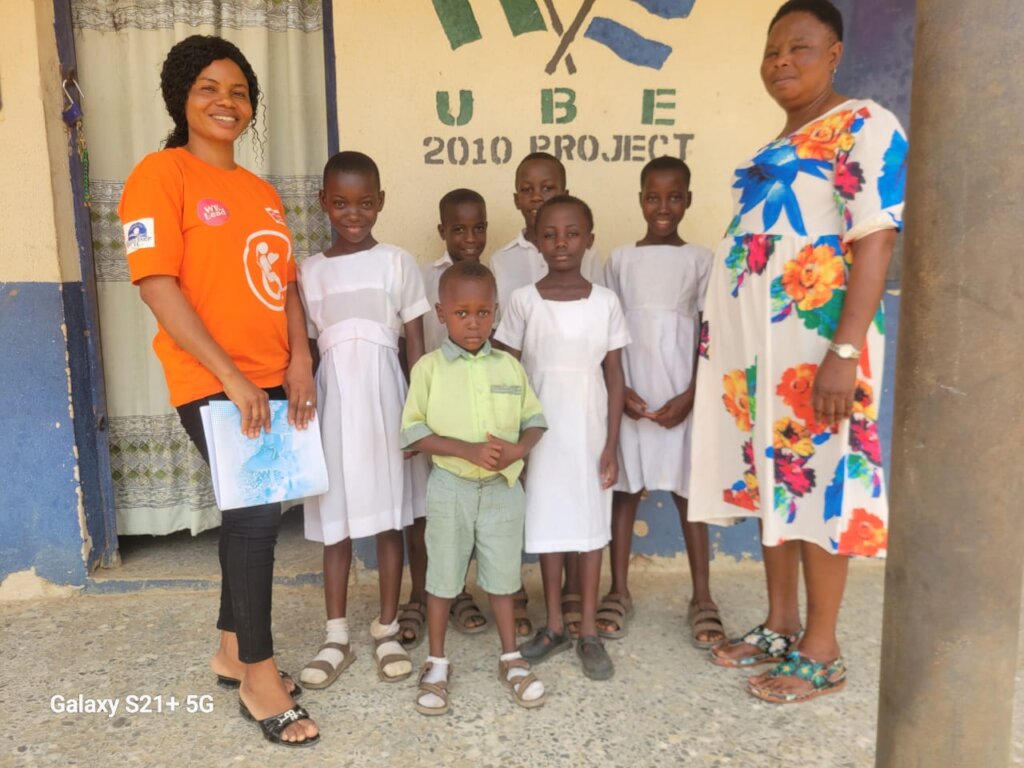
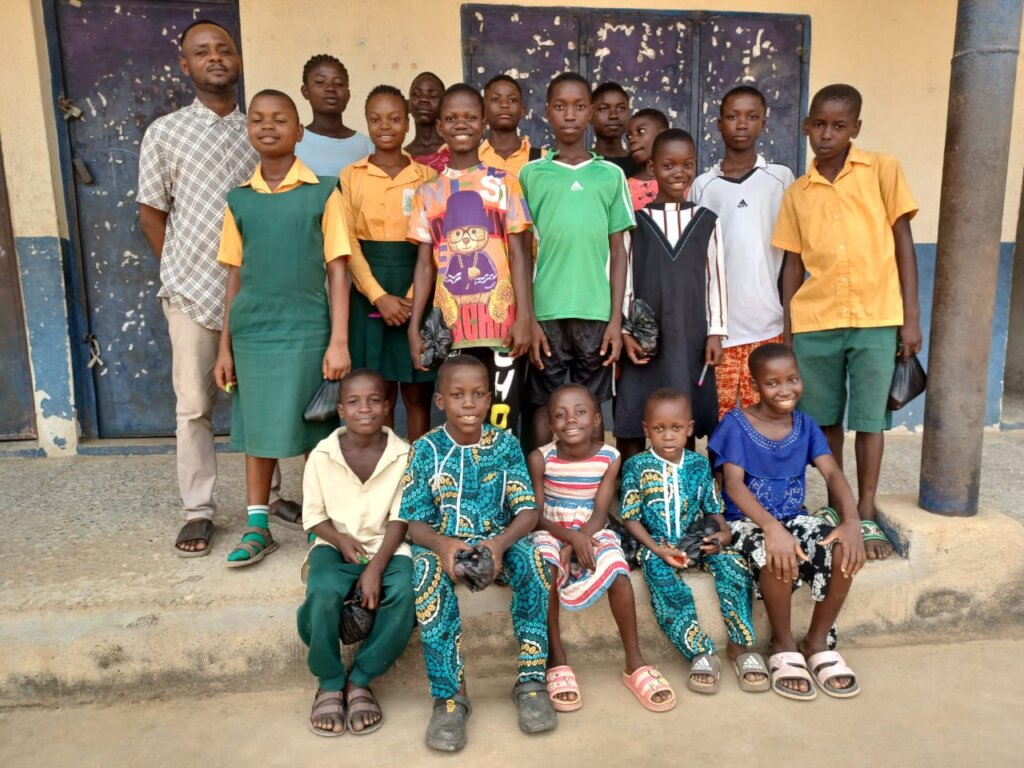
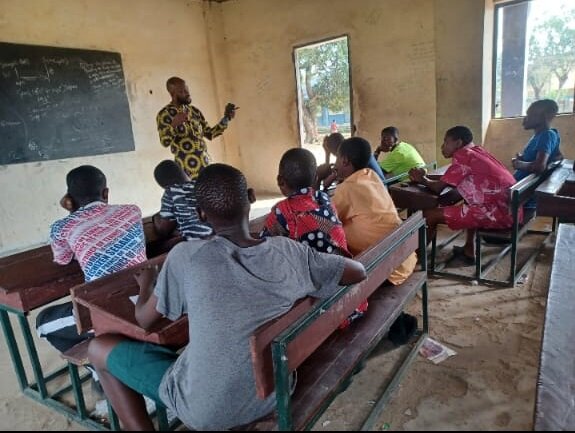
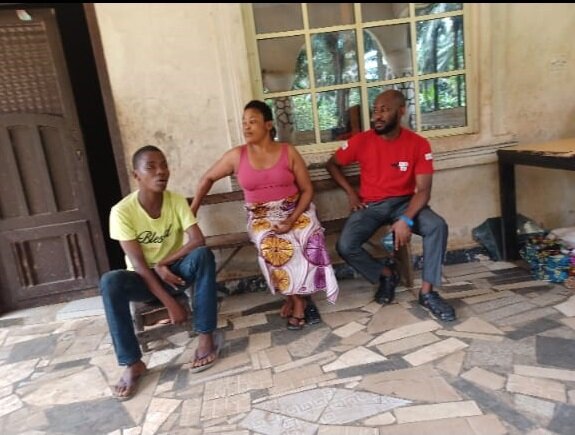
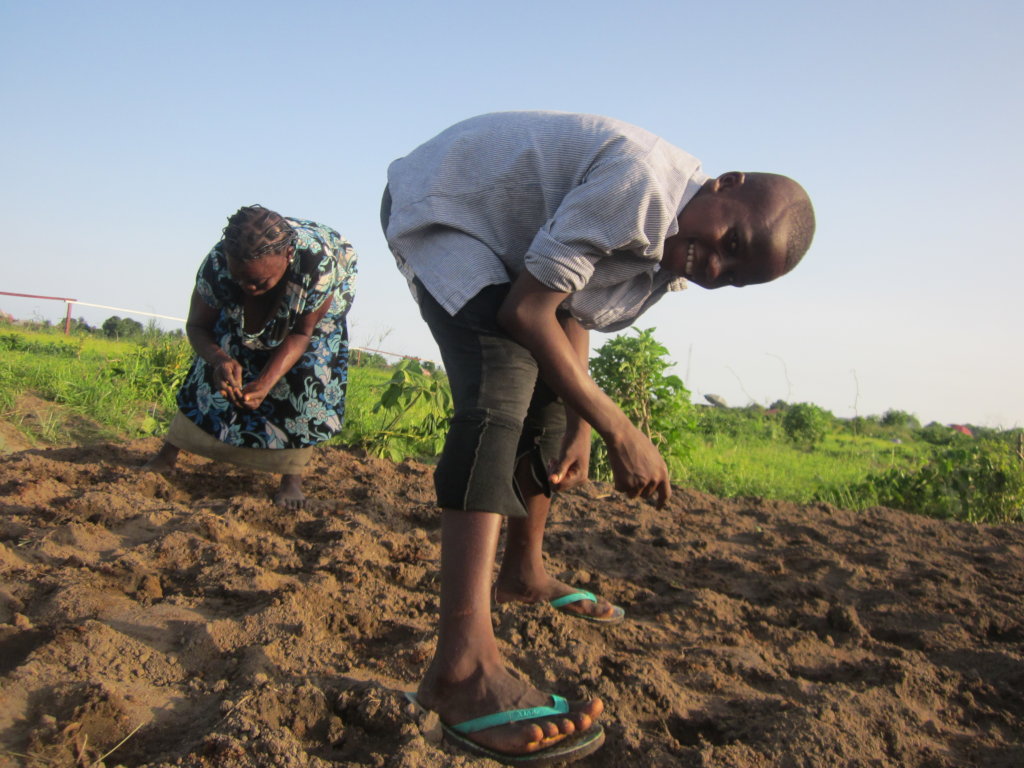
The pictures attached to this report were taken during the activities described, and consent was kindly obtained from all participants. We are pleased to share these moments as a reflection of the engagement, joy, and progress of the children and caregivers supported by the Foundation.
Next Steps
Despite prevailing funding constraints, the Professor Charles Effiong Foundation remains resolute in its commitment to improving the lives of orphans and vulnerable children. Building on the progress achieved during the reporting period, the Foundation will continue to strengthen its core interventions, including educational support, caregiver capacity building, psychosocial services, and household monitoring.
The Foundation is committed to scaling its impact by deepening existing programs and introducing targeted interventions such as academic support initiatives, caregiver livelihood programs, and enhanced psychosocial services. These efforts are designed to ensure long-term, sustainable outcomes for both children and their caregivers.
Reported by
Blessing Udoh
Program Assistant
Project reports on GlobalGiving are posted directly to globalgiving.org by Project Leaders as they are completed, generally every 3-4 months. To protect the integrity of these documents, GlobalGiving does not alter them; therefore you may find some language or formatting issues.
If you donate to this project or have donated to this project, you can receive an email when this project posts a report. You can also subscribe for reports without donating.



Support this important cause by creating a personalized fundraising page.
Start a Fundraiser