By Vivienne Azarcon | Development Manager
At Story Tapestries, literacy is more than learning to read and write. It is the ability to communicate an idea, understand another person’s perspective, build confidence, ask questions, and participate fully in school and community life. The arts give young people multiple ways to practice those skills - through story, movement, music, theatre, visual art, and spoken and written word.
This approach is at the heart of Write Your Story (WYS), Story Tapestries’ work to make learning more accessible and inclusive. Across Washington, DC, Maryland, and Virginia, the goal is simple but powerful: help children build strong literacy foundations while also supporting the adults who surround them - educators, caregivers, and community partners - so those skills can keep growing long after a single program ends.
Story Tapestries’ mission is to use the arts as a powerful tool to create accessible, open spaces where people can reach their highest potential and work together toward a more inclusive community. Our programs are intentionally custom-designed, using arts experiences to develop skills, connect people, elevate diverse voices, and celebrate the stories of children, families, adults, and seniors.
Why the Arts Make Literacy Come Alive
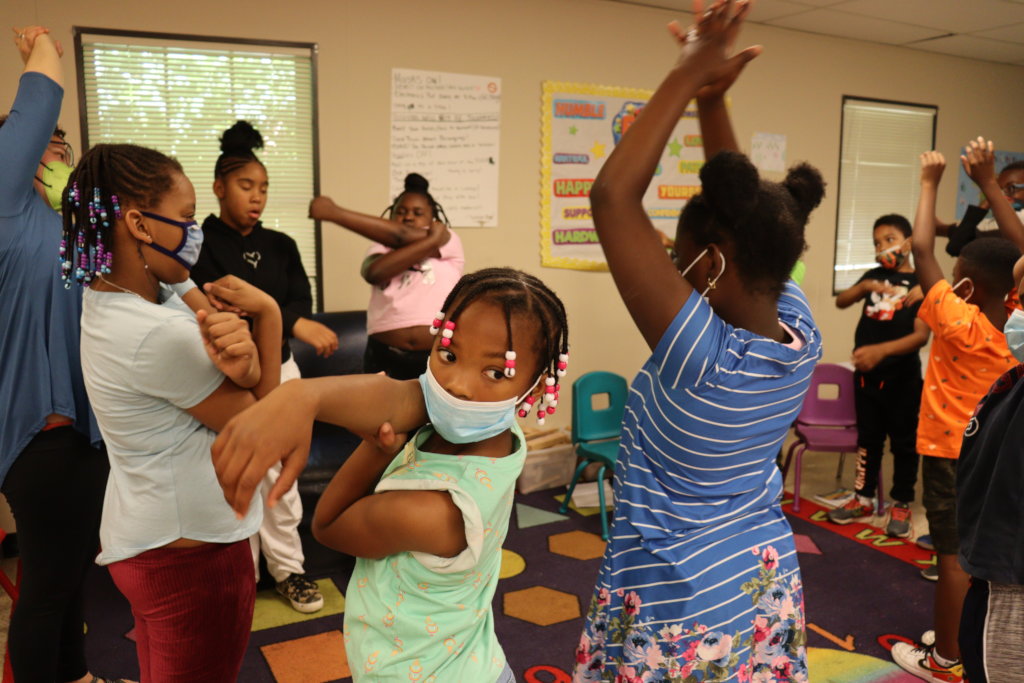
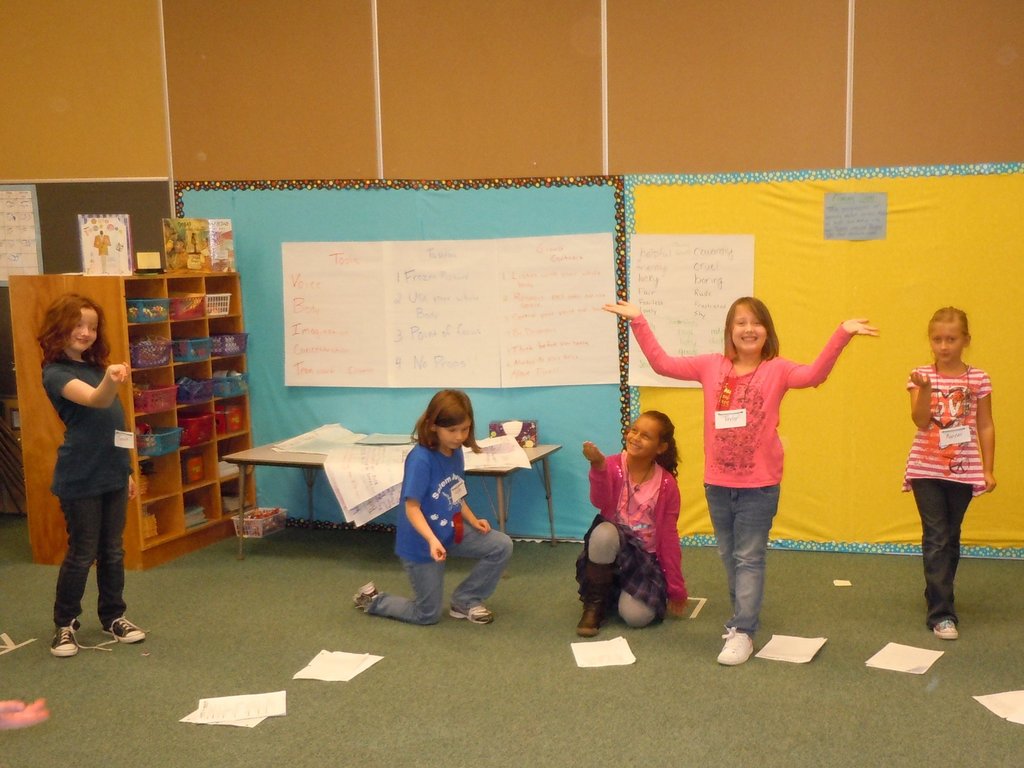
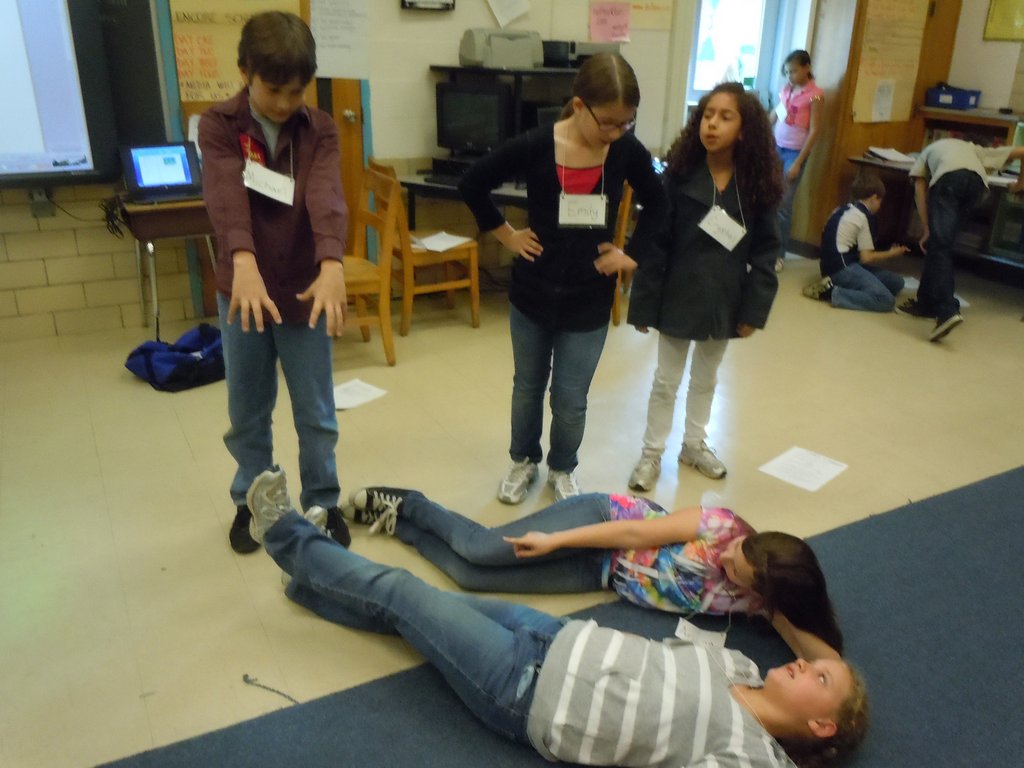
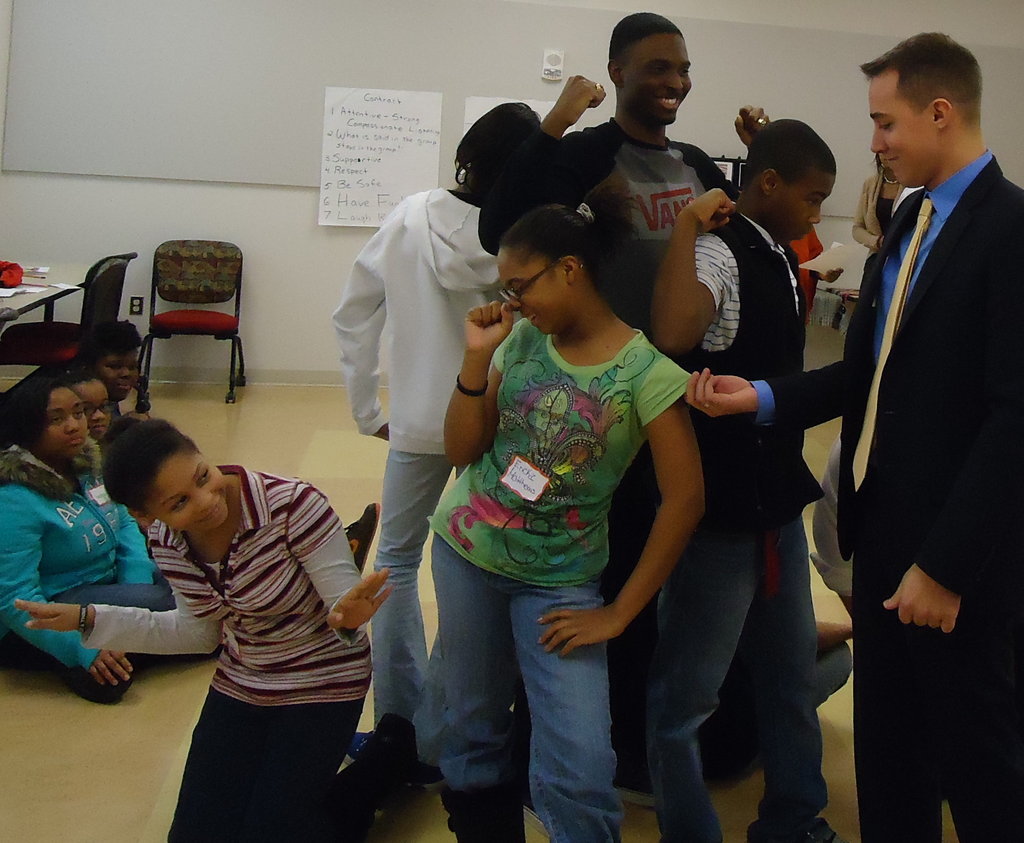
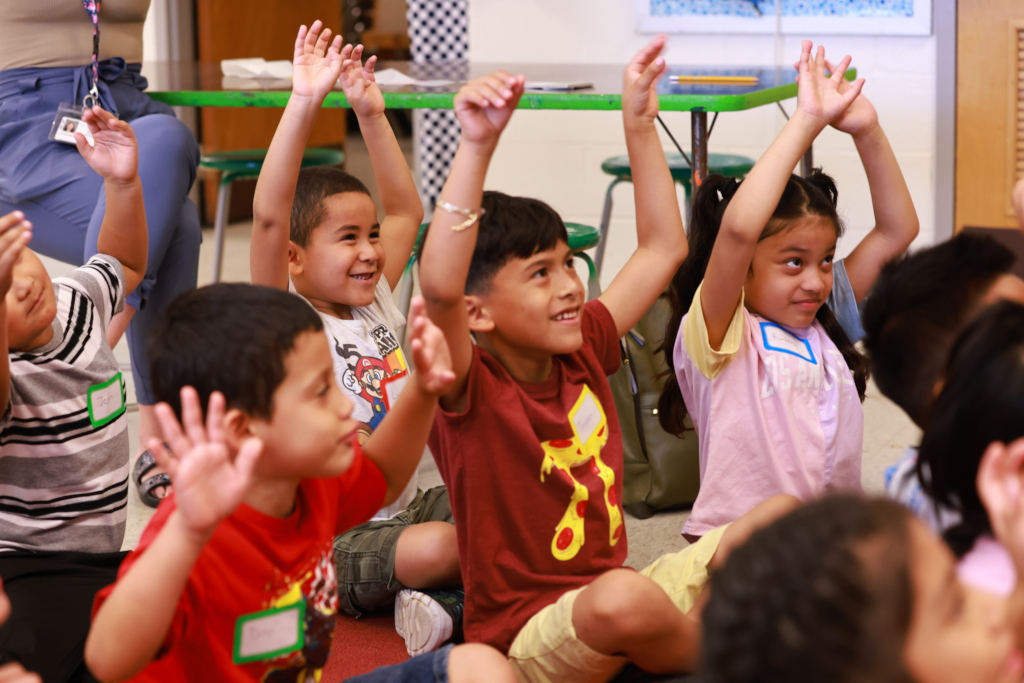
Arts-integrated literacy gives learners more than one doorway into language. A child can act out the beginning, middle, and end of a story before writing it down. Movement can make new vocabulary physical and memorable. Music and rhythm can reinforce sounds, phrasing, repetition, and oral fluency. Visual art can help a learner organize an idea before finding the words to explain it. Storytelling, theatre, and spoken word give students a reason to listen closely, sequence events, describe characters, interpret meaning, and speak with intention.
These strategies are especially valuable for learners who may not thrive with one traditional mode of instruction. Story Tapestries has long emphasized that arts experiences can break down barriers of language and disparities, increase cultural understanding, engage multiple senses, and create multiple means of expression so every learner has a voice.
The result is literacy instruction that is active, joyful, and connected to the learner. Students build confidence and pride in their own work, while educators gain practical strategies that can reinvigorate teaching and reach students with different strengths, abilities, languages, and learning styles.
Many Pathways Into Literacy
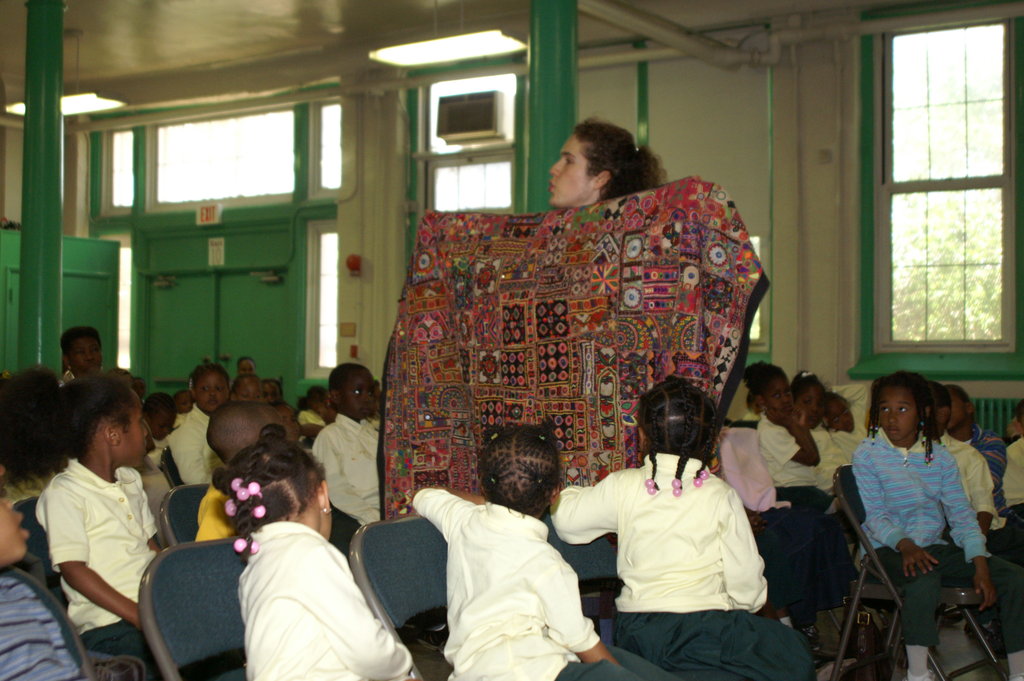
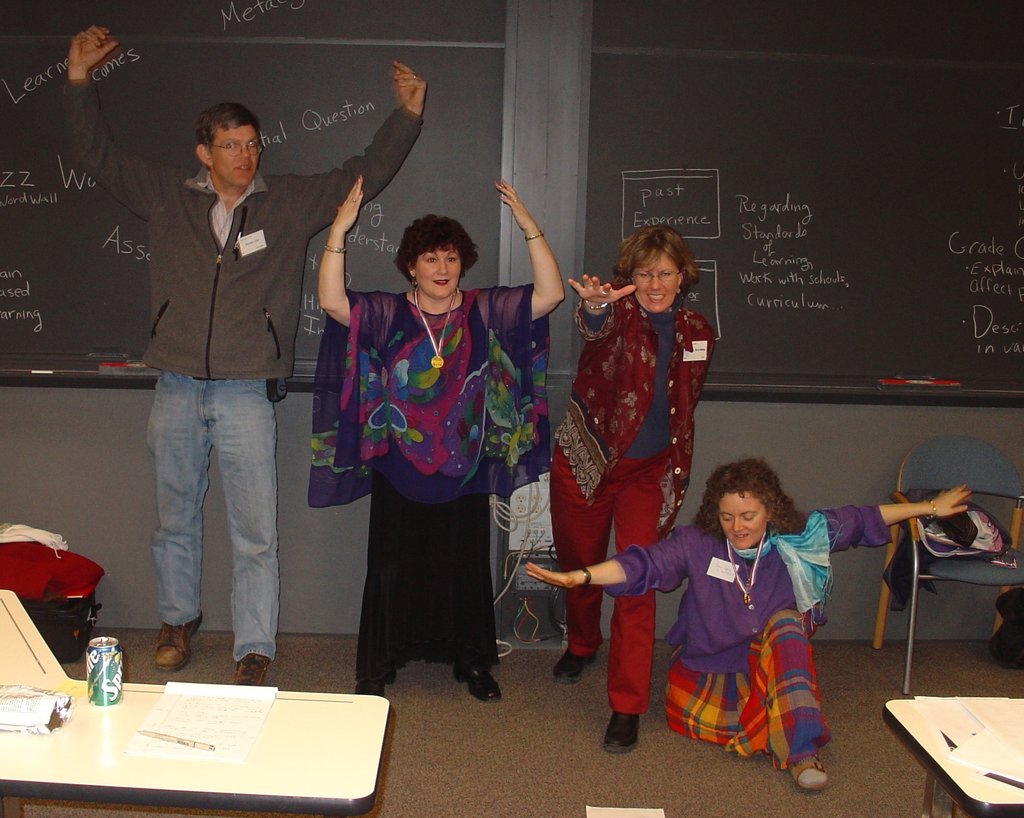
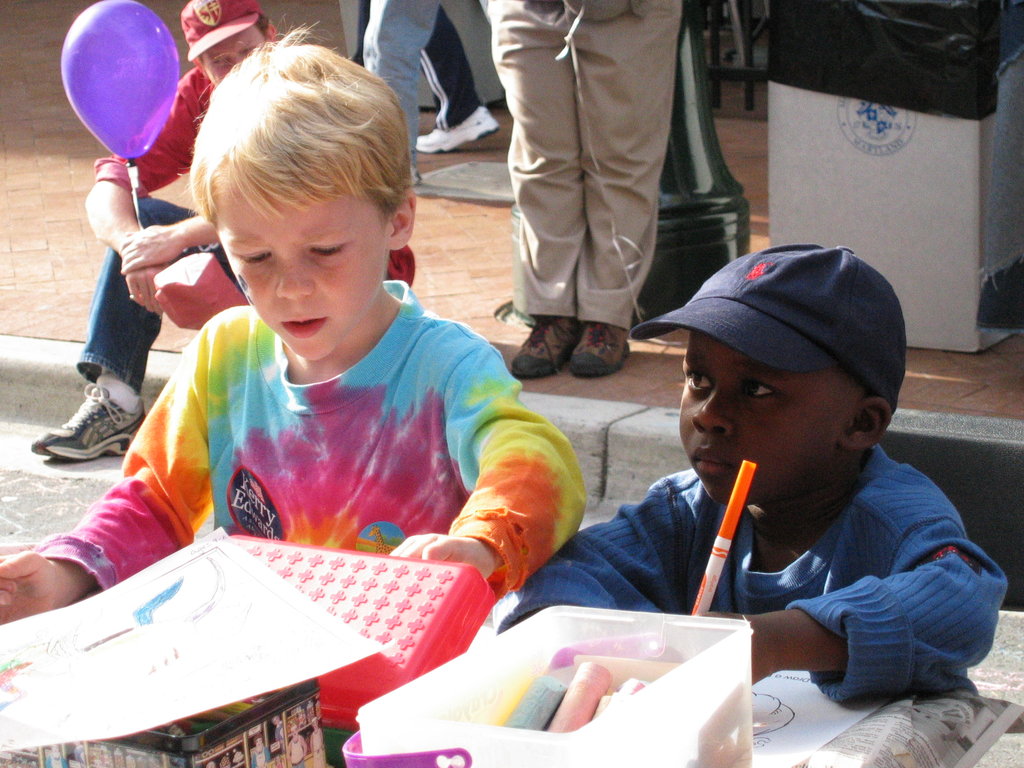
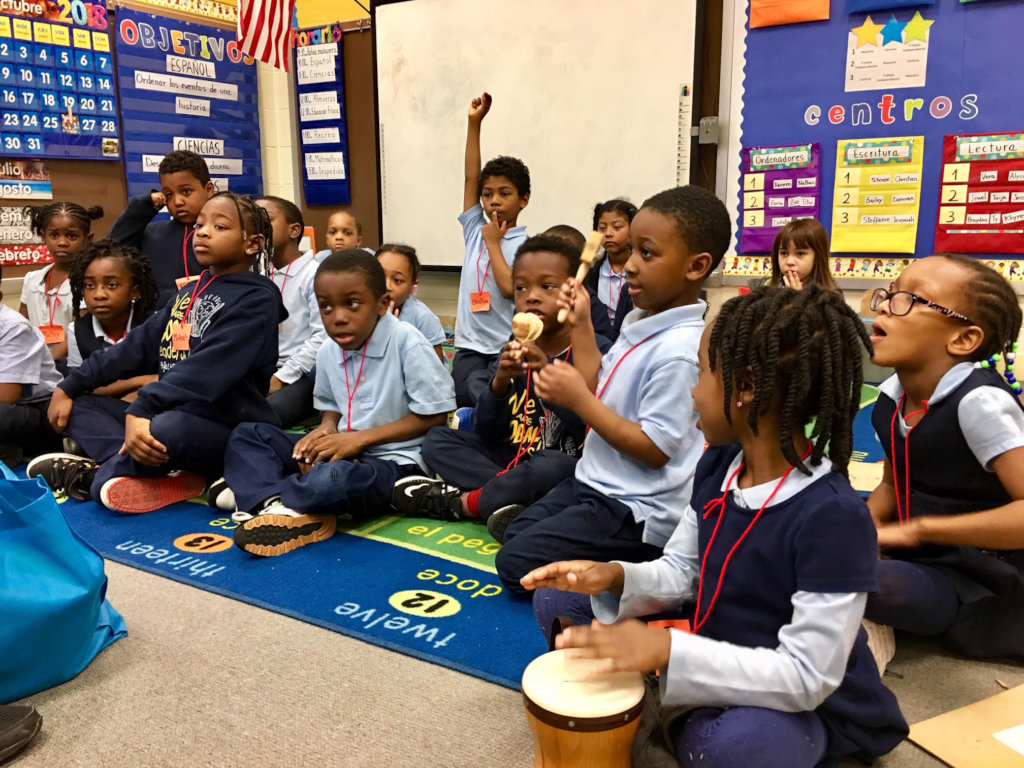
Story Tapestries uses the arts not as a single technique, but as a flexible set of literacy tools. In one classroom, students may embody vocabulary or story structure through movement and tableau. In another, they may use puppetry or theatre to explore character, point of view, and dialogue. Storytelling and spoken word strengthen oral language, listening, sequencing, and confidence, while visual art and journaling help learners organize ideas and reflect before they write.
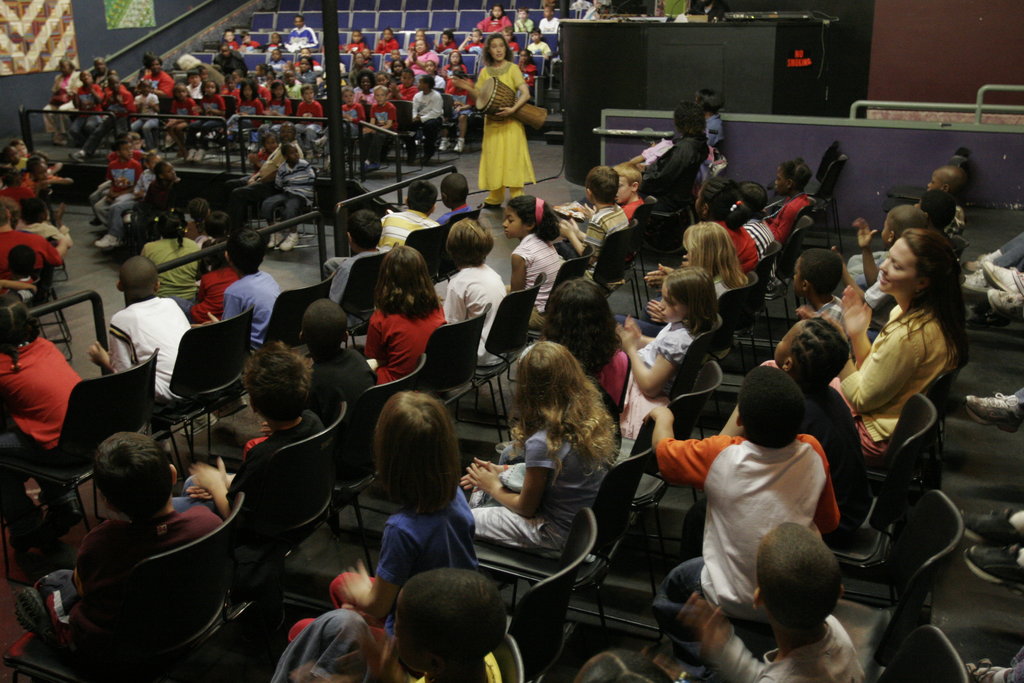
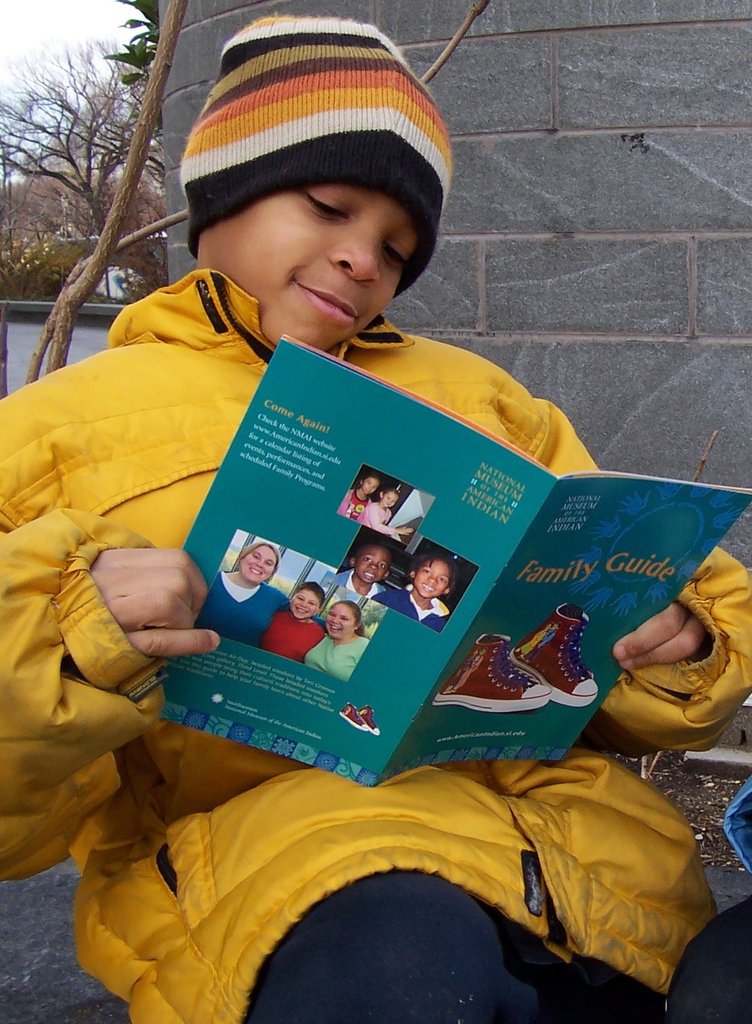
Performances can introduce a text or theme and give students a shared experience to discuss, analyze, and respond to. Artist-in-residencies provide repeated opportunities to practice those skills over time. After-school and summer programs create more informal spaces for reading, writing, and creative experimentation, while professional development helps educators carry arts-integrated strategies into everyday instruction. Family and community engagement activities extend literacy beyond school, inviting caregivers to use stories, conversation, movement, and art-making as part of learning at home.
This multi-sensory approach is particularly important for multilingual learners and students with different learning needs. By engaging the body, voice, imagination, and senses, arts experiences can reduce barriers to language, increase cultural responsiveness, and give learners multiple ways to understand and express meaning. The goal is not simply to produce a piece of art; it is to use the creative process to help every learner find an authentic way into reading, writing, speaking, listening, and thinking.
Write Your Story: Supporting the Whole Learning Community
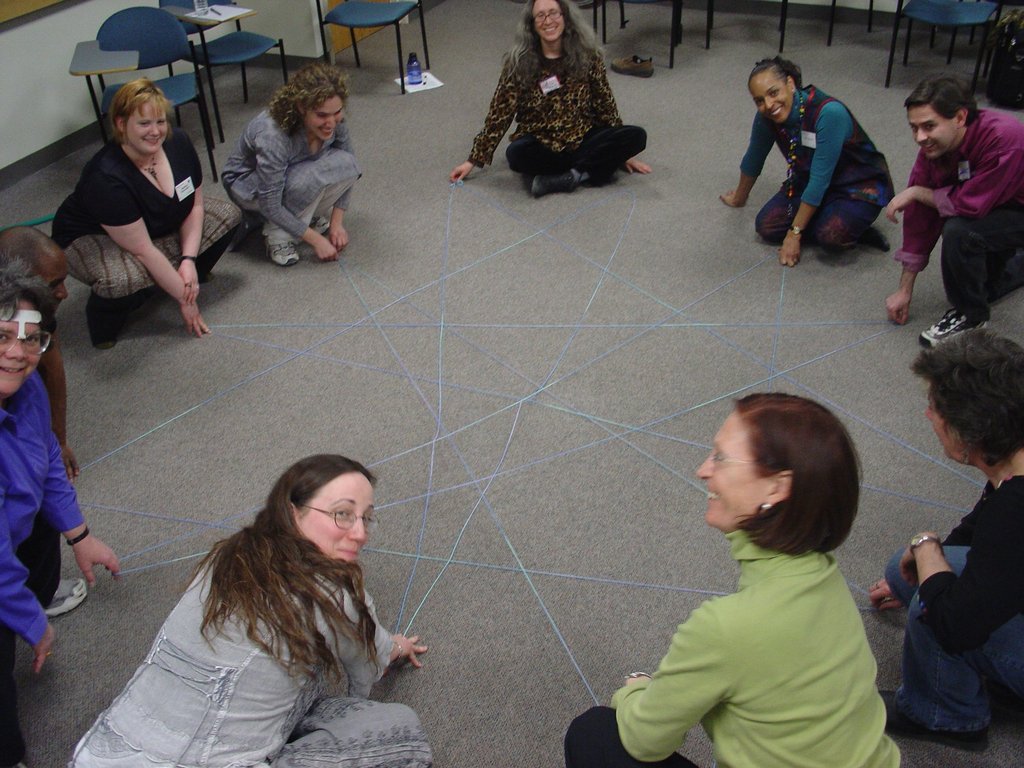
WYS reflects Story Tapestries’ belief that supporting a child from 360 degrees also means supporting the adults who interact with that child. Programming can include teaching-artist residencies in classrooms, literacy-focused performances, after-school and summer learning, professional development for educators, and family or community engagement experiences that extend learning beyond the school day. These varied settings allow literacy to be practiced through spoken and written word, performance, movement, visual expression, and collaborative art-making.
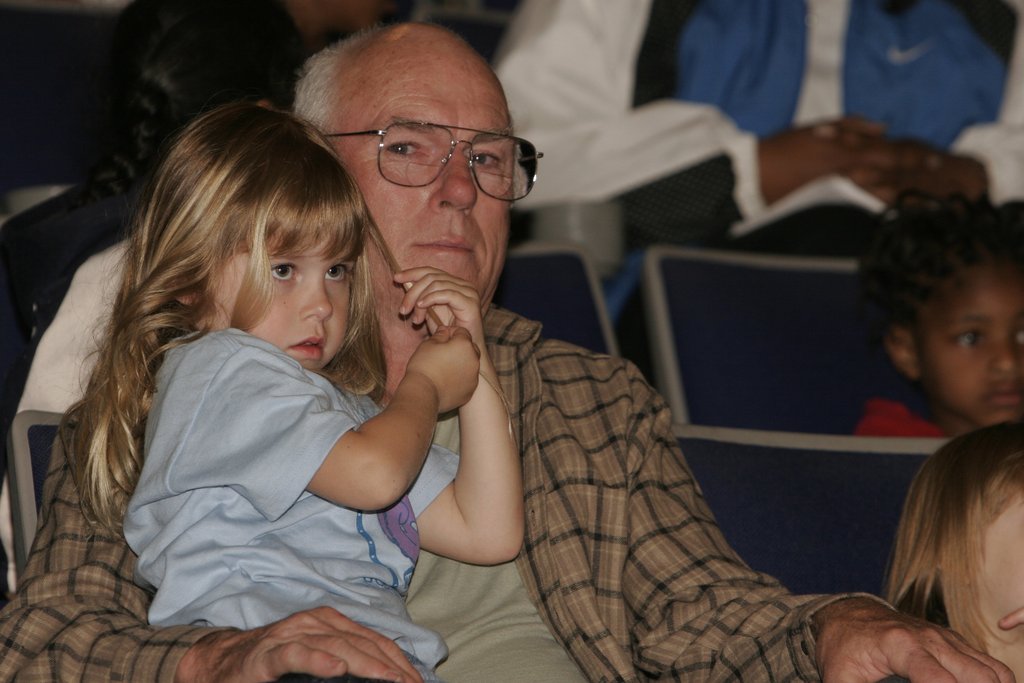
That combination matters. Teaching artists model arts-integrated strategies with students. Educators observe, practice, and adapt those approaches for their own classrooms. Caregivers gain accessible ways to encourage language, storytelling, creativity, and communication at home. Instead of treating literacy as one isolated subject, WYS helps create a connected environment in which children encounter language everywhere - in movement, play, conversation, art-making, reflection, and story.
Story Tapestries’ core value, Power of the Word, captures this philosophy: literacy creates conversation and learning and provides a foundation for growth in other academic areas, including STEAM. When children develop the confidence to express what they know, they are also strengthening the communication and critical-thinking skills they will need across subjects and throughout their lives.
2025: A Growing Community of Learners
In 2025, Story Tapestries reached more than 1.55 million people, including 650,261 children and 805,234 adults. More than 124,000 people participated in in-person education experiences. The schools we support also reflect the communities where equitable access matters most: on average, 67% of students qualify for free and reduced-price meals, and 48% speak English as a second language or have an identified disability.
Those numbers represent scale, but the deeper impact is what happens inside each interaction: a learner finding the words to explain an idea, a teacher discovering a new way to reach a student, or a caregiver realizing that a story told at the dinner table can become part of a child’s literacy development.
Community-Led Learning Starts With Listening
Strong literacy programs are not built by delivering a fixed solution to a community. They are built through relationships, trust, dignity, and shared ownership. The people closest to the learning experience - students, families, educators, and community partners - hold essential knowledge about what is working, what barriers remain, and what will make a program meaningful in their setting.
That is why Story Tapestries approaches its work as something created with communities, not simply for them. Listening and observing come first. Partners discuss needs and strengths, shape the design together, implement the work, evaluate what happened, and adapt. This process recognizes local people as co-creators rather than beneficiaries and makes room for community knowledge to guide the path forward.
Community-led work is also about agency. When people come together, recognize their collective strengths, and take action, the process itself builds capacity. A literacy strategy becomes more sustainable when a teacher can continue using it, a caregiver can adapt it at home, and a young person begins to see their own voice as a source of knowledge and possibility.
From One Story to a Lifelong Skill
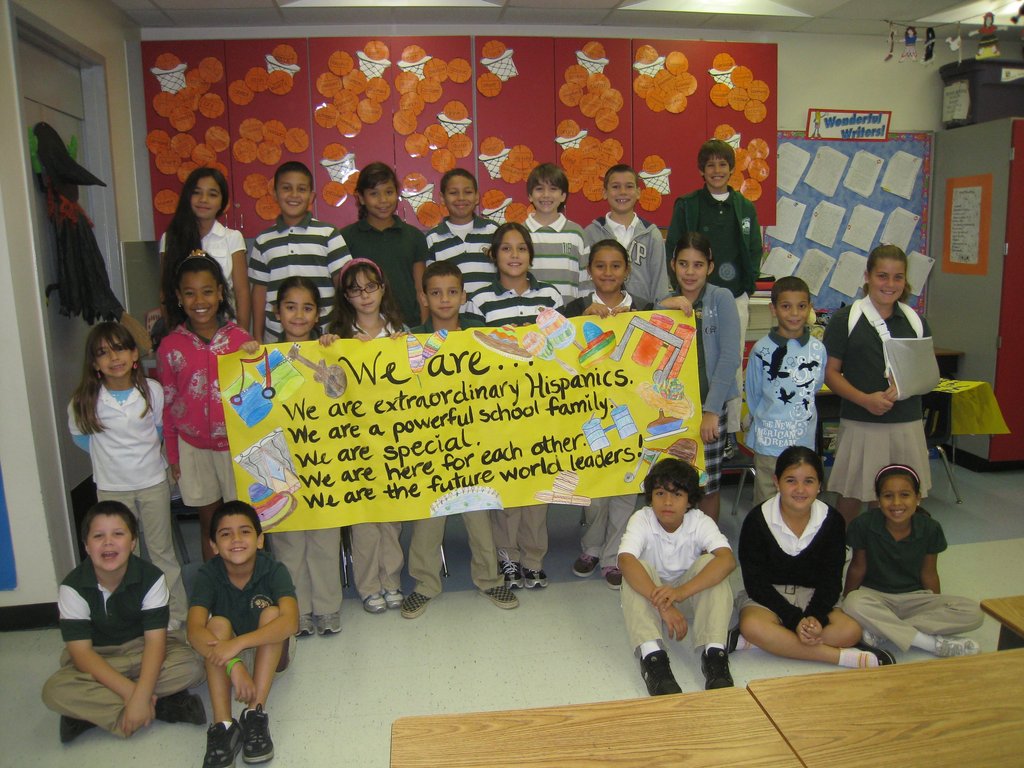
A story may begin as a classroom activity, but the skills behind it travel. A student who learns to sequence events is also learning to organize thought. A child who describes a character is practicing vocabulary and inference. A learner who performs their writing is developing fluency, confidence, and public speaking. A student who listens to a classmate is practicing empathy and comprehension at the same time.
These are the moments WYS is designed to multiply. By integrating the arts with literacy and surrounding young people with adults who understand how to support that learning, Story Tapestries helps create environments where literacy is not confined to a worksheet or reading block. It becomes a tool for discovery, communication, belonging, and participation.
Because of You
GlobalGiving’s support helps children experience literacy as something they can see, hear, move through, create, and make their own.
Thanks to GlobalGiving donors, students can build the confidence to tell their stories and share their ideas. Educators can learn strategies that reach more kinds of learners. Families can gain tools that make literacy part of everyday life. And schools and community partners can help shape programs that respond to the people they know best.
Most importantly, together we are creating something that lasts beyond an individual workshop or residency. When skills, relationships, and ownership remain within the community, creative experiences and growth can ripple outward - from a child, to a classroom, to a family, to a school, and into the world.
Together, we are helping young people become stronger readers, writers, communicators, thinkers, and storytellers - and ensuring that every voice has an opportunity to be heard.
Thank you for helping Story Tapestries teach literacy through the arts - and for helping communities build learning environments where every story matters.
Story Tapestries: https://storytapestries.org
Links:
By Arianna Ross | Founder & CEO
By Arianna Ross | Founder & CEO
Project reports on GlobalGiving are posted directly to globalgiving.org by Project Leaders as they are completed, generally every 3-4 months. To protect the integrity of these documents, GlobalGiving does not alter them; therefore you may find some language or formatting issues.
If you donate to this project or have donated to this project, you can receive an email when this project posts a report. You can also subscribe for reports without donating.



Support this important cause by creating a personalized fundraising page.
Start a Fundraiser