Introduction
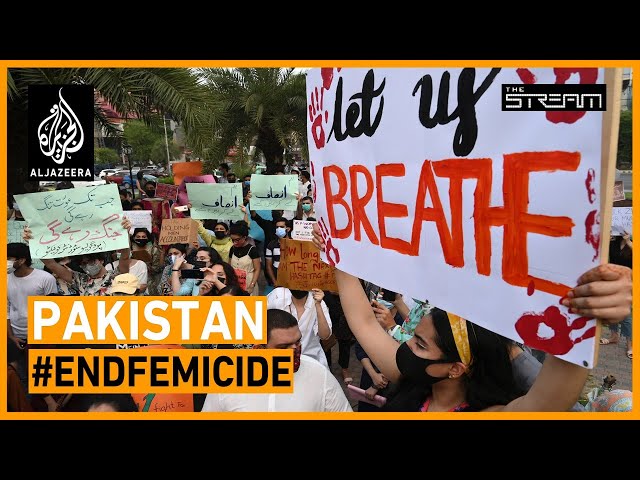
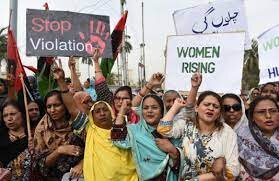
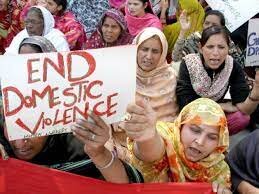
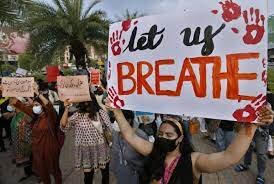
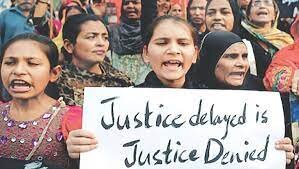
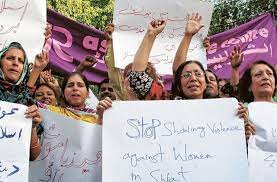
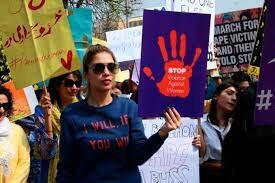
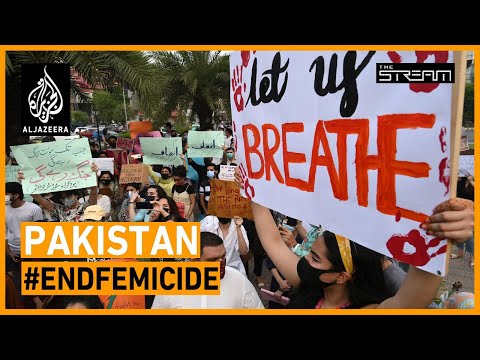
The Balochistan Rural Development Program (BRDP) is dedicated to addressing and combating violence against women in Pakistan. Our project, "Stop Violence Against Women in Pakistan," aims to provide essential support, resources, and advocacy for women affected by violence. This initiative is currently featured on the GlobalGiving platform, an esteemed online fundraising site, where we aim to raise $27,327. To date, we have raised $673 and remain committed to reaching our financial goal.
Project Objectives
Our project has several key objectives:
- Raise Awareness: Educate communities about the prevalence and impact of violence against women.
- Provide Support Services: Offer immediate assistance to victims, including legal aid, counseling, and shelter.
- Build Capacity: Train local volunteers and community leaders to identify and respond to violence.
- Advocate for Policy Change: Engage with policymakers to strengthen laws protecting women.
Progress and Utilization of Funds
Despite the limited funds raised so far, we have made significant progress in several key areas. The $673 raised has been carefully utilized to support our core activities:
Awareness Campaigns
We have launched a series of awareness campaigns aimed at educating communities about the issue of violence against women. These campaigns have included:
- Workshops and Seminars: Organized educational sessions in various communities to discuss the impact of violence and the importance of gender equality.
- Informational Materials: Distributed pamphlets, brochures, and posters highlighting the rights of women and the services available to them.
- Media Engagement: Collaborated with local media to broadcast messages that promote women's rights and condemn violence.
Support Services
A crucial part of our project is providing immediate support to victims of violence. Our efforts in this area include:
- Legal Assistance: Offering legal aid to women seeking justice against their abusers.
- Counseling Services: Providing psychological support to help victims cope with trauma.
- Shelter Provision: Ensuring that victims have access to safe temporary accommodation.
Training Programs
To create a sustainable support network, we have conducted training programs for local volunteers and community leaders. These programs focus on:
- Identification and Reporting: Training individuals to recognize signs of violence and report cases to authorities.
- Support Techniques: Educating volunteers on providing emotional and practical support to victims.
- Advocacy Skills: Equipping community leaders with the skills to advocate for women's rights and influence local policy.
Partnerships and Collaborations
We have initiated partnerships with local NGOs, law enforcement agencies, and healthcare providers to create a comprehensive support system for victims. These collaborations are vital for:
- Holistic Care: Ensuring victims receive medical, legal, and psychological assistance.
- Resource Sharing: Leveraging resources and expertise from various organizations to enhance our support services.
- Policy Advocacy: Working together to influence policy changes that protect women's rights.
Challenges and Future Plans
While we are proud of the progress made, several challenges persist. The primary challenge is the significant gap between our current funds and the target amount. However, we remain committed to achieving our goal through the following strategies:
Enhanced Fundraising Efforts
To bridge the funding gap, we plan to:
- Broaden Our Audience: Reach out to international donors and organizations that support women's rights.
- Social Media Campaigns: Leverage social media platforms to increase visibility and attract more donors.
- Fundraising Events: Organize events such as charity walks, auctions, and benefit concerts to raise funds and awareness.
Community Engagement
Increasing community involvement is crucial for the success of our project. Our plans include:
- Volunteer Mobilization: Encouraging local communities to participate in our initiatives through volunteer work and local fundraising efforts.
- Community Dialogues: Hosting discussions and forums to involve community members in identifying solutions and supporting victims.
- Educational Programs: Implementing continuous educational programs to foster a culture of respect and equality.
Monitoring and Evaluation
To ensure the effectiveness and transparency of our efforts, we will implement a robust monitoring and evaluation framework:
- Progress Tracking: Regularly assess the progress of our activities and their impact on the community.
- Impact Measurement: Use qualitative and quantitative methods to measure the impact of our interventions.
- Feedback Mechanisms: Establish channels for receiving feedback from beneficiaries and stakeholders to improve our services.
Advocacy and Policy Influence
Advocating for stronger laws and policies to protect women from violence remains a key component of our project. Our plans include:
- Policy Engagement: Engaging with policymakers to push for legislative changes that protect women's rights.
- Stakeholder Collaboration: Working with other NGOs, activists, and community leaders to form a unified front for advocacy.
- Public Campaigns: Launching public campaigns to garner support for policy changes and raise awareness about existing laws.
Conclusion
The "Stop Violence Against Women in Pakistan" project is a critical initiative that requires ongoing support and commitment. The funds raised so far have been pivotal in laying the groundwork for our activities, but much more needs to be done. We remain focused on reaching our target of $27,327 and continuing our work to create a safer and more equitable environment for women in Pakistan.
![Share on Twitter]()
![Share on Facebook]()