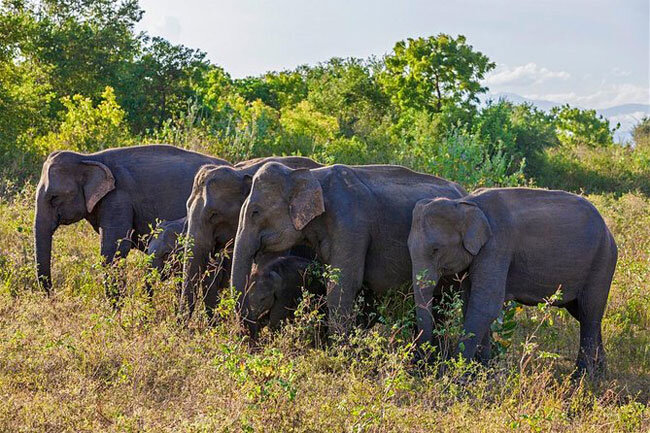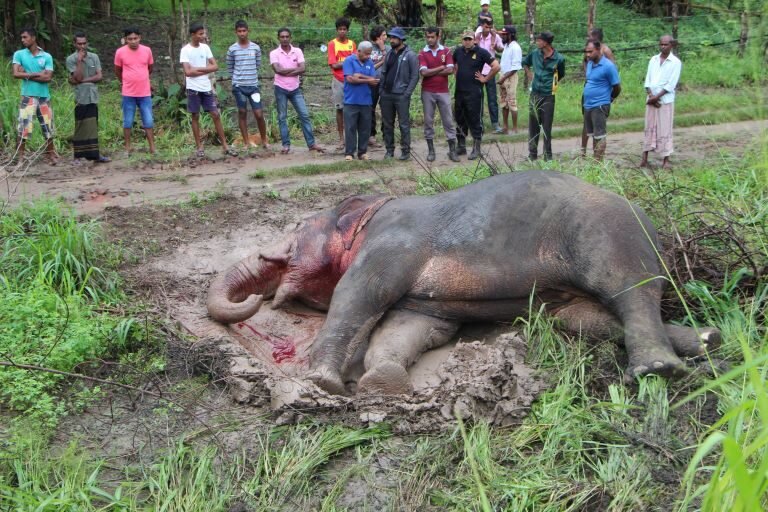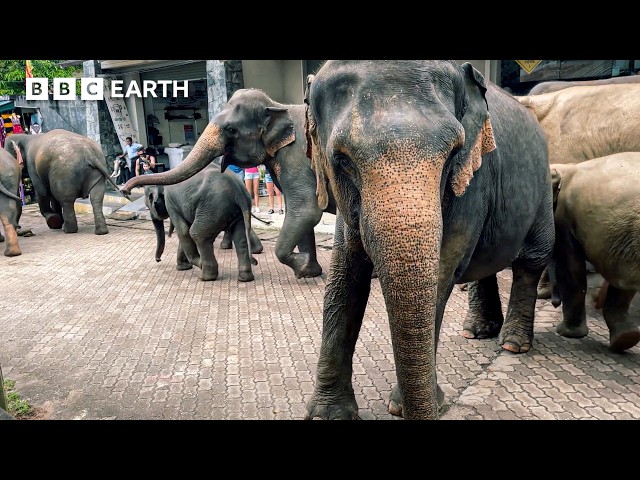
This project addresses the Human-Elephant Conflict (HEC) in Sri Lanka's North Central Province, where a higher number of elephants die to human cruelties,such as electrocution, tusk hunting, Jaw-bombs, explosive foods and even dying by railway accidents.We aim to install an effective elephant-repellent system,which has already been tested and proven successful.The system works by generating a frequency that repels elephants without causing them harm,reducing deaths and human cruelty to elephants
Human-Elephant Conflict (HEC) in Sri Lanka refers to the ongoing struggle between humans and elephants for space and resources, resulting in damage to property, crops, and even loss of life for both humans and elephants. It's a major conservation issue, impacting both the endangered Sri Lankan elephant and the livelihoods of rural communities. Key Aspects of Human-Elephant Conflict in Sri Lanka: Causes: HEC is primarily driven by habitat loss and fragmentation due to human development.
We aim to install an effective elephant-repellent system, which has already been tested and proven successful. The system works by generating a frequency that repels elephants without causing them harm, reducing deaths and human cruelty to the elephants, who are named as an endangered species. This initiative supports welfare biology by minimizing cruelty against elephants through innovative, non-harmful methods. The project will be piloted in North Central Province of Sri Lanka.
Release more land for elephants to range without being fenced in national parks. Reduce human elephant conflicts. Help to facilitate the establishment of safe corridors, ECAs, and MERs for elephant movement. Help farmers to realize the economic potential of the elephant for their wellbeing. Obtain local support for the long-term conservation of the Sri Lankan elephant.
This project has provided additional documentation in a PDF file (projdoc.pdf).



Support this important cause by creating a personalized fundraising page.
Start a Fundraiser