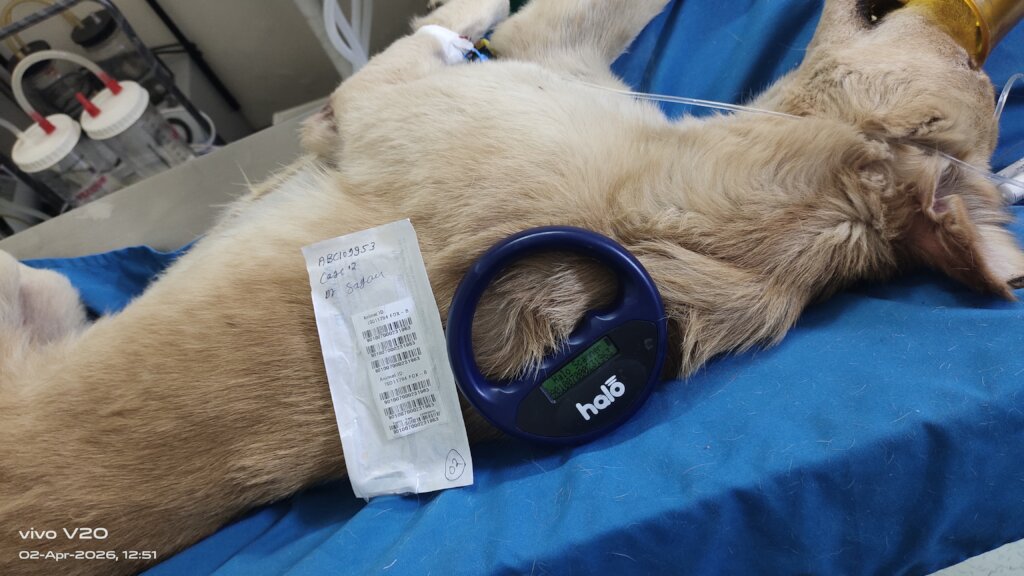
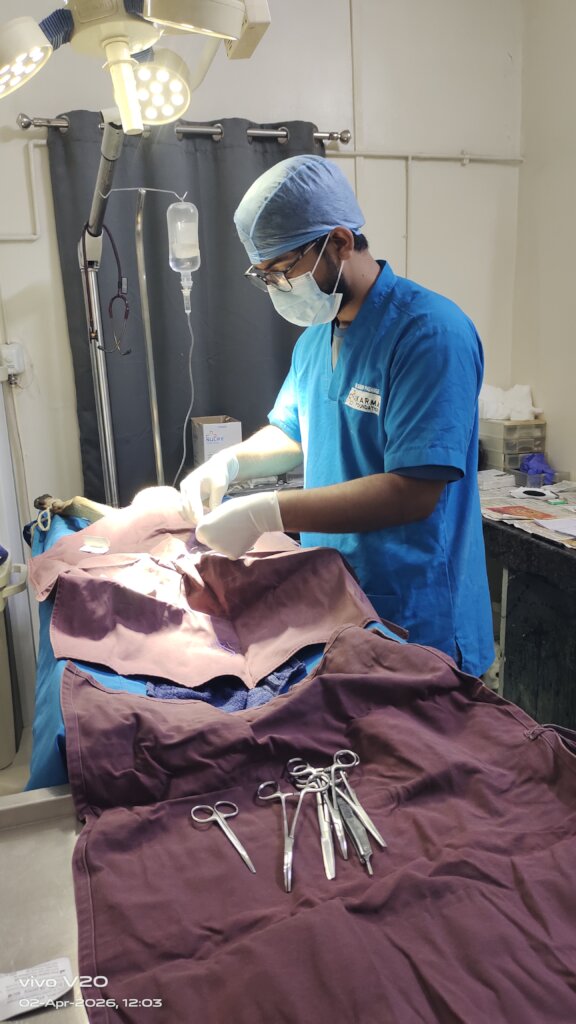
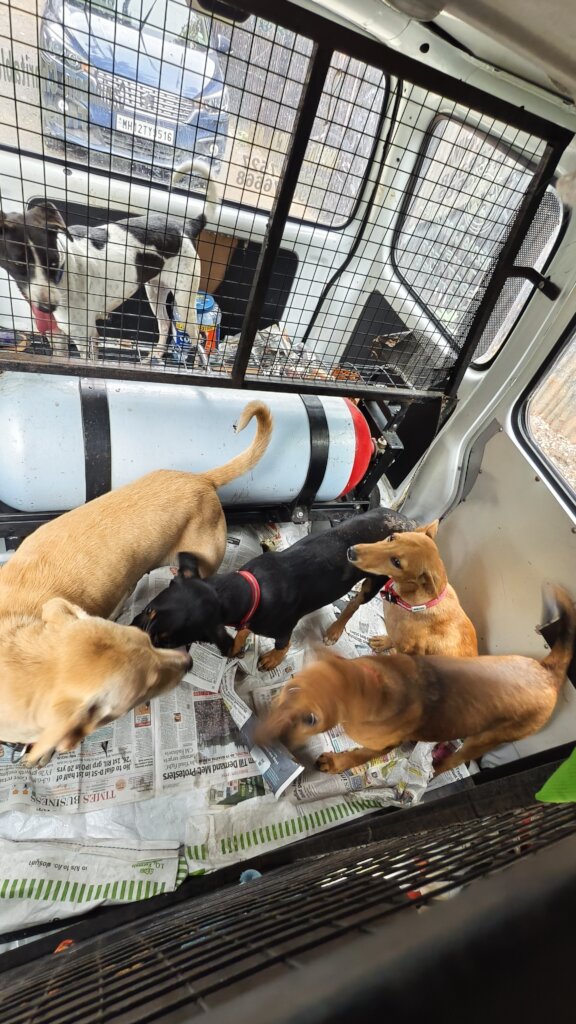
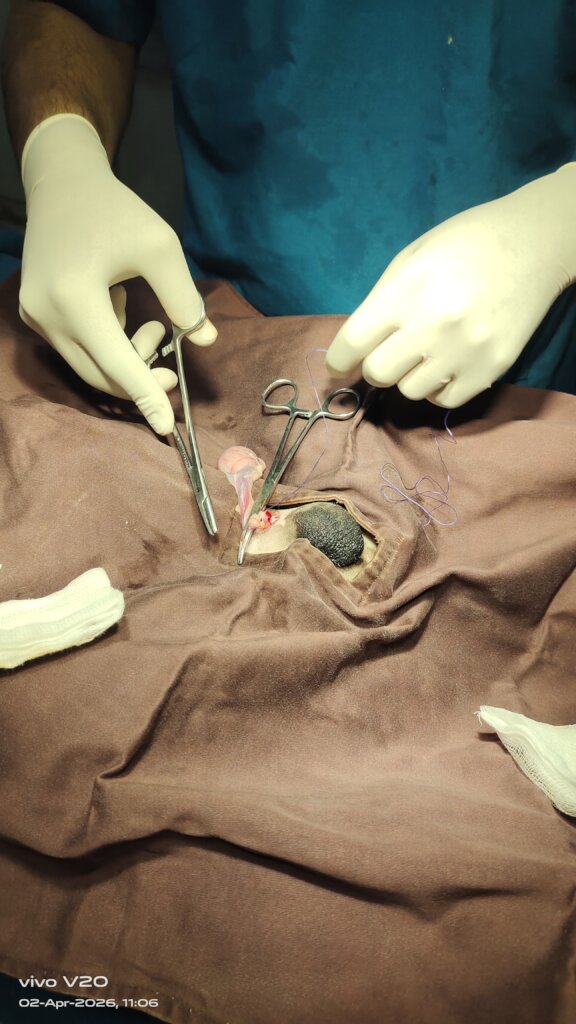
This project aims to humanely control India's growing stray dog population through large-scale sterilization, reducing human-animal and animal-animal conflict. Each dog is vaccinated against rabies and microchipped, ensuring tracking and long-term impact. Aligned with the World Health Organization "Zero by 30" mission, sustained efforts can help eliminate rabies, improve public safety, and create a more compassionate environment for both animals and communities.
India faces a growing stray dog population due to uncontrolled breeding and limited sterilization efforts. This leads to rising human-animal conflict, dog bites, and animal suffering from fights and disease. Low rabies vaccination coverage increases public health risks. Lack of identification like microchipping causes duplication and inefficiency. Without sustained action aligned with the World Health Organization "Zero by 30" goal, the cycle continues.
This project addresses the issue through large-scale, humane sterilization to control population growth and reduce conflicts. Every dog is vaccinated against rabies and microchipped for tracking, preventing duplication and ensuring coverage. With consistent, area-wise implementation aligned with the World Health Organization "Zero by 30" goal, it builds a stable, healthier stray population, reducing rabies risk and creating safer communities.
In the long term, this project will create a stable, vaccinated, and non-breeding stray dog population, significantly reducing dog bites, rabies cases, and street conflicts. Communities will become safer, while animal suffering declines. With sustained efforts aligned with the World Health Organization "Zero by 30" goal, India can move towards eliminating rabies, improving public health, and building a more humane and balanced coexistence between people and animals.
This project has provided additional documentation in a PDF file (projdoc.pdf).



Support this important cause by creating a personalized fundraising page.
Start a Fundraiser