By Vivienne Azarcon | Development Manager
Learning Full STEAM Ahead
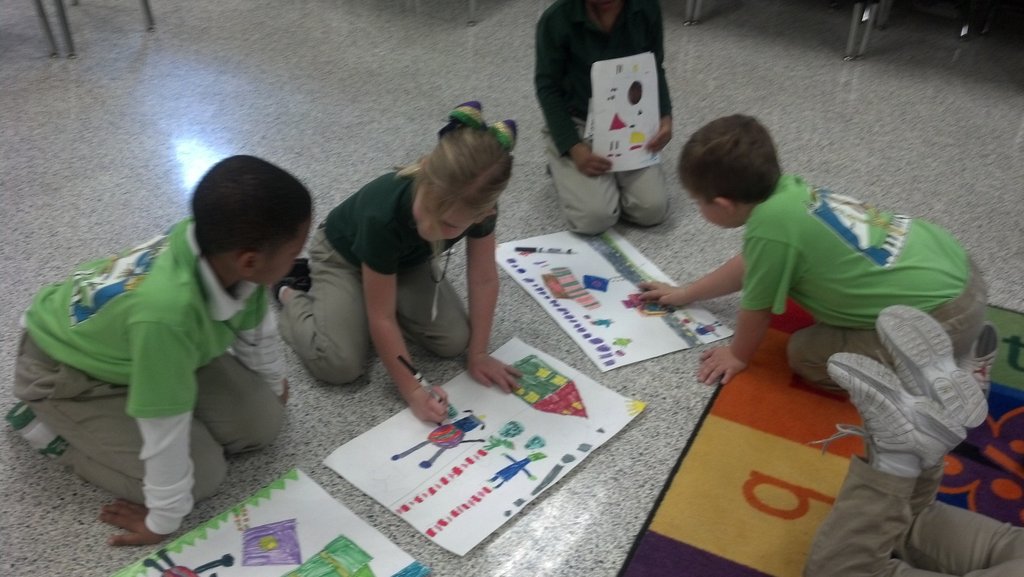
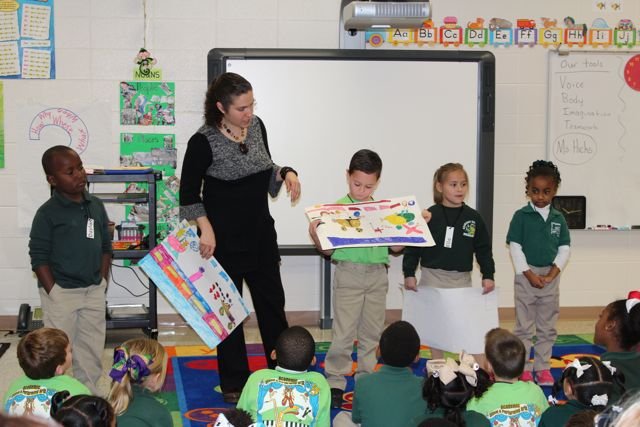
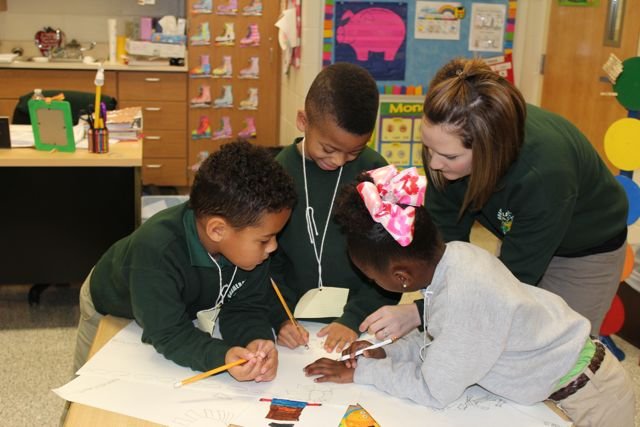
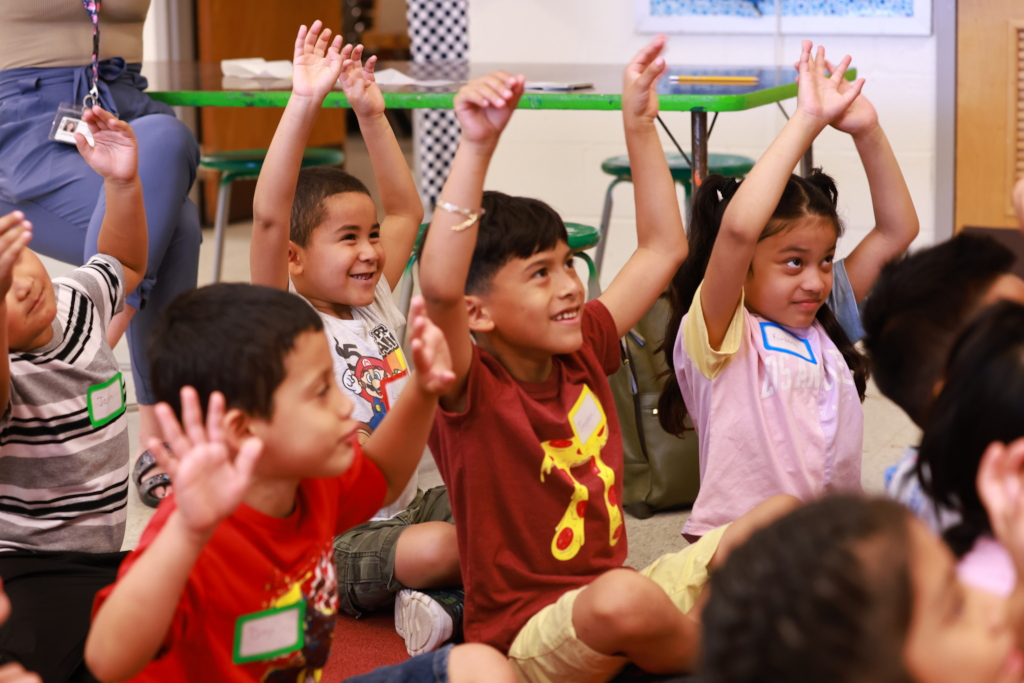
For Story Tapestries, integrating the arts into STEM is about much more than making a lesson more creative. It is about creating an experiential learning environment in which children can use movement, language, visual thinking, storytelling, collaboration, and hands-on exploration to make sense of complex ideas.
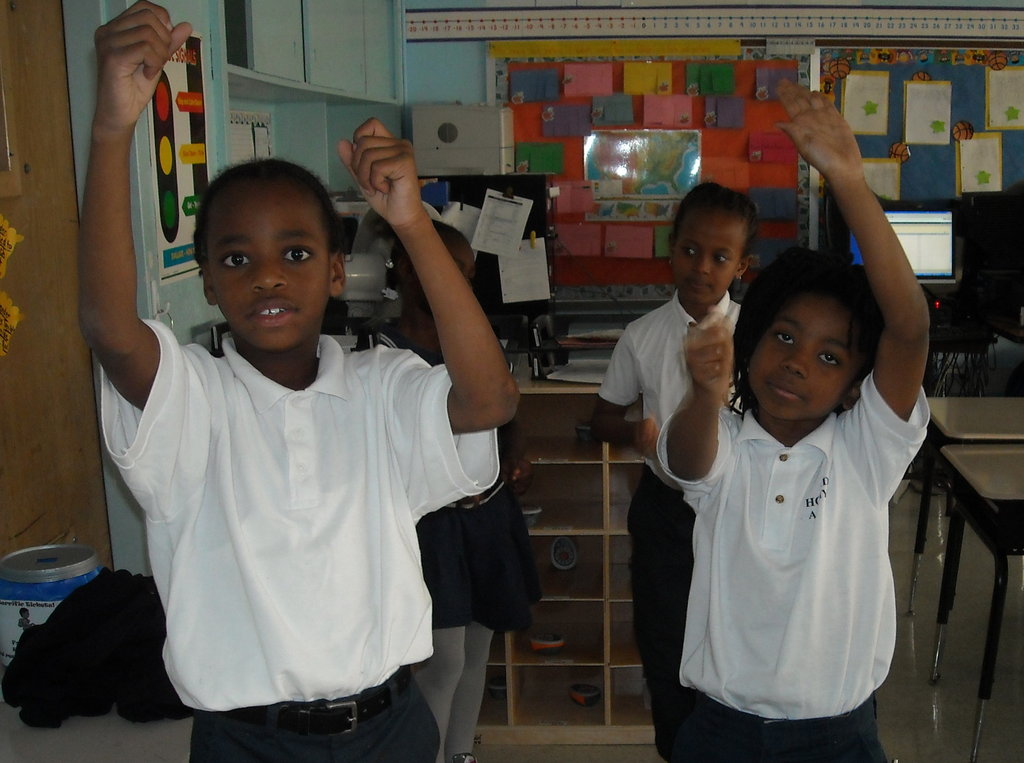
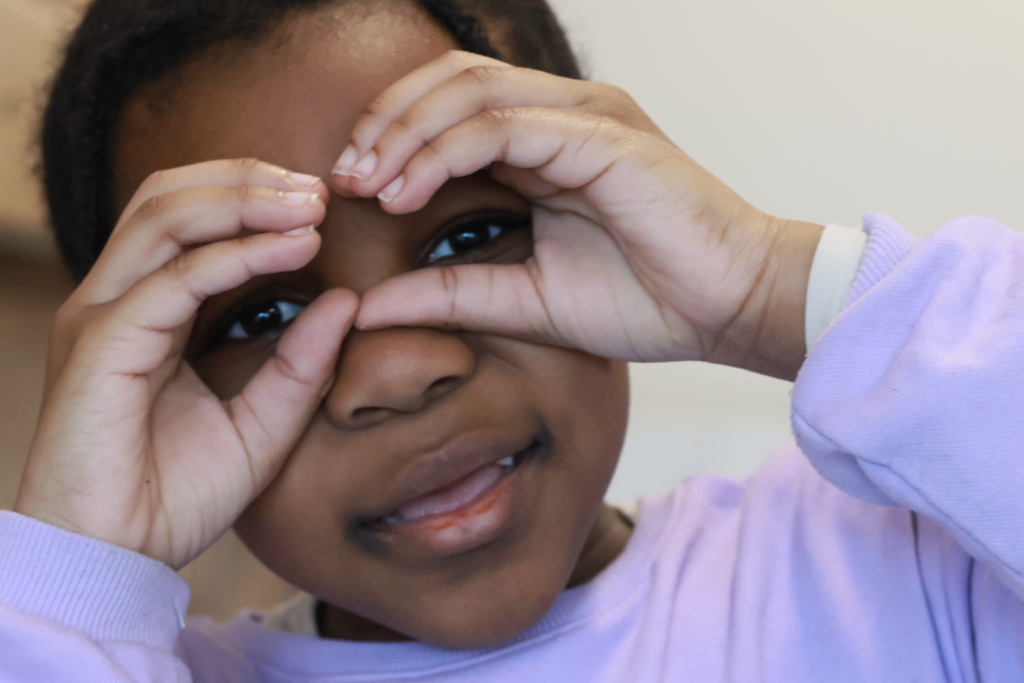
When a child moves to demonstrate a scientific concept, creates a visual representation of an idea, tells the story of how they solved a problem, or writes about what happened during an experiment, that child is practicing communication, critical thinking, creativity, collaboration, and reflection at the same time.
And those skills reach far beyond a single STEM lesson.
A learner who becomes comfortable asking Why? may become more willing to investigate a problem.
A learner who can explain How I figured this out begins to see themselves as someone whose thinking matters.
A learner who hears another student’s approach discovers that there may be more than one way to solve a problem.
These experiences help children develop not only academic skills, but agency—the understanding that they can contribute ideas, make choices, work with others, and participate in shaping solutions.
That is also what community-led learning looks like at its best: people discovering their own strengths, learning from one another, and recognizing their collective capacity to create change.
At Story Tapestries, we believe some of the most powerful learning happens when subjects are not taught in isolation. Literacy strengthens a young person’s ability to ask questions, communicate ideas, and reflect on discoveries. STEM encourages learners to experiment, solve problems, and imagine new possibilities. The arts bring these skills together by giving students multiple ways to explore, create, communicate, and understand the world around them.
In fact, some of our strongest literacy work has always had STEAM—Science, Technology, Engineering, Arts, and Math—at its foundation. Authentic STEAM learning asks students to research, investigate, build, test, and revise, but it also asks them to write, reflect, explain, and tell the story of what they have discovered. Whether students are developing a narrative or solving an engineering challenge, they are practicing many of the same essential skills: curiosity, critical thinking, creativity, communication, and the confidence to share their ideas.
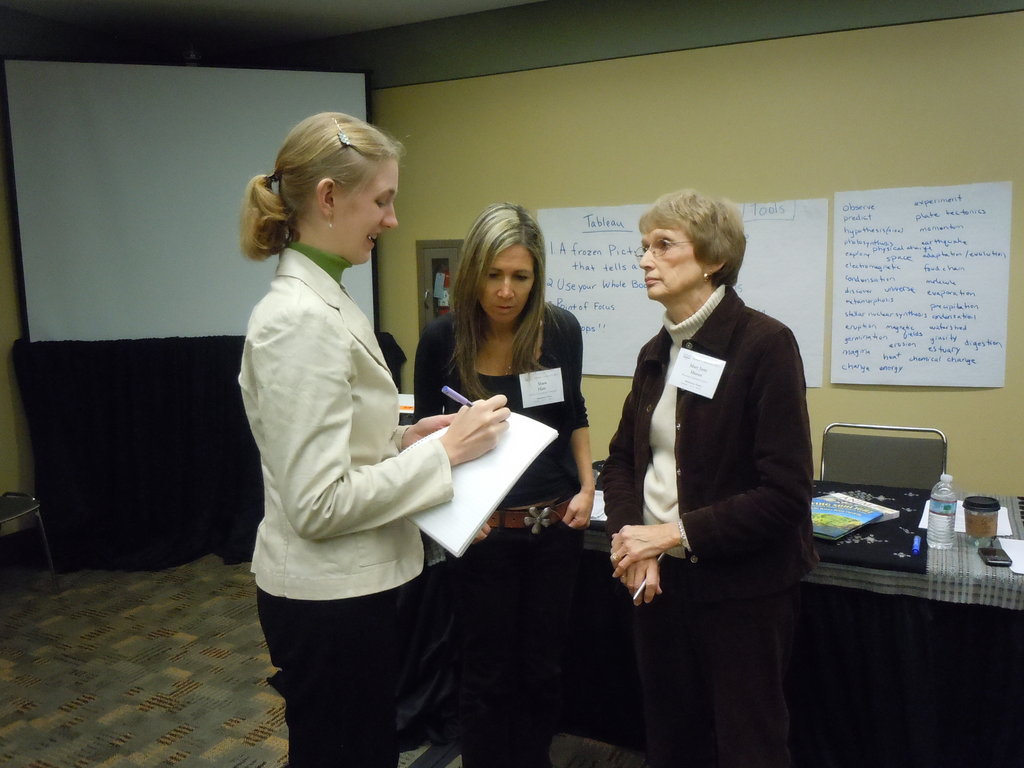
Through our Write Your Story: Literacy and STEM Strategies, Best Practices for Integrating Curricula initiative, Story Tapestries is helping young learners and the adults who support them experience exactly this kind of connected learning.
Because of You
Your support helps make this kind of learning possible.
Because of you, young students can experience literacy and STEM as something active, creative, and connected to their own questions and ideas. Educators gain new tools for reaching learners with different strengths, abilities, and ways of engaging. Families receive strategies that help curiosity and learning continue at home.
Just as importantly, your support allows us to build this work through partnership rather than prescription—listening to communities, valuing local knowledge, building trust, and creating opportunities for educators, families, and young people to participate meaningfully in the learning process.
Because these approaches remain with educators and families long after an individual residency has ended, your investment continues to ripple outward—from one lesson, to one classroom, to an entire school community.
Together, we are helping children become curious thinkers, confident communicators, creative problem-solvers, and lifelong learners. And we are helping create learning communities in which people are not simply participants in someone else’s solution, but partners in imagining and building what comes next.
Thank you for helping Story Tapestries move learning Full STEAM Ahead.
Links:
By Arianna Ross | Founder & CEO
By Arianna Ross | Founder & CEO
Project reports on GlobalGiving are posted directly to globalgiving.org by Project Leaders as they are completed, generally every 3-4 months. To protect the integrity of these documents, GlobalGiving does not alter them; therefore you may find some language or formatting issues.
If you donate to this project or have donated to this project, you can receive an email when this project posts a report. You can also subscribe for reports without donating.



Support this important cause by creating a personalized fundraising page.
Start a Fundraiser