By Lyan Sebeke-Lebengwa | Education & STEAM Hub Advisor
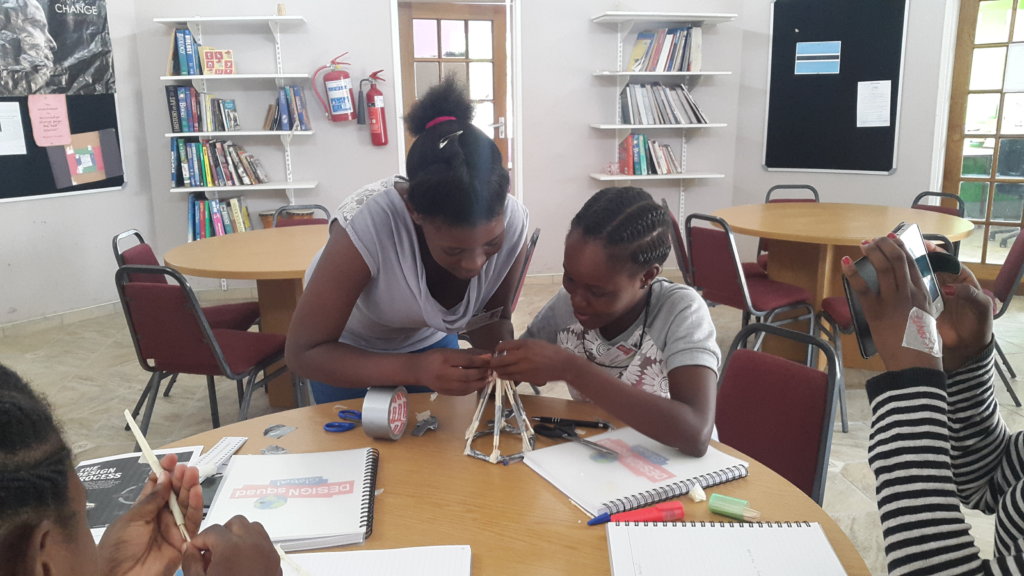
As part of our practical and educational activities with in-school participants, a series of hands-on science experiments was conducted, designed to make learning more engaging, practical, and meaningful. The activities provided participants with an opportunity to move beyond theory and experience scientific concepts through observation, experimentation, discussion, and teamwork. They also demonstrated that meaningful science learning does not always require sophisticated equipment, as many concepts can be explored using simple, readily available materials.
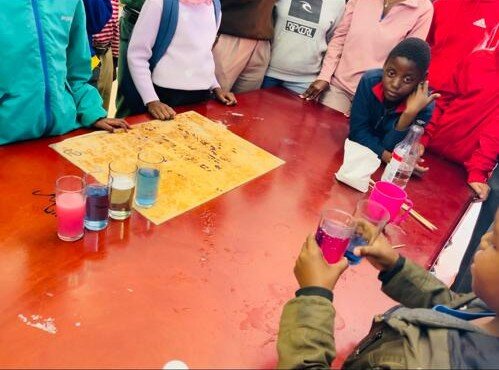
Participants explored three experiments. The Red Cabbage pH Indicator Experiment introduced them to acids and bases using red cabbage juice as a natural indicator. By adding substances such as vinegar, lemon juice, soap and water, participants observed different colour changes and learned how indicators can help identify whether substances are acidic or alkaline. The activity encouraged them to make predictions, observe results and discuss their findings.
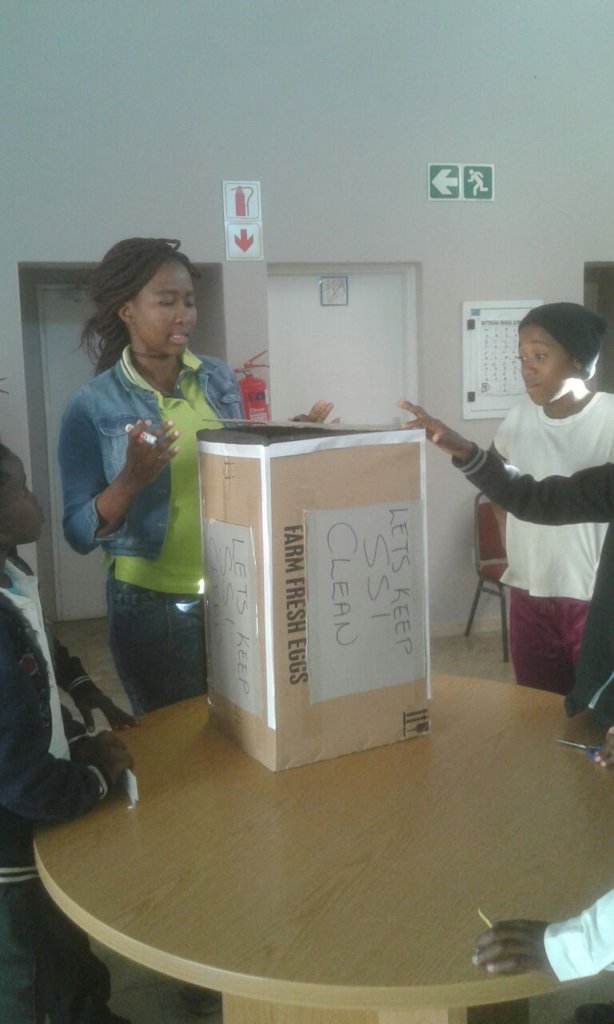
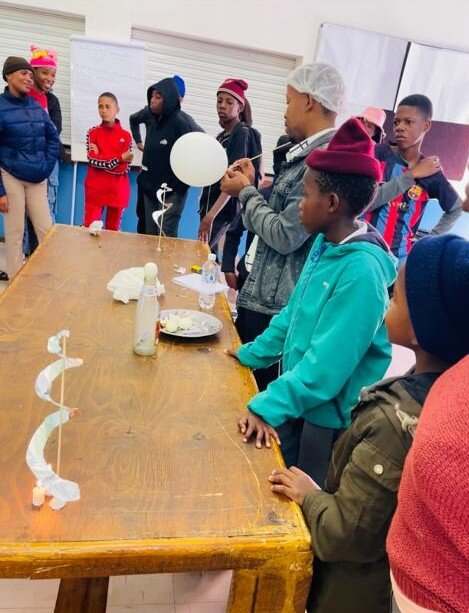
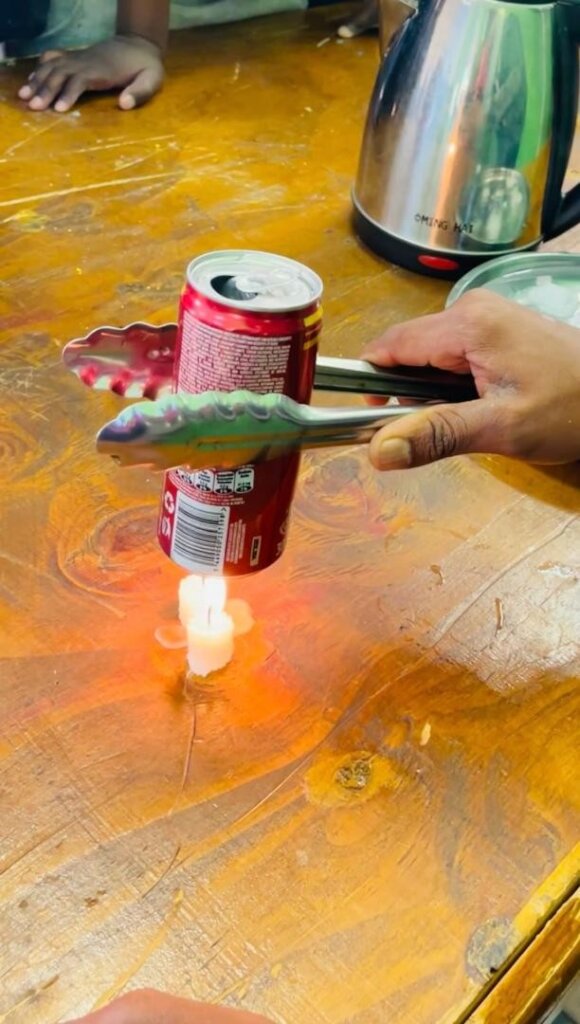
The Can Balancing Experiment introduced participants to balance, stability and centre of gravity. By experimenting with the position and distribution of weight, participants discovered why some objects remain balanced while others fall. This simple activity encouraged them to test different ideas, observe outcomes and understand how scientific principles influence everyday objects.
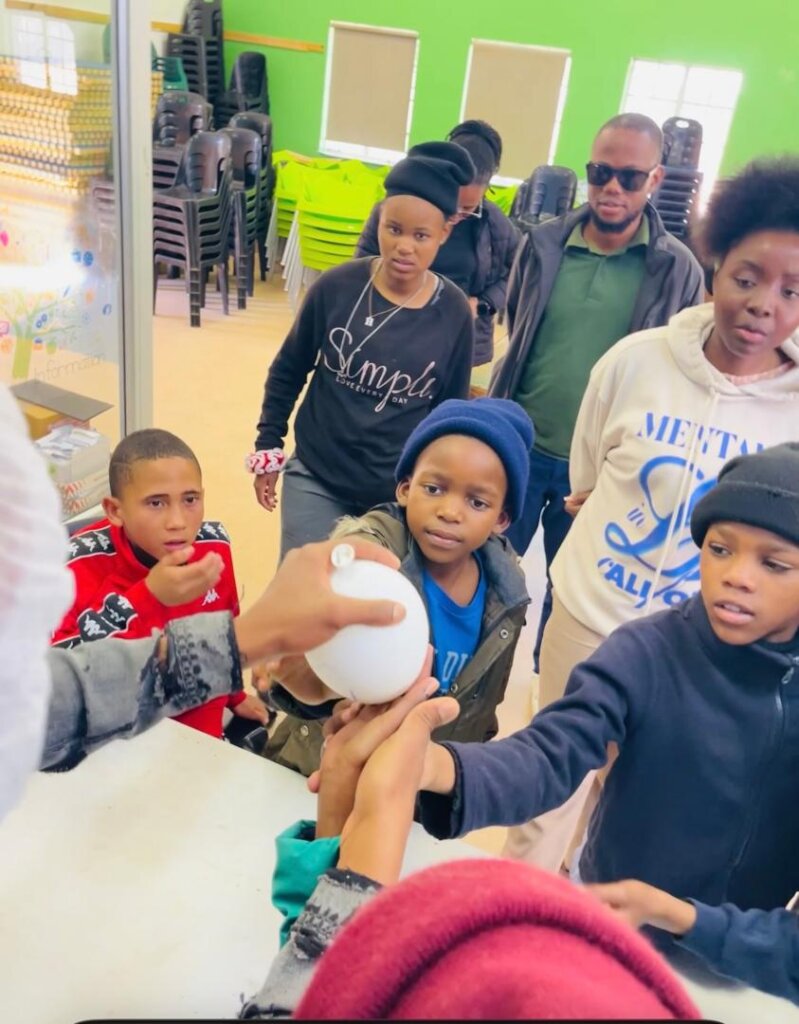
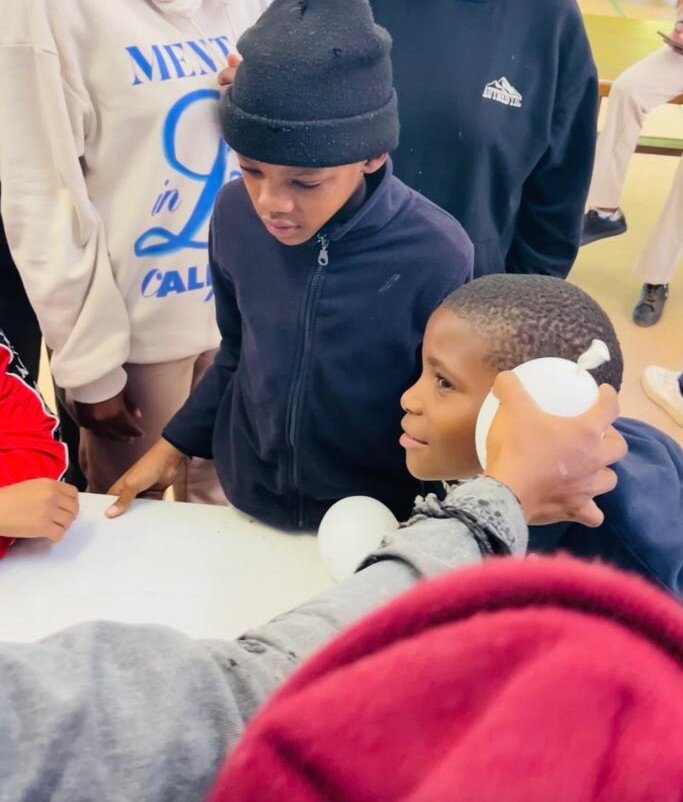
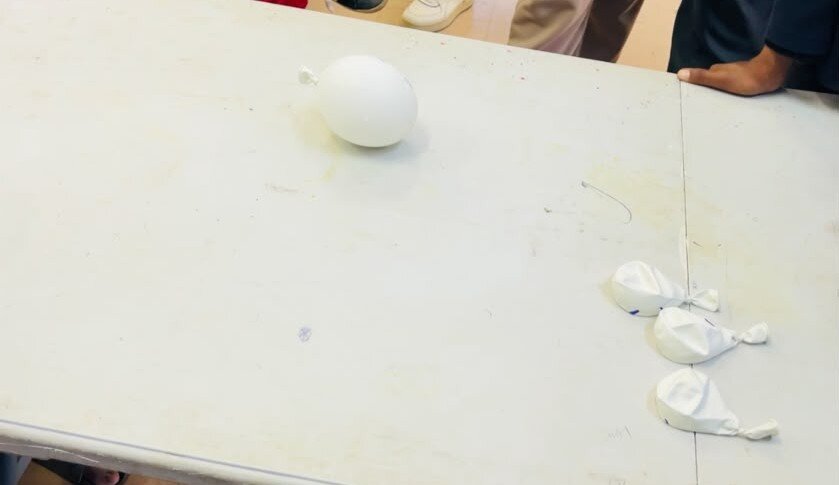
The Balloon and Citrus Experiment allowed participants to explore how substances found in everyday materials can interact and produce visible changes. Through observation and discussion, participants were encouraged to ask questions, investigate what was happening, and connect the science behind the experiment to materials they encounter in their daily lives.
Beyond the scientific concepts, these activities had an important personal impact on participants. They encouraged young people to become more confident in asking questions, sharing ideas and testing their own solutions. Working in groups also strengthened communication, collaboration and teamwork skills. Most importantly, the experiments helped participants see science as something they can explore and apply in their everyday lives, rather than simply a subject learned from a textbook.
Through these practical experiences, Stepping Stones International continues to create opportunities for young people to develop curiosity, confidence and the critical skills needed to become innovative problem-solvers and future leaders in STEM.
Project reports on GlobalGiving are posted directly to globalgiving.org by Project Leaders as they are completed, generally every 3-4 months. To protect the integrity of these documents, GlobalGiving does not alter them; therefore you may find some language or formatting issues.
If you donate to this project or have donated to this project, you can receive an email when this project posts a report. You can also subscribe for reports without donating.



Support this important cause by creating a personalized fundraising page.
Start a Fundraiser