By Alex Bryant | President
The 2026-27 FIRST season is underway across DC, Maryland, Virginia, and West Virginia - and like every season, it started with the adults who make it possible.
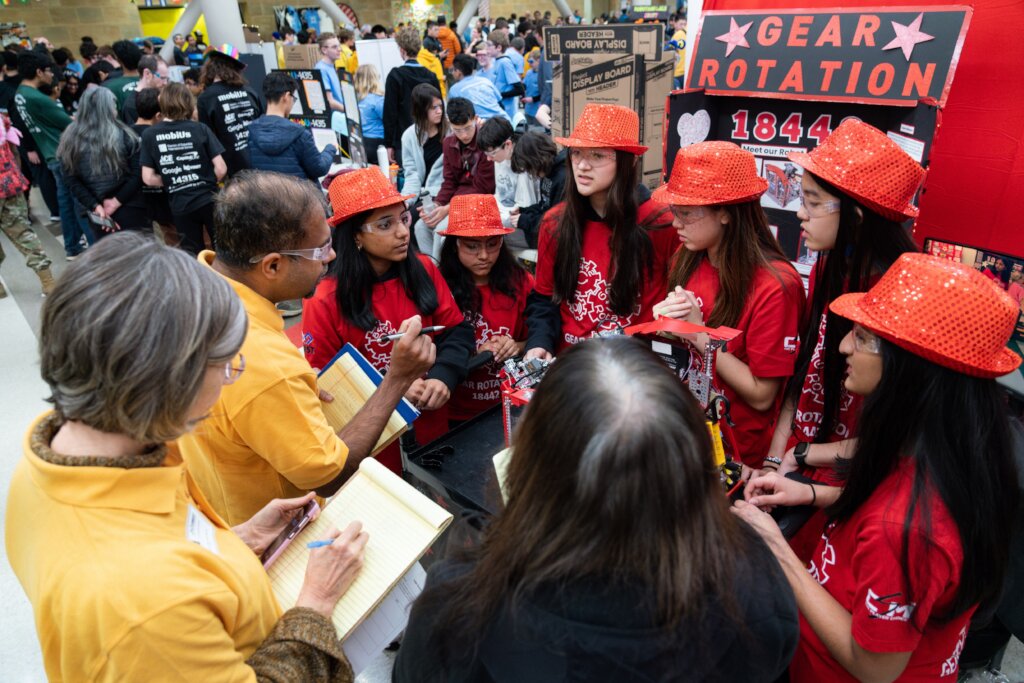
In August, coaches and mentors from across the district came to James Madison University for our Mentor Conference, presented by Aramco Americas and themed One FIRST. Two days of workshops and hard-won advice traded between veterans and rookies, alongside FTC Academy for brand-new coaches (the mentors are the ones who turn a kit of parts into a team, so the season starts with them). Earlier in the summer, our Multinational Tech Invitational marked its 10th anniversary at the Johns Hopkins Applied Physics Laboratory, bringing teams from around the world to compete alongside ours.
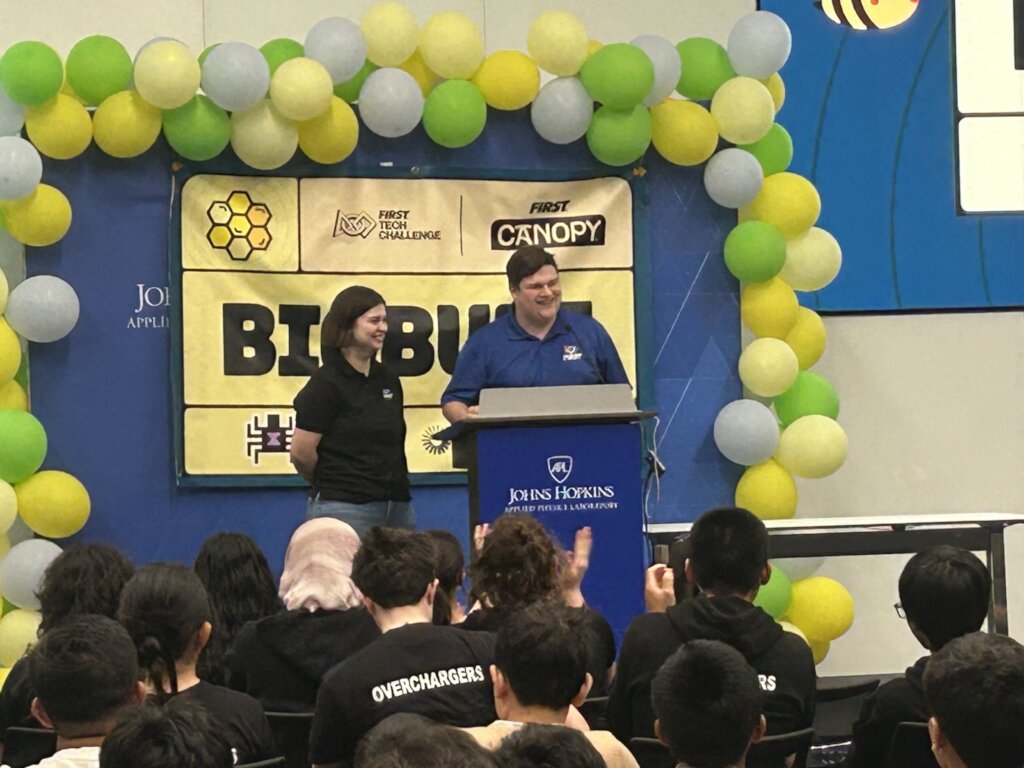
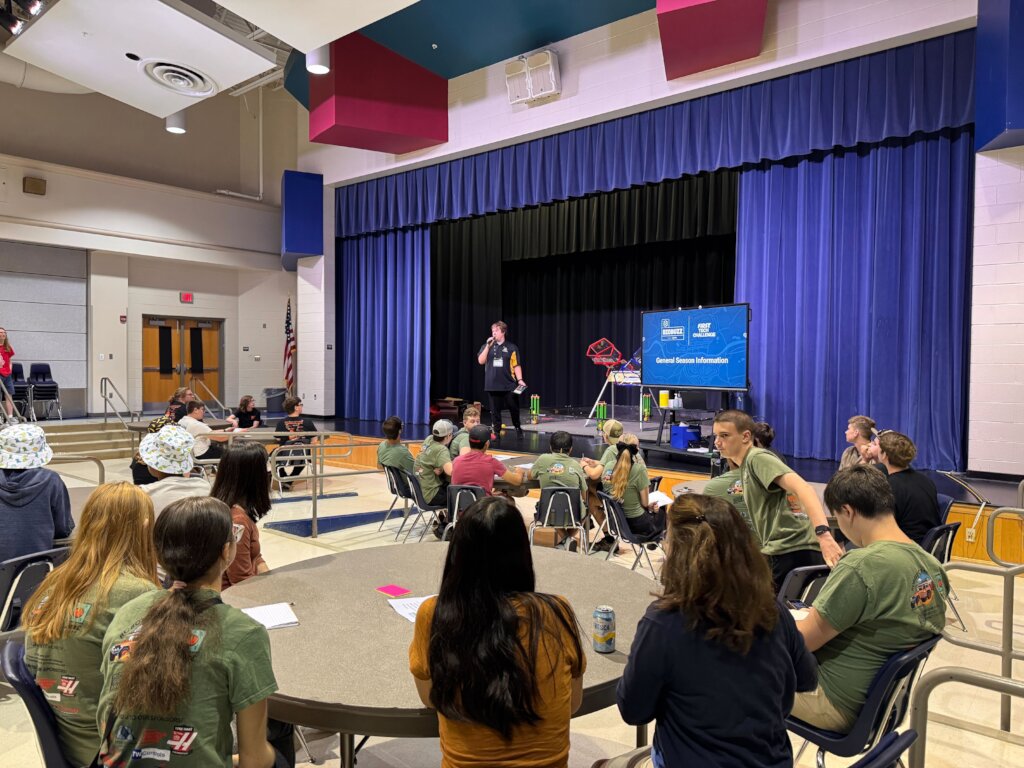
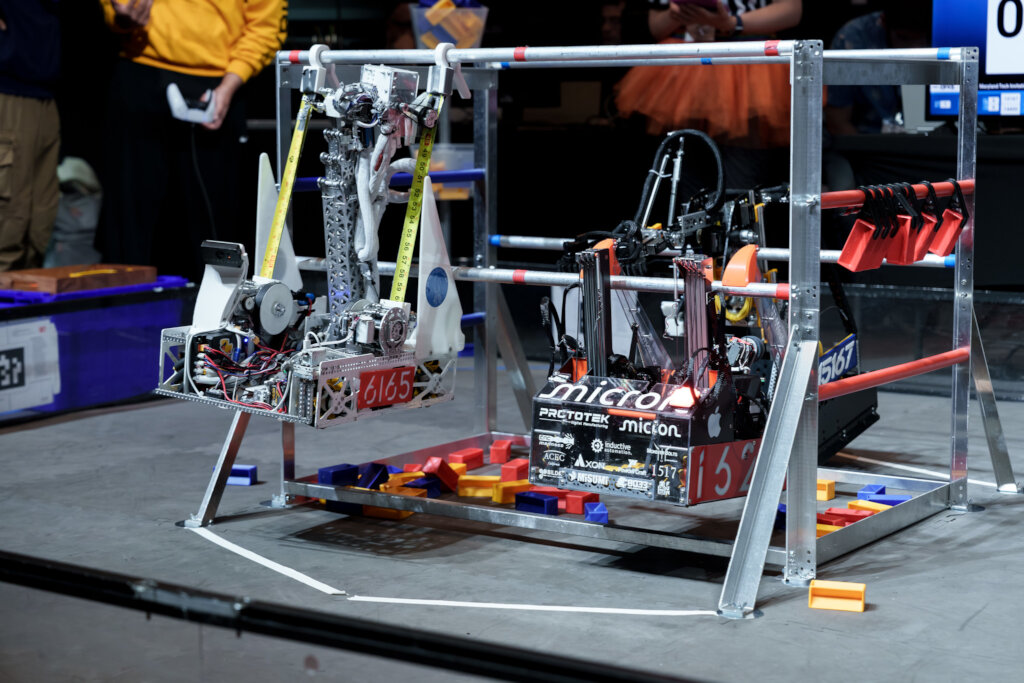
Then on September 12, FTC teams across the region gathered for kickoff to meet BIOBUZZ, this season's new game. Robots are already taking shape in classrooms, garages, and libraries across the district.
Students at the table
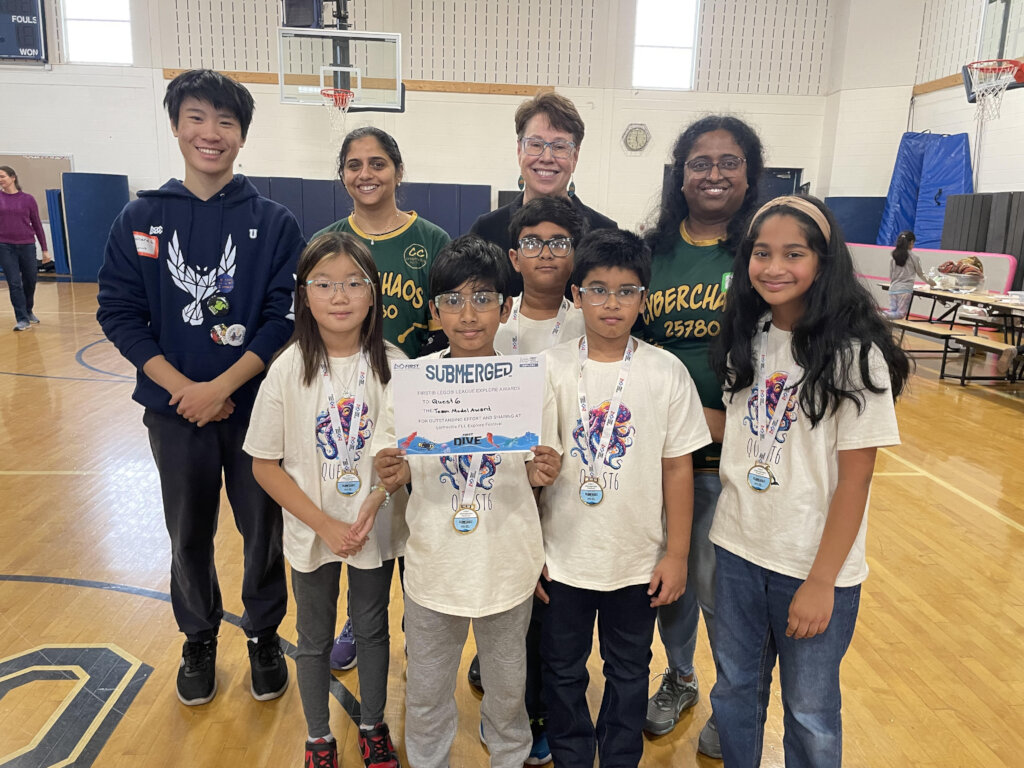
The newest thing we launched this fall is not a program - it's a seat at the table. On September 8 we welcomed the inaugural class of our Youth Advocacy Council: 11 students from across DC, Maryland, and Virginia who will meet monthly through May and lead three state-level advocacy projects (the students choose the projects, not us). These are young people learning to make the case for STEM access directly to the people who decide it.
That same story - what hands-on robotics teaches beyond engineering - took the stage in September when I joined Google.org's Changemakers Forum in Washington, DC to talk about the future of work with 200 social impact leaders. The short version: technology will keep changing every few months, and the students who thrive will be the ones who learned to adapt, troubleshoot, and work as a team. That is what your support teaches, every season.
Looking ahead
On October 1 we host our State of the District, a virtual community town hall, where we will unveil Chesapeake BRIDGES - our framework for reaching the students who need these programs most, because success in robotics shouldn't be decided by your zip code. Fewer than 1% of eligible students in our region have access to hands-on robotics today, with the widest gaps in Title I and rural schools. BRIDGES is how we close them.
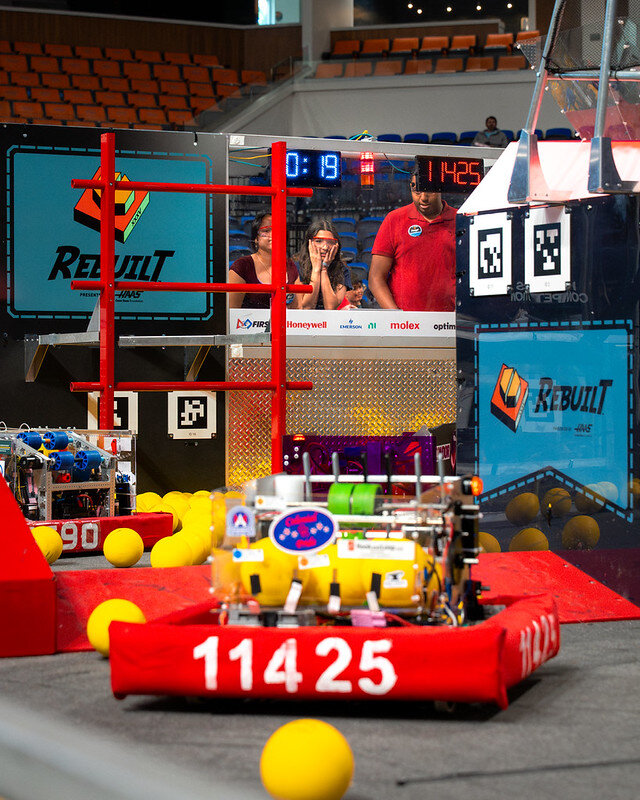
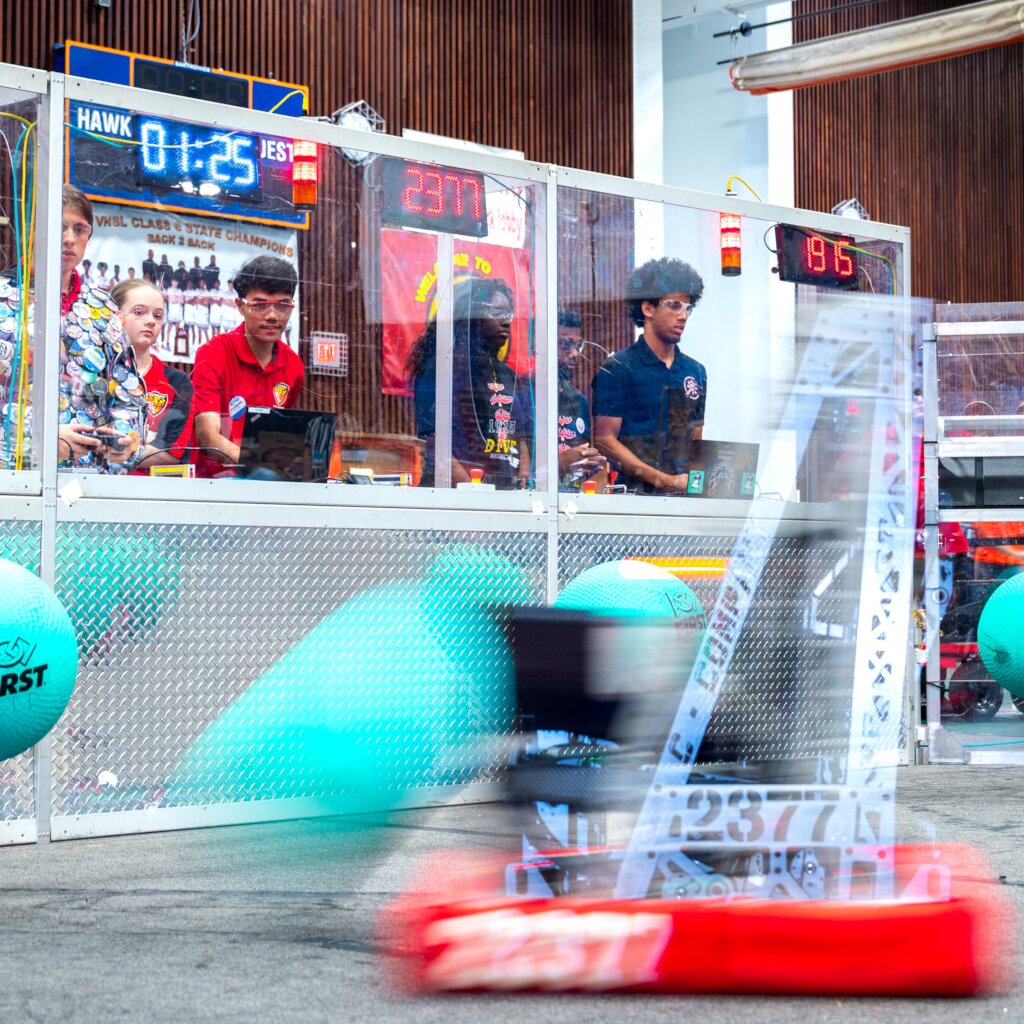
From there the competition season builds toward our FTC Championship, February 6-7, 2027 at Meadow Event Park in Doswell, Virginia - the second largest FTC tournament in the world, behind only the World Championship itself. An event that size runs on volunteers, and judges especially, so if you have ever wanted to see this community up close, this is the season to raise your hand.
Thank you for making this possible. Every gift helps us launch more teams, train more mentors, and host more events where students discover what they are capable of. The robots are brand new every season. What you are building lasts much longer.
With gratitude,
Alex Bryant
President, FIRST Chesapeake
Links:
By Alex Bryant | President
By Alex Bryant | President
Project reports on GlobalGiving are posted directly to globalgiving.org by Project Leaders as they are completed, generally every 3-4 months. To protect the integrity of these documents, GlobalGiving does not alter them; therefore you may find some language or formatting issues.
If you donate to this project or have donated to this project, you can receive an email when this project posts a report. You can also subscribe for reports without donating.



Support this important cause by creating a personalized fundraising page.
Start a Fundraiser