By Amber Teskey | Communications and Events Producer
Dear Supporters,
Thank you for your generous donation. Your donation was hugely valuable in helping us to deliver our specialist Model of Integrated Care to hundreds of survivors of torture, modern slavery, human trafficking and other forms of extreme human cruelty. Please accept this report outlining our recent key achievements.
Psychological therapies
Our specialist psychological therapies enable survivors to confront and overcome the multiple and complex traumas they have suffered. The therapy team works firstly to reduce acute symptoms such as flashbacks, panic and self-harm, secondly to enable clients to come to terms with their traumatic experiences and thirdly to psychologically prepare integration into the community. We offer survivors access to 11 types of therapy including including individual Counselling, Cognitive Therapy, Narrative Exposure Therapy, Relational Psychotherapy and Emergency Risk Management, as well as group therapies focusing on symptom management and community integration to ensure that we are addressing each client’s needs in the most appropriate way. Recovery from the trauma of extreme and prolonged violence often takes many months or years and can be subject to frequent relapses as a result of external factors, particularly challenges caused by the hostile environment for refugees and asylum seekers.
We monitor improvements in levels of psychological distress amongst our clients using the standard clinical CORE outcome measure. The CORE measures levels of psychological distress on a six point scale from Severely Distressed to Healthy. Our clients complete the measure before and after a course of treatment, scores are then analysed to evaluate the impact of our activities. Our records show that before clients engage with therapy, approximately 80% have a psychological distress rating within the top two points on the scale (Severe or Moderate to Severe).
During 2016, 92 women and 99 men accessed individual and group therapies. Treatment at HBF resulted in a reduction in psychological distress for 72% of clients. 1 in 3 clients experience significant improvement, with their psychological distress rating improving by 3, 4 or even 5 points on the scale. Almost 1 in 4 clients achieve the top ‘healthy’ status. This is incredibly significant for a client population who suffer severe symptoms of trauma.
Medical Advisory Clinic
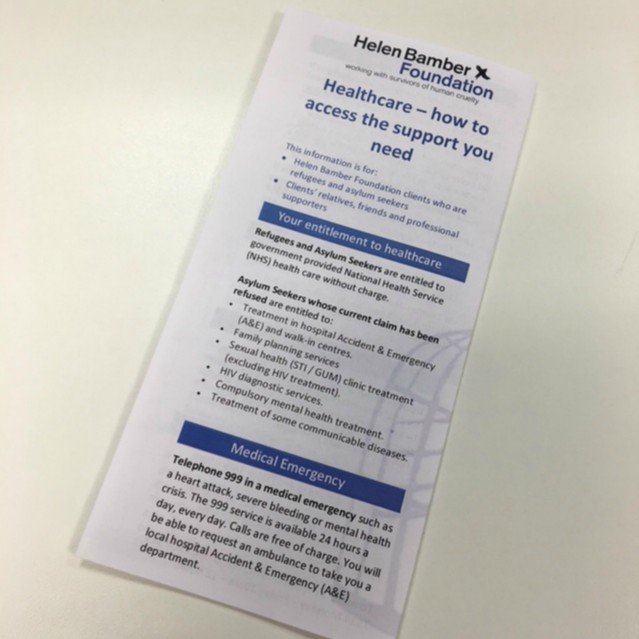
Survivors of torture and human cruelty often suffer multiple physical injuries and illnesses as a result of violence. Clients have often had ineffective and sporadic contact with health care providers, often limited to emergency or crisis contact with A&E departments. Beginning to address their physical healthcare needs comprehensively is extremely difficult, given the complexity of their needs, cultural and language differences, limitations of time, accessibility and understanding within the NHS.
In HBF’s Medical Advisory Clinic, we ensure that appropriate care is put into place for clients manage their health. Over the past year, approximately 3-5 clients every week have attended sessions at the Medical Advisory Clinic, which is run by expert volunteer doctors twice a week. More than 70 clients received support during 2016 for conditions including extreme pain from badly healed fractures, abdominal pain, unexplained bruising, eating disorders, agoraphobia and seizures. Three expectant mothers received support through their pregnancy and birth of their children and one women received support to come to terms with suffering a miscarriage. Four clients were supported to develop crisis plans to deal with their suicidal ideation, one client was supported through a psychotic episode and three referrals were made to the Community Mental Health Team.
Physical rehabilitation activities
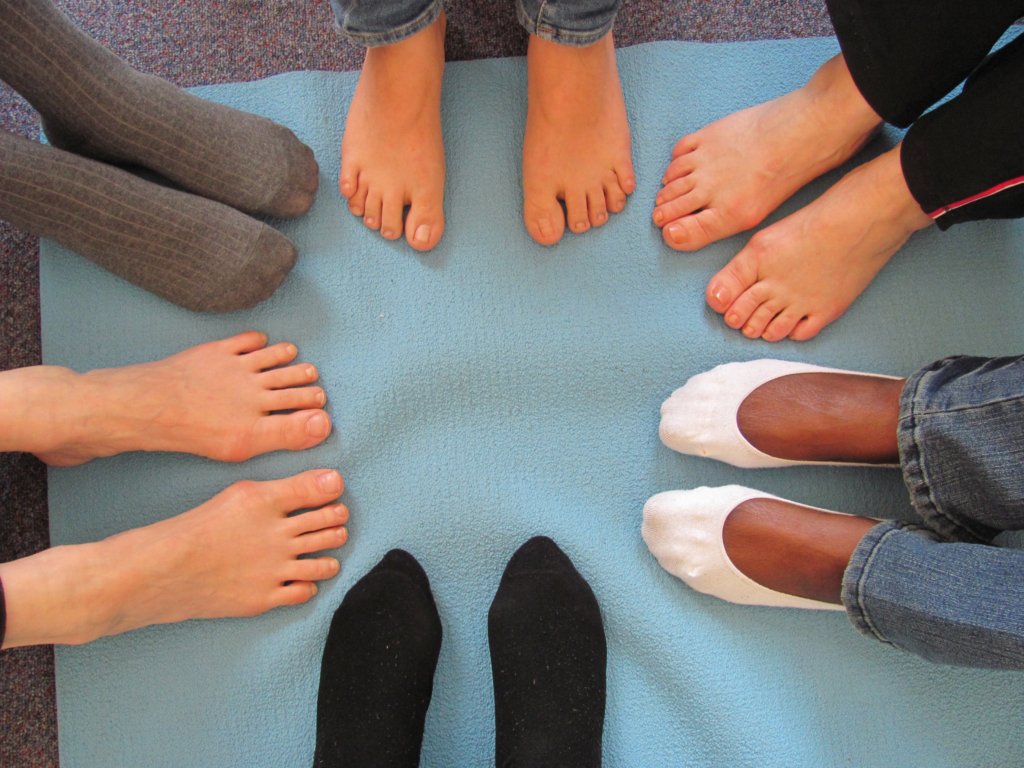
Many survivors we work with suffer trauma-induced musculoskeletal disorders resulting in profound pain and impaired functioning. The physical rehabilitation team enables clients to understand and positively connect with their bodies, manage their pain and increase their overall strength and confidence in their bodies. In 2016 our in-house osteopath worked with 5-8 clients each month delivering specialist treatments for physical trauma caused by violence, which improves the function of body tissues, including blood circulation and nerve activity, and to encourages healthy, mobile joint and muscle functioning. Our acupuncture clinic ran once a month, seeing 6-5 clients each time. Clients report feeling more relaxed and experiencing less pain after treatment. We also offered a range of free physical activity group classes to all clients including yoga and swimming. Yoga proved particularly popular and as a result we introduced a second class during the year.
Medico-Legal Assessment and Documentation
Our clients have fled violence and abuse from all over the world and seek legal protection in the UK. Our Medico-Legal service assists survivors in obtaining legal protection by producing expert Medico-Legal Reports (MLRs) that document the long term physical and psychological impact of their traumatic experiences.
During 2016, we recruited four new clinical experts and provided specialist training on the international standards of investigation and documentation of torture and other cruel, inhuman, or degrading treatment (the Istanbul Protocol). Our clinical experts assessed 151 survivors; some clients required only one appointment however some clients with complex histories required several assessments in order to fully narrate their experiences. During the same period, 149 Medico-Legal Reports were delivered for survivors of torture and human cruelty. Our MLRs showed that HBF clients have suffered multiple trauma and human rights atrocities: 17% of recipients had suffered torture, 17% had suffered trafficking and modern slavery, 47% had suffered extreme physical, sexual and psychological violence and abuse and 23% had suffered other persecution and human rights atrocities In an increasingly challenging environment for asylum seekers, more than 30 of our clients were successful securing legal protection, either being granted refugee status or leave to remain in the country.
Housing and Welfare casework
As refugees and asylum seekers, our clients frequently face housing and welfare crisis situations. During 2016, the Housing and Welfare Casework Co-ordinator and team of dedicated casework volunteers supported 120 clients experiencing crisis, including: 65 survivors who were at risk of homelessness, 28 survivors who were in clinically unsuitable accommodation, 38 survivors who were at risk of destitution, 32 clients who had no food and 6 clients who had secured places on educational courses but could not afford to pay for college fees and materials.Other regular housing crisis includesurvivors of trafficking for sexual exploitation being placed in unsuitable shared accommodation and clients experiencing extreme physical and psychological health problems being placed in clinically unsuitable accommodation. Welfare crisis included clients whose statutory support payments were stopped with no / little notice, and clients who were being targeted for financial exploitation by people in the community who took advantage of their known hardship.
With our support, 70% of housing and welfare crisis were resolved in under 3 months. The resolutions we supported our clients to achieve included appealing to the council / Home Office for appropriate housing, liaising with benefit providers to reinstate welfare support ,and finding clients alternative accommodation through refugee hosting charities and additional support though community based welfare support organisations, including food banks and destitution services. We also secured 28 small grants for clients who could not afford furniture or pay for college fees and distributed emergency relief to 54 clients, ensuring that no client was forced to leave our office with nowhere to go and nothing to eat.
Creative Arts and Skills Programme
The impact of torture and human cruelty means many survivors have difficulties forming positive relationships. Fear, emotional withdrawal and practical challenges, such as language barriers, often stand in the way of survivors trying new experiences or developing creative and practical interests.
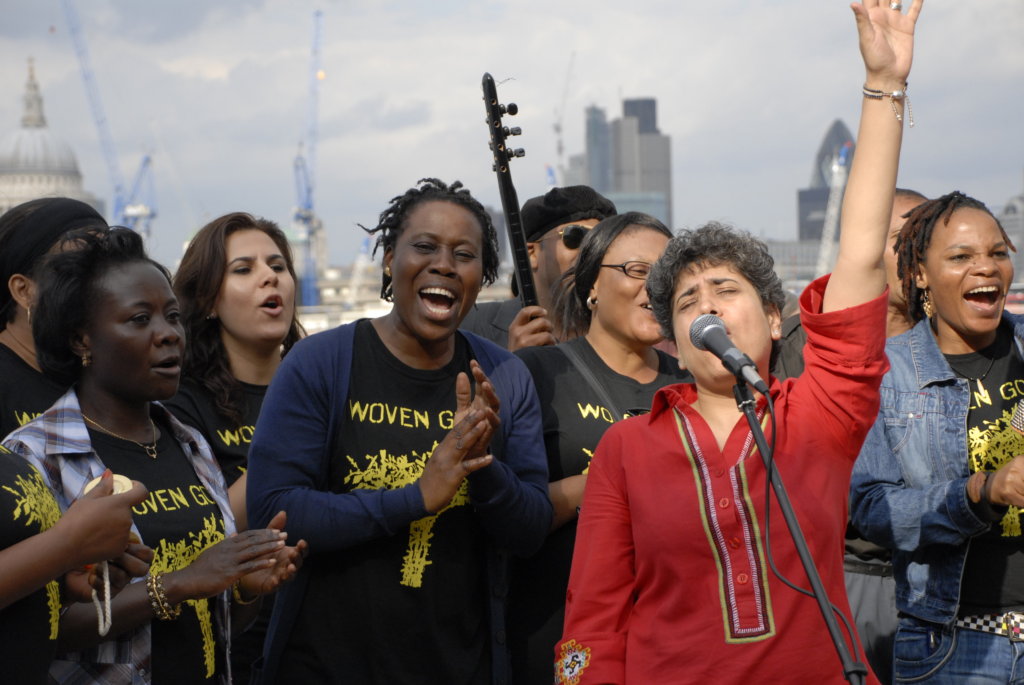
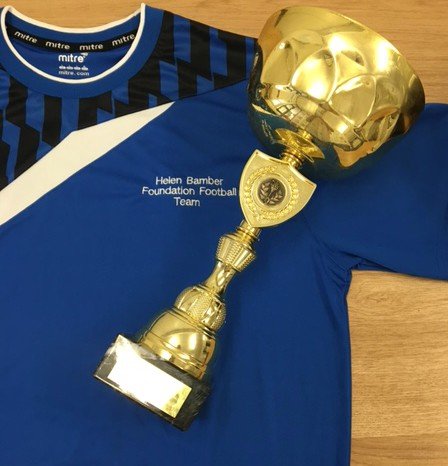
Through our Creative Arts and Skills Programme in 2016, 82 clients have accessed twelve skills development groups including art, computer skills, film-making, knitting, learning English, photography, football, as well as our much accomplished music group Woven Gold. We piloted three new skills groups this year, a drama group which used role play to improve decision making skills, a conversational English mentoring programme and a specialist tutoring programme through a partnership with Highgate School. These groups are all run by professional and dedicated volunteers who help clients form supportive relationships with others in a similar position, learn useful skills and build a positive sense of community.
Specialist Counter-Trafficking service for victims of human trafficking
Approximately 20% of our client population are survivors human trafficking. Survivors of this type of long-term physical and psychological violence are particularly vulnerable and at risk. Survivors of trafficking also often involved with complicated statutory process for recognising survivors of trafficking (the National Referral Mechanism) and criminal investigations into their trafficking situations involving a specialist section of the Metropolitan Police (SC&07).
HBF’s specialist Counter-Trafficking team work closely with clients who have suffered human trafficking and modern slavery, offering enhanced care to address their extreme vulnerability and help them navigate the complex and intimidating legal processes. During 2016, the Counter-Trafficking Team worked with 43 clients; 33 women and 10 men. 7 clients were under the age of 24, including young female survivors of trafficking for sexual exploitation from Albania, and the oldest client was a 66 year old female survivor of trafficking for labour exploitation from Sierra Leone. 25 clients were supported to progress their claim for legal recognition through the National Referral Mechanism and / or the asylum system and 9 were supported as victims within criminal investigations into their trafficking situation. Not all clients who have suffered trafficking are involved in a criminal investigation however, with the introduction of the Modern Slavery Act 2015, prosecutions are increasingly possible. Giving evidence in a criminal investigation is incredibly challenging for our clients, many of whom have been violently indoctrinated to fear the police and that giving evidence would result in reprisals against themselves or their families.
20 survivors of trafficking were identified as being particularly at risk of re-victimisation from their original traffickers, who continued to pursue them, and opportunistic abusers in the community, including one client who had re-submitted to sexual exploitation as a means of survival. The Counter-Trafficking team delivered intensive support to these clients to maintain their safety, including securing safe-house accommodation when necessary.
Specialist service for mums and babies
The Mum and Baby Community was set up by the Helen Bamber Foundation in 2014 to support a growing number of families amongst our client population. Starting as a small group of five scared and lonely women and their children, the Mum and Baby Community now has more than 60 registered attendees. Through the Community, mums access practical and emotional support from HBF staff as well as incredibly valuable peer support for them and their children, many of whom are otherwise dangerously isolated. We have also partnered with Ourmala Yoga for Refugees who deliver therapeutic yoga and English classes to the Community and Birth Companions who help expectant mothers prepare for the birth of their children, including attending the birth if requested and offering vital home visits to new mums.
Merka and Omi
Merka has been a client of the Helen Bamber Foundation for over 3 years. Merka had been trafficked to the UK and was being forced to work as a prostitute when she became pregnant. Knowing she was going to have a baby was gave Merka the strength she needed to escape. She fled and was referred to the Helen Bamber Foundation. Merka received intensive support from the Medical Advisory Clinic throughout her pregnancy. We helped her to register with a GP and midwife and access appropriate housing. After her son Omi was born, Merka was very fearful of taking him outside. She was afraid her trafficker would find her and kidnap Omi or that another mother would ask her difficult questions about Omi’s father. In the safety of the HBF group, Merka knew Omi would not be at risk and the other mums wouldn’t want to know about her history. In time, Omi began interacting with the other children and Merka felt comfortable to join in group discussions and has become one of the main participants of the weekly yoga class. In Merka’s recent review with HBF’s therapist who attends the mother and baby group, she explained how the confidence she gains from the safety of the group has changed her relationship with Omi. She desperately wants Omi to have a happy childhood and is working incredibly hard to overcome her fears and self-doubt. We have been helping her get Omi a nursery place, as Merka is keen to attend a college English class.
Thank you!
On behalf of us all at the Helen Bamber Foundation and of those who will benefit from your gift, thank you. Please find in our recent media coverage in the attached links.
Links:
By Amber Teskey | Fundraising and Communications Officer
By Amber Teskey | Fundraising and Communications Officer
Project reports on GlobalGiving are posted directly to globalgiving.org by Project Leaders as they are completed, generally every 3-4 months. To protect the integrity of these documents, GlobalGiving does not alter them; therefore you may find some language or formatting issues.
If you donate to this project or have donated to this project, you can receive an email when this project posts a report. You can also subscribe for reports without donating.