By Amber Teskey | Fundraising and Communications Officer
Dear Supporters,
On behalf of the Helen Bamber Foundation and all those that we are able to support through the generous support of donors like yourself, thank you! Without you, the Foundation would not be able to provide the vital supports and services that are so intergral in the recovery journey of surivivors of torture and human cruelty. It is with great pride that we share this report with you.
Who we support
The Helen Bamber Foundation provides expert care and support for refugees and asylum seekers who have experienced human cruelty i.e. extreme physical, sexual and psychological violence, abuse and exploitation. The individuals we work with have been subjected to atrocities including state-sponsored torture, religious / political persecution, human trafficking, forced labour, sexual exploitation, gender-based and ‘honor-based’ violence.Many of our clients have been repeatedly victimised over months and years. As a result of their experiences, our clients have multiple and complex needs including: acute psychological health conditions, severe physical injuries and medical conditions, extreme vulnerability to further exploitation in the UK, risk of further persecution in their country of origin, homelessness and destitution and intense loneliness.
The care and support we provide
Every year we work with hundreds of survivors of cruelty from all over the world, including men and women from Syria, Albania, Ghana, Eritrea, Sri Lanka, Afghanistan and Vietnam. We deliver a compassionate response to survivors, which understands the complexity of their suffering and needs, and supports them to establish a secure and fulfilling life with a positive future in the UK. We achieve this by offering a range of services within a Model of Integrated Care, including:
The impact we have
The Helen Bamber Foundation helps asylum seekers and refugees who have survived extreme violence and abuse achieve sustained recovery. This is a three-stage process:
Stage 1 - Stabilisation - we help survivors to gain stability by avoiding further re-victimisation, finding a safe and secure place to live and accessing the appropriate health and welfare support.
Stage 2 - Trauma-focussed therapy - we help survivors to confront and overcome their traumatic experiences and develop / regain confidence, resilience, independence and agency.
Stage 3 - Integration - we help clients to integrate into the community, including helping them to provide the required evidence to secure legal protection in the UK and facilitating opportunities to develop positive relationships and the skills necessarily to live successful, independent and fulfilling lives.
The Helen Bamber Foundation is recognised as a leading UK authority in the field of recovery from extreme human cruelty. We amplify the impact of our expertise through a research programme to achieve the best possible clinical outcomes for the clients we serve. We influence national and international policy through contributing our clinical expertise to help develop law, policy and practice, so that victims of human cruelty are afforded the legal protection and access to appropriate care and rehabilitation they deserve.
Objectives and achievements
Psychological therapies
Our specialist psychological therapies enable survivors to confront and overcome the multiple and complex traumas they have suffered. The therapy team works firstly to reduce acute symptoms such as flashbacks, panic and self-harm, secondly to enable clients to come to terms with their traumatic experiences and thirdly to psychologically prepare to integrate into the community. Recovery from the trauma of extreme and prolonged violence often takes many months or years and can be subject to frequent relapses. We offer survivors access to 11 types of therapy to ensure that we are addressing each client’s needs in the most appropriate way. Key highlights include:
Physical rehabilitation activities
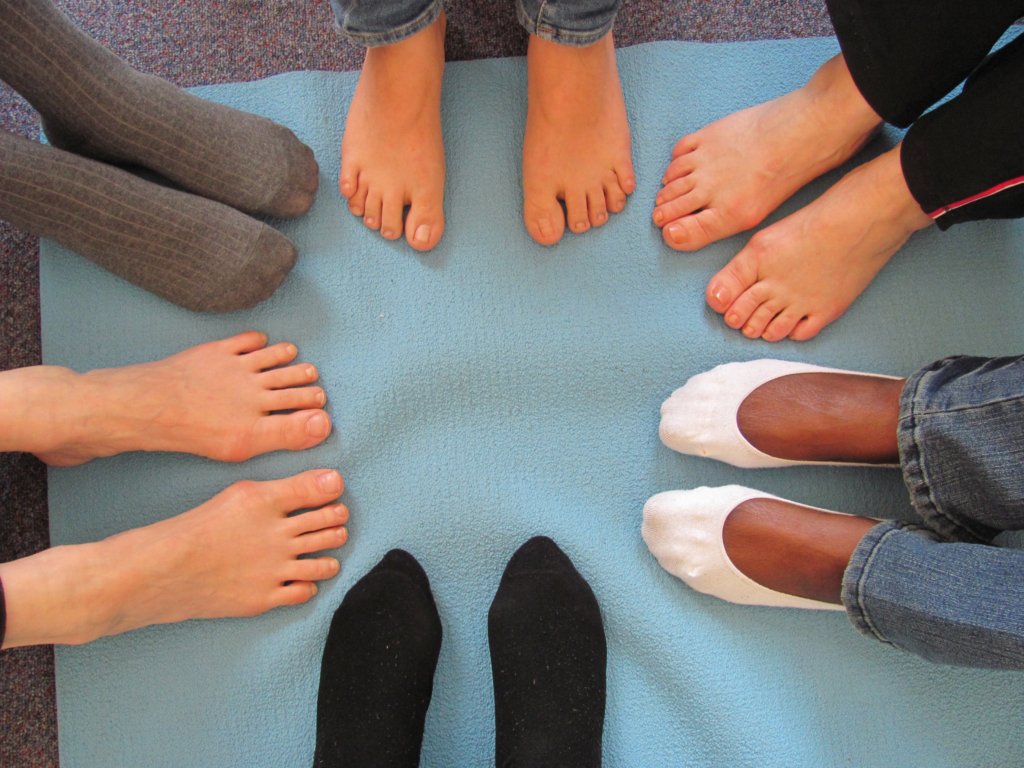
Many survivors we work with suffer trauma-induced musculoskeletal disorders resulting in profound pain and impaired functioning. The physical rehabilitation team enables clients to understand and positively connect with their bodies, manage their pain and increase their overall confidence and well-being. Key acheivements include:
Advisory GP clinic
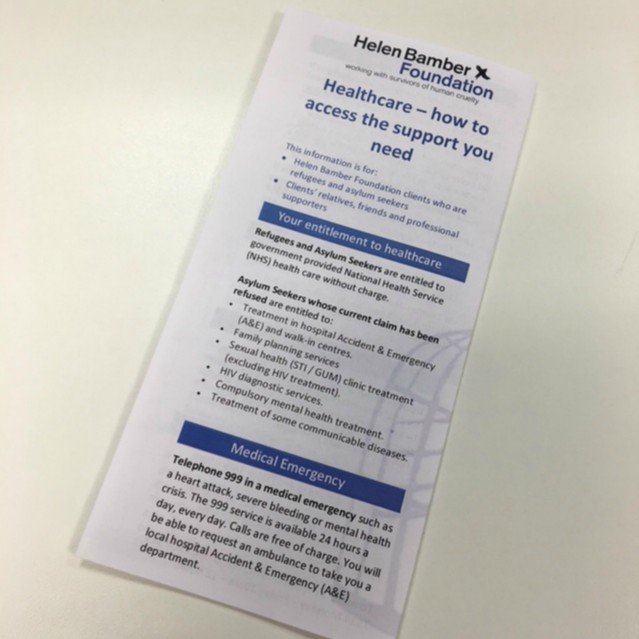
Survivors of torture and human cruelty often suffer multiple physical injuries and illnesses as a result of violence. Clients have often had ineffective and sporadic contact with health care providers, often limited to emergency or crisis contact with A&E departments. Beginning to address their physical healthcare needs comprehensively is extremely difficult, given the complexity of their needs, their cultural and language differences, limitations of time, accessibility and understanding within the NHS. HBF’s Advisory GP clinic ensures that appropriate care is put into place for clients manage their health. Key acheivements include:
Medico-Legal Assessment and Documentation
Our clients have fled violence and abuse from all over the world and seek legal protection in the UK. Our Medico-Legal service assists survivors in obtaining legal protection by producing expert medico-legal evidence of the impact of the trauma they have suffered. In December of 2015, we recruited four new clinical experts and provided specialist training in the international standards of investigation and documentation of torture and other cruel, inhuman, or degrading treatment (the Istanbul Protocol). With the support of these new specialists, alongside our existing and in-house assessment team, producing expert Medico-Legal Reports that were given particular recognition as expert evidence by decision makers at the Home Office and the Courts and Tribunal Judiciary. December 2016 - August 2016, the Medico-Legal Assessment team has produced more than 90 Medico-Legal Reports.
Specialist Counter-Trafficking service for victims of human trafficking
Our specialist Counter-Trafficking team worked with more than 40 female and male victims of trafficking, helping them to access specialist care and protection, often in circumstances where the victims were still in extreme danger because they were still being pursued by their traffickers. The Counter-Trafficking team’s vital role helped survivors of trafficking to avoid re-exploitation and overcome crisis situations, including supporting survivors facing court trials and imprisonment for crimes committed whilst under the influence of traffickers.
Housing and Welfare casework
As refugees and asylum seekers, our clients lack stability and security and often face extreme socio-economic hardship, which can have a devastating impact on their progress to sustained recovery. Our Model of Integrated Care grew in 2014 to include a dedicated Housing and Welfare Casework Co-ordinator to ensure we were fully equipped to support clients to manage crisis situations and avoid homelessness and destitution. Key acheivements include:
Creative Arts and Skills Programme
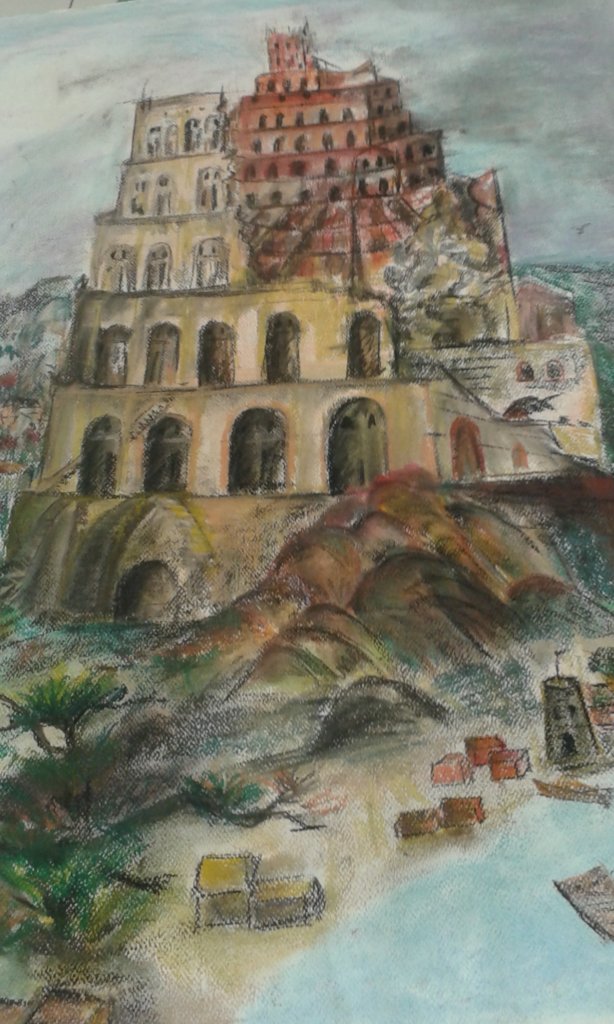
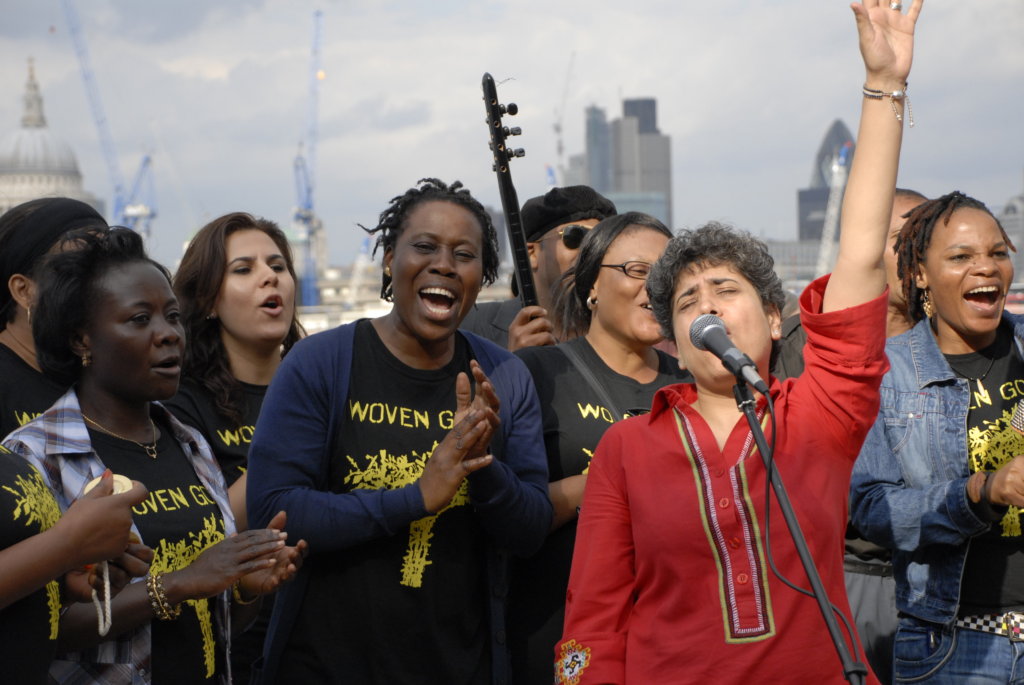
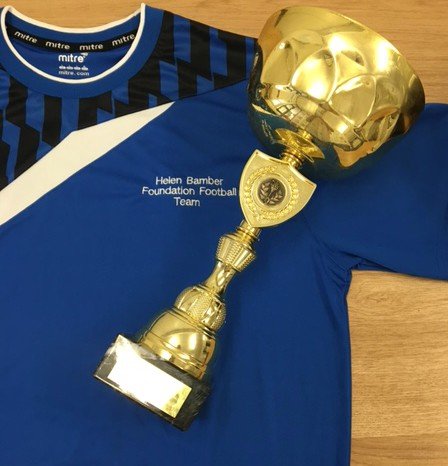
The impact of torture and human cruelty means many survivors have difficulties forming positive relationships. Fear, emotional withdrawal and practical challenges such as language barriers often stand in the way of survivors trying new experiences or developing creative and practical interests. Through our Creative Arts and Skills Programme, we offer clients access to 10 free groups covering a wide range of interests including art, computer skills, film-making, knitting, learning English, photography, football, as well as our much accomplished music group – Woven Gold, which performs publically. These groups are all run by professional and dedicated volunteers who help clients form supportive relationships with others in a similar position, learn useful skills and build a positive sense of community. Key achievenemtns include:
Project reports on GlobalGiving are posted directly to globalgiving.org by Project Leaders as they are completed, generally every 3-4 months. To protect the integrity of these documents, GlobalGiving does not alter them; therefore you may find some language or formatting issues.
If you donate to this project or have donated to this project, you can receive an email when this project posts a report. You can also subscribe for reports without donating.