Project Report
| Sep 16, 2020
Supporting Decriminalization of Abortion Campaign in the Philippines
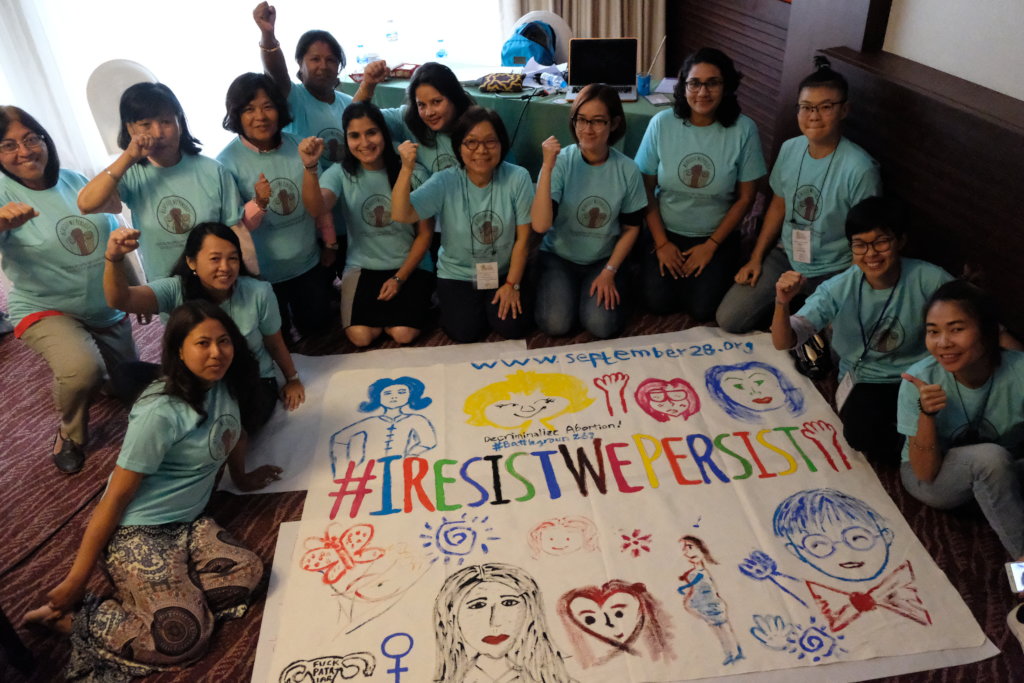
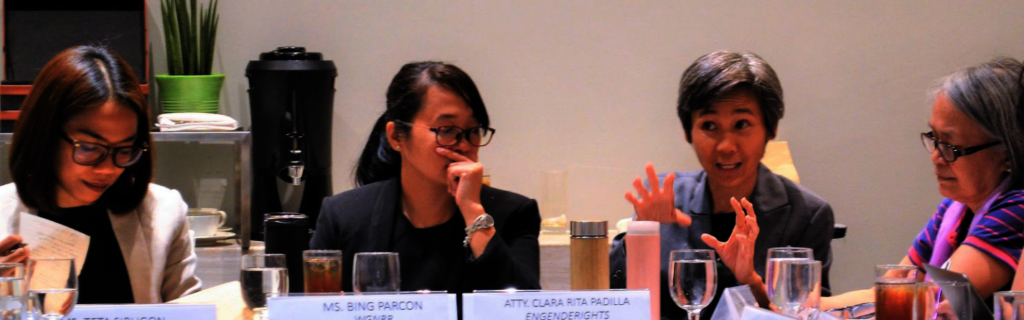
![PINSAN Planning Meeting (pre-COVID 19)]()
PINSAN Planning Meeting (pre-COVID 19)
WGNRR, as a Philippine-based SRHR network, established and coordinates the Philippine Safe Abortion Advocacy Network (PINSAN). PINSAN is a network of human rights advocates including representatives from women and human rights organizations, lawyers, and youth networks openly working on the issue of unsafe abortions as a public health issue using feminist and human rights standards. For the past five years, PINSAN has been undertaking initiatives to Destigmatize, Demystify and Decriminalize abortion in the Philippines.
We are happy to share that PINSAN has finally initiated the nationwide online Stakeholders' Consultation on the Bill to Decriminalize Abortion in the Philippines. Since August, we have already conducted consultations attended by almost 150 individuals and organizations from diverse backgrounds i.e. community organizations, human rights groups, legal organizations, youth groups, government officials, students, health care providers, individual advocates, representatives from the women's rights, SRHR, youth rights, children's rights organisations, among others. Through these consultations and inputs from the various stakeholders, PINSAN has further strengthened the proposed bill to reflect the pressing needs and concerns of persons who can be pregnant and may seek access to safe abortion services. We will continue the consultations with various sectors and stakeholders including government representatives until the public launch of the bill on September 28 International Safe Abortion Day.
Context
The Philippines remains to be one of the countries in the world with the most restrictive laws on abortion. The restrictive abortion law results in women undergoing unsafe abortions. In 2012 alone, 610,000 Filipino women induced abortion, over 100,000 women were hospitalized, and 1,000 women died due to unsafe abortion complications. Each year, complications from unsafe abortion is one of the five leading causes of maternal death—between 4.7% – 13.2%— and a leading cause of hospitalization in the Philippines.
These Filipino women who induce abortions are representative of a majority of Filipino women – poor, Roman Catholic, married, with at least 3 children, and have at least a high school education. Poor women comprise 66% of those who induce abortion, using riskier abortion methods, thus disproportionately experiencing severe complications, making abortion a social justice issue. Moreover, 1 in 9 women cites rape as their reason for inducing abortion. There are no laws to protect such women from unwanted pregnancies.
Further, the 1930 Revised Penal Code provision (Art. 256-259 of the Revised Penal Code) penalizing women who induce abortion and those who assist them has never stopped women inducing abortions nor has it ever reduced the number of women seeking abortions. Due to the harmful stigma on abortion, women are subjected to physical and verbal abuse, harassment, threat, intimidation, and discrimination when seeking medical treatment, regardless of the circumstances surrounding the abortion. Even healthcare service providers unlawfully deny post-abortion care to women despite the laws and policies that guarantee women’s rights to post-abortion care.
About 85% of the countries around the world allow abortion. Asian countries including predominantly Catholic and Muslim countries have liberalized their abortion laws. In the Philippines, it is high time to decriminalize this antiquated and restrictive law on abortion. The Philippine government must comply with its international human rights obligations to decriminalize abortion to ensure women's access to safe abortion and post-abortion care and respect, protect, and fulfill their rights to life, health, equality and non-discrimination, and freedom from cruel, inhuman, and degrading treatment.
![Share on Twitter]()
![Share on Facebook]()