By Valentina Testa | Grant Writer
Participation, Inclusion and Additional Support Services
During the sporting year, participants in the project were referred by five reception centres located in different areas of Rome. The reception centres acted as key referral partners in coordination with Sport Senza Frontiere, helping to identify potential beneficiaries and match their needs with the sporting activities offered by the project.
The involvement of people with a refugee and migrant background represented a particularly valuable component of the initiative. Participation in regular sporting activities provided beneficiaries with an opportunity not only to engage in physical exercise, but also to build social connections, develop a sense of belonging, and access an inclusive environment outside the reception system. Sport therefore functioned as an important tool for social inclusion and community participation.
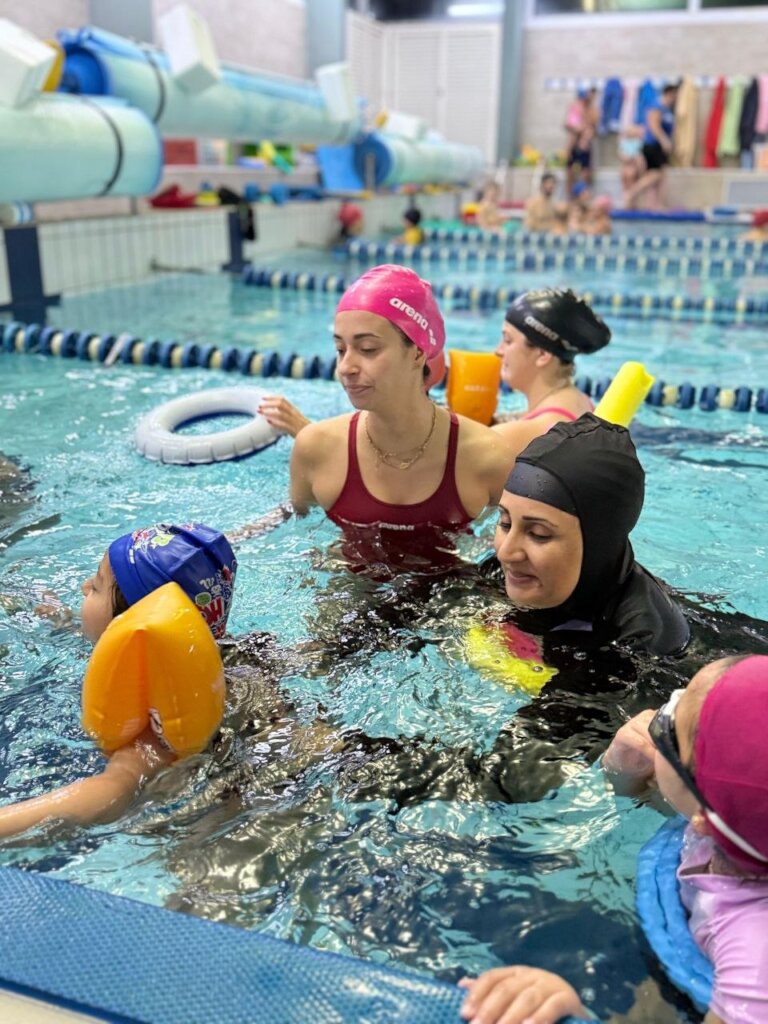
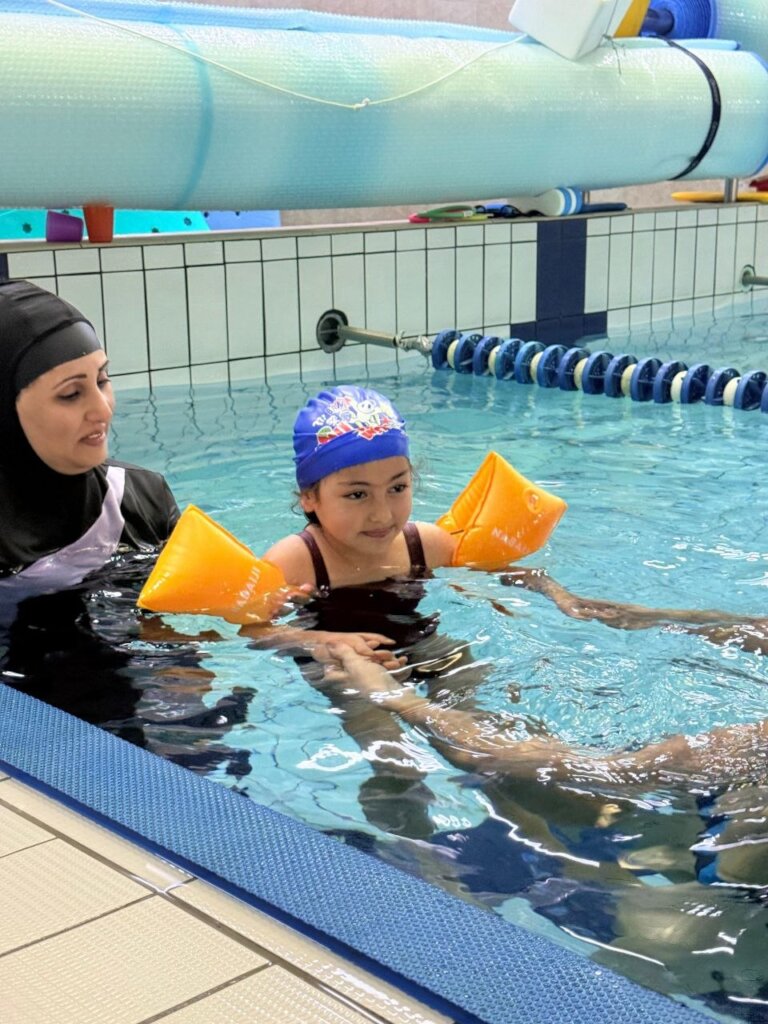
A significant coordination effort was required with the five partner reception centres before the start of the aquatic programme. Meetings and exchanges with the centres were necessary to present the project's objectives, identify suitable beneficiaries, assess individual needs, and organise participation. Through this process, Sport Senza Frontiere further strengthened and expanded its network of organisations working with refugees, asylum seekers, and other vulnerable groups in Rome.
The geographical distribution of the reception centres, located in different and sometimes distant areas of the city, created an additional logistical challenge. To ensure that distance and limited access to public transportation did not become barriers to participation, Sport Senza Frontiere developed and implemented an organised transport system. Participants were collected from the different reception centres and accompanied to the sporting activities, supporting regular attendance and ensuring equal access to the programme.
The resulting group was highly multicultural, with beneficiaries representing more than ten countries of origin, including Italy, Ukraine, Egypt, Nigeria, Cameroon, Peru, India, Romania, the Democratic Republic of the Congo, Azerbaijan, Palestine, and Tunisia. This diversity enriched the sporting environment and created opportunities for intercultural exchange and mutual understanding among participants from different backgrounds.
The participation of refugee families was particularly significant. A Palestinian family group joined the project and was subsequently followed by two additional groups. The involvement of three fathers was especially noteworthy, as their active participation in a structured sporting activity contributed to broadening traditional caregiving roles and promoting greater involvement of fathers in their children's recreational and social experiences.
The project also demonstrated its capacity to respond to individual needs. Among the participants was a five-year-old girl with low vision, requiring specific attention and appropriate support to enable her full participation in the activities. Her inclusion highlights the project's commitment to ensuring that sporting opportunities are accessible not only to refugees and people from different cultural backgrounds, but also to children and participants with specific needs.
Additional Services and Responses to Emerging Needs
During implementation, several needs emerged that had not been fully anticipated during the initial planning phase. Rather than representing obstacles to participation, these needs prompted the project team to adapt its support mechanisms and provide additional services tailored to beneficiaries' circumstances.
In December, a linguistic and cultural mediation service was activated to support a recently arrived Palestinian family group. The service facilitated communication between the family, project staff, and the wider local context, helping the beneficiaries to understand the activities and participate more effectively. This additional support was particularly important in facilitating the integration of newly arrived refugees into the programme and reducing potential linguistic and cultural barriers.
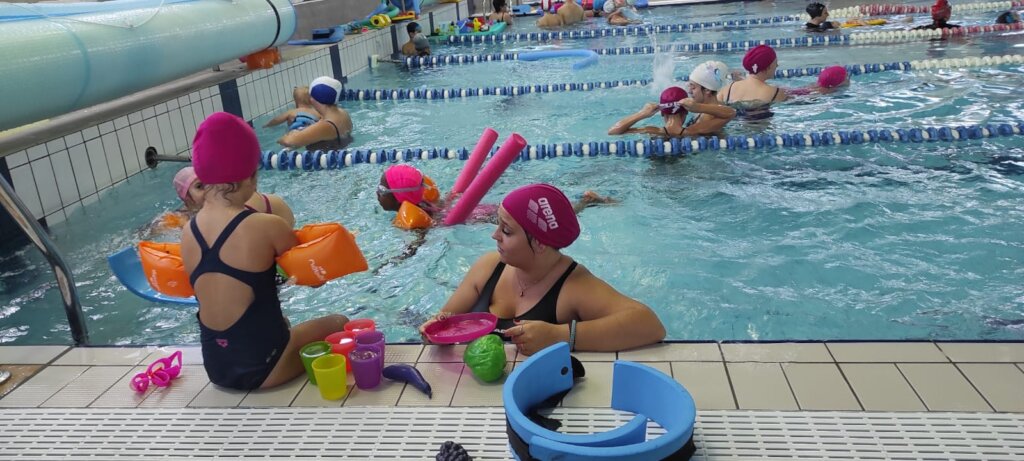
Transportation also required additional resources. Due to the number and geographical distribution of participants, multiple minibus shifts had to be organised to ensure that all beneficiaries could reach the sporting facilities safely and regularly. Although this resulted in increased transportation costs, the service was essential to maintaining accessibility and preventing geographical distance from becoming a barrier to participation.
Overall, the implementation of the project demonstrated the importance of combining sporting activities with complementary support services. The provision of transportation, linguistic and cultural mediation, and individualised attention to specific needs enabled refugees and other vulnerable participants to access the programme on a more equal basis.
The experience also confirmed the value of a flexible and needs-based approach. By responding to needs as they emerged, Sport Senza Frontiere was able to go beyond the provision of sporting activities and offer a broader framework of inclusion, support, and social participation for refugees and their families. At the same time, the collaboration with five reception centres contributed to consolidating a wider local network of organisations supporting the integration and wellbeing of people with a refugee and migrant background.
By Valentina Testa | Grant Writer
By Valentina Testa | Grant Writer
Project reports on GlobalGiving are posted directly to globalgiving.org by Project Leaders as they are completed, generally every 3-4 months. To protect the integrity of these documents, GlobalGiving does not alter them; therefore you may find some language or formatting issues.
If you donate to this project or have donated to this project, you can receive an email when this project posts a report. You can also subscribe for reports without donating.



Support this important cause by creating a personalized fundraising page.
Start a Fundraiser