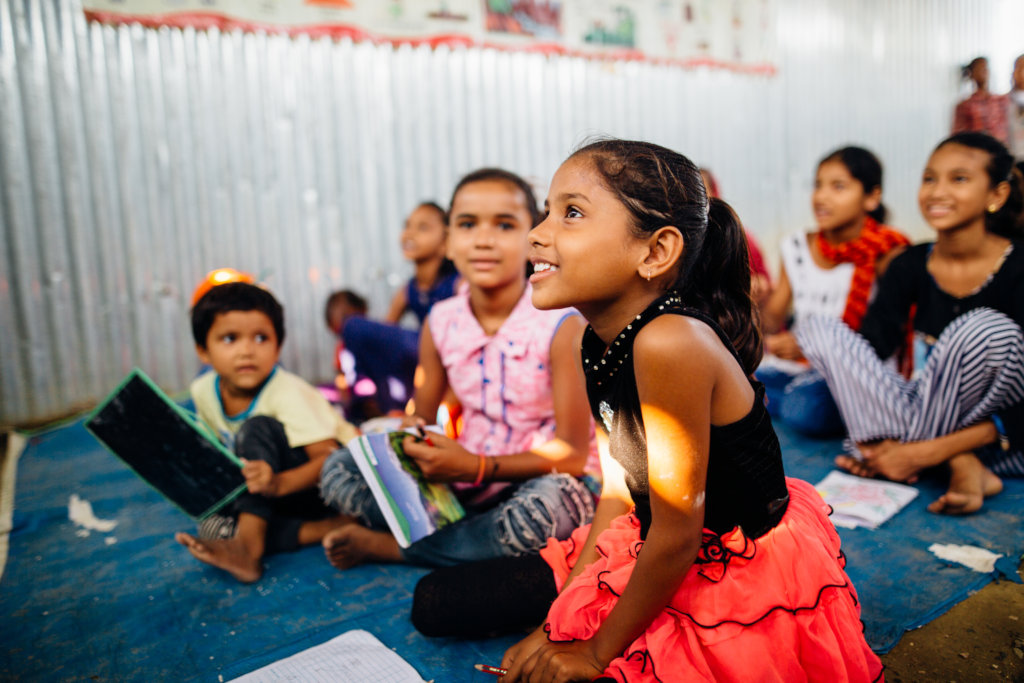
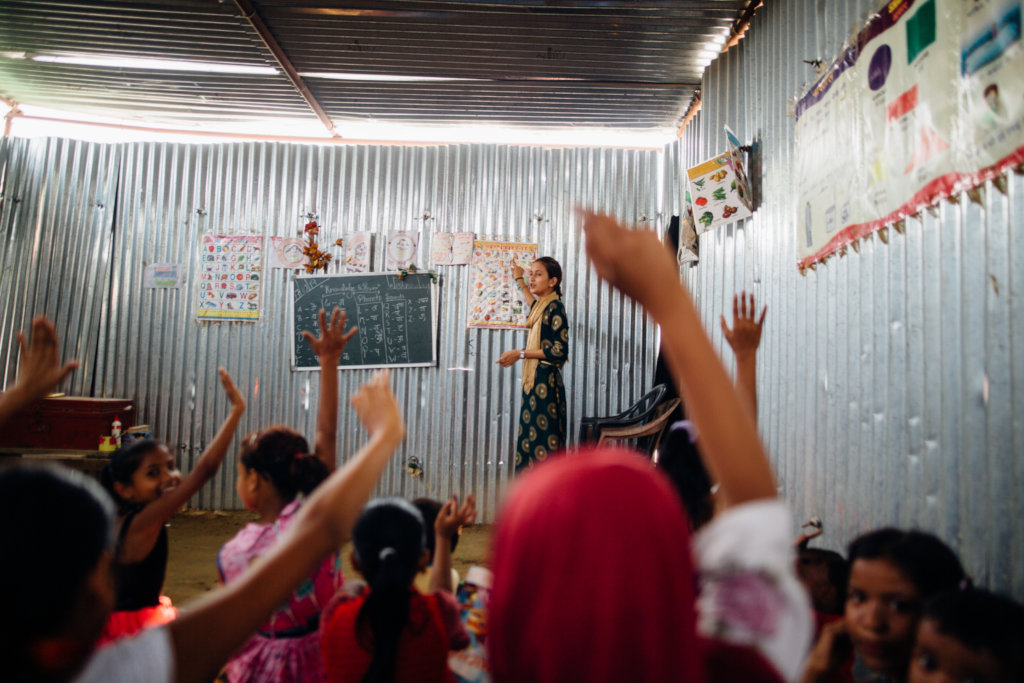
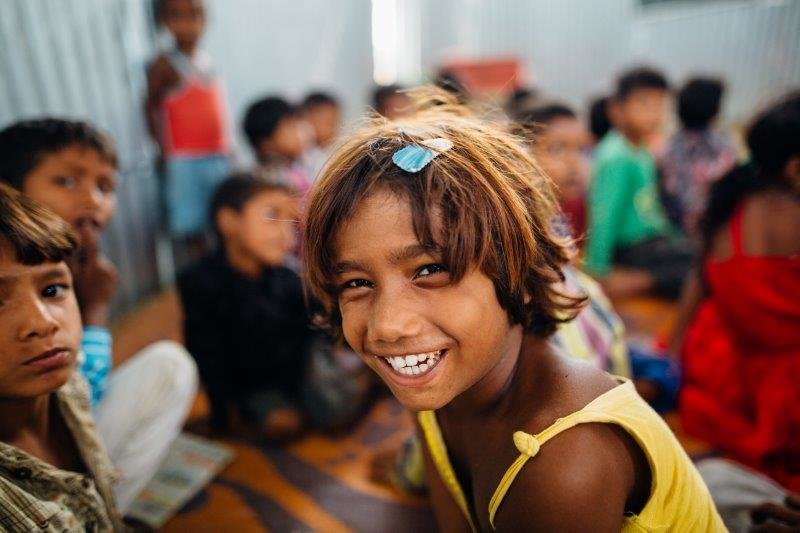
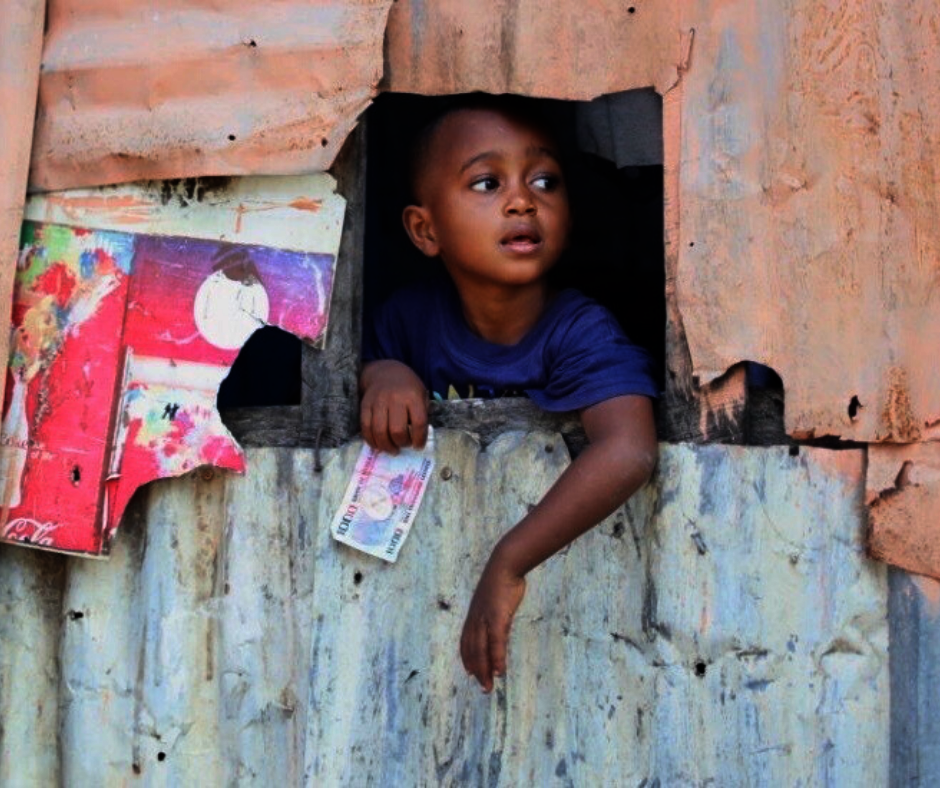
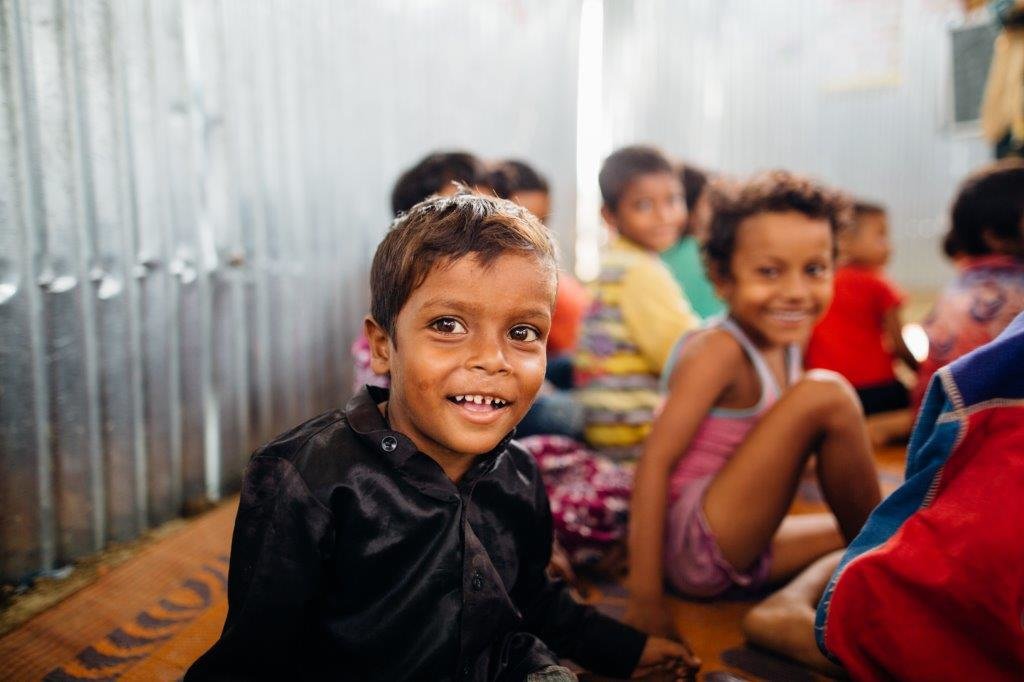
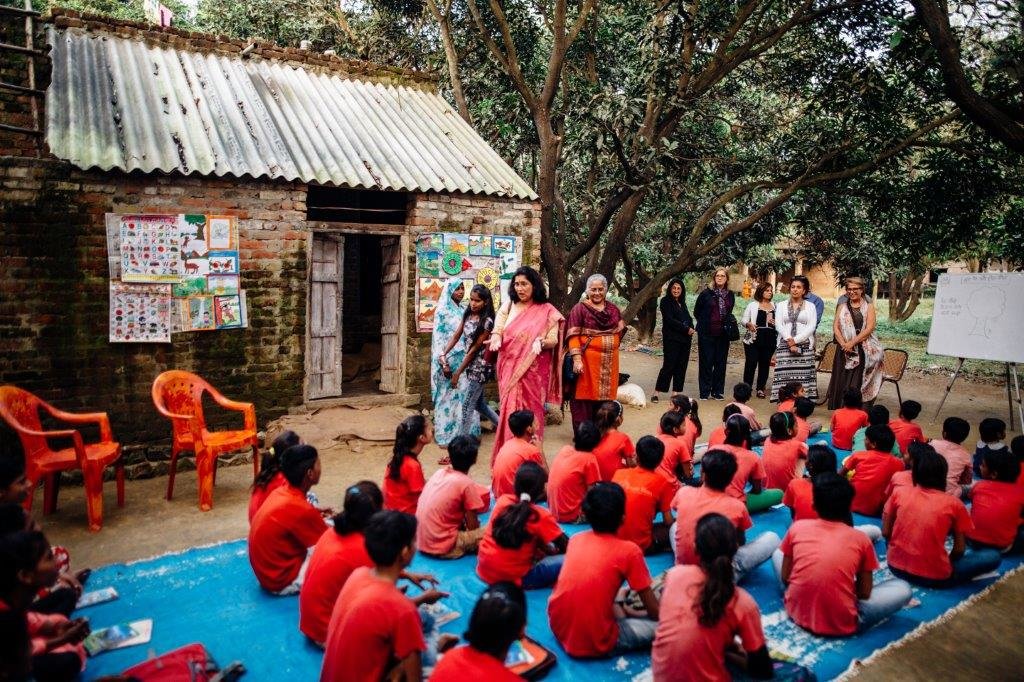
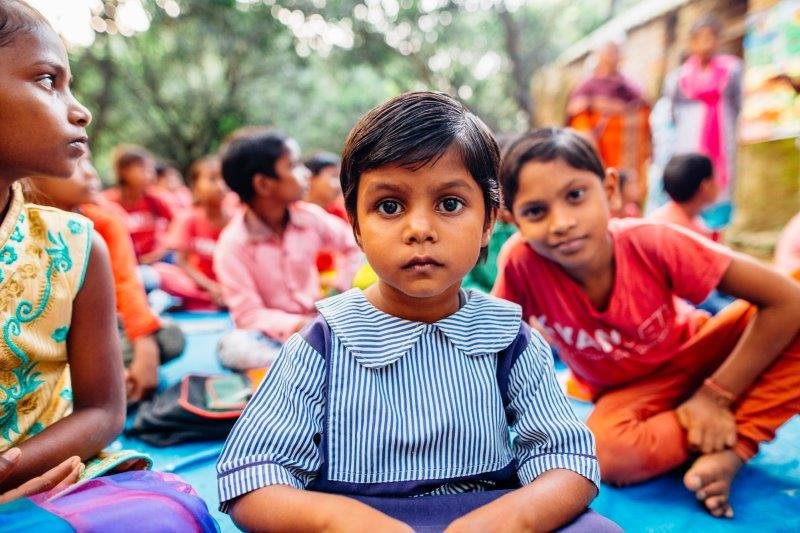
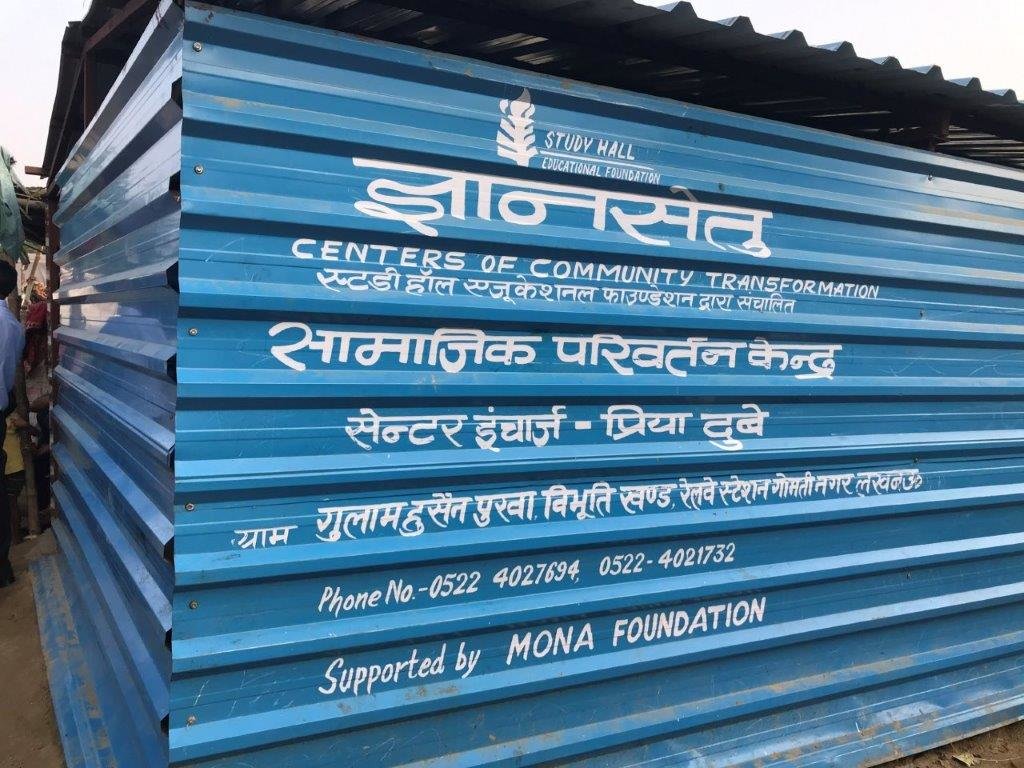
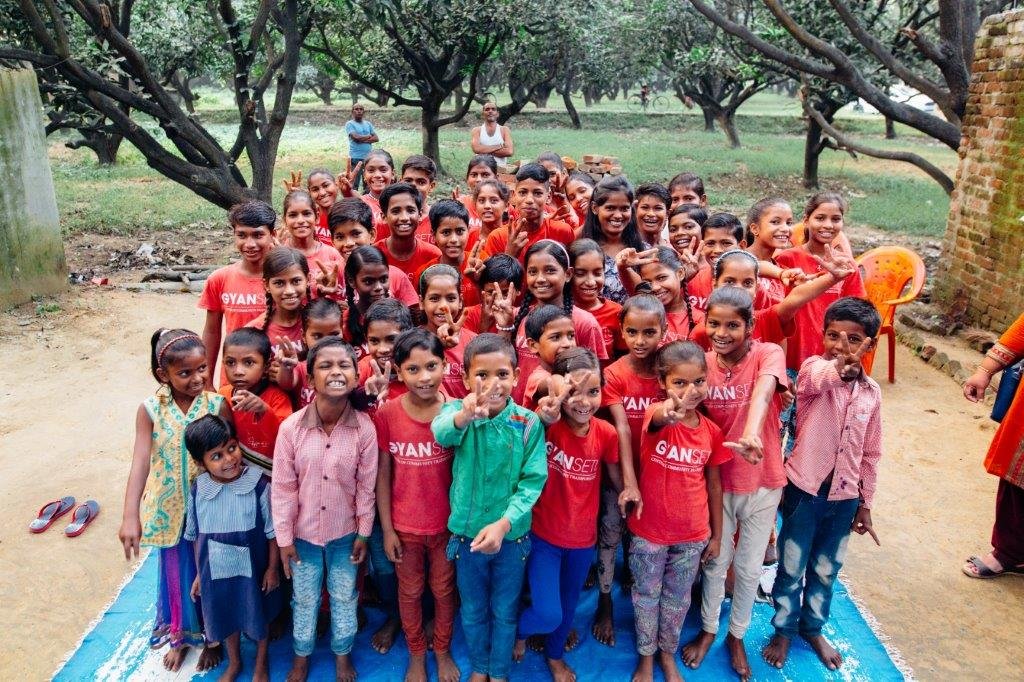
Many kids in city slums and poor rural villages in India do not have access to schools. GyanSetu centers, or one-room schools, each with 30-40 kids,led by a trained teacher, educates these to grade level and transitions them into the school system. The center also trains the mothers in basics of health and safety including prevention of COVID19, child marriage and domestic violence and provide access to legal services as needed. 86% of students transition to public schools.
Many kids in city slums and poor rural villages in India do not have access to scho GyanSetu centers, or one-room schools educates these kids to grade level to transition them into the school system. Through several instructional innovations, GyanSetu provides a doable solution to the chronic problems of an educational system that has left children living on the margins of society behind.
GyanSetu, which literally means "Knowledge Bridge", aims to bring out-of-school children in extremely poor urban slums into the formal school system. Thus, the biggest measure of success is when a GyanSetu child transitions to regularly attending a formal school. Every GyanSetu center educates 30-40 students. 86% of students transition to public schools.
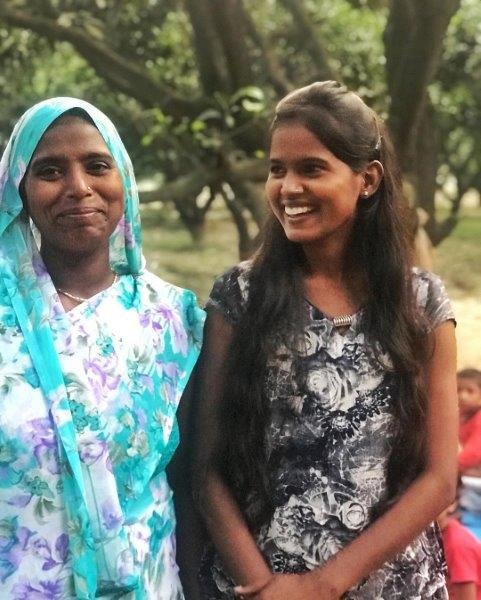
GyanSetu centers also act as hubs of community transformation, which is why each one holds meetings for mothers 6 to 7 times a month. During these meetings, the GyanSetu teacher, accompanied by counselors from anti-dowry and family counseling centers, talk with the mothers about basics of of health including now at this critical time COVID19, and prevention of domestic violence, dowry, substance abuse, etc. When reported, teachers & counselors intervene and call in the local police if needed .
This project has provided additional documentation in a PDF file (projdoc.pdf).