By Marie Gabrielle Aurel | Executive Director
CCSH & CEIFAH Combined Impact Report 2025-2026
Cima Community School of Hope (CCSH)
Centre d’Entrepreneuriat, d’Innovation et de Formations Appliquées d’Haïti (CEIFAH)
Cima, Limonade, Northern Haiti
From Education to Empowerment. Building Skills, Creating Opportunities, Transforming Communities.
1. Executive Summary
Sonje Ayiti Organization believes community development starts with education but cannot stop at the classroom or the 4 walls. Through CCSH and CEIFAH, we connect schooling, practical skills, entrepreneurship, and economic empowerment for young people in Northern Haiti.
In 2025-2026, CCSH served 467 students with 57 teachers and staff, and CEIFAH's first Avni m se Pa m cohort of 30 vulnerable young people completed training in plumbing, electricity, and tiling.
Our vision:
Educate a child. Equip a young person. Empower a family. Transform a community.
2. Our Integrated Development Model
CCSH builds the foundation: quality education, health support, technology, and life skills for children and adolescents. CEIFAH turns that potential into opportunity through vocational, technical, and entrepreneurial training that leads to employment, self-employment, and business development. Together, they form a five-stage continuum:
3. CCSH: Education, Innovation, and Student Development
3.1 Educational Access
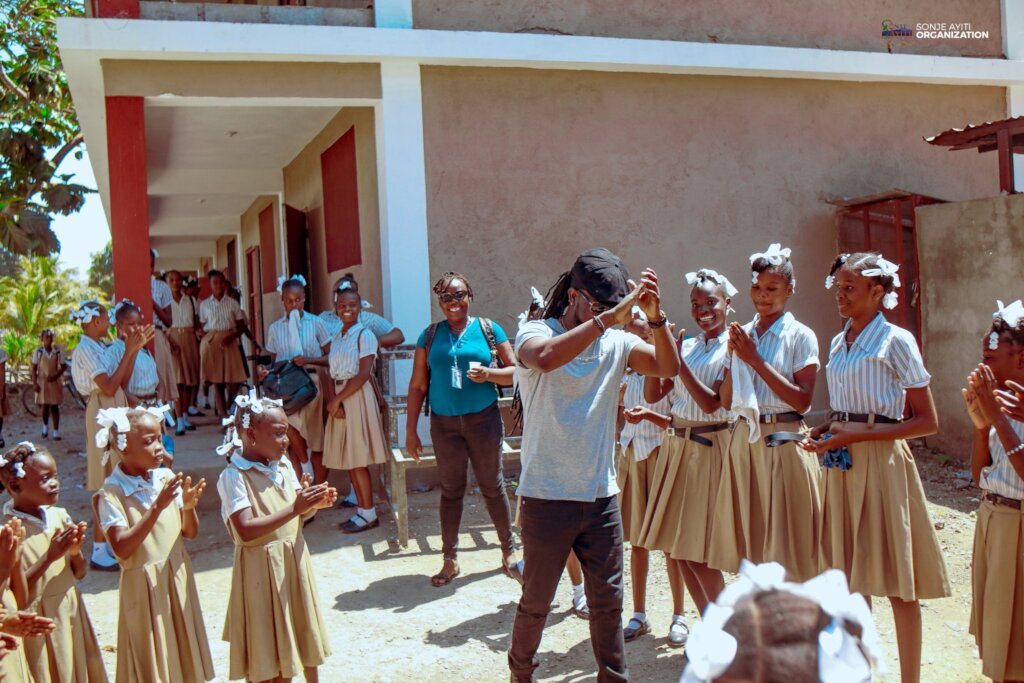
In 2025-2026, CCSH served:
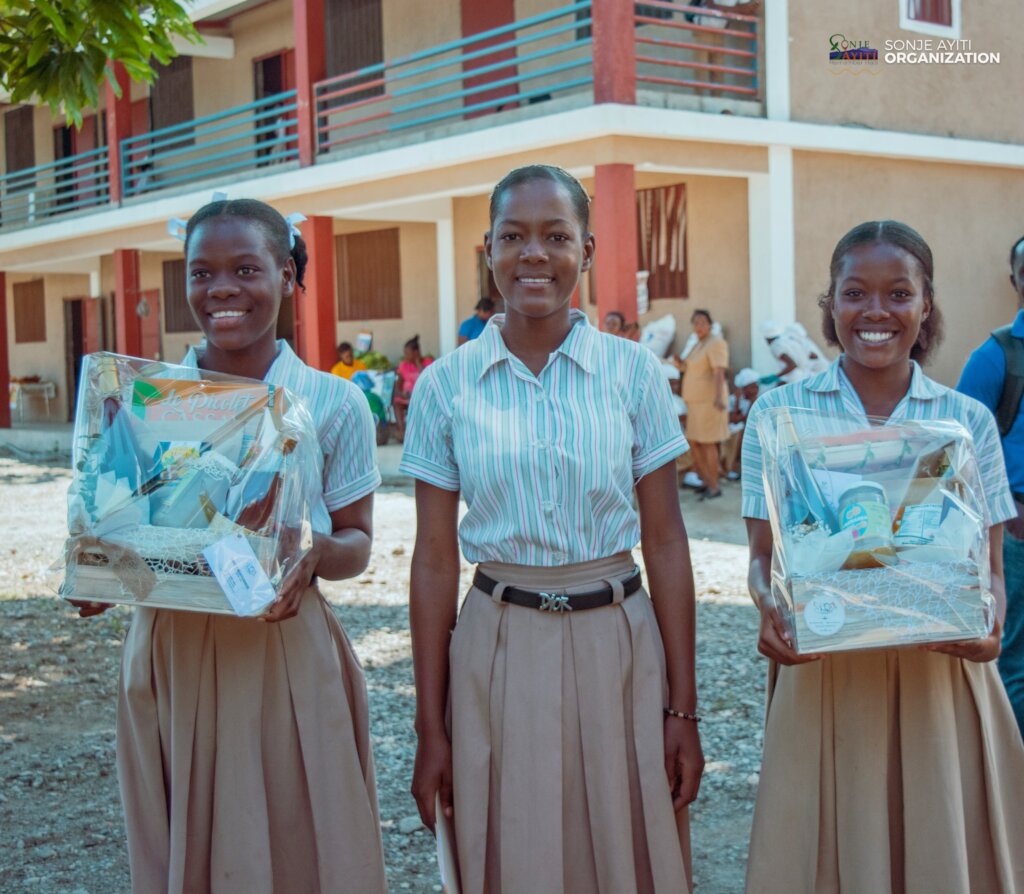
Support covers tuition, uniforms, supplies, daily hot meals, health insurance, and extracurricular activities.
3.2 Technology and Digital Learning
With support from the Steve Sinnott Foundation, CCSH's Resource Learning Center (RLC) offers computer literacy, educational resources, language learning, and multimedia instruction, and builds digital skills for teachers and community members.
3.3 Vocational Exposure and Student Entrepreneurship
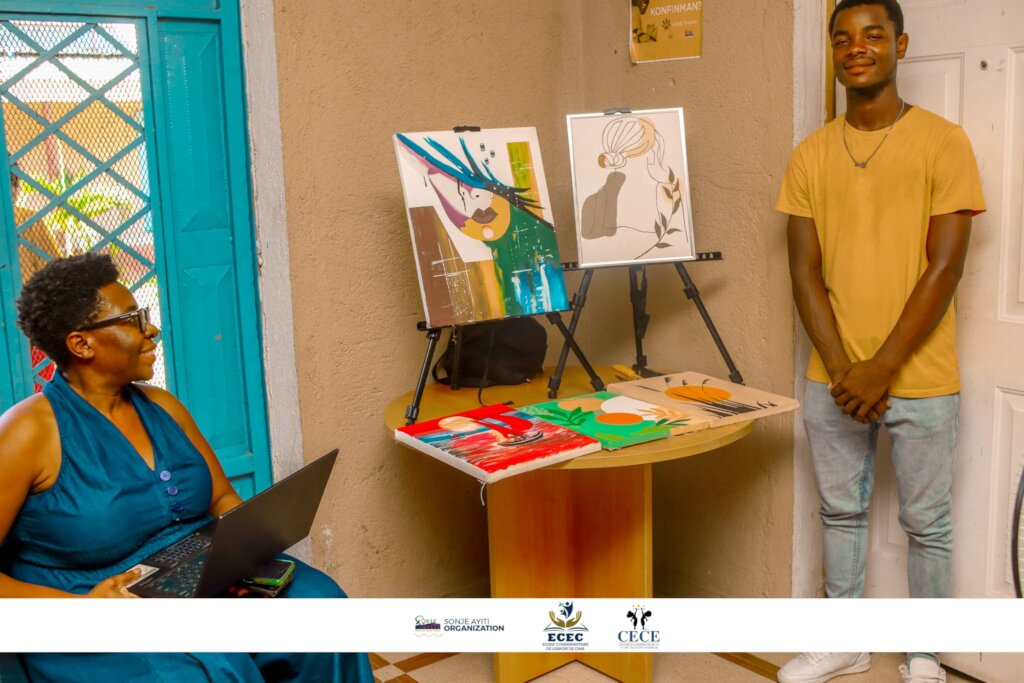
Through the 1 Student 1 Trade approach, 213 students age 14 to 20 learn trades such as sewing, cosmetology, tiling, plumbing, electricity, agricultural technique, food transformation technology, information technology, English/Spanish, culinary arts, and crafts. The Positive Periods initiative links this work to health, entrepreneurship, and gender equality:
3.4 Child Protection and Gender Equality
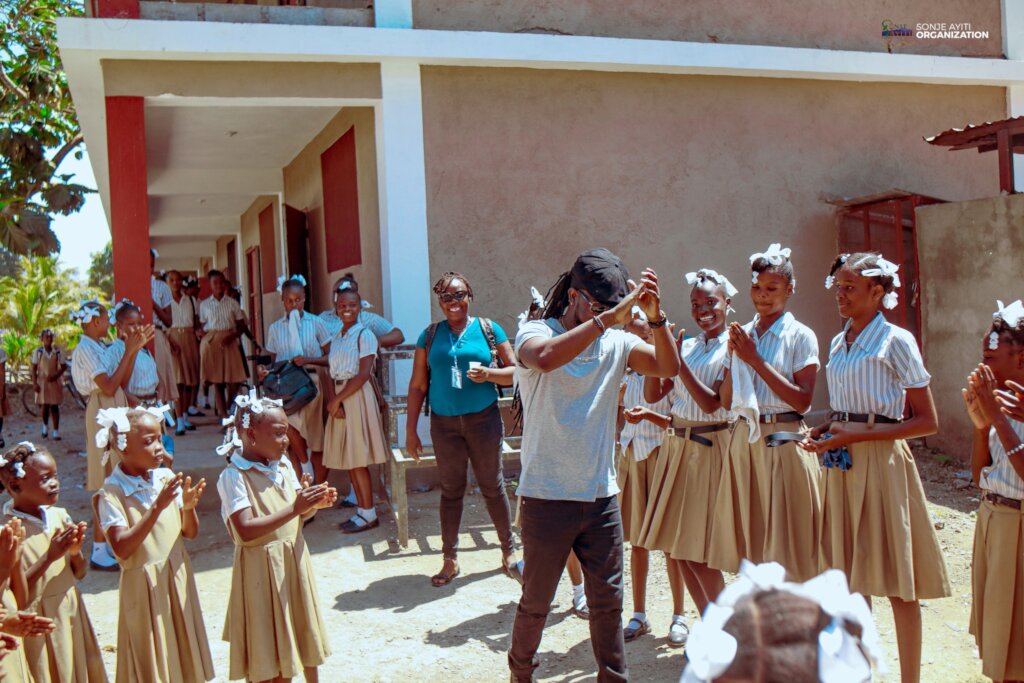
In March 2025, CCSH, the Steve Sinnott Foundation, and local organizations held an awareness campaign on gender-based violence, gender equality, and child protection, reaching more than 200 people, with psychosocial facilitation from SOSPSY.
3.5 International Recognition
CCSH students were recognized in the 2025 UNESCO UK ASPnet Seeds of Hope competition for their KONBIT - Work in Solidarity initiative.
4. CEIFAH: Technical Skills, Entrepreneurship, and Economic Empowerment
CEIFAH bridges education and employment, equipping young people, women, and vulnerable populations with skills that meet local economic needs.
4.1 Vocational and Technical Training
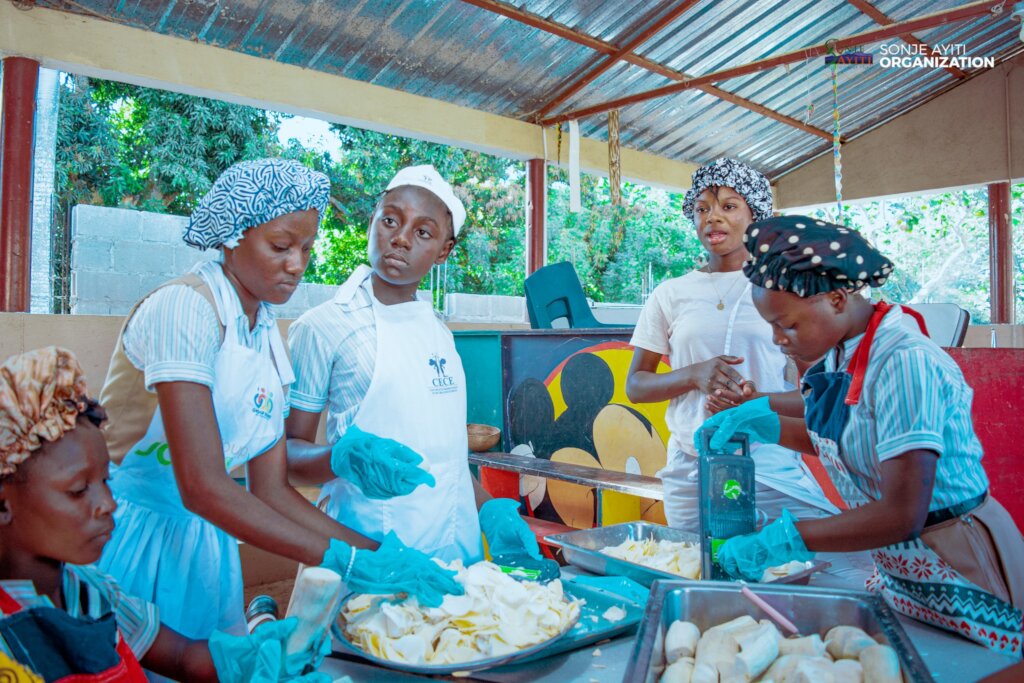
CEIFAH offers or is developing training in plumbing, electricity, construction and tiling, sewing, culinary arts and food processing, agriculture, cosmetology and decoration, screen printing and crafts, and information technology.
4.2 Avni m se Pa m: Creating Pathways to Employment
Implemented with CEDEL Haiti and the U.S. Embassy in Port-au-Prince, the program's first cohort trained 30 vulnerable young people from across the North Department in plumbing, electricity, and tiling. Training combined instruction, practical exercises, and competency assessment (passing score: 65/100).
The program closed with three days of entrepreneurship and technology training at ESPWA Co-working Space, and graduates received certificates and professional toolkits.
4.3 Entrepreneurship and Business Development
CEIFAH promotes entrepreneurship through hands-on business development, customer service, and product creation. In 2026, it expanded its own catering, event decoration, and screen-printing services, giving trainees real work experience. Some students have started income-generating activities, and at least three former or current students have joined CEIFAH's workforce.
4.4 Connecting Skills Development to Local Value Chains
CEIFAH can also link training to local agriculture, connecting women farmers, its agro-food and culinary programs, local food processing, and Chaw Twopikal's production and marketing to strengthen value chains and create jobs.
4.5 From Aid to Trade: Dieulove's Story
Dieulove, a 9th-grade student, has a gift for cosmetology. When she enrolled in CEIFAH's cosmetology program, her talent was clear, but talent alone was not enough. Cosmetology is learned by doing, and practice requires supplies. Raised by a single mother who could not afford them, Dieulove struggled to complete her training.
Rather than give up, she found another way. Alongside fellow students, Dieulove began growing medicinal plants in the Sonje Ayiti Konbit garden. She sold the leaves to Chaw Twopikal, which processes them into tea powder, and used the income to buy the supplies she needed to keep practicing.
Today, Dieulove continues her trade with pride and dignity. She is grateful for the chance to invest in her own education through the land, and for the connection to Chaw Twopikal that turned her harvest into income.
“I felt frustrated because my mom was unable to support me,” Dieulove says. “Now I feel empowered to contribute to my trade instead of relying solely on her.”
Her story shows our integrated model at work: a vocational student, a community garden, and a local enterprise linked in one value chain. It is the path we want for every young person we serve: from aid to trade.
5. Partnerships and Collective Impact
Our key partners:
6. Combined Results and Impact Indicators
Impact area Documented achievement
CCSH student enrollment 467 students
CCSH teachers and staff 57
Consecutive 9th-grade examination success 5 years at 100%
Students trained in sewing 51
Students earning income through sewing 20
Reusable sanitary pads distributed in March 2025 237
Participants in March 2025 awareness campaign 200+
Avni m se Pa m vocational graduates 30
Former and current students in CEIFAH's workforce At least 3
Note: Indicators come from different programs and reporting periods and do not represent an unduplicated beneficiary count.
7. Challenges and Lessons Learned
8. Priorities for 2026-2027
Our next phase will deepen the link between education, training, and economic opportunity:
9. Invest in Education. Invest in Skills. Invest in Haiti.
We are building an ecosystem where education opens doors, skills create opportunities, entrepreneurship generates income, and communities grow more resilient.
We invite foundations, donors, corporations, and individual supporters to invest in this model.
Together, we can move from education to employment, from skills to entrepreneurship, and from vulnerability to opportunity.
Acknowledgments
We thank our students, parents, teachers, trainers, staff, GlobalGiving partners and donors, and community members. Your commitment creates opportunity where it is needed most.
Links:
Project reports on GlobalGiving are posted directly to globalgiving.org by Project Leaders as they are completed, generally every 3-4 months. To protect the integrity of these documents, GlobalGiving does not alter them; therefore you may find some language or formatting issues.
If you donate to this project or have donated to this project, you can receive an email when this project posts a report. You can also subscribe for reports without donating.


Support this important cause by creating a personalized fundraising page.
Start a Fundraiser