By Simon Bradley | SOS Communications and Marketing Officer
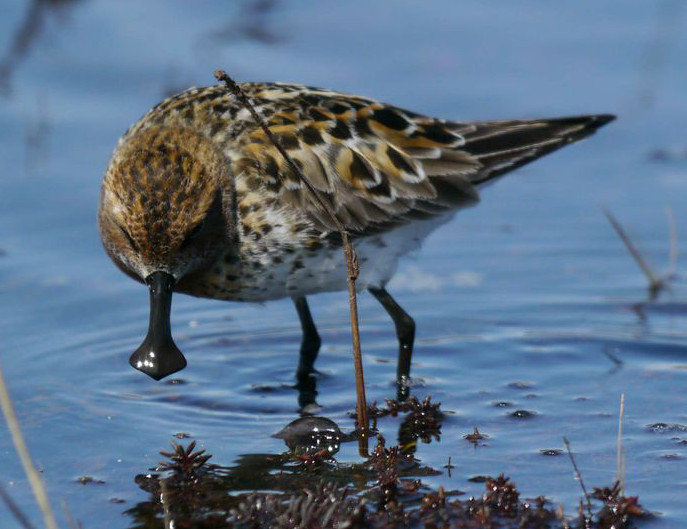
With a goal of increasing the population to 300 pairs by 2025, there are good signs numbers of Critically Endangered Spoon-billed Sandpiper (Calidris pygmaea) are approaching stabilisation.
This is according to Baz Hughes, Head of Conservation Action at IUCN Member Wildfowl & Wetlands Trust (WWT) who explains the decline due to prevailing threats is slowing, from 26% per annum in 2011 to about 9% in 2016.
Such improved prospects are thanks to coordinated conservation interventions by many organisations along the bird’s flyway -from breeding grounds in Chukotka, eastern Russia to wintering grounds in Southeast Asia - led by the Spoon-billed Sandpiper Task Force of the East Asian – Australasian Flyway Partnership.
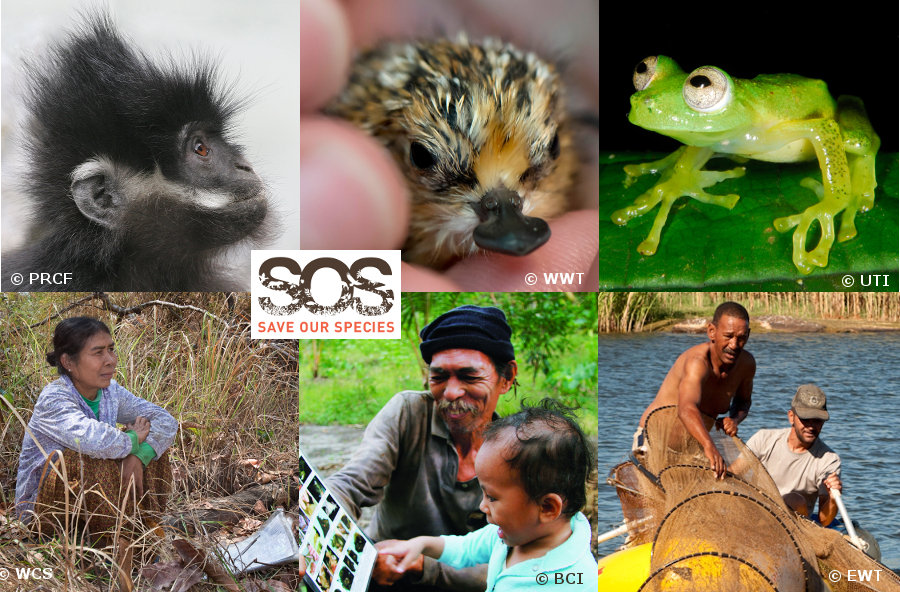
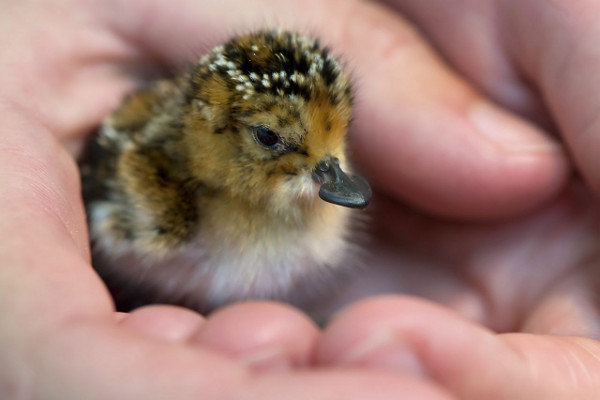
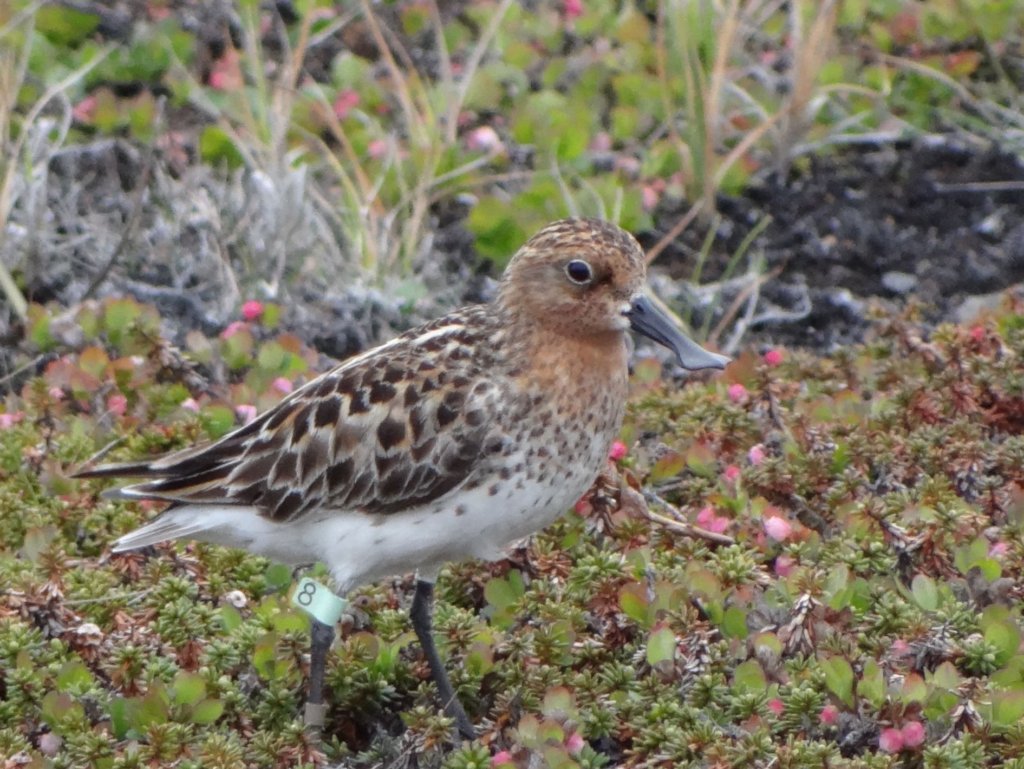
Results include an increase in the number of juveniles surviving to adulthood thanks to reduced poaching pressure on the wintering grounds, effective head-starting techniques, and enhanced awareness about the plight of these unique, diminutive and charismatic migratory birds, commonly referred to as “Spoonies” - the only bird to hatch with a spatulate bill.
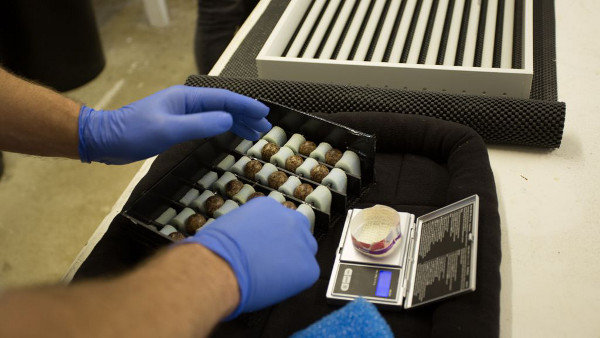
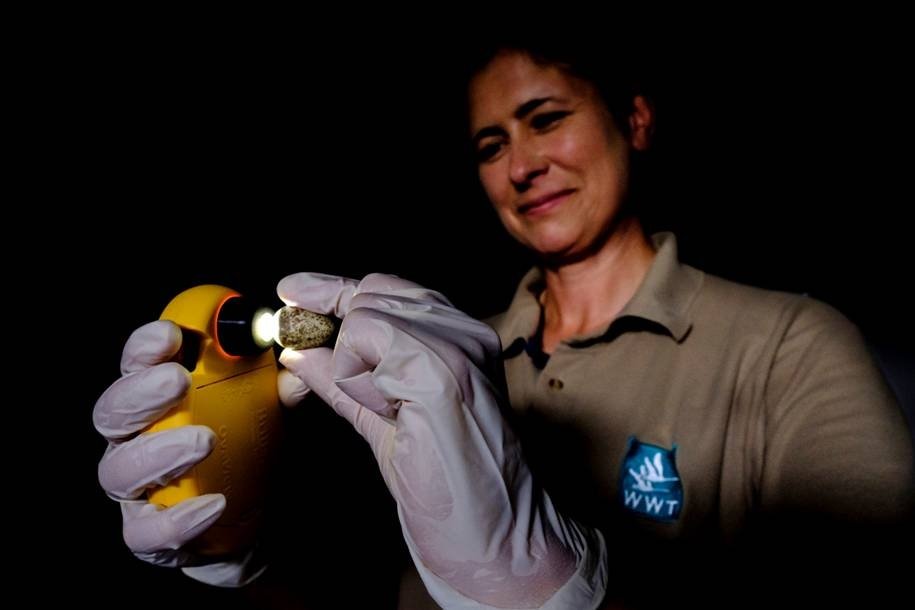
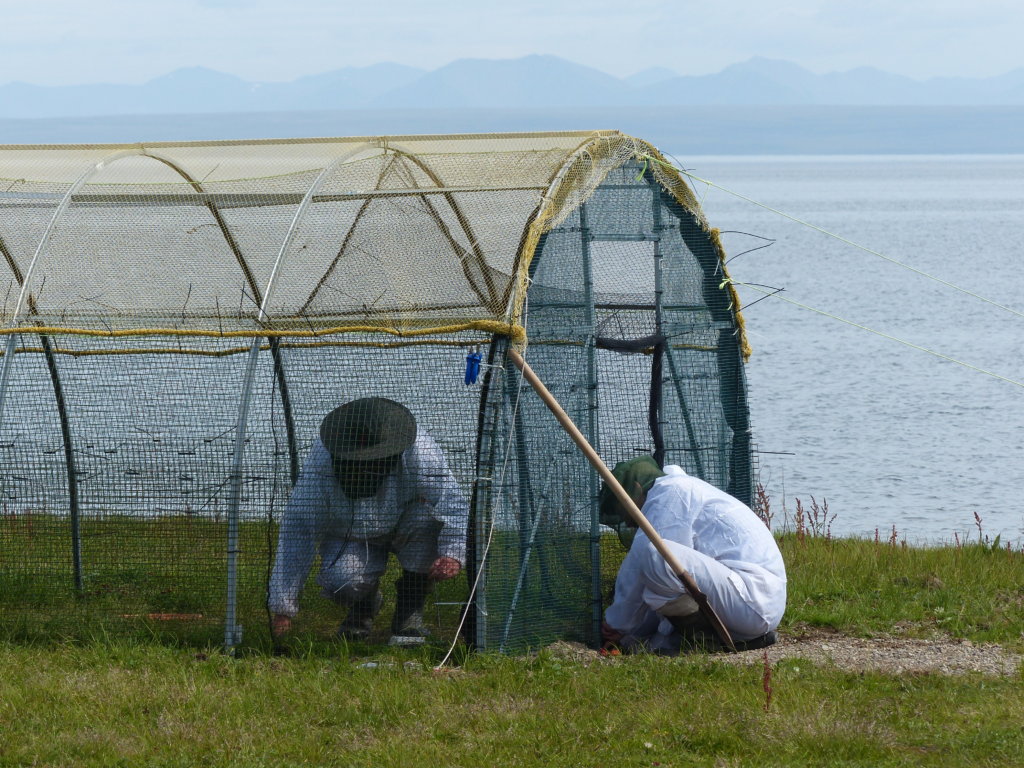
Prospects for survival seemed much bleaker in 2010, when WWT in partnership with Birds Russia and the Royal Society for the Protection of Birds (RSPB) worked to bring the birds back from the brink of extinction through an innovative head-starting and captive-breeding effort. Following successful expeditions to Chukotka in 2011 and 2012, conservation teams established a viable captive-breeding population in the UK. In parallel, Russian-based conservationists boosted the numbers of juveniles surviving to adulthood through an in-situ head-starting programme that hand-reared chicks to maturity before releasing them back into the wild.
Over the five years to 2016 the conservation teams reared and released a total of 111 birds, representing an estimated 20% of natural annual productivity. “We fledge, on average, over three chicks from every four egg clutch, with the sandpipers themselves only managing 0.6” explains Baz. “Preliminary analyses suggest the head-started birds are re-sighted at the same rate as wild birds and therefore are surviving as well as their wild counterparts” he elaborates. Over 20% of head-started birds have been re-sighted on migration and at wintering sites – with records from China, Japan, South Korea, Thailand, Myanmar and Kamchatka, Russia. Crucially, head-started birds have returned to successfully breed at Meinypil’gyno, Russia.
The captive breeding population produced its first batch of eggs in 2016. While none survived, the team are confident for the 2017 captive-breeding season having learned new feeding and lighting techniques to ensure adequate nutrition. Meanwhile work continues toward improving survival prospects along the bird’s 8,000 kilometre flyway engaging in advocacy work about stopover sites, awareness raising and outreach with bird-trappers, Chinese birding enthusiasts and communities by targeting children and their parents.
The future of the species, however, now lies in the hands of the governments along the flyway which need to ensure that the key staging and wintering sites are identified and appropriately protected elaborates Baz.
“The most important and challenging aspect is maintaining and protecting habitat at key sites, particularly stopover sites in the Yellow Sea” he says. Thus, tracking the birds using leg-flags and satellite tags is essential to better understanding their migration paths in pin-sharp detail. Many key breeding, stopover and wintering sites remain unknown he explains.
While the trajectory for recovery seems positive, there remains much to accomplish and much to learn about Spoonies along the way. What is certain is that the success of this transboundary conservation work targeting a migratory bird species could only have been achieved through coordination, collaboration and innovation.
Links:
Project reports on GlobalGiving are posted directly to globalgiving.org by Project Leaders as they are completed, generally every 3-4 months. To protect the integrity of these documents, GlobalGiving does not alter them; therefore you may find some language or formatting issues.
If you donate to this project or have donated to this project, you can receive an email when this project posts a report. You can also subscribe for reports without donating.