By Simon Bradley | SOS Communications and Marketing Officer
“Now, at the beginning of our third breeding season here at the Abidjan National Zoo we’re incubating 110 eggs – that’s almost 50% more than 2014!” says Dr. Matt Shirley. Project coordinator with SOS Grantee RSCF, Matt explains the higher figures are most certainly a result of better daily care resulting in reduced stress, and an improved food supply for these Critically Endangered crocodiles. The role of training and the dedication of a team of Zoo personnel and volunteers cannot be underestimated in the project’s progress so far.
Rewind to 2013, when Project Mecistops’ captive-breeding programme started at the Zoo, it lacked the basic equipment and facilities to perform. The prognosis for Slender-snouted crocodiles in the region was bleak however - a recent survey had counted 49 wild individuals, just three of which were adults. The difficult decision was taken to pull eggs from nests in the Zoo. “We improvised using Styrofoam coolers in a volunteer’s home as incubators. Of the 78 eggs collected, three hatched and none survived”.
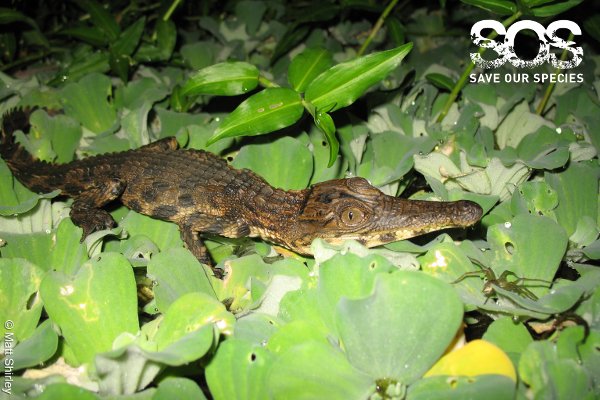
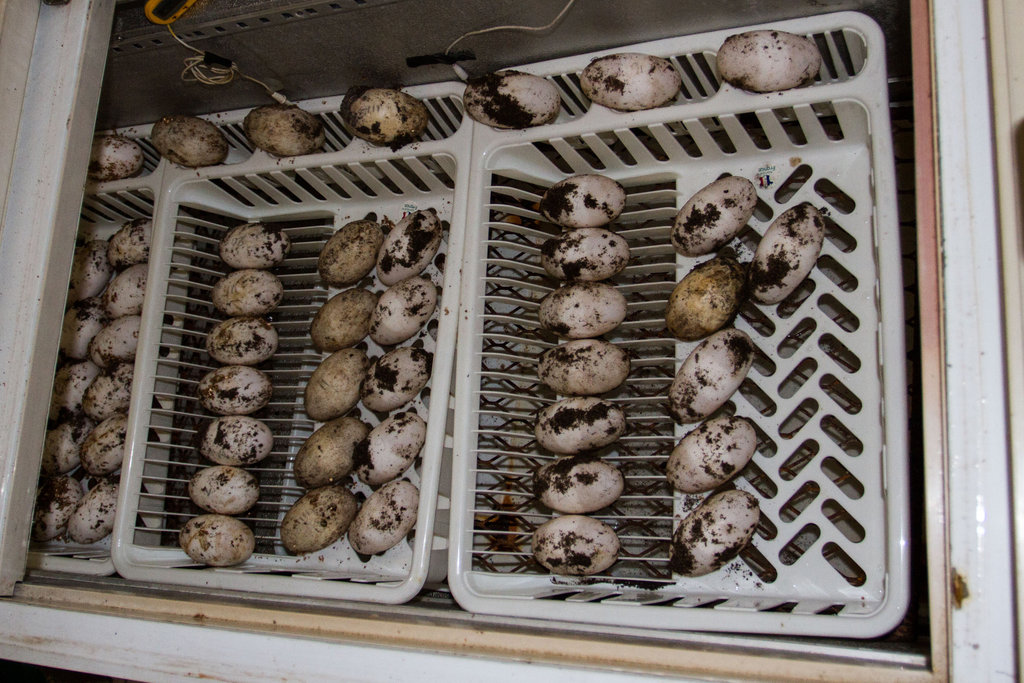
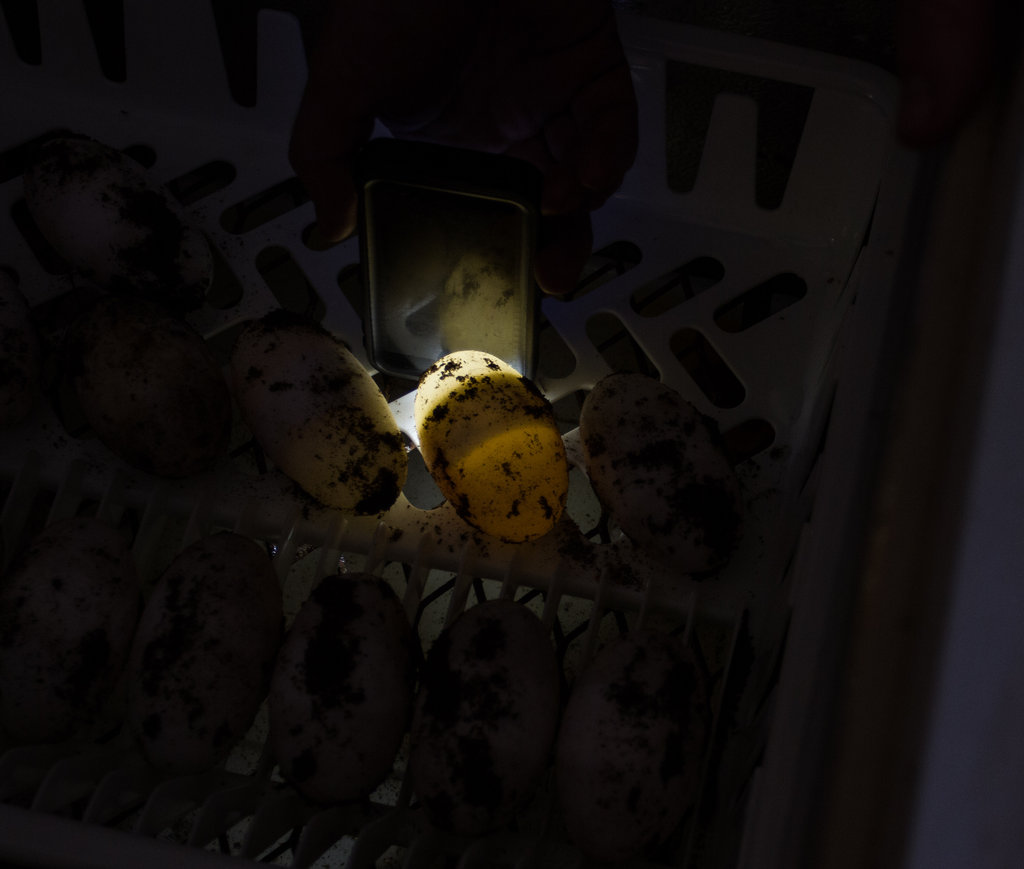
Regrouping for the following year, Shirley brought in US-based crocodile specialists. First, we constructed a climate-controlled incubator out of an old beer refrigerator. Captive crocodile specialist Matt Eschenbrenner trained the Abidjan keeper team in incubation techniques including establishing a data collection protocol. Of the 84 eggs recovered 29 were fertile and 23 hatched viable baby cataphractus.
In July 2014, specialist keeper Cody Bartolini from the St. Augustine Alligator Farm arrived in Abidjan to work with the crocodile keeper team on hatchling care and maintenance. As a result of the combined incubation and care training, 18 of the 23 crocodiles from 2014 continue to thrive nearly a year later.
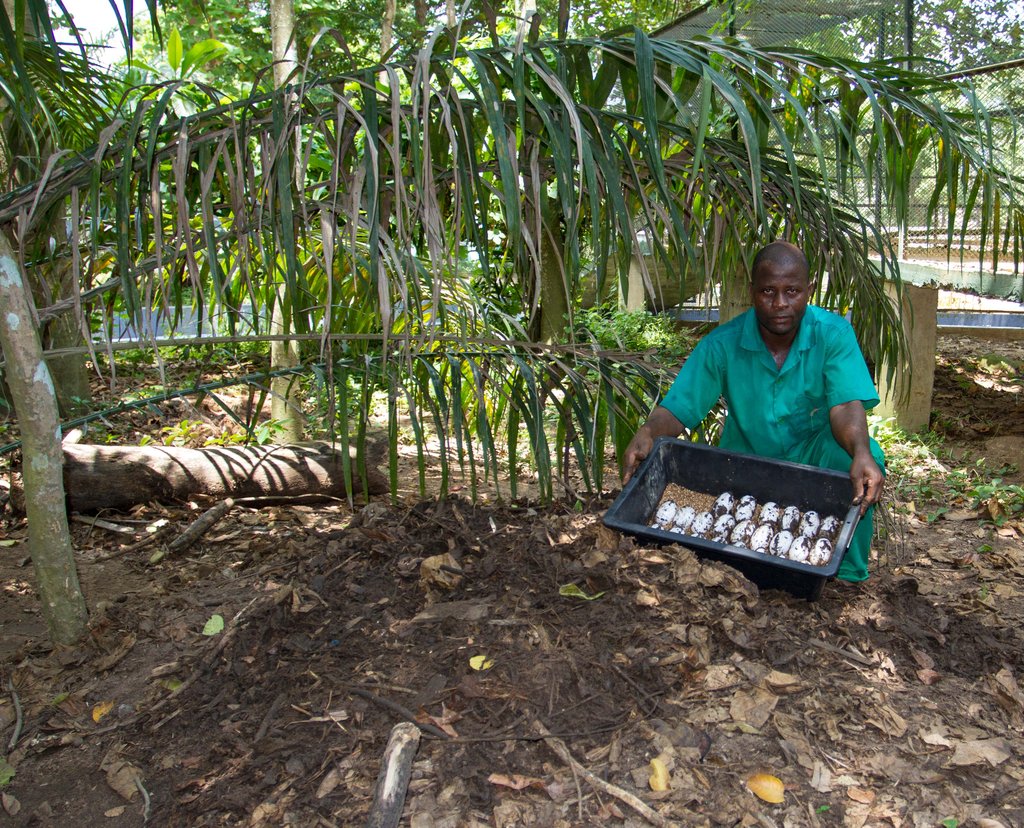
Meanwhile the 2015 breeding season began in April and the crocodile keepers maintained vigilance for telltale signs of egg deposition: paths leading to mounds of leaves and soil. Two weeks later they uncovered the first two clutches. “Two females had laid in the same nest: one laying 23 eggs and the other, presumably one of our smaller females laying ten“. That was the start of the bumper harvest for 2015.
None of this would be possible without the hard work of the Zoo team and the many stakeholders and volunteers continually working to improve the facilities and animal husbandry practices, asserts Matt. This joint effort is helping to ensure the success of Project Mecistops’ captive-breeding programme and the future of one of Africa’s most enigmatic species.
Links:
Project reports on GlobalGiving are posted directly to globalgiving.org by Project Leaders as they are completed, generally every 3-4 months. To protect the integrity of these documents, GlobalGiving does not alter them; therefore you may find some language or formatting issues.
If you donate to this project or have donated to this project, you can receive an email when this project posts a report. You can also subscribe for reports without donating.