By Anand Chandrasekhar | SOS Assistant Communications and Marketing Officer
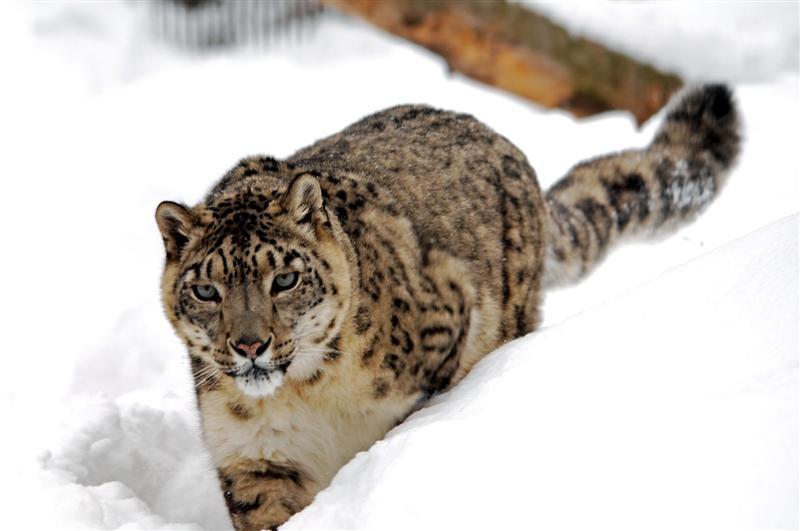
In the shadow of the majestic Himalayas on the “roof of the world”, SOS - Save Our Species is championing the conservation of the equally majestic Snow Leopard. SOS grantees the Snow Leopard Trust and Snow Leopard Foundation Pakistan, are piloting grassroots programmes aimed at reducing the illegal killing of snow leopards in the remote reaches of Pakistan’s northernmost province, Gilgit-Baltistan.
This province hosts a significant snow leopard population. Of the 4,500-6,500 snow leopards remaining in the wild, Pakistan is home to possibly the third largest concentration in the world with an estimate of 200-420 individuals. Gilgit-Baltistan alone accounts for over 60 percent of Pakistan’s snow leopards and surveys in the Pamir-Karakoram landscape have shown it to be particularly important for the species.
A national-level assessment has deemed snow leopards “critically endangered” and one of the most pressing threats is poor herders killing the cats in retaliation for livestock losses. It is not unusual for herder families to lose an entire month’s income to livestock attacks by snow leopards and herders have suggested “eliminating” the cats in order to solve this problem. At least two snow leopards were beaten to death by herders in 2010-2011 near one of Gilgit-Balistan’s largest national parks.
The SOS funded Snow Leopard Project is working to change the attitudes of villagers in Pakistan towards this magnificent carnivore. A team led by Dr. Muhammad Ali Nawaz, Director of Snow Leopard Foundation Pakistan, found that families in the province’s Shimshal Valley were facing very high levels of conflict with the cats but were also losing high rates of livestock to disease. In addition, the communities lacked the resources to vaccinate their animals.
Spotting an opportunity to bring about positive change, the project team launched a community-run livestock vaccination programme in the valley. Community vaccinators were selected and trained to administer medications, and then sent to the capital city Islamabad for intensive training in livestock health management. In 2013, over 8,600 goats, sheep, cows and yaks were vaccinated benefiting over 200 families in Shimshal.
Healthier herds have bolstered the community’s economy. Herders can now tolerate occasional livestock losses to snow leopards and the community has agreed to protect the cats. In 2012 and 2013, despite livestock losses to snow leopards, no cats were killed within the community.
In total, the project team has brought this “snow leopard friendly” vaccination model to four valleys in Gilgit-Baltistan - Shimshal, Rakaposhi, Chapurson and Hisper - and is working on a livestock insurance programme in one more valley called Misgar. This year, the Pakistan team anticipates vaccinating over 40,000 livestock. The project has also catalysed the initiation of Nature Clubs in valley schools to raise levels of conservation awareness and a teacher’s manual and workshop is planned for the spring.
“It’s been a rigorous process but the long-term engagement of SOS over two years has meant we could take the time to build the formal partnerships and relationships we needed. Now we have a strong foundation for the future,” says Mr. Brad Rutherford, Executive Director of the Snow Leopard Trust. The community programmes launched with SOS support are being recognised as a key part of Pakistan’s strategy for meeting its national snow leopard survival objectives as well as the goals set by the Global Snow Leopard Forum.
A herder in Gilgit-Baltistan best summed up the change in attitudes thanks to these programmes - “We treated snow leopards and other predators as beasts; and killing them used to be taken as a sign of prestige in the community. Now, thanks to the interventions of the Snow Leopard Foundation in the valley, perceptions have changed. We’ve learned again to coexist with these animals.”
Links:
Project reports on GlobalGiving are posted directly to globalgiving.org by Project Leaders as they are completed, generally every 3-4 months. To protect the integrity of these documents, GlobalGiving does not alter them; therefore you may find some language or formatting issues.
If you donate to this project or have donated to this project, you can receive an email when this project posts a report. You can also subscribe for reports without donating.